





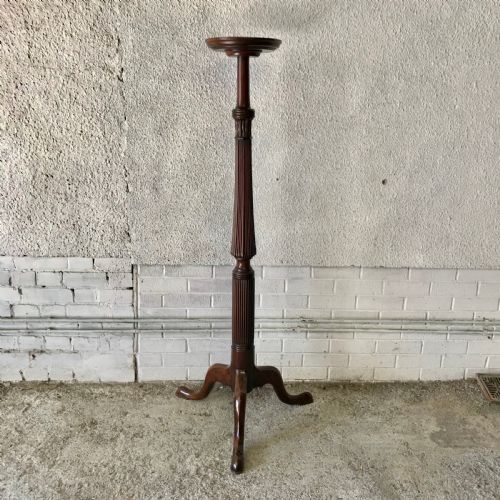
Traditional Wooden Urn Stand
These traditional wooden urn stand options bring elevated display surfaces to rooms, offering sturdy timber architecture designed to showcase decorative vessels.
Traditional Wooden Urn Stand
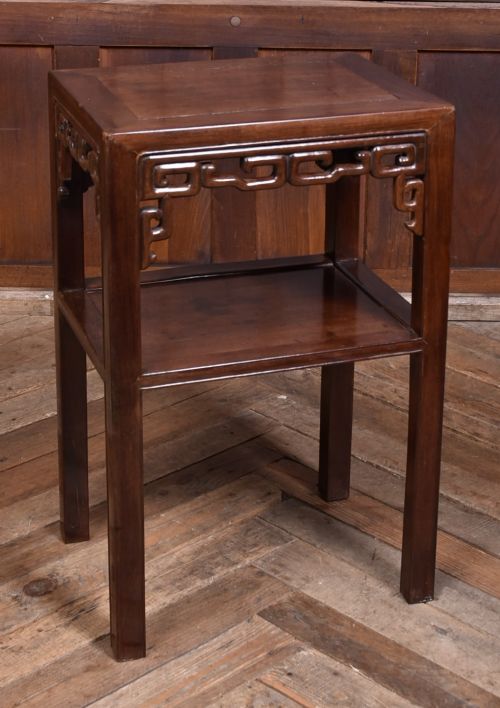
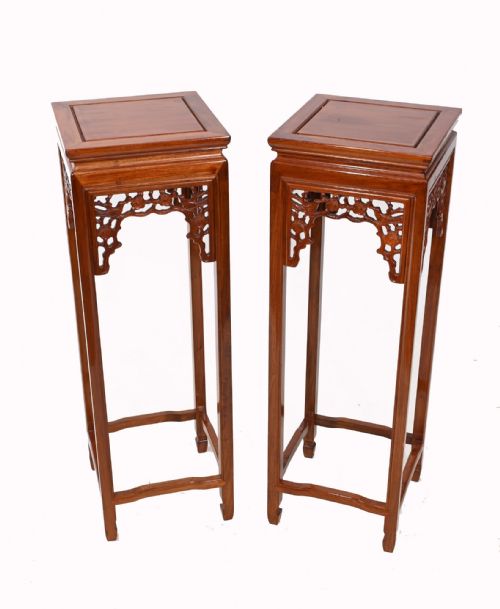
A traditional wooden urn stand serves as a raised platform for heavy vessels, plants, and decorative pieces, appearing in forms such as torchères, kettle stands, and pedestal tables. Buyers exploring this category encounter pieces dating from the eighteenth century through to the Edwardian period and Victorian eras.
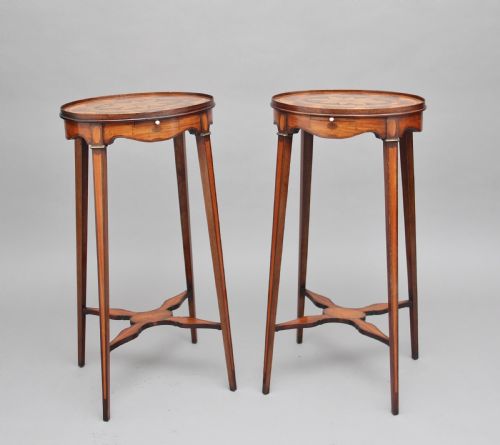
The selection ranges from George III mahogany designs and Sheraton revival inlays to nineteenth century Chinese carved hardwood tables and oak barley twist planters. These tall, narrow supports function effectively in corners or beside seating to elevate decorative objects to eye level.
Makers across these periods utilised distinct regional traditions, blending British revival styles with Asian joinery methods. The resulting variety provides collectors with versatile display furniture tailored for specific interior schemes.
Materials and construction techniques
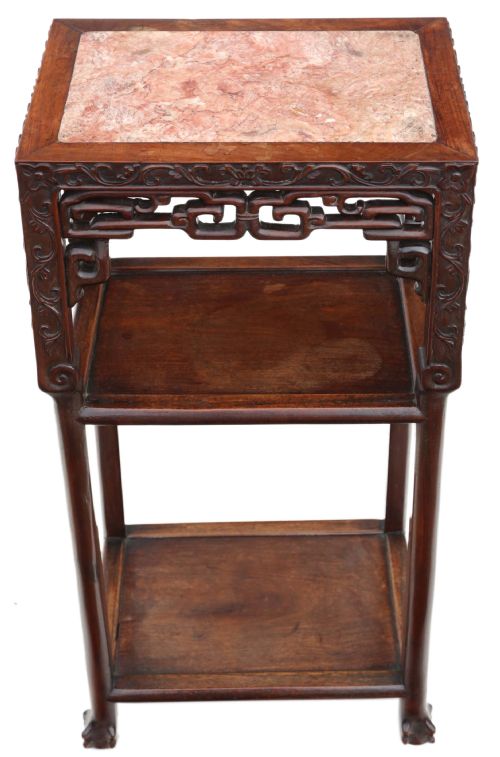
Makers relied principally on mahogany, oak, and imported hardwoods to build these sturdy supports, often enhancing the timber with delicate wood inlay or bone details. Selected examples incorporate inset marble panels or brass fittings to provide durable surfaces for heavy items.
Joinery methods varied from traditional Chinese carving techniques to British cabinetmaking practices like the barley twist turning seen on nineteenth century planter stands. Workshops constructed these tall stands with stable tripod or multi-legged bases to support the weight of pots and urns safely.
Traditional Wooden Urn Stand Retail Price Guide 2026
Typical asking prices for traditional wooden urn stand among the pieces listed under this phrase on Sellingantiques today, from the lower quarter to the upper quarter. They describe what is for sale here now, not the wider market.
The site's current selection spans the eighteenth, nineteenth, and early twentieth centuries, featuring materials from mahogany and oak to marble and bone.
Distinctions in quality and execution
Quality rests in the precision of the carving, the crispness of any inlay work, and the structural integrity of the slender legs and columns. Superior examples display carefully selected timber grains and harmonious proportions that balance height with a stable base.
Lesser pieces exhibit simpler turned elements and heavier, less refined timber selection without the intricate detail found on fine Sheraton revival or George III period items.
The Traditional Wooden Urn Stand Glossary
- Torchère
- A tall, slender stand designed to hold a light or a decorative vessel. Originating in the seventeenth century, these stands feature elevated platforms supported by single or multiple columns.
- Kettle stand
- A small occasional table designed to hold a tea kettle above a spirit lamp. These compact stands often feature pull-out slides and delicate wooden legs.
- Barley twist
- A spiral turning technique resembling a twisted rope, carved into furniture legs and uprights. This decorative feature appears frequently on seventeenth-century revival and nineteenth-century pieces.
- Sheraton revival
- A late nineteenth-century design movement inspired by the neoclassical furniture of George Sheraton. Pieces from this revival utilise refined mahogany and subtle inlaid decoration.
- Jardinière
- A decorative receptacle or stand designed to hold a plant or flower arrangement. These items incorporate waterproof inserts or sturdy wooden platforms for botanical displays.
Traditional Wooden Urn Stand: Frequently Asked Questions
What is a traditional wooden urn stand used for?
These tall stands were originally built to elevate heavy objects such as water urns, tea kettles, or decorative ceramic vessels off the floor. Today, collectors use them primarily as plant stands, torchères, or side tables to display sculpture and pottery.
Placing them in corners or beside seating areas adds vertical interest to an interior room scheme. Their narrow footprints allow them to occupy minimal floor space while providing a prominent display surface.
How do I identify a George III stand?
George III period pieces typically display dense, high-grade mahogany timber with precise joinery and restrained classical proportions. They often feature delicate carving, tripod bases, or subtle mouldings characteristic of late eighteenth-century British cabinetmaking.
Comparing the timber weight, secondary woods, and construction methods helps distinguish genuine eighteenth-century work from later Victorian or Edwardian revivals. Original surface patination also develops a soft lustre over centuries of handling.
Are Chinese hardwood stands considered urn stands?
Carved Chinese hardwood stands serve a similar functional purpose to British pedestal tables by elevating vases, jardinières, and decorative urns. Nineteenth-century examples often feature elaborate openwork carving, inset marble panels, and dense Asian hardwoods.
These imported pieces entered Western interiors alongside domestic British furniture, reflecting a long history of cross-cultural design exchange. Their robust construction makes them exceptionally well suited for supporting heavy ceramic vessels.
How do I care for antique wooden stands?
Protect antique timber surfaces by keeping stands away from direct heat sources, radiators, and strong sunlight that can dry out the wood. Regular dusting with a soft, dry cloth preserves the historic wax polish and finish without harming the patina.
Avoid placing damp plant pots directly onto unsealed wooden tops by using protective saucers or liners. Checking the stability of the central column and leg joints periodically ensures the stand safely supports heavy display items.