


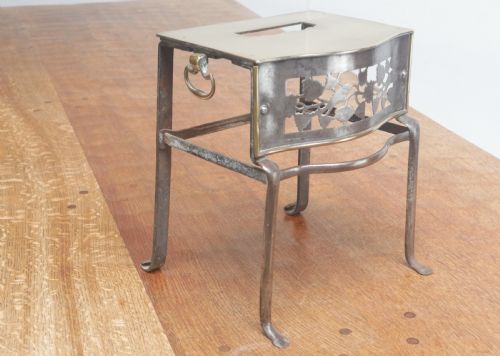


18th Century Kettle Stand
These small tables and hearth accessories are the functional 18th century kettle stand pieces collectors seek for compact spaces.
18th Century Kettle Stand
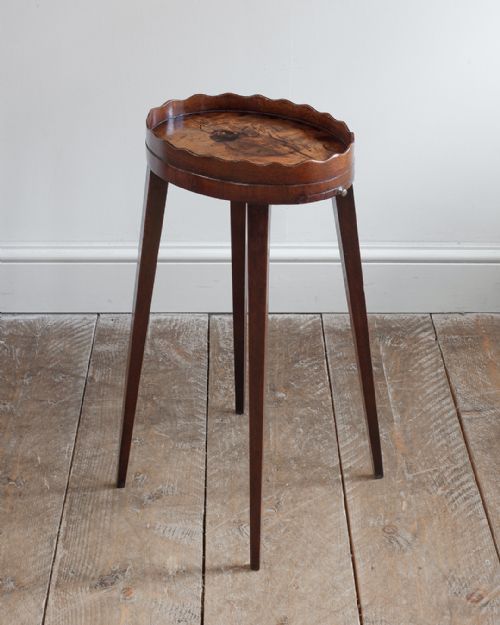
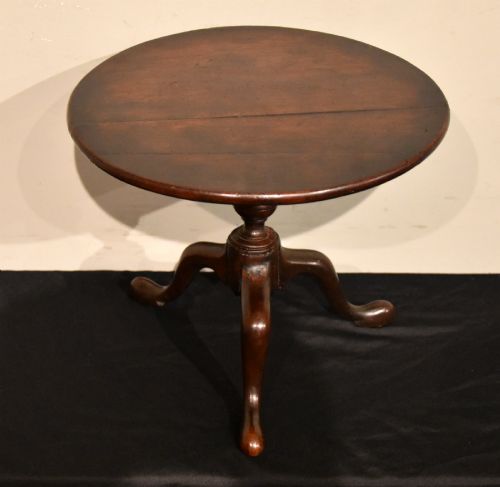
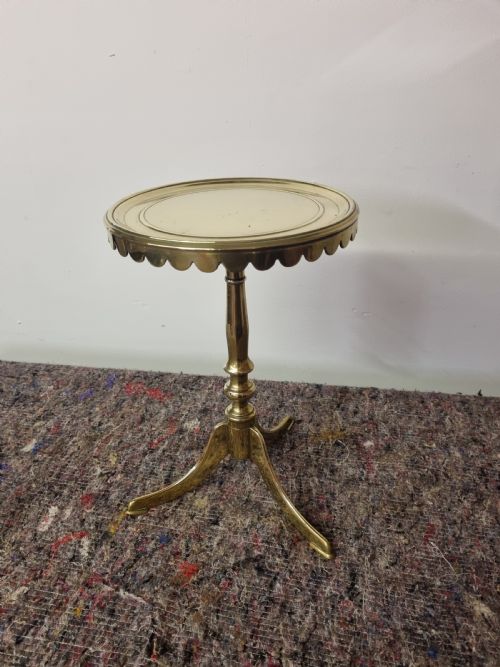
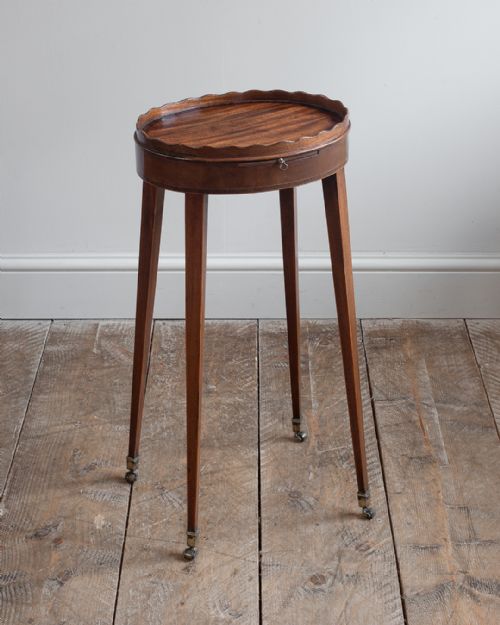
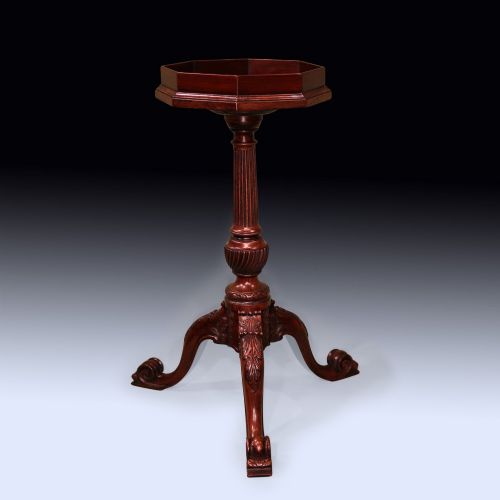
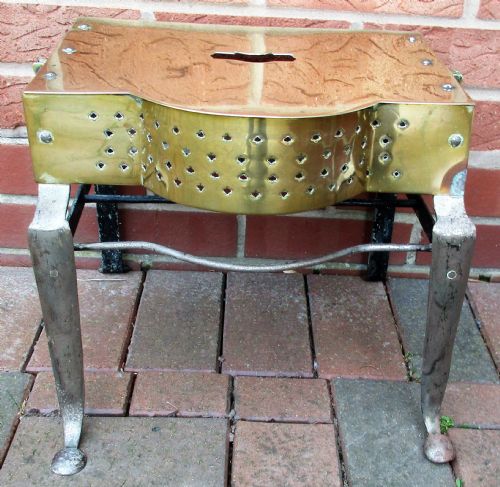
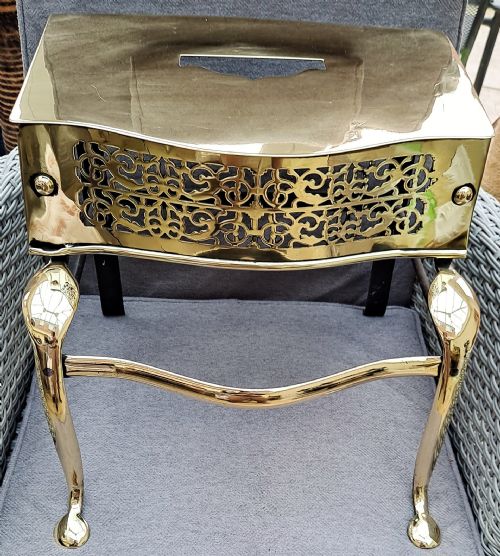
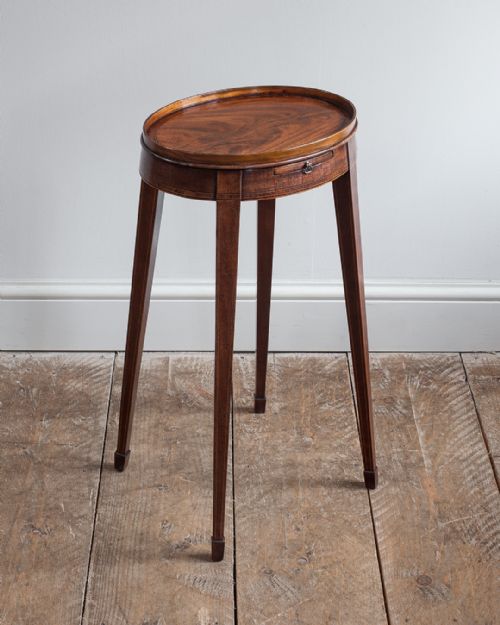
An 18th century kettle stand is a small, elevated surface designed originally to hold a heavy water vessel near the hearth or tea table. The examples met on this page range from tripod wine tables and urn stands to heavy brass and steel hearth footmen.
Most pieces date to the Georgian and George III periods, constructed to serve domestic tea rituals or fireside warming. Forms vary from oval and square mahogany tops to octagonal shapes and tripod bases.
Materials and construction
Cabinetmakers utilised dense timbers including mahogany, walnut, satinwood and burr wood for wooden tables, often incorporating carved details and dish or piecrust tops. Joinery follows traditional 18th century workshop practices designed to bear weight on slender legs.
Metal versions combine cast brass tops with sturdy iron and steel frames built to withstand hearth heat. These hearth footmen and trivets rely on forged components and durable castings.
18th Century Kettle Stand Retail Price Guide 2026
Typical asking prices for 18th century kettle stand among the pieces listed under this phrase on Sellingantiques today, from the lower quarter to the upper quarter. They describe what is for sale here now, not the wider market.
Listings combine wooden tripod tables in mahogany, walnut and satinwood with heavy brass and steel hearth footmen.
Distinctions in quality
The standard of timber selection and carving depth marks the division between ordinary furniture and finer examples. Crisp edge moulding, balanced tripod proportions, and original brass or wooden surfaces elevate certain pieces above standard utility items.
In metalwork, the clarity of brass casting and the weight of the steel framework dictate the grade. Surviving examples with intact, unpolished components and period structural integrity hold greater appeal.
Hepplewhite·Chippendale
The 18th Century Kettle Stand Glossary
- Tripod base
- A three-legged support structure common on small occasional tables and tea stands. This configuration ensures stability on uneven floors.
- Footman
- A metal hearth accessory made of brass and steel, designed to sit in front of a fire to warm kettles or food. They feature four legs and a flat top plate.
- Piecrust top
- A raised, carved table edge shaped in undulating curves resembling pastry work. This decorative timber technique prevents items from sliding off small surfaces.
- Urn stand
- A specialised small table built to support a large water urn during tea service. These pieces share dimensions and forms with standard kettle stands.
- Dish top
- A table surface with a concave centre carved directly from the solid wood. It provides a secure indentation for vessels.
18th Century Kettle Stand: Frequently Asked Questions
What is the difference between a kettle stand and a wine table?
An 18th century kettle stand was originally built to hold heavy vessels of hot water near a fireplace or tea table, whereas wine tables served beverage decanters.
In practice, both types share similar dimensions, tripod bases, and occasional table forms, leading manufacturers and users to interchange their functions over time.
How were brass footmen used by the hearth?
A brass footman stood directly in front of the fireplace coal or wood fire to keep water kettles warm or heat plates.
The steel and iron frame underneath handled the direct heat while the polished brass top faced the room during tea preparation.
Where should I place an 18th century kettle stand at home?
These compact tables function well beside armchairs or sofas as small occasional surfaces for drinks or lamps.
Their narrow footprints and slender tripod or square legs make them suitable for tight corners where larger furniture does not fit.
How do I identify a George III period mahogany stand?
George III pieces display characteristic timber grain, traditional joinery, and specific decorative styles like Chippendale carving or plain brass hearth mounts.
Examining the underside reveals period construction methods, tool marks, and wood ageing consistent with the late 18th century.