

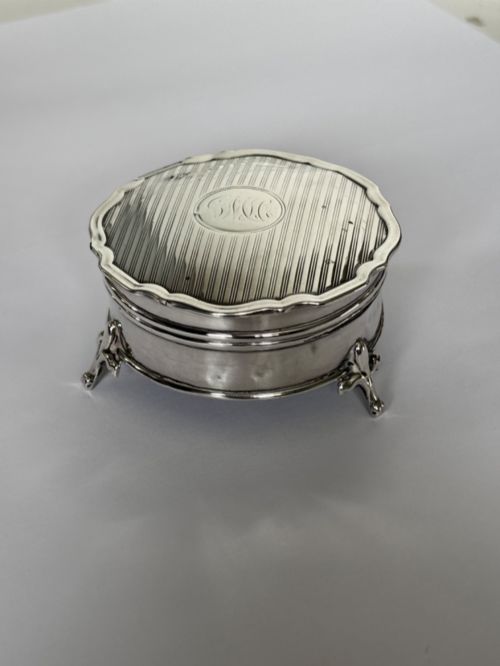
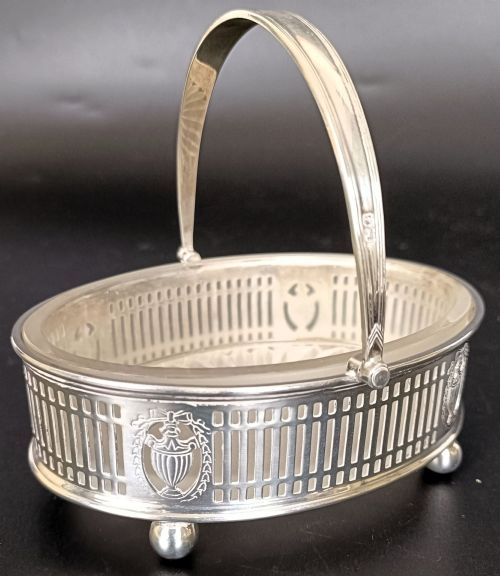

Georgian Style Silver Table
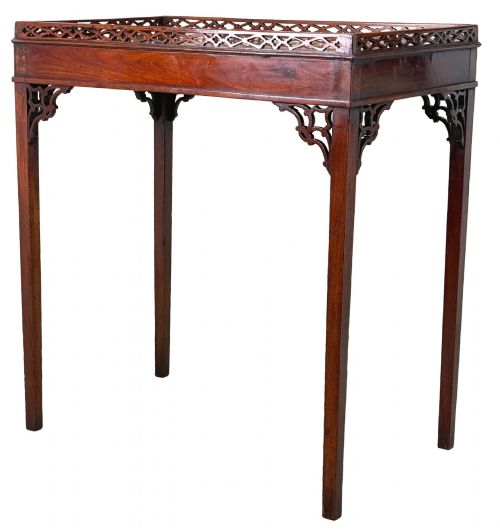
A georgian style silver table brings proportion and classical line into a room, offering a sturdy surface for display or service.
Georgian Style Silver Table
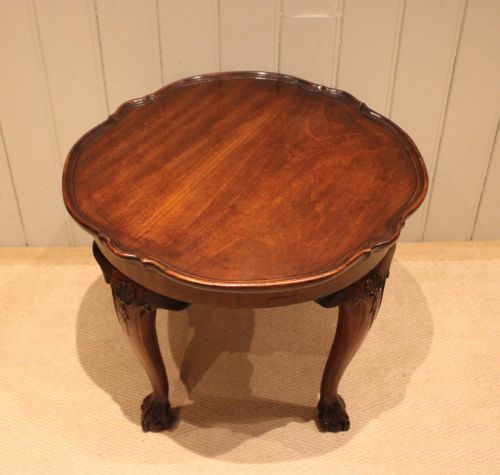
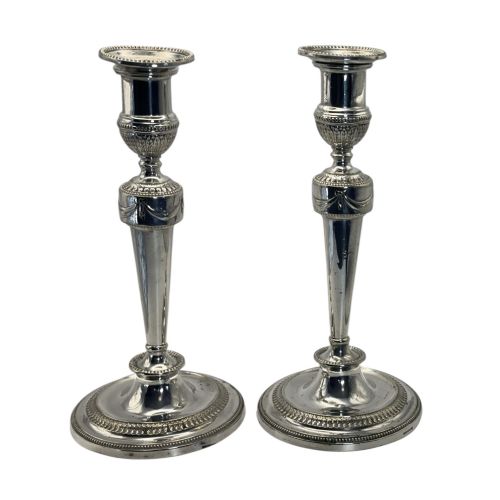
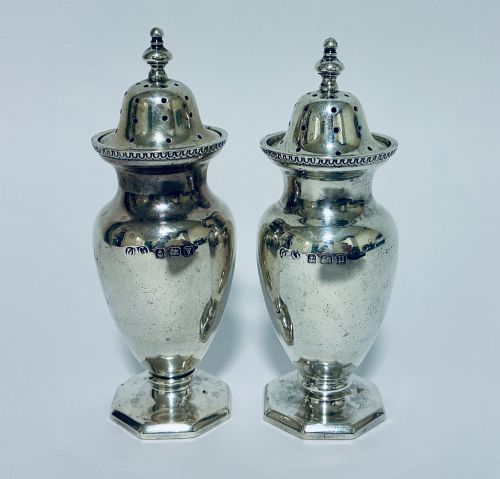
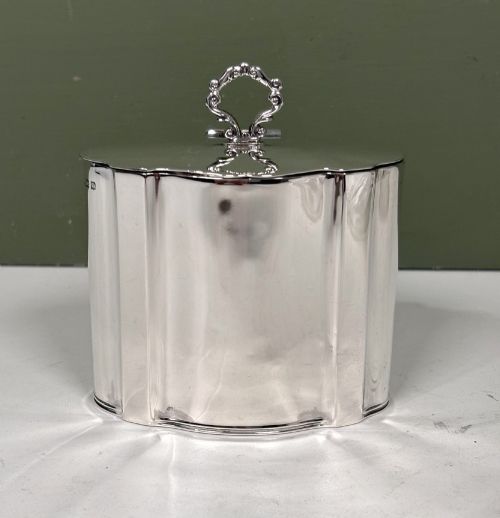
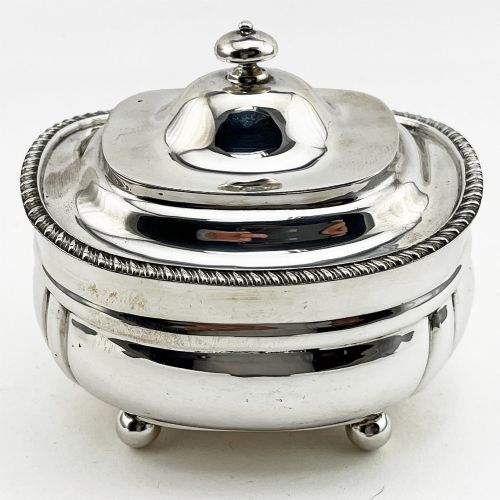
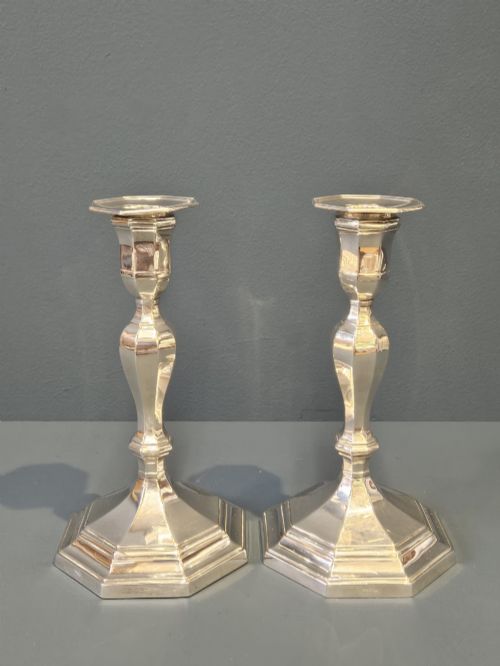
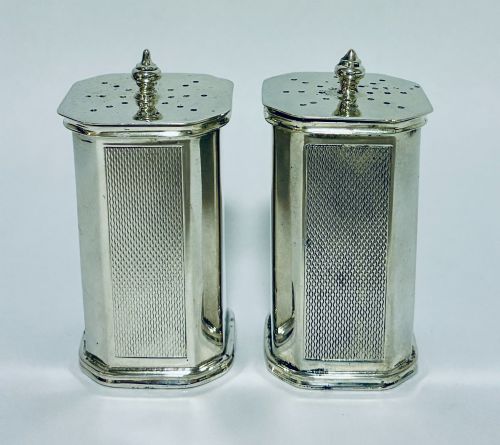
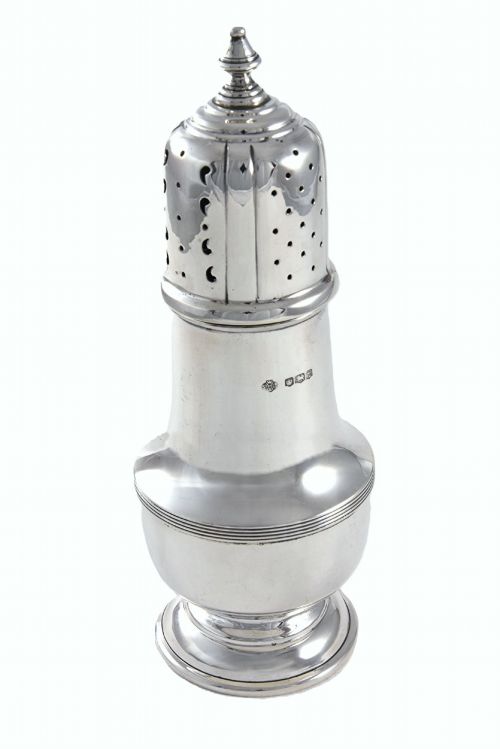
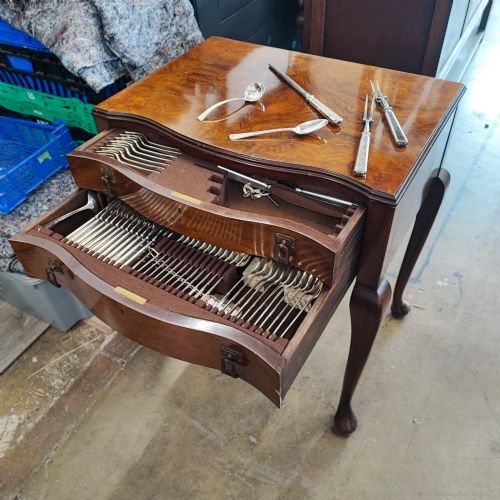
A georgian style silver table appears in forms such as side tables, display tables, and occasional tables, often grounded in mahogany or walnut alongside sterling silver and silver plate items.
The evidence shows these pieces span genuine 18th-century work as well as later revivals from the Edwardian era through to the 1930s and 1960s, reflecting enduring taste for neoclassical and Chippendale lines.
Buyers will encounter actual period examples alongside 20th-century revivals that appropriate the characteristic proportions, bracket feet, and carved details of the original Georgian period.
Materials and Construction
Makers utilised solid mahogany and burr walnut for the wooden frames and tables, combining timber construction with cast and hallmarked sterling silver or silver plate for associated vessels and fittings.
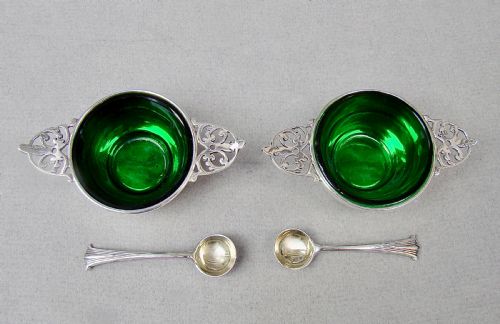
Metal components involve standard silversmithing techniques like casting, hammering, and plating, paired with traditional cabinet-making methods for wooden tables that often incorporate blue glass liners or brass hardware.
Georgian Style Silver Table Retail Price Guide 2026
Typical asking prices for georgian style silver table among the pieces listed under this phrase on Sellingantiques today, from the lower quarter to the upper quarter. They describe what is for sale here now, not the wider market.
Listings combine 18th-century originals with 20th-century revivals, utilising sterling silver, silver plate, mahogany, and brass.
Material Weight and Detail
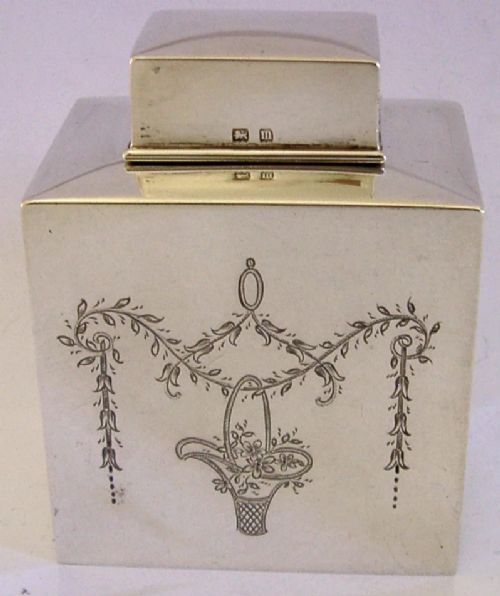
Quality rests upon the crispness of timber carving, the gauge of the silver used in plates and tea caddies, and the integrity of joints in both tables and candelabra.
Pointers to better execution include heavier gauge sterling silver, well-figured mahogany veneers, and precise neoclassical or Chippendale revival motifs rather than shallow press-work.
Mappin & Webb·Zimmermann·Josiah Williams & Co·Elkington & Co·Walker & Hall
The Georgian Style Silver Table Glossary
- Sterling silver
- A silver alloy containing 92.5 percent pure silver and 7.5 percent other metals, typically copper. This standard composition provides the durability required for domestic items like tea caddies and salt cellars.
- Silver plate
- A base metal object coated with a thin layer of silver. This technique offered a more accessible route to the appearance of solid silver during the Edwardian and later periods.
- Chippendale period
- An 18th-century style of English furniture named after cabinet-maker Thomas Chippendale. It is known for carved cabriole legs, claw-and-ball feet, and intricate fretwork.
- Neoclassical
- A style spanning the 18th and early 19th centuries that draws inspiration from classical antiquity. It favours symmetry, straight lines, and motifs like urns and swags.
- Hallmark
- An official stamp applied to precious metals in Britain to indicate standard of purity. It typically includes marks for the maker, assay office, and date.
Georgian Style Silver Table: Frequently Asked Questions
What is a silver table?
A silver table is a specialised piece of furniture designed historically to display or serve silver tea wares and ornaments. The form often incorporates raised edges or tray tops.
In modern rooms, these tables function well as side or occasional surfaces that bring classical timber and metal tones into the interior scheme.
How do I date a revival piece?
Dating a revival piece relies on examining the hallmarks on any attached silver, the tool marks on the timber, and the style of the hardware. Maker marks and assay letters provide specific decades.
Many pieces in this style date from the Edwardian period through to the 1930s, when Georgian revival furniture enjoyed significant popularity among makers.
Are silver tables sturdy?
Most wooden silver tables constructed from mahogany or walnut offer robust support for everyday use. Their original purpose demanded structural integrity to hold heavy tea services and candelabra.
Care should be taken with veneered surfaces and delicate gallery rails to prevent impact damage during normal household movement.
What is Georgian style?
Georgian style encompasses the architecture and decorative arts produced during the reigns of the first four Georges, from 1714 to 1830. It prioritises balance, classical proportion, and restrained ornamentation.
Later revivals in the 20th century recreated these distinct aesthetic markers using contemporary manufacturing methods while retaining the classic silhouette.