
19th Century Silver Table
A 19th century silver table brings functional elegance to a room, offering a surface designed originally for displaying or serving silver.
19th Century Silver Table
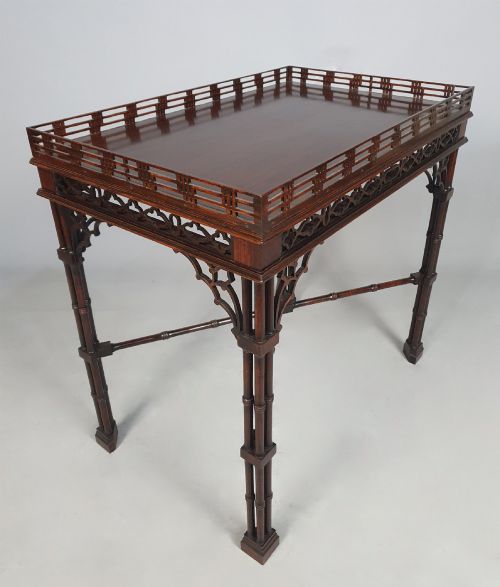
A 19th century silver table encompasses both solid or plated metal articles used for dining and display, and wooden items such as mahogany, walnut, and rosewood tables built specifically to hold silverwares. The phrase covers diverse forms spanning French, English, Dutch, and Austro-Hungarian origins.
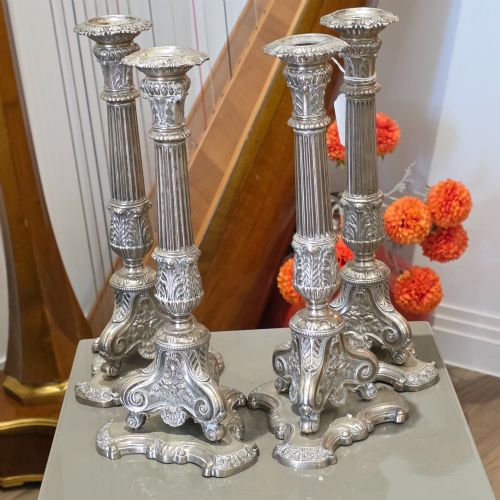
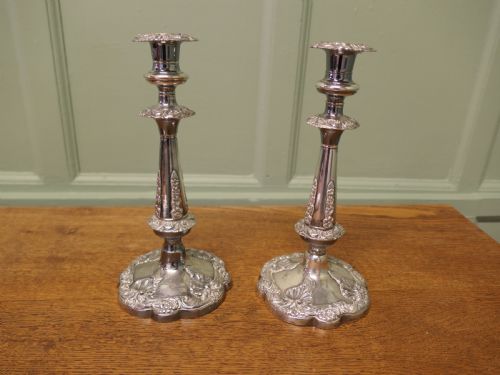
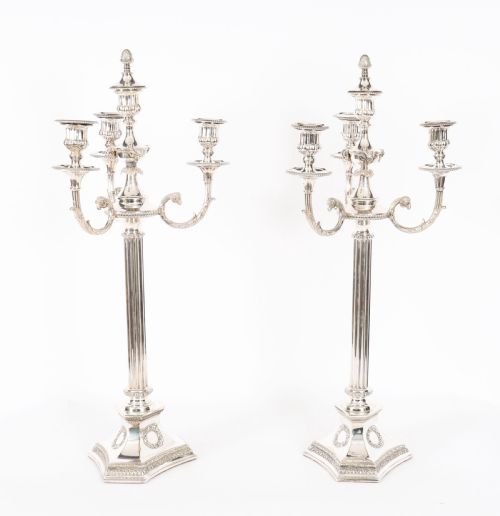
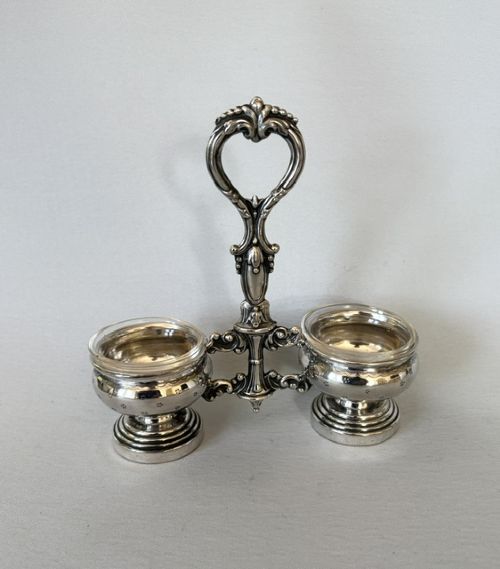
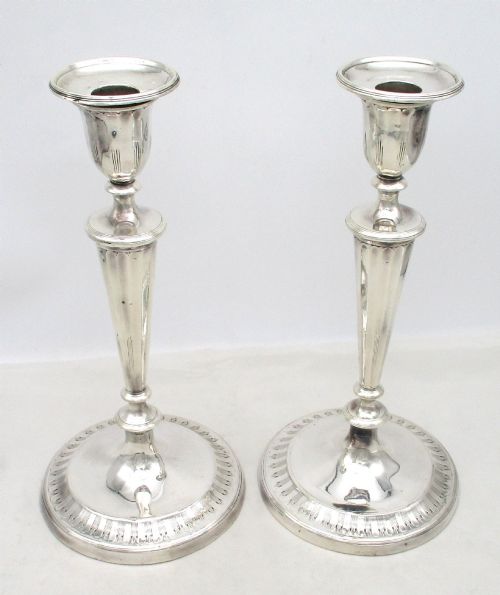
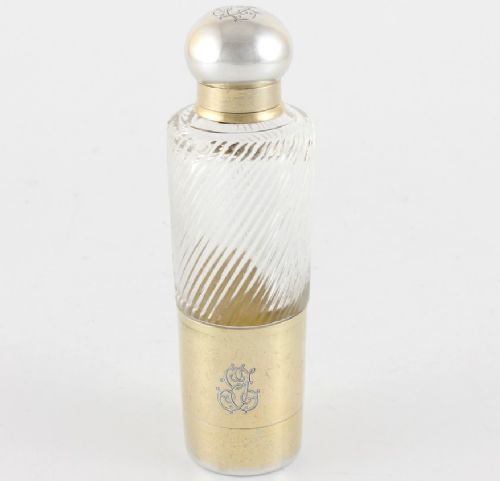
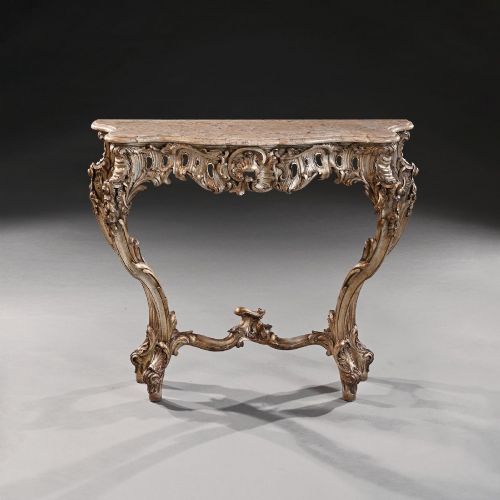
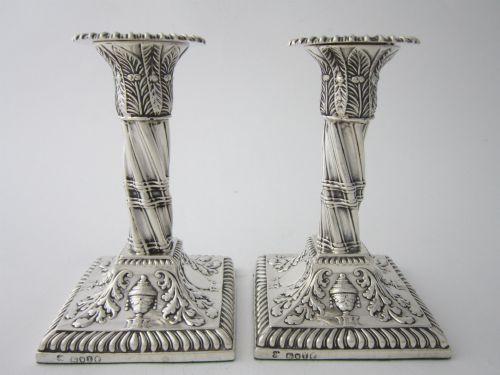
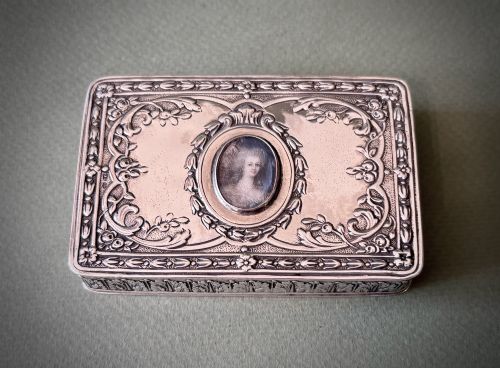
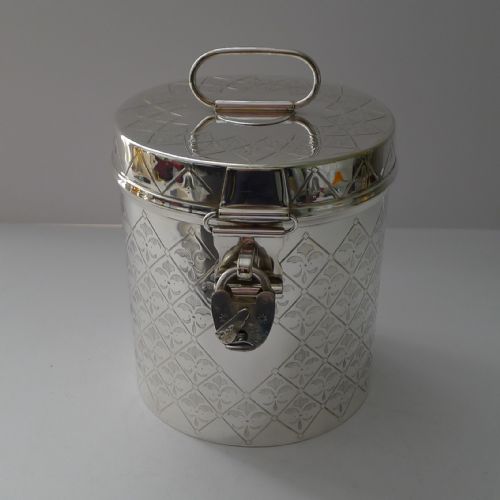
Wooden silver tables frequently feature raised rims, inlays, or tiers designed to secure tea services and display items safely. Metal forms on this page range from candelabra, fruit baskets, and condiment sets to console tables and decorative furnishings.
The Victorian era dominates the record, alongside pieces dated from the early decades of the 1800s through the turn of the twentieth century. Stylistic influences vary from Neoclassical and Regency to Rococo Revival and Gothic.
Materials and construction
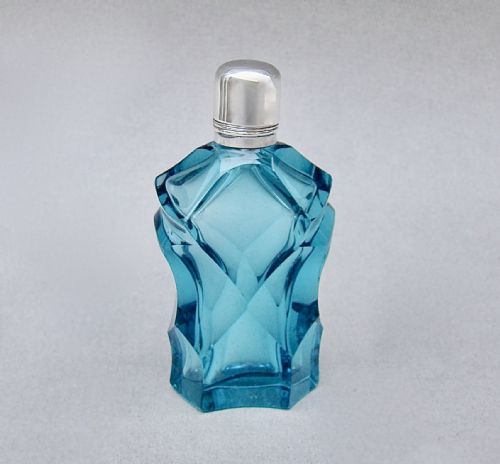
Makers utilised sterling silver, silver plate, and Old Sheffield Plate alongside brass, copper, and parcel gilt highlights. Wooden tables employ dense timbers like mahogany, padauk, and walnut, often enhanced with marquetry or rosewood inlay.
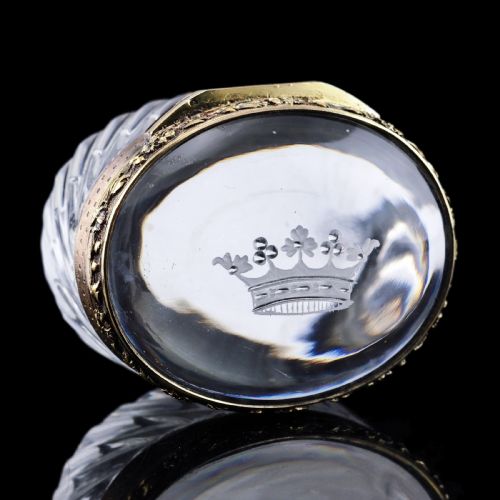
Metals were cast, chased, engraved, and silver-gilt mounted, frequently pairing with cut glass, crystal, or sliced-teal glass. Woodwork relies on traditional cabinet-making techniques including cabriole legs, carved feet, and shaped marble tops.
Markers of quality
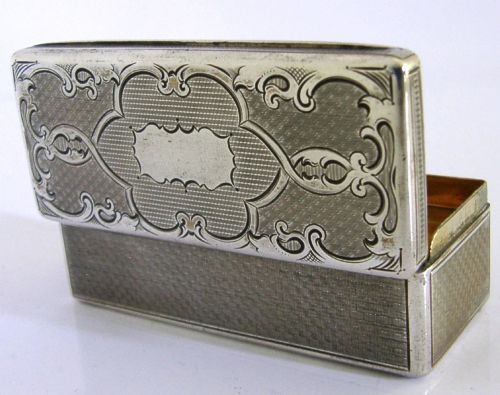
Superior items display crisp, deep chasing and hand-engraving on metal surfaces rather than shallow machine stamping. Cast elements show sharp definition in figural details, heraldic crests, and floral motifs.
In wooden furniture, quality rests in the density and figuring of the timber, tight joinery, and the retention of original period hardware. Maker marks and clear silver hallmarks provide reliable indicators of workshop origin and standard.
Conrad Eduard Mappe·Mappin & Webb·Garrard & Co·George W Scott & Sons Ltd·Padley Parkin & Staniforth·Mappin Brothers·Henry Wilkinson·George Unite·Richard Winter·Tonnel Paris·Emile Langlois
The 19th Century Silver Table Glossary
- Silver plate
- A layer of silver fused or electroplated onto a base metal such as copper or brass. This technique allowed domestic items to achieve the appearance of solid silver at a lower cost.
- Silver gilt
- Silver that has been coated with a thin layer of gold, also known as vermeil. The technique protects the underlying silver from tarnishing and adds a warm, rich tone.
- Old Sheffield plate
- An early method of fusing a thin sheet of sterling silver to a copper core by heating and rolling. Pieces made this way often reveal faint traces of copper along the edges or seams.
- Marquetry
- The art of applying decorative veneer pieces in wood to form intricate patterns or pictures. It appears frequently on the tops of refined wooden tables.
- Chasing
- A metalworking technique where designs are hammered into the front surface of the metal to push it inward and create relief patterns. Skilled chasing yields high textural clarity.
19th Century Silver Table: Frequently Asked Questions
What is a silver table used for?
A silver table serves primarily as a designated display surface for silver tea services, ornaments, and precious vessels. In dining contexts, wooden tables held tea equipment while metal table forms supported lighting and condiments.
Over time, these pieces transitioned into prominent drawing-room display furniture designed to catch the light and showcase craftsmanship.
How do I identify a Victorian piece?
Victorian pieces frequently bear specific hallmarks, registry marks, or date ciphers stamped directly into the metal components. Stylistic clues include heavy Rococo revival scrollwork, aesthetic movement lines, and naturalistic floral chasing.
Wooden examples from this period often combine dense mahogany or walnut with elaborate carving, differentiating them from simpler Georgian precursors.
What is the difference between sterling and plate?
Sterling silver consists of solid metal conforming to a strict purity standard, usually marked with a lion passant in British items. Silver plate involves a thin veneer of silver applied over a base metal foundation.
Solid pieces carry weight and intrinsic metal value, whereas plated items offer the visual appeal of silver without the same precious metal content.
How should I clean silver table items?
Maintenance requires gentle cleaning with a non-abrasive silver cloth or specialised cream designed to preserve the patina. Harsh dips strip the antique finish and should be avoided.
Wooden elements require standard furniture wax applied sparingly to protect the timber and any underlying veneer or marquetry.