
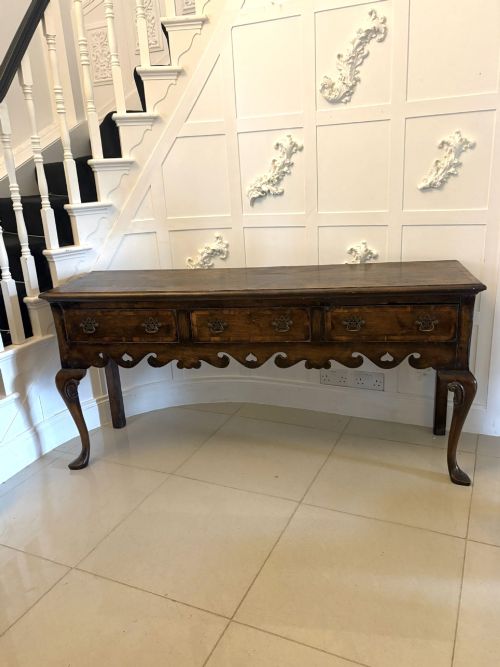
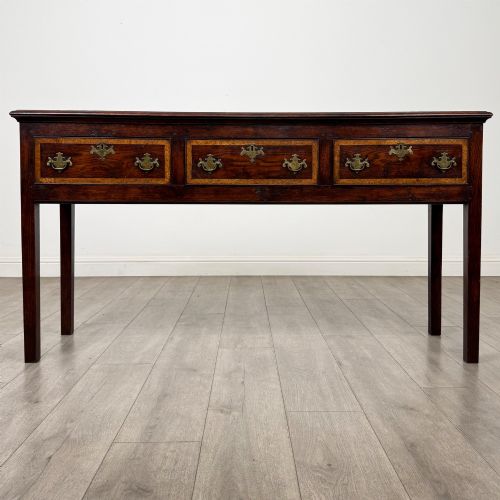
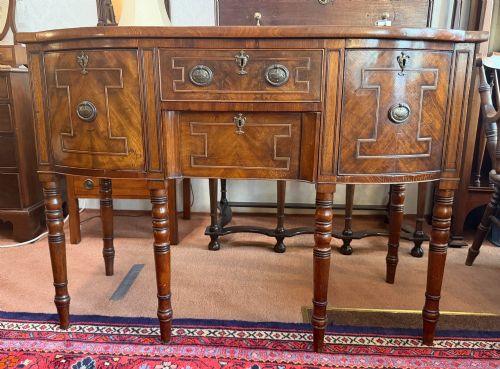
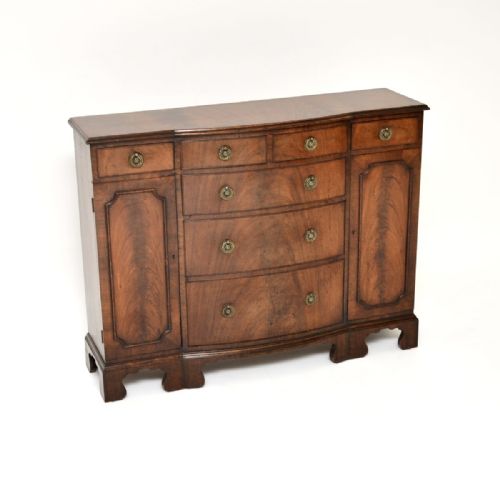
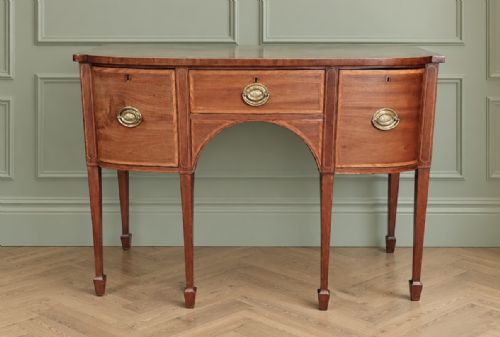
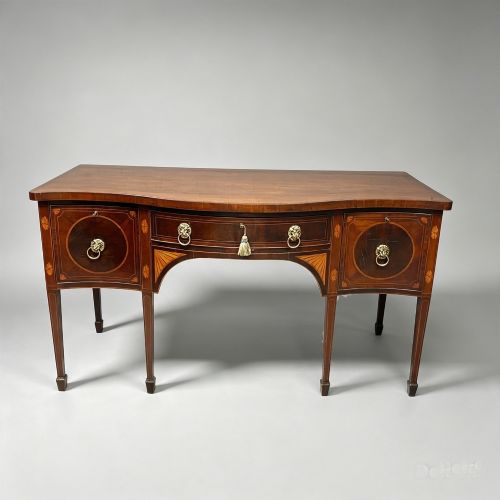
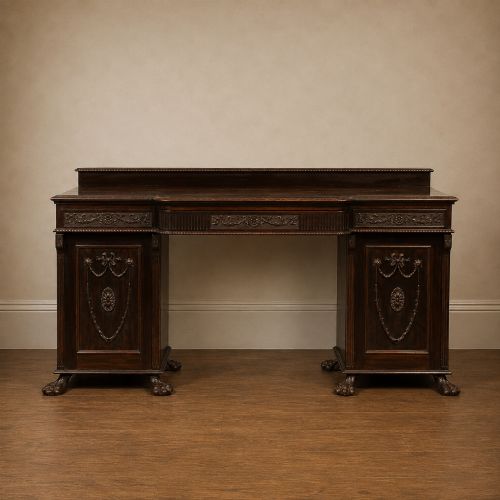
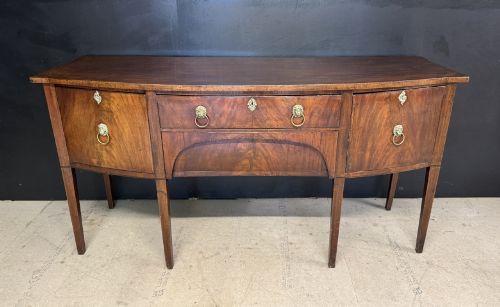
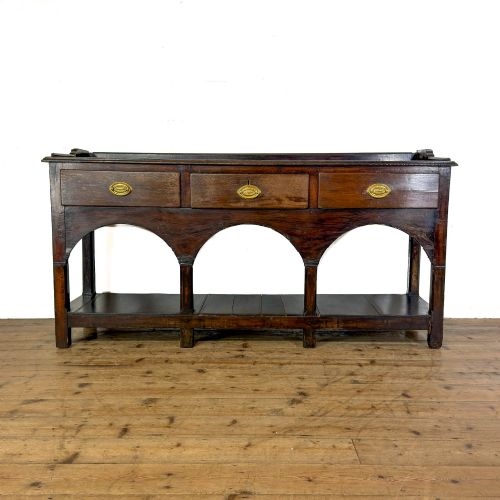
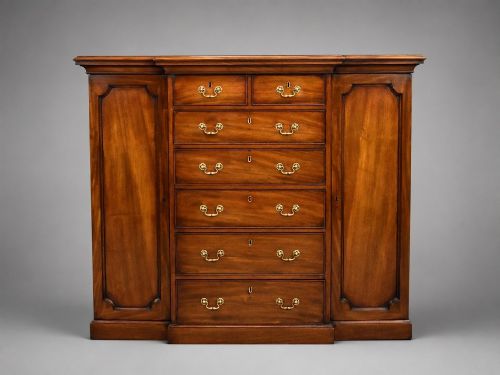
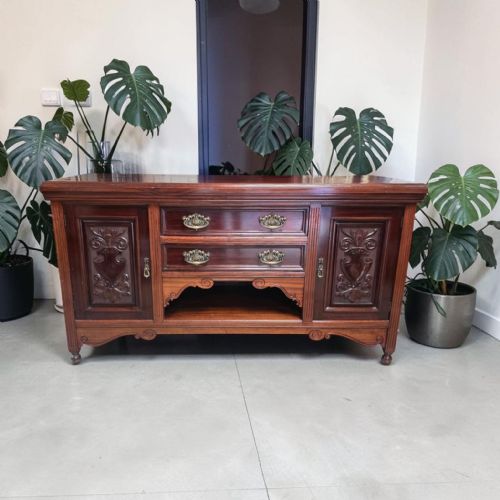
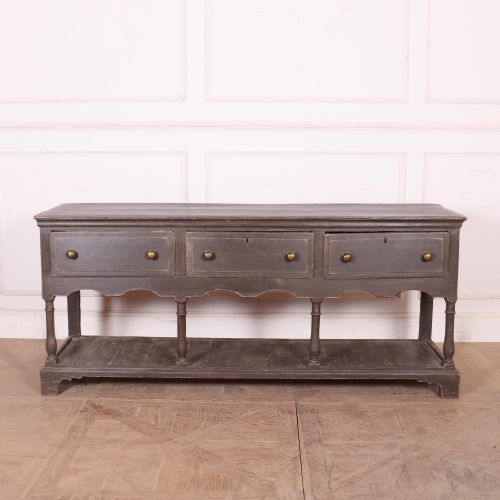
Georgian Style Sideboard Table
These pieces for a georgian style sideboard table combine formal dining utility with enduring timber craftsmanship.
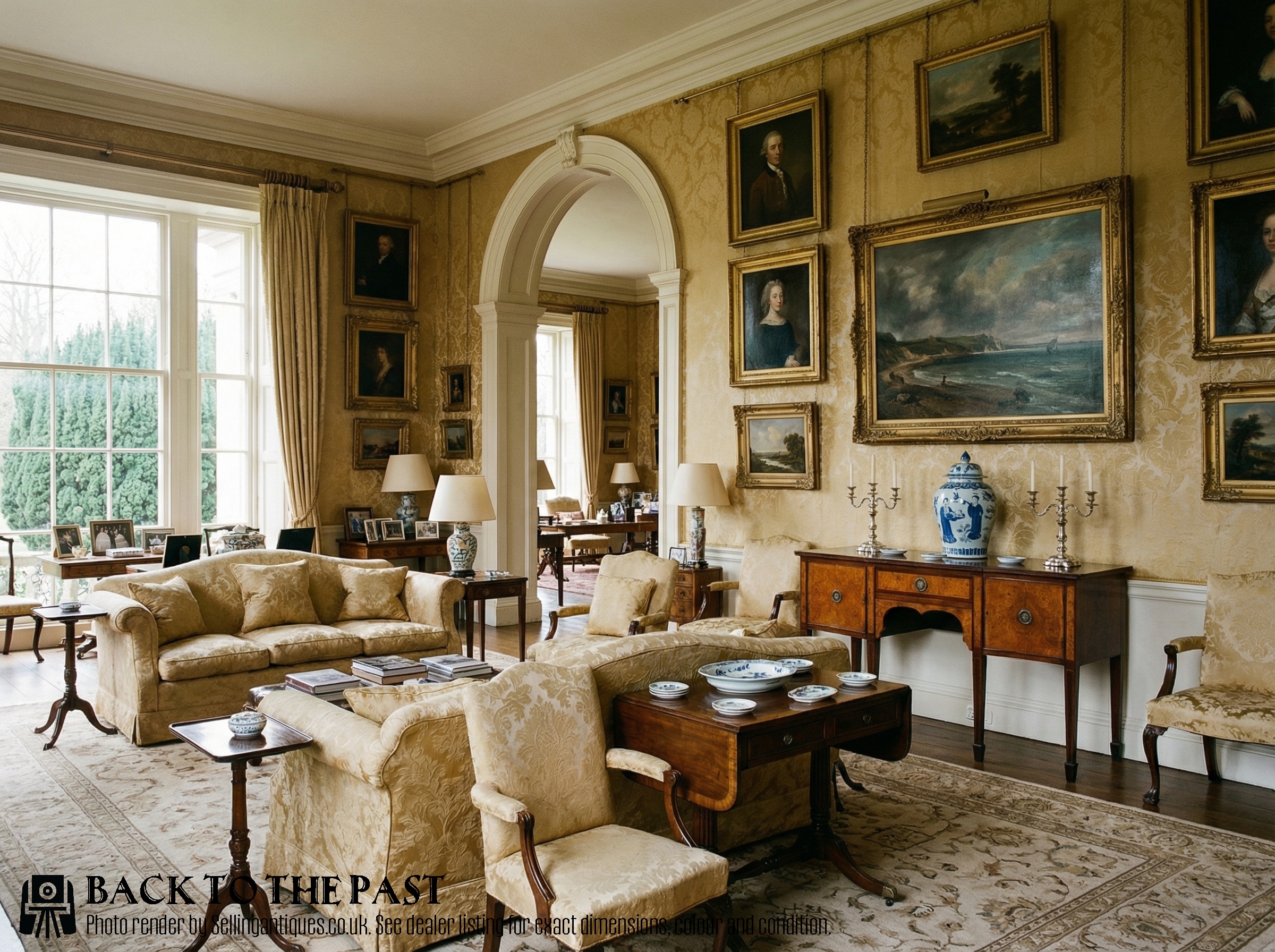
Georgian Style Sideboard Table
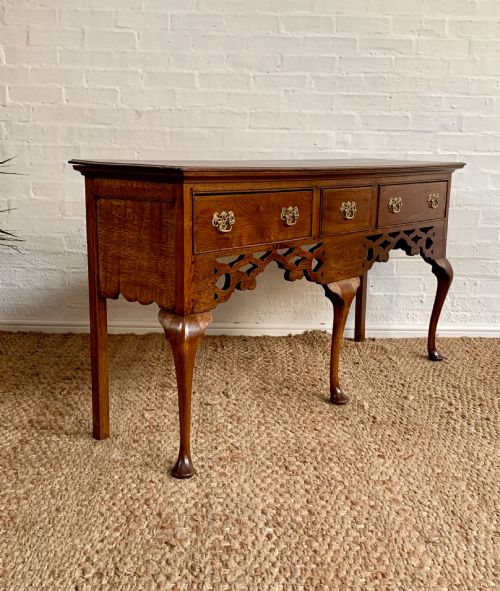
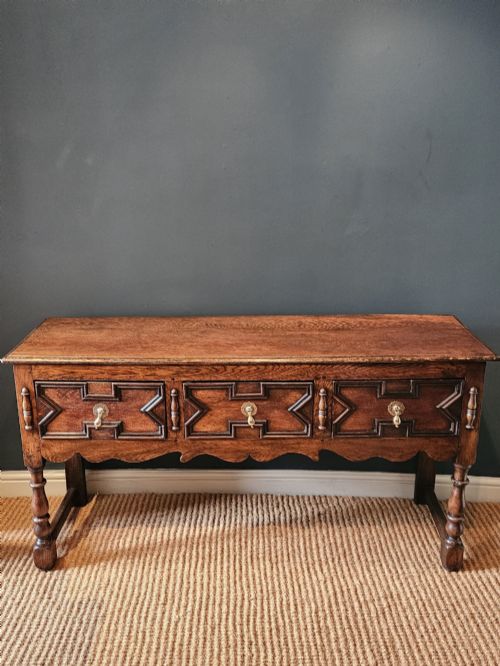
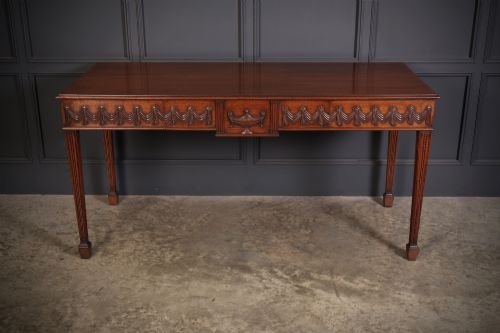
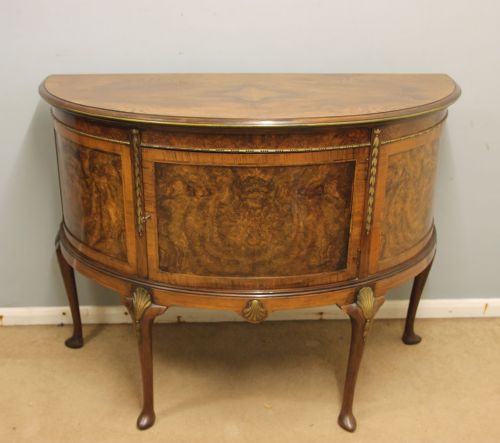
A georgian style sideboard table encompasses formal dining room furniture designed for serving and storage, drawing on eighteenth-century proportions. Buyers examine forms including breakfronts, bow-fronts, serpentine shapes, and long serving tables alongside oak dresser bases.
The version most commonly met on this page is the mahogany or oak sideboard dating from later revivals or the nineteenth century, reflecting classic aesthetic ideals. These items serve as functional focal points in dining spaces, offering surface area and drawers.
Originating primarily from English workshops, these items span periods from the eighteenth century through Edwardian and later revival eras. Each piece utilises traditional timber construction suited to both period interiors and modern rooms.
Judging quality in design and execution
The upper tier of these pieces distinguishes itself through superior timber selection, precise cabinetmaking, and well-proportioned silhouettes that respect historical precedents. Hand-cut joinery and balanced grain matching separate exceptional items from simpler commercial output.
Execution of decorative elements, from fine string inlay to structural mouldings and original brass fixtures, indicates the level of care invested by the maker. Subtleties in contouring, particularly along serpentine and bow-front edges, reveal the maker's skill.
Potboards were originally built low to the floor so the household dog could sleep out of the draught.
The Georgian Style Sideboard Table Glossary
- Serpentine
- A front profile characterised by a gentle convex centre flanked by concave curves, creating a fluid line. This shape demands high skill from the cabinetmaker.
- Breakfront
- A cabinet design where the central section projects forward from the flanking wings. It adds architectural depth to large dining furniture.
- Dresser base
- A low wooden storage unit featuring drawers and sometimes a lower potboard shelf, traditionally used in English country houses for food preparation and serving.
- Potboard
- An open slatted lower shelf fitted beneath a dresser base or serving table. It provided practical storage for heavy kitchen pottery and dishes.
- Demi-lune
- A half-moon shape used for console tables and servers, designed to sit flat against a wall while saving floor space.
- Inlay
- A decorative technique where contrasting woods like boxwood or satinwood are fitted into the primary timber surface to form patterns.
Georgian Style Sideboard Table: Frequently Asked Questions
What is a georgian style sideboard table used for?
These tables provide surface area for serving food and beverages during dining, alongside drawer space for cutlery and linens.
Historically placed against dining room walls, they function today both as practical servers and as architectural focal points in living spaces.
How do I distinguish an eighteenth-century piece from a revival?
Examination of timber ageing, construction methods, and secondary woods inside the drawers provides clues to the actual period of manufacture.
Revival pieces made around nineteen hundred often display machine-finished elements and different secondary timbers compared to eighteenth-century originals.
What woods were used for these tables?
Mahogany and oak form the primary structural material for the vast majority of these items, selected for strength and rich grain character.
Cabinetmakers also incorporated satinwood, boxwood, and walnut for decorative banding, inlay work, and contrasting top surfaces.
How should I care for a wooden sideboard?
Maintain the timber by keeping the surface clean with a soft dry cloth and avoiding placement near direct heat sources or strong sunlight.
Occasional application of appropriate wax polish preserves the finish and protects the historic timber from drying out over time.