
Georgian Style Carved Mirror
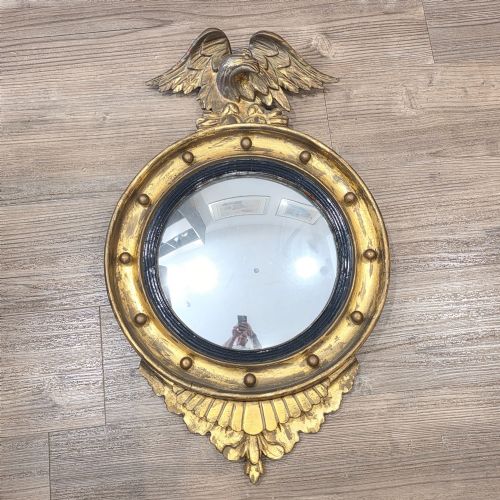
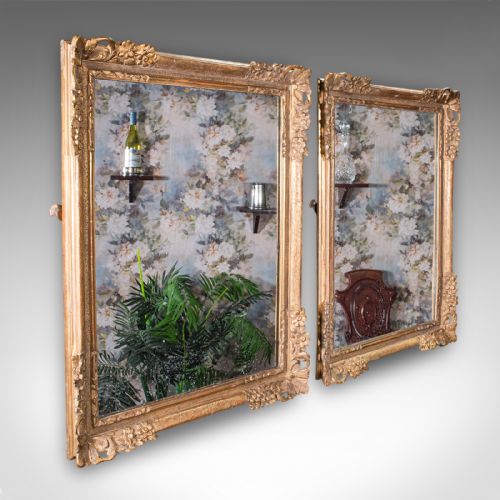
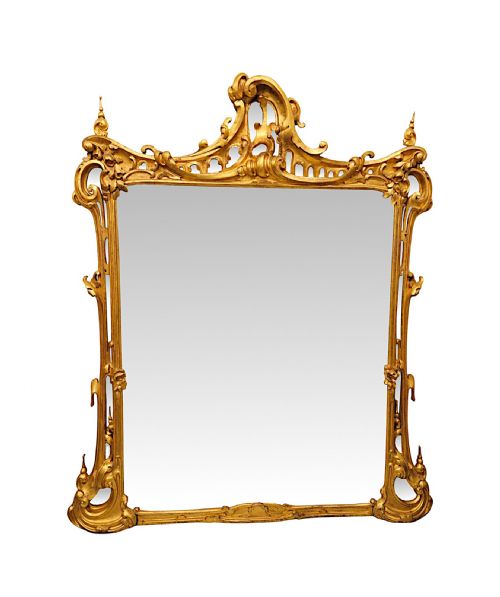
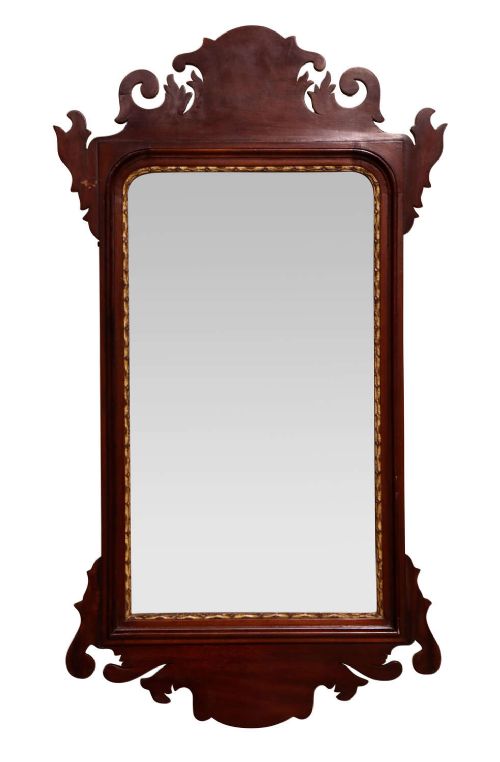
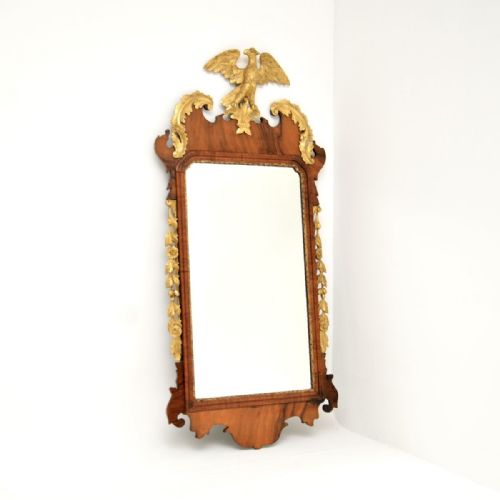
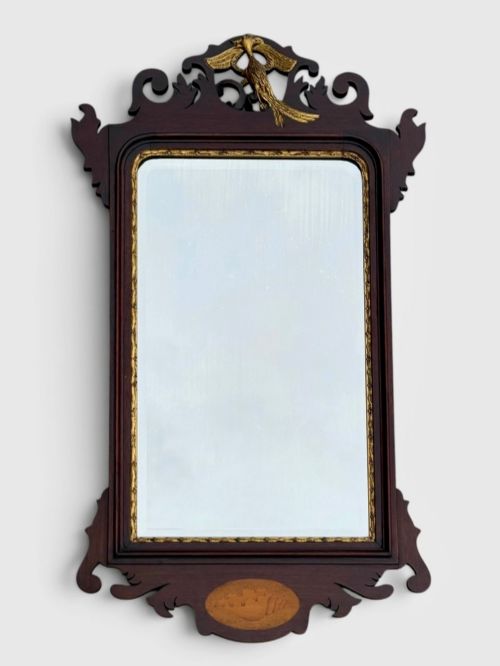
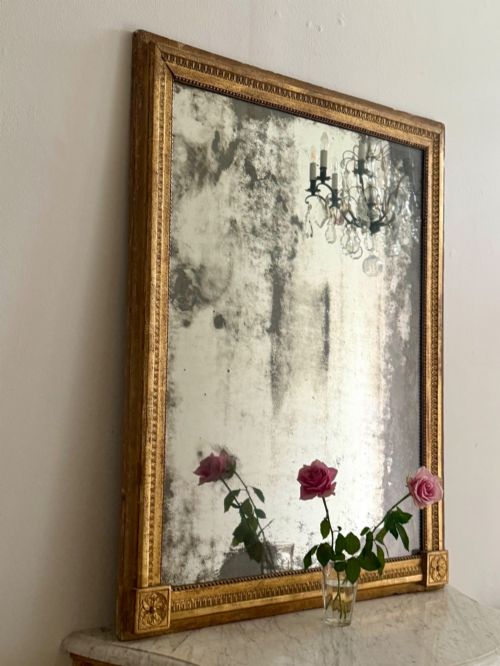
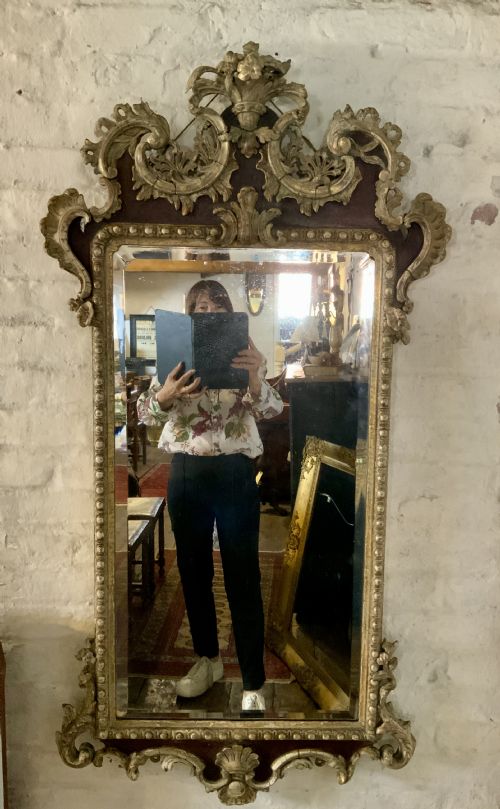
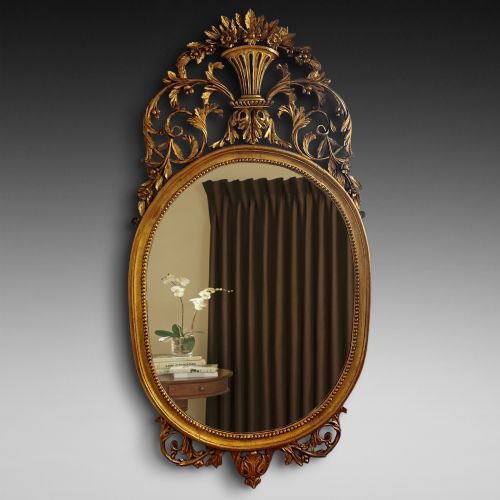
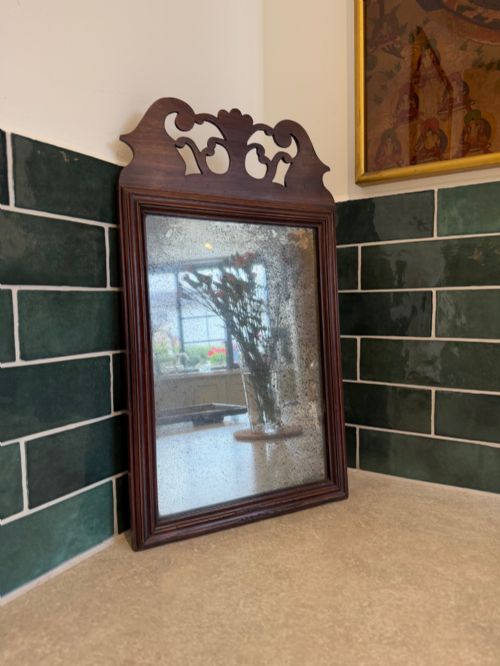
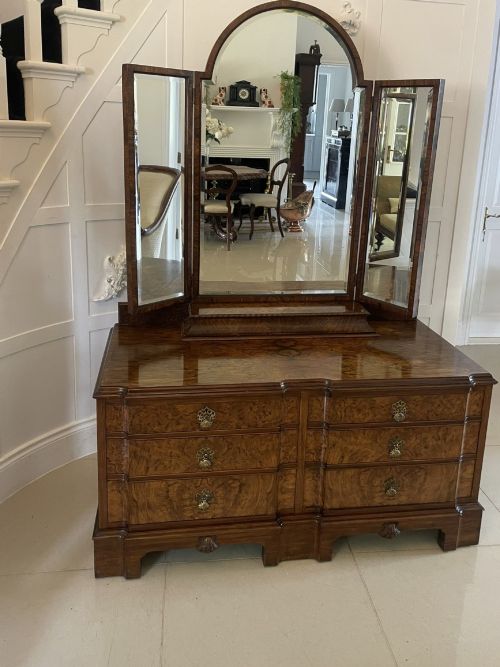
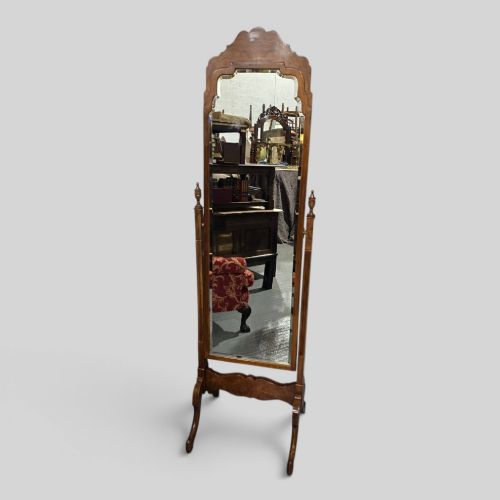
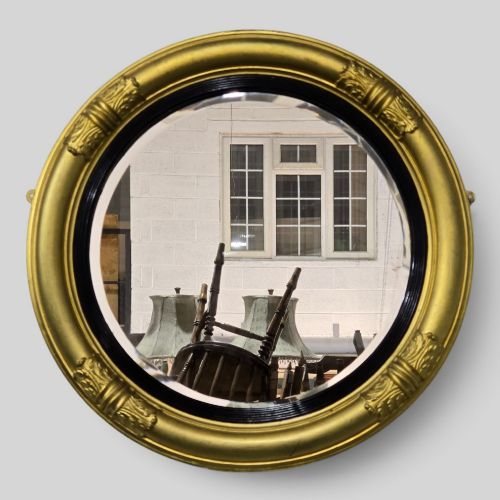
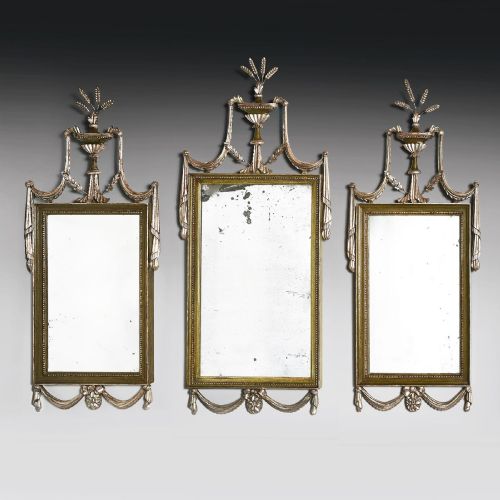
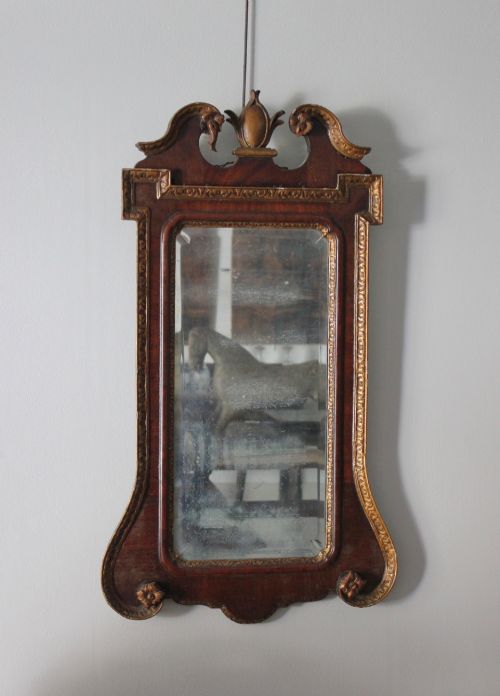
These pieces are a georgian style carved mirror, bringing classical proportion and timber or gilt frames to a room.
Georgian Style Carved Mirror
A georgian style carved mirror takes many shapes across wall, overmantel and pier formats, reflecting the decorative vocabulary of the eighteenth century. Buyers seek these pieces for their architectural presence and detailed timber or gilded frames.
The selection ranges from genuine eighteenth-century examples to later revivals from the nineteenth and early twentieth centuries. Mahogany and walnut timber frames sit alongside heavily gilded gesso work.
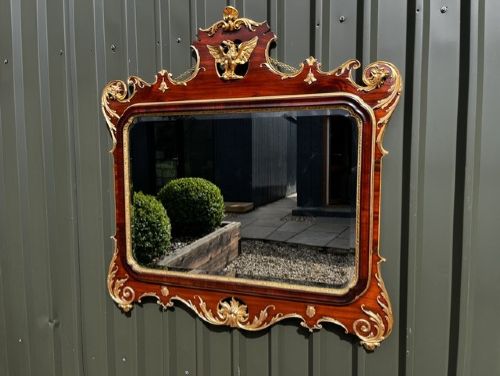
Wall mirrors and larger overmantel pieces dominate the forms, frequently incorporating fretwork, parcel-gilt detailing, or carved motifs such as birds and eagles.
Materials and construction
Frames rely on dense hardwoods like mahogany and walnut, chosen for their ability to hold crisp carved fretwork and parcel-gilt highlights. Giltwood surfaces combine carved wood or composition applied to a gesso ground, finished with gold leaf.
Mirror glass varies from early mercury plates showing foxing to later silvered glass. Joinery methods include pegged mortise and tenon frames alongside delicate fret-cut scrollwork panels.
Listings feature periods spanning the 18th century, Regency, Victorian era, and 1920s revival pieces.
Assessing craftsmanship
Quality rests in the depth and sharpness of the carving, particularly on foliage, scrolling ears, and crests such as spread eagles or ho-ho birds. Superior frames show hand-chiselled detailing rather than uniform moulded composition.
The retention of original gilding and silvered mirror plates elevates a piece. Subtle proportions and balanced fretwork separate ambitious cabinet work from simpler decorative reproductions.
Gillows Of Lancaster·William Kent·John Belchier
The Georgian Style Carved Mirror Glossary
- Giltwood
- Wood carved and coated in gold leaf or metallic powder over a prepared gesso ground. This finish catches candlelight and natural illumination in a room.
- Parcel-gilt
- Partially gilded woodwork where selected carved details receive gold leaf while the underlying timber grain remains exposed. It highlights specific architectural elements of the frame.
- Fretwork
- Openwork patterns cut from thin boards using a fretsaw, commonly seen on eighteenth-century mahogany frames. This technique creates geometric or scrolling silhouettes.
- Overmantel mirror
- A wide horizontal mirror designed to hang above a fireplace mantelpiece. These pieces often repeat the architectural lines of the chimney breast.
- Pier mirror
- A tall vertical mirror built to hang on the wall space between windows. They maximise light reflection in period interiors.
Georgian Style Carved Mirror: Frequently Asked Questions
How do I hang a heavy carved mirror safely?
Heavy giltwood and mahogany frames require sturdy wall anchors fixed directly into structural studs or masonry rather than plaster alone. Use professional mirror brackets rated for the specific weight of the timber and glass.
Ensure the hanging wire or integrated D-rings are robust and securely fastened to the heavy frame timber before mounting the piece at eye level.
How do I clean antique mirror glass?
Clean mirror glass gently using a soft microfibre cloth slightly dampened with distilled water or a mild, ammonia-free glass cleaner. Avoid spraying liquid directly onto the glass to prevent moisture seeping behind the plate.
Keep moisture away from the antique wooden or gilded frame entirely, as water can lift fragile gesso and gold leaf from the wood base.
Are these mirrors suitable for bathrooms?
High humidity and fluctuating temperatures in bathrooms can damage fragile gesso, crack old gilt surfaces, and accelerate the deterioration of vintage mirror silvering. Steam causes moisture to penetrate behind the glass plate.
Display these pieces in dry reception rooms, hallways, or above living room mantelpieces where environmental conditions remain stable.
How do I tell an original Georgian mirror from a revival piece?
Original eighteenth-century mirrors often show hand-beveled glass, foxing, shrinkage cracks in the timber, and old hand-cut screws or fixings behind the frame. Revival pieces from the nineteenth and twentieth centuries typically feature machine-made components and modern backing boards.
Examine the construction joints and the wear patterns on the giltwood to understand the true age of the craftsmanship.