

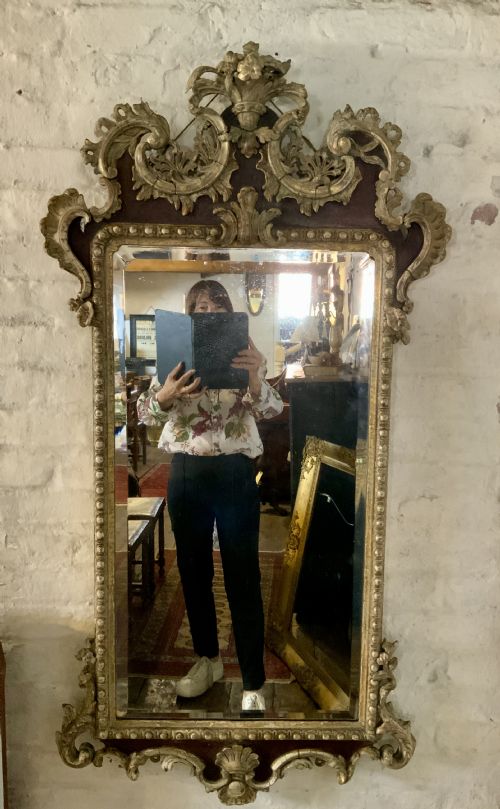
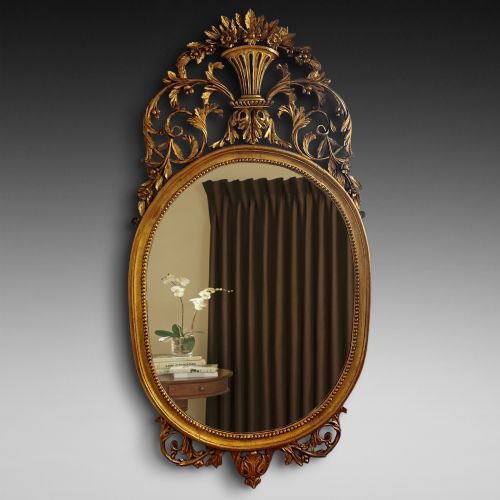
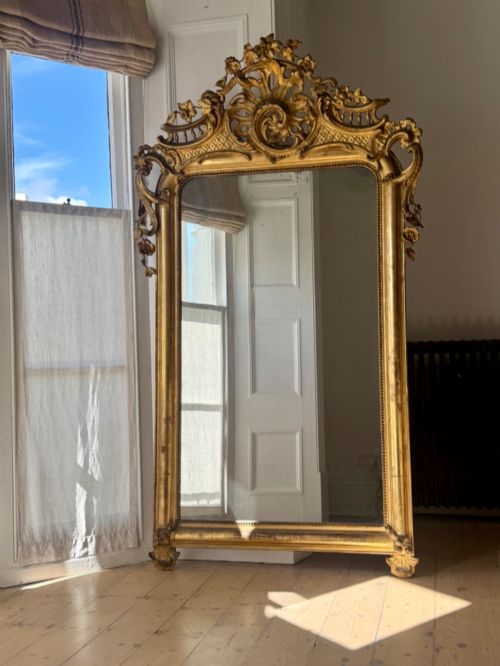
Gold Carved Pier Mirror
A gold carved pier mirror brings immense vertical presence and reflected light to a room, historically designed to hang on the narrow wall between two windows.
Gold Carved Pier Mirror
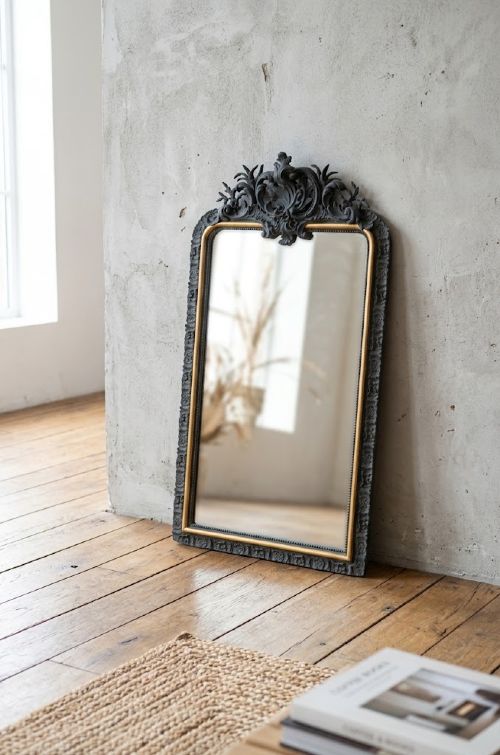
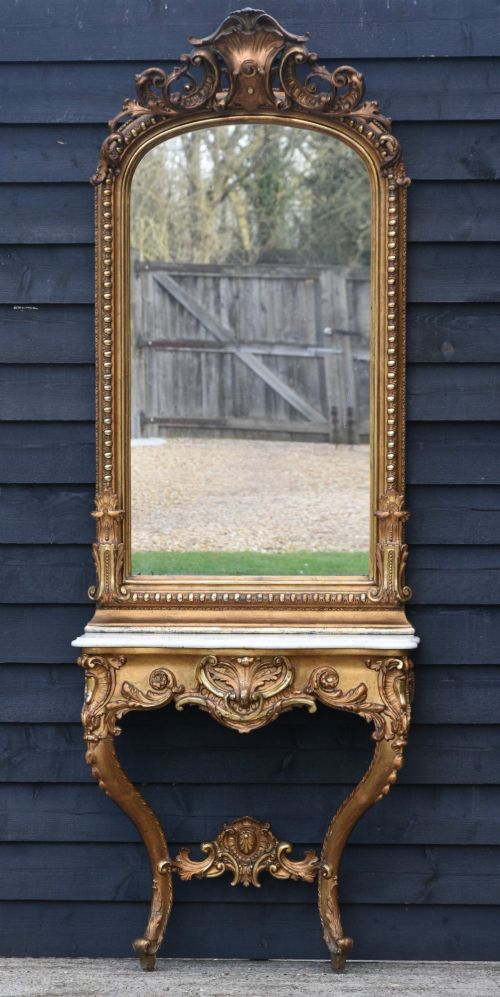
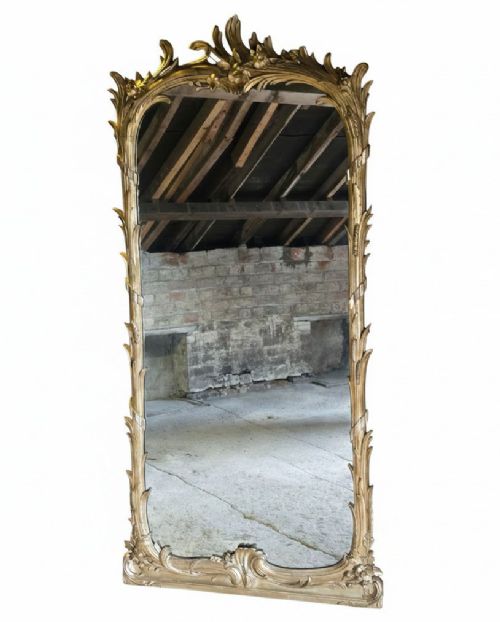
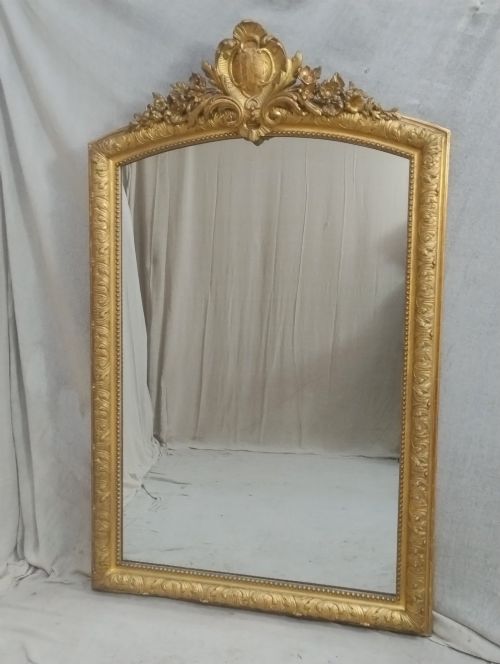
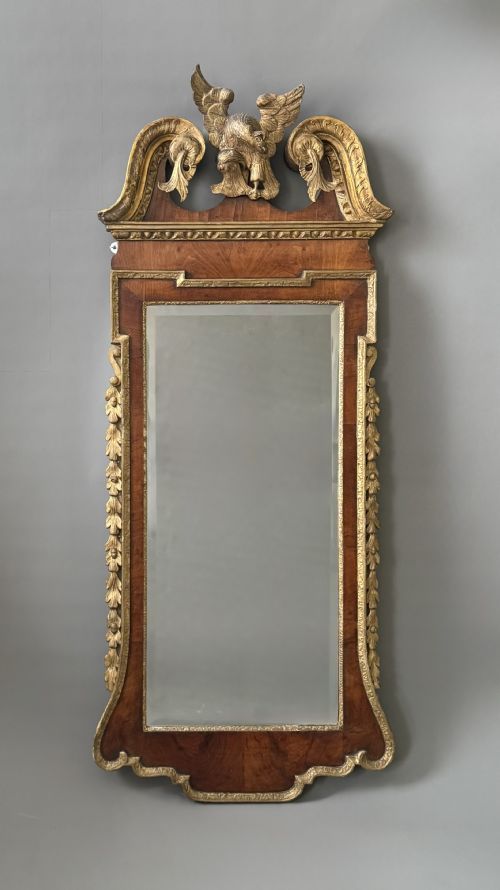
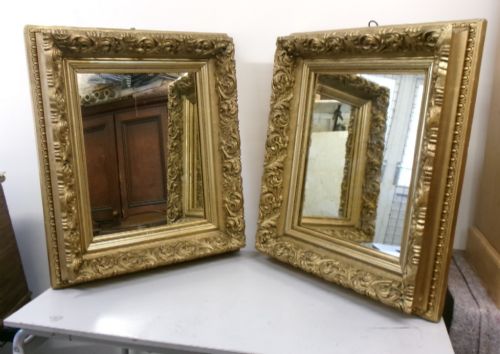
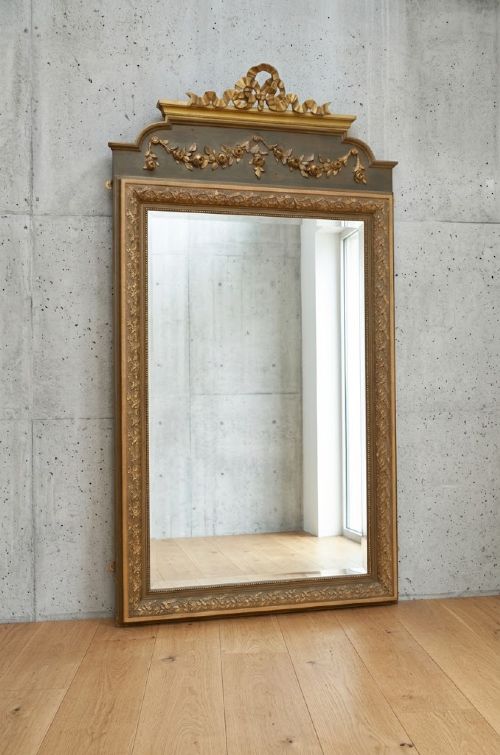
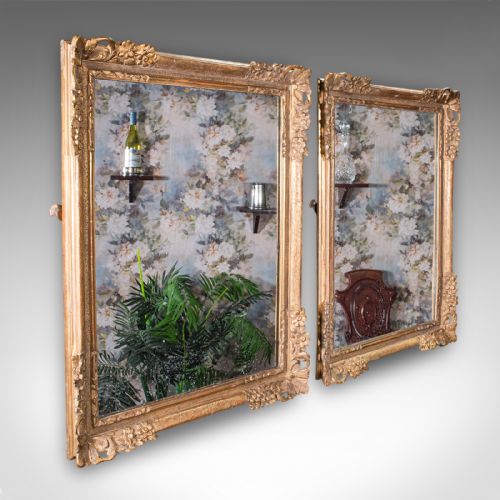
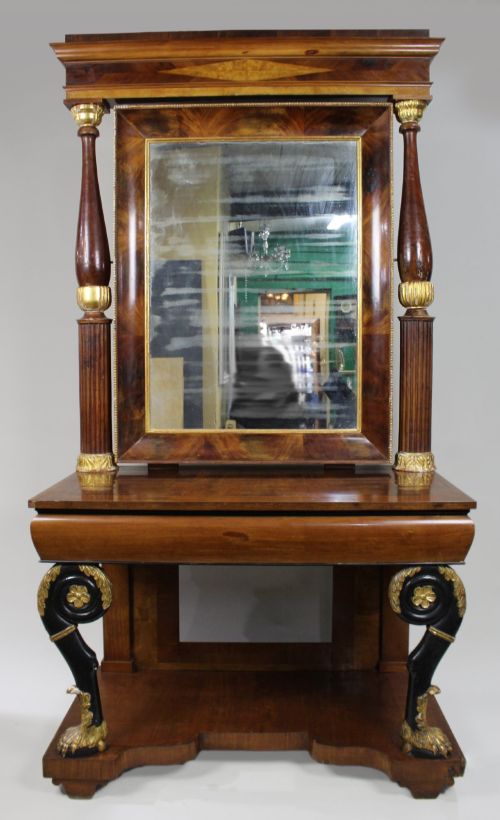
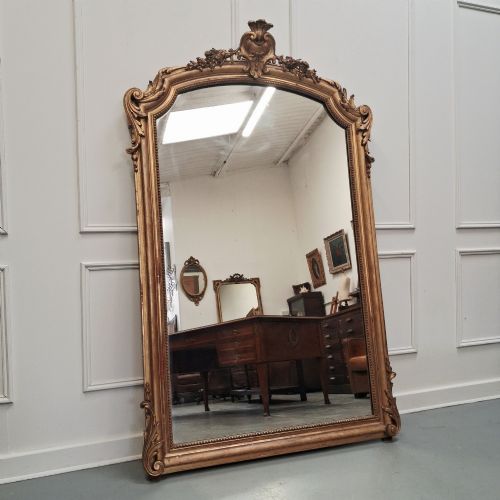
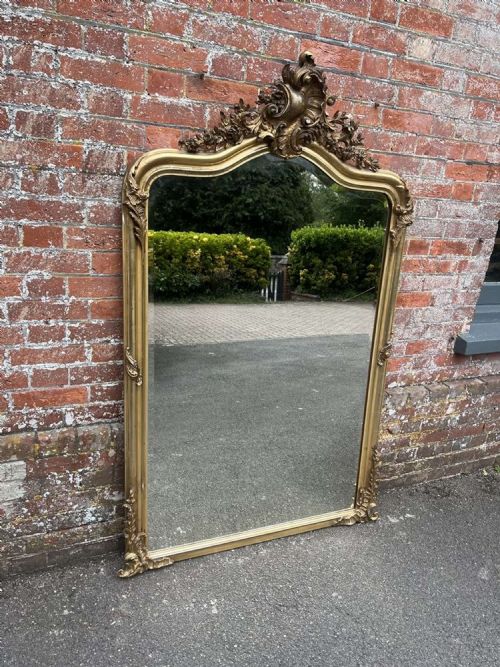
A gold carved pier mirror is a tall wall-hanging looking-glass, frequently accompanied by a matching console table placed underneath between windows or above a fireplace. The examples you encounter span the eighteenth and nineteenth centuries, taking forms from French Chateau and Rococo Revival to Regency and Georgian periods.
Makers fashioned these substantial statement pieces from wood, walnut, or painted timber, finished with gesso and gold leaf to catch the natural light of a grand salon. Many retain their original plate glass, showing distinct signs of age such as foxing or mercury backing.
How They Were Made
Carvers shaped solid wood foundations before applying layers of gesso, a plaster mixture that provided a smooth, receptive base for intricate surface relief work. Artisans then laid delicate sheets of gold leaf over the prepared gesso, burnishing sections to achieve a brilliant metallic sheen.
The mirror plates themselves were historically produced by hand, resulting in subtle distortions and characteristic silvering degradation over centuries of exposure.
Listings feature pieces spanning the 18th Century through to 1900, incorporating materials such as gesso, walnut, and giltwood.
What Varies in Quality
The depth and precision of the wood carving dictate the visual impact, where crisp, undercut foliage and scrolls separate superior works from softer, shallower mouldings. The integrity of the original gilding and the survival of the early mirror plate significantly influence the character of the piece.
Proportions also govern success, with finer examples maintaining a harmonious balance between the height of the frame and the scale of its decorative crest.
The Gold Carved Pier Mirror Glossary
- Gesso
- A plaster-based ground mixture applied to wood frames to create a smooth surface for subsequent gilding. This material allows artisans to carve intricate relief details before applying gold leaf.
- Giltwood
- Timber that has been coated with a thin layer of gold leaf or powder. It forms the primary decorative finish for formal mirrors across the eighteenth and nineteenth centuries.
- Pier glass
- A large mirror designed specifically to hang on the narrow pier of wall between two windows. It frequently matches the height of the surrounding architecture to maximise light reflection.
- Mercury glass
- Mirror plate manufactured using a tin-mercury amalgam poured behind the glass before the mid-nineteenth century. This technique produces a characteristic mottled appearance and soft reflectivity.
- Parcel gilt
- Woodwork that is partially gilded, leaving areas of exposed dark timber such as walnut or mahogany visible beneath. This contrast highlights specific carved architectural details.
- Trumeau
- A decorative wall panel containing a painted scene or mirror, popular in French interiors. The mirror section typically sits below artwork within a unified wood frame.
Gold Carved Pier Mirror: Frequently Asked Questions
Where should I hang a pier mirror?
Historically, these tall mirrors hung on the narrow strip of wall between two windows to bounce natural light deep into the room. Today, they work effectively in hallways, above mantelpieces, or anchored over console tables to create a sense of height.
Ensure the wall construction can support the considerable weight of a solid timber and gesso frame, using heavy-duty fixings suited to period architecture.
How do I identify a Georgian mirror?
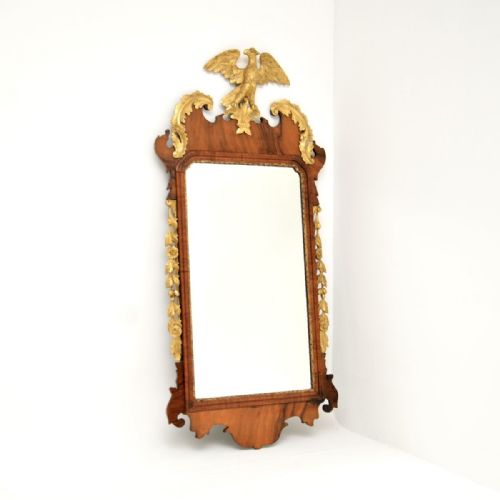
Georgian pieces often feature mahogany or walnut frames with parcel gilt accents, reflecting the understated elegance of the eighteenth century. Look for architectural pediments, parcel-gilt scrolls, and hand-carved fretwork patterns.
Construction details on the reverse, such as hand-cut timbers and early fixings, help confirm the period alongside the style of the carving.
What is foxed glass?
Foxed glass refers to the speckled, dark spots and degradation that develop in the reflective backing of antique mirrors over many decades. This chemical ageing process causes the silvering to break down gracefully, creating a mottled surface.
Collectors prize authentic foxing because it proves the mirror plate is original to the period rather than a modern replacement.
Are French and English styles different?
French mirrors from periods like Rococo Revival or Empire tend to display exuberant, organic curves, ribbon crests, and heavy gilding designed for dramatic reception rooms. English equivalents from the Georgian or Regency eras often favour structured mahogany, architectural symmetry, and restrained parcel-gilt detailing.
Both traditions utilised skilled hand-carving, but the aesthetic priorities reflect the interior fashions of their respective countries.