
Georgian Sterling Silver Tableware
Georgian sterling silver tableware brings substantive weight and bright metal to the dining table, offering functional serving pieces shaped across the eighteenth and nineteenth centuries.
Georgian Sterling Silver Tableware
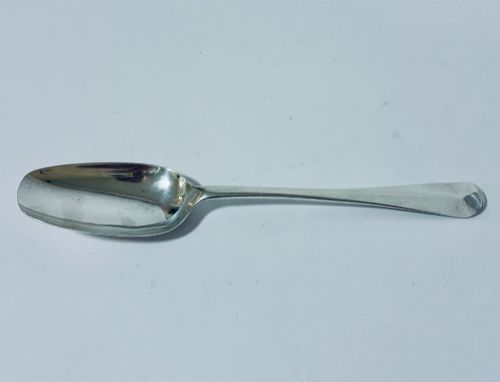
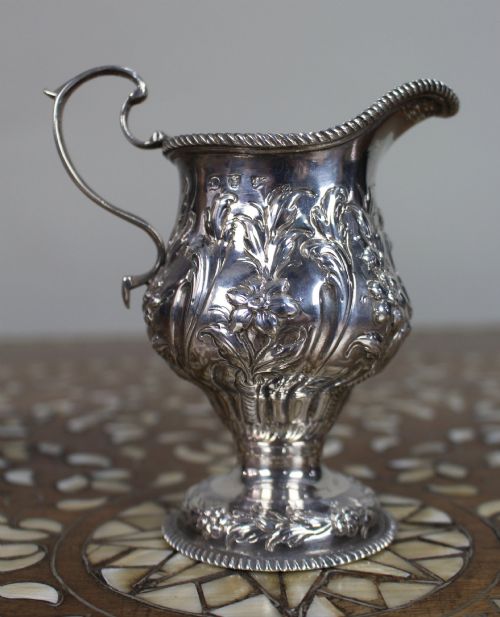
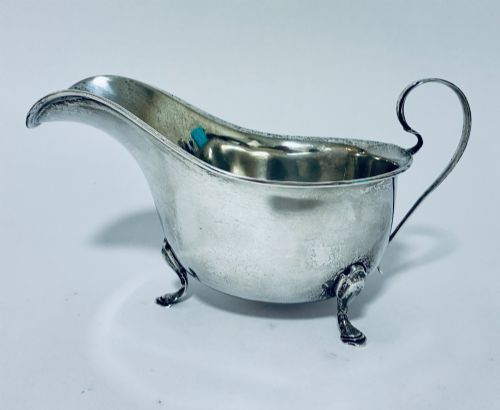
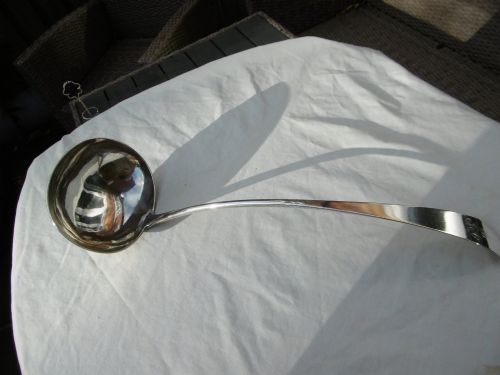
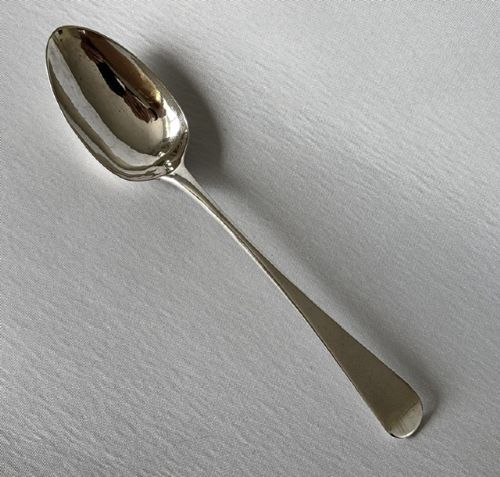
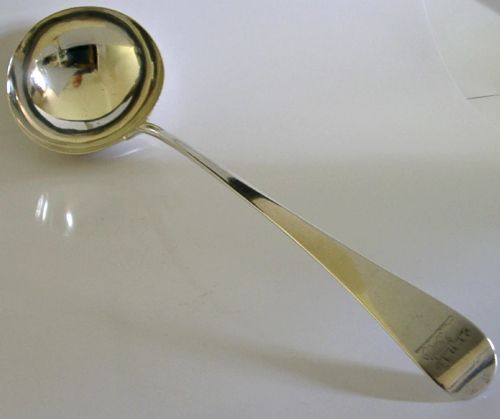
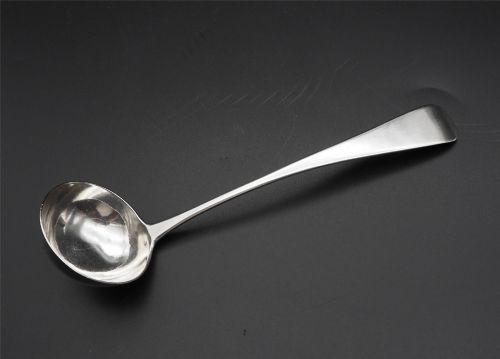
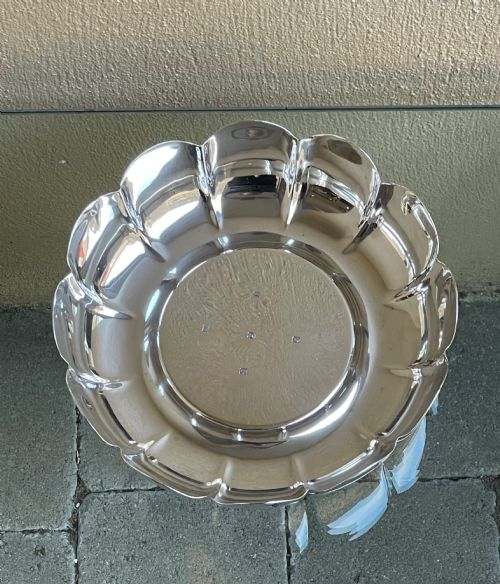
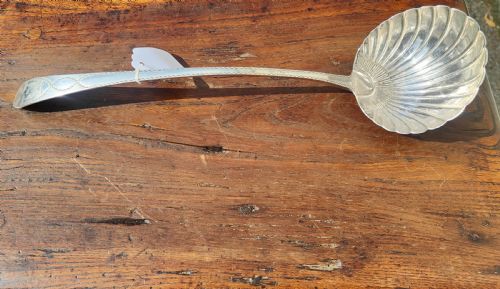
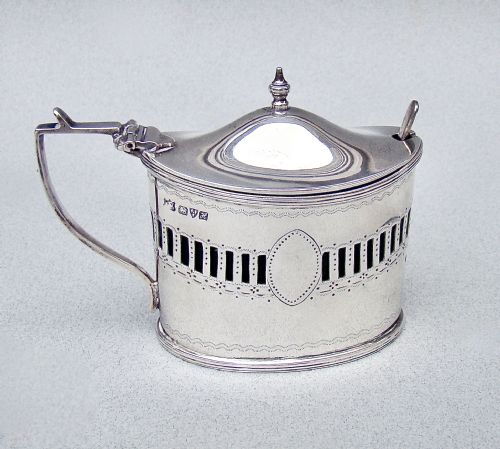
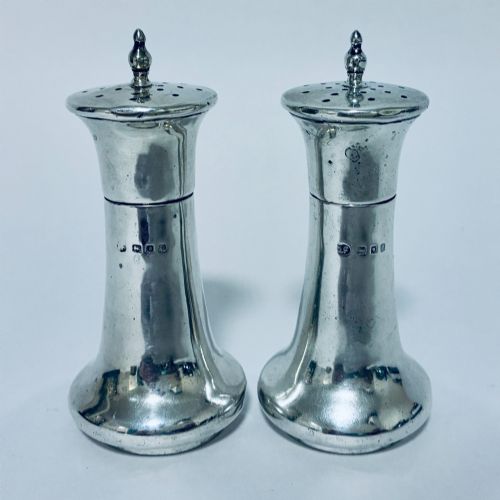
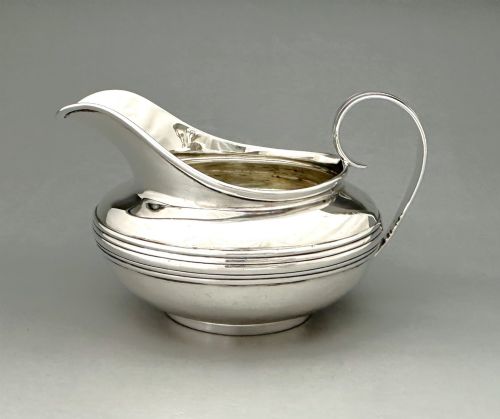
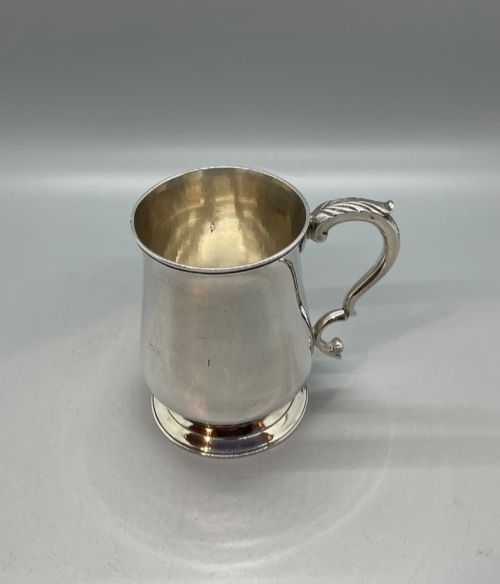
Georgian sterling silver tableware comprises functional serving pieces, dining accessories, and flatware created during the Georgian period and associated revivals. The listings here centre on serving spoons, ladles, cream jugs, salt cellars, sauce boats, and specialised items such as marrow scoops and nutmeg graters.
Buyers encounter objects originating from London and regional centres, including Scottish provincial makers and Irish workshops. Forms range from domestic bachelor teapots and toast racks to butter shells, casters, and wine coasters.
The selection includes pieces spanning the reigns of George I, George II, and George III, alongside later Georgian Revival items and Edwardian interpretations. These items reflect the dining habits of the period, from grand formal service to private tea ritual.
Materials and Techniques
The primary material across these listings is sterling silver, shaped through hammering, casting, and wirework construction. Pieces often incorporate internal gilt finishes, known as gold wash, particularly inside cream jugs, sugar shakers, and mustard pots.
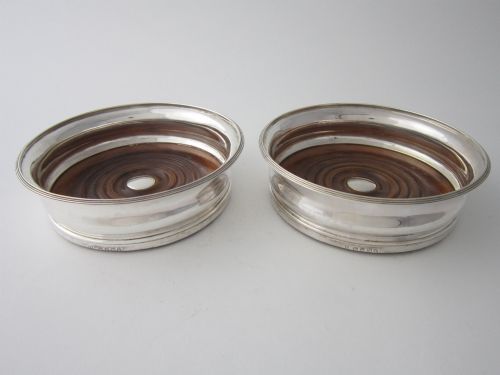
Certain objects integrate contrasting materials for utility or display, utilising mahogany wood for coasters, glass liners within salt cellars and mustard pots, and fitted presentation cases lined with velvet or silk.
Harlequin monkey sugar tongs bring a touch of nineteenth-century theatrical novelty to the tea table.
Distinctions in Execution
Quality in this tableware rests upon the crispness of the maker's mark, the clarity of chased or engraved decoration, and the structural integrity of handles and feet. Hand-hammered surfaces and balanced weight demonstrate superior silversmithing compared to lighter, later machine-pressed items.
The refinement of the casting and the fidelity of applied crests, borders, or wirework distinguish standard domestic production from exceptional workshop output. Pieces retaining original gilding and uncompromised structural proportions command greater attention.
Peter and Jonathan Bateman·Hester Bateman·Alfred Marston·Dee and Fargus·William Plummer·David Hennell·William Burwash
The Georgian Sterling Silver Tableware Glossary
- Sterling silver
- A silver alloy consisting of ninety-two point five percent silver by mass and seven point five percent other metals, usually copper. This standard composition provides the durability required for functional tableware.
- Hallmark
- An official stamp applied by an assay office to indicate the purity of the metal, the maker, and the year of production. British silver typically carries multiple marks including the leopard head or lion passant.
- Caster
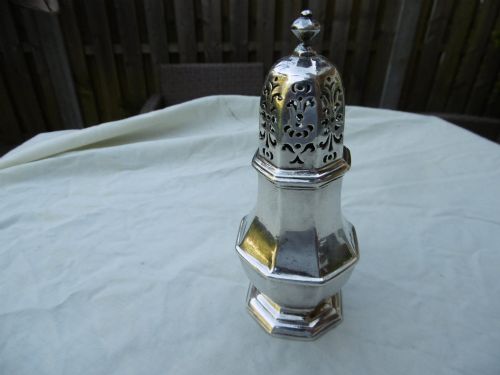
- A small perforated vessel used for sprinkling sugar or spices over food. Early examples often feature octagonal bodies with pierced lids.
- Berry spoon
- A fruit spoon, frequently an earlier tablespoon retrofitted during the Victorian era with chased fruit and leaf decoration. The bowls are commonly gilded to resist fruit acids.
- Meat skewer
- A long, pointed silver utensil used in food preparation or presentation. These items often feature a ring handle and a tapering blade.
Georgian Sterling Silver Tableware: Frequently Asked Questions
What is georgian sterling silver tableware?
Georgian sterling silver tableware consists of functional dining items, flatware, and serving vessels produced during the Georgian eras and subsequent revivals. These objects include cream jugs, salt cellars, sauce boats, and ladles created for domestic service.
The metal used is standard sterling silver, frequently bearing hallmarks that record the maker, assay office, and year of production. These pieces reflect the evolving dining and entertaining customs of the eighteenth and nineteenth centuries.
How do I identify a georgian piece?
Identifying a piece relies on examining the hallmarks stamped into the metal, which provide specific data regarding the London or regional assay office and the active years of the silversmith. Stylistic clues such as neoclassical borders, bright-cut engraving, and cast feet also indicate the period.
Weight, construction methods, and form further distinguish genuine Georgian items from later Edwardian or Georgian Revival reproductions. Consulting standard reference books on silversmiths assists in decoding the maker marks.
Were these items used for dining?
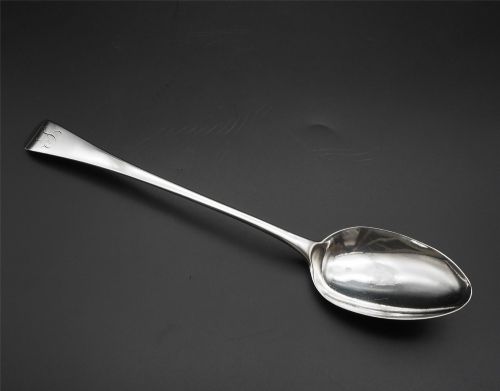
These pieces served practical functions at the dining table, tea table, and sideboard. Items such as basting spoons, meat skewers, sauce boats, and butter dishes were actively utilised in the preparation and serving of food.
Smaller objects like nutmeg graters, marrow scoops, and salt boats fulfilled specialised roles during formal meals. Their survival in domestic service demonstrates the enduring utility of quality silver.
How should I care for silver?
Maintaining sterling silver tableware involves regular, gentle cleaning with appropriate silver polish to prevent tarnish accumulation while preserving the underlying metal. Soft cloths and non-abrasive techniques protect delicate engraved decoration and applied wirework.
Storing pieces in dry conditions, free from sulfur-bearing materials, helps maintain the surface appearance. When housed in fitted wooden boxes or lined cases, the silver remains shielded from environmental airborne elements.