
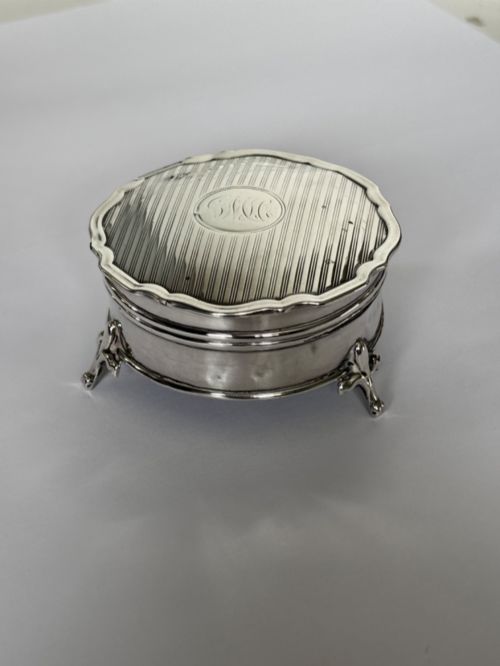
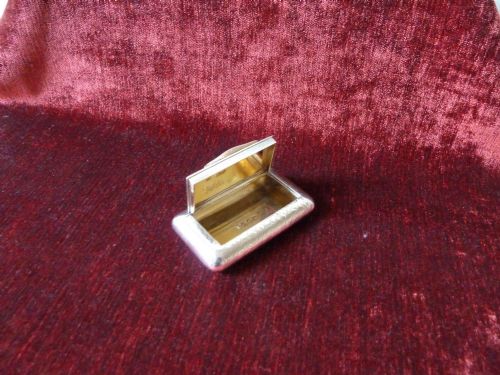


Georgian Solid Silver Box
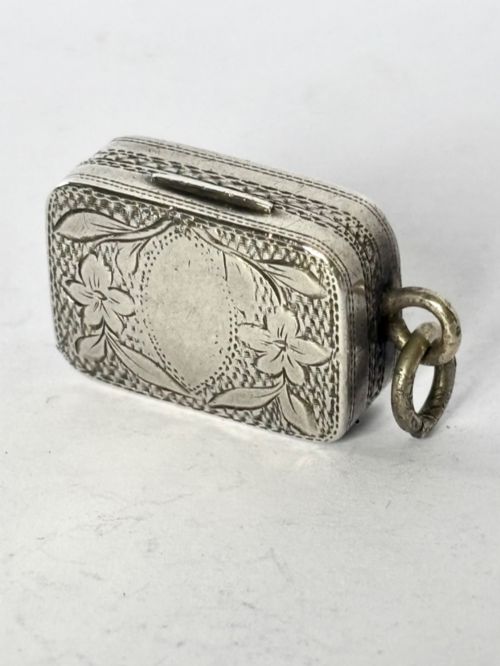
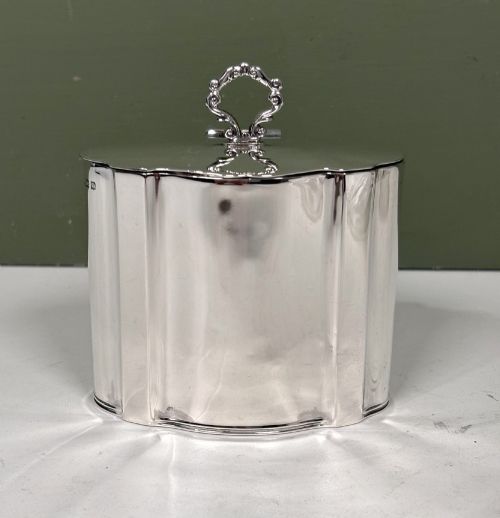
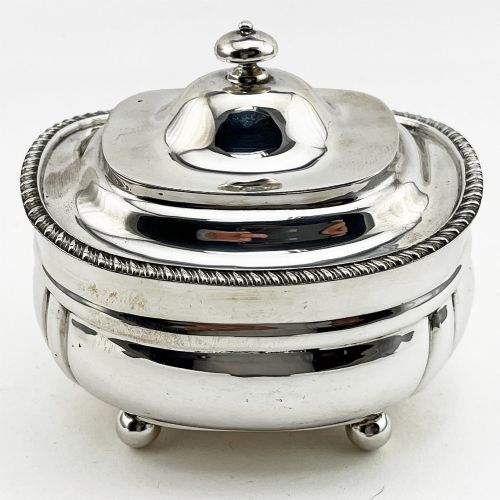
When you search for a georgian solid silver box, you uncover pocket-sized personal containers and substantial desk pieces made during the eighteenth and early nineteenth centuries.
Georgian Solid Silver Box
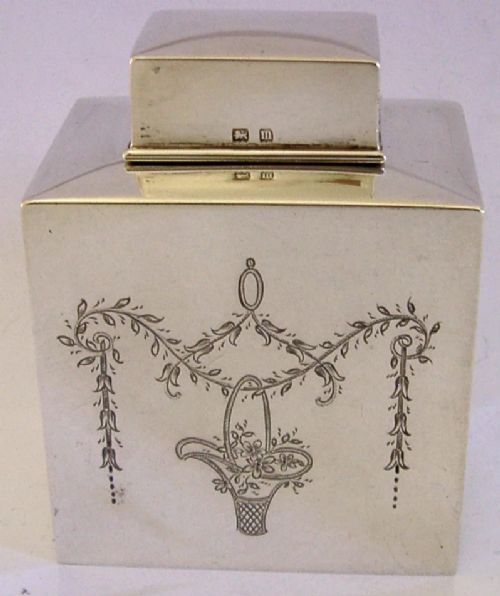
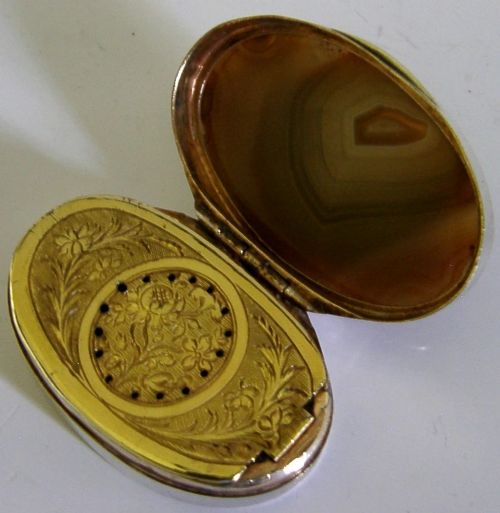
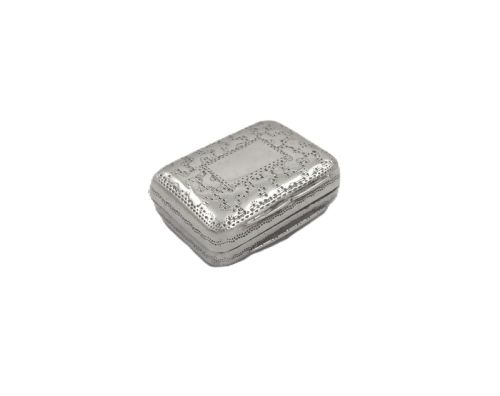
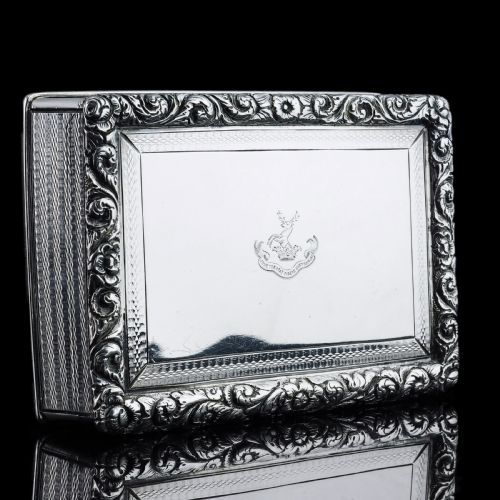
The versions most frequently met on this page date from the late eighteenth to the early nineteenth centuries, often featuring crisp hallmarks from assay offices like Birmingham and London. Pocket containers such as snuff boxes and vinaigrettes predominate, alongside larger table pieces and tea caddies.
How They Were Made
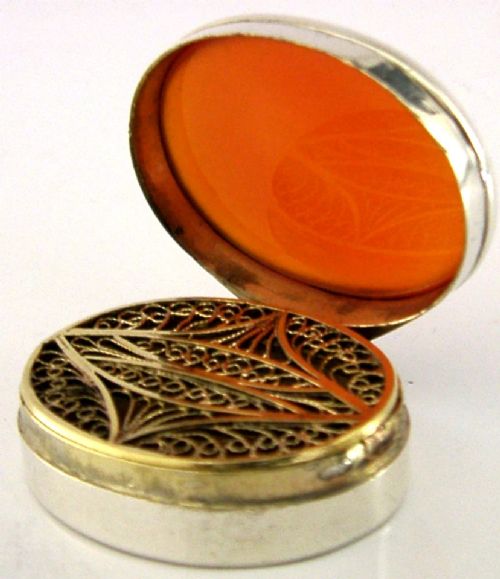
Silversmiths utilised sterling silver and silver-gilt, hammering and shaping the metal into solid forms that were frequently fitted with interior gilding to prevent corrosion from contents such as snuff or vinegar. Decorative techniques included engine turning, floral chasing, and rococo motifs applied to the lids and borders.
Selected pieces incorporate natural materials like agate, rock crystal, velvet, and wood, combined with metal mounts to create contrasting textures. Hinges and thumbpieces were meticulously integrated into the structural design to ensure smooth daily operation.
Certain boxes were built just large enough to hold a pinch of tobacco and a miniature mirror for surreptitious checks.
What Varies in Quality
Constructional integrity also dictates the grade of the piece, particularly the snugness of the lid closure and the original fit of interior grilles in vinaigrettes. Maker marks from prominent silversmiths further elevate the standing of an item within its category.
SAMUEL PEMBERTON·ZIMMERMANN·Joseph Willmore·William Eaton·Edward Edwards·John Bettridge·Matthew Linwood·Joseph Ash·J Keating·J Taylor·Robert Hennell·E Cornock·James Phipps I·John Caw·William Simpson·Archibald Douglas·Charles Rawlings·Thomas Pemberton·Nathaniel Mills·Edward Smith·Gervase Wheeler·Thomas Edwards·John Hutson·Thomas Shaw
The Georgian Solid Silver Box Glossary
- Vinaigrette
- A small pocket container fitted with a pierced internal grille, designed to hold a sponge soaked in aromatic vinegar. These were carried to counteract unpleasant odours in public spaces.
- Engine turning
- A mechanical engraving technique that produces intricate, precise geometric patterns across the surface of the silver. It creates a textured finish that catches the light.
- Silver-gilt
- Sterling silver that has been coated with a thin layer of gold, commonly applied to the interior of boxes to protect the metal from corrosive substances. It provides a rich, warm interior contrast.
- Thumbpiece
- A small protruding catch or lip on the edge of a box lid designed to assist with opening. They are frequently cast in ornate floral or scroll shapes.
Georgian Solid Silver Box: Frequently Asked Questions
How do I date a silver box?
You can date a piece by examining the stamped hallmarks on the silver. These marks typically include a date letter, a maker's mark, and assay office symbols.
Comparing the style of decoration, such as rococo motifs or engine turning, also helps confirm the period of manufacture.
Were all these boxes used for snuff?
Not all containers were intended for snuff, as the category includes tea caddies, patch boxes, tobacco boxes, and dressing table trinket boxes. Each form was designed to hold specific household or personal items.
Internal fittings, such as dividers or sponge grilles, usually indicate the original intended purpose of the container.
How should I clean my silver box?
Silver boxes require gentle maintenance to preserve any original gilding, inset stones, or delicate engraving. You should avoid harsh abrasive polishes that can wear away crisp surface details.
Regular dusting with a soft cloth is usually sufficient to maintain the natural shine of the metal.