


Georgian Silver Vessel
A georgian silver vessel holds the weight of centuries past, bringing substance and utility to the table through enduring metalwork.
Georgian Silver Vessel
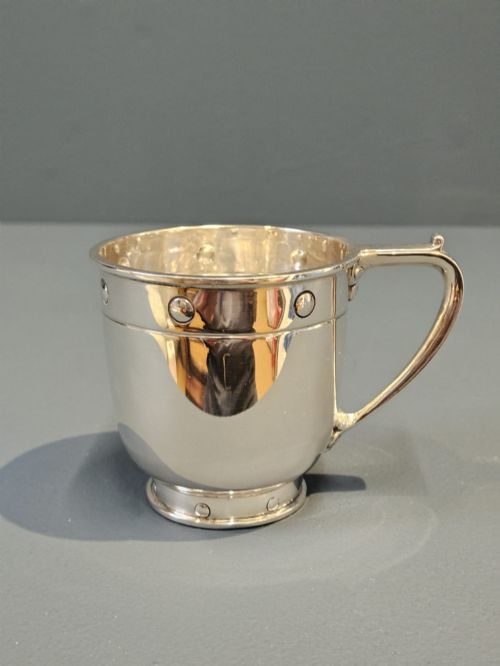
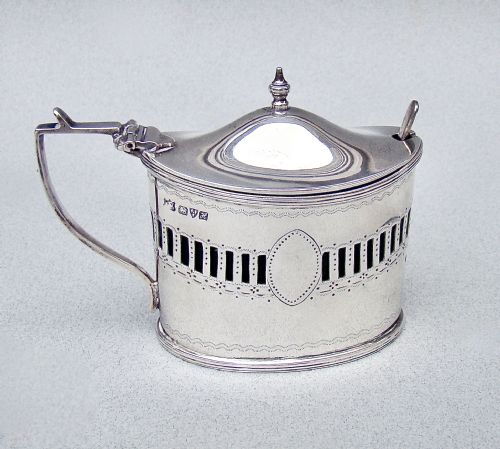
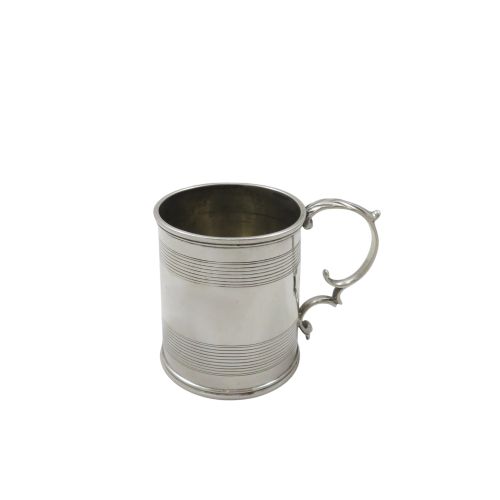
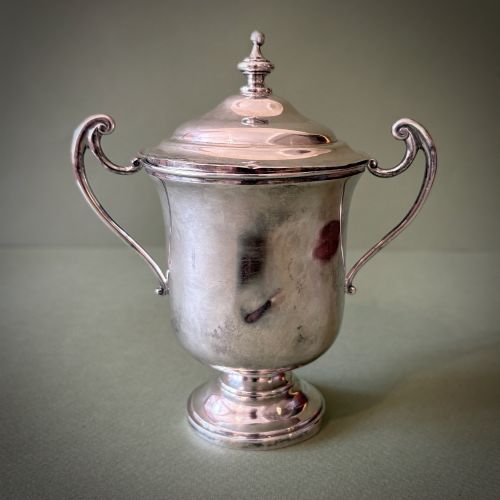
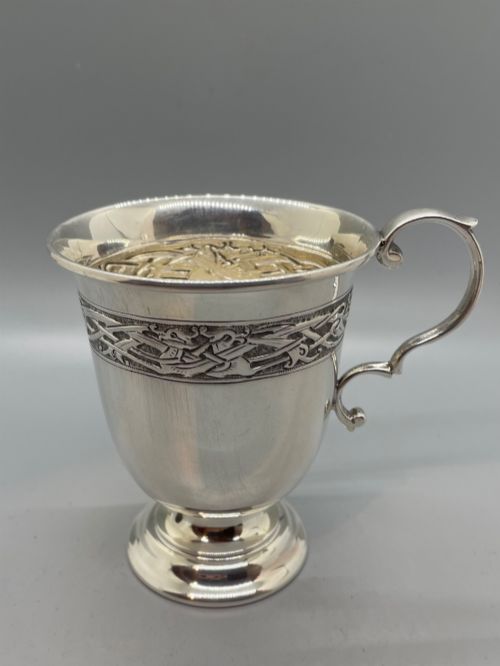
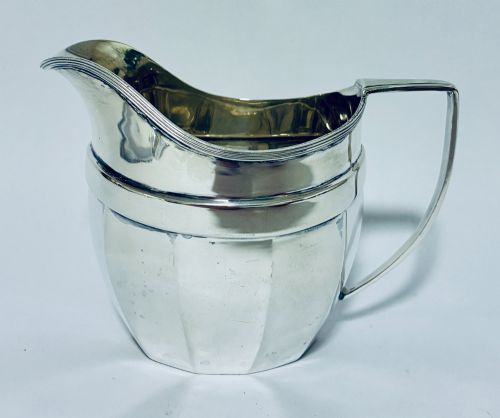
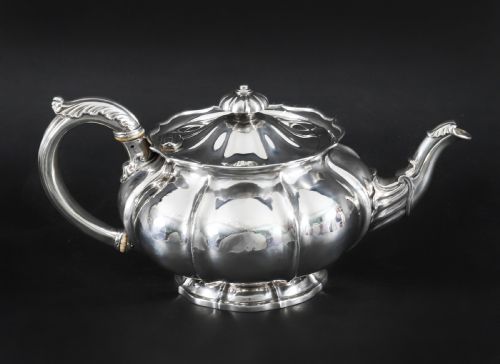
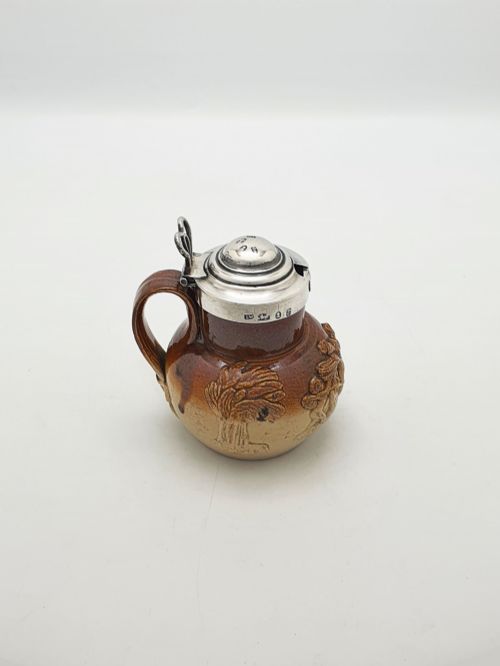
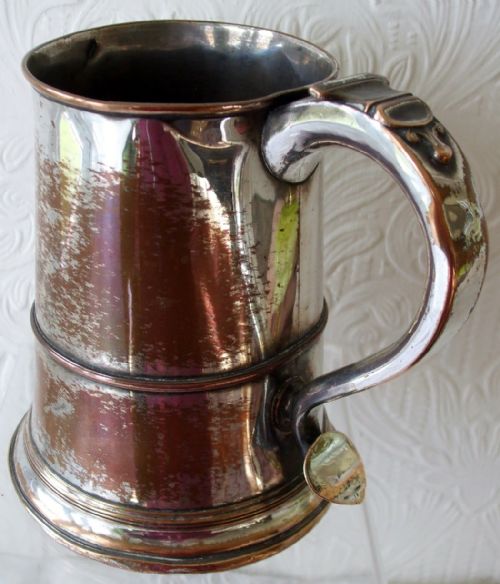
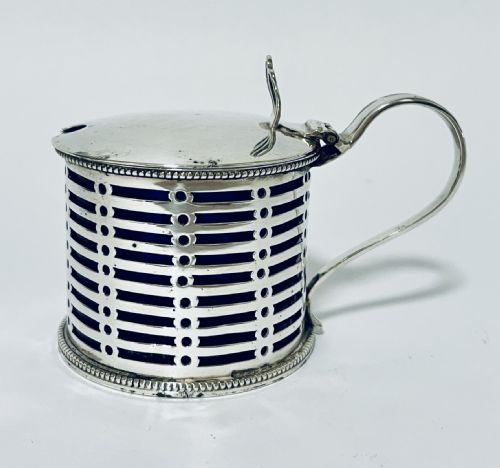
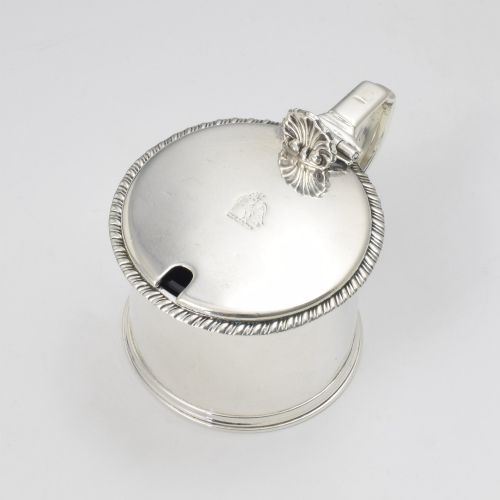
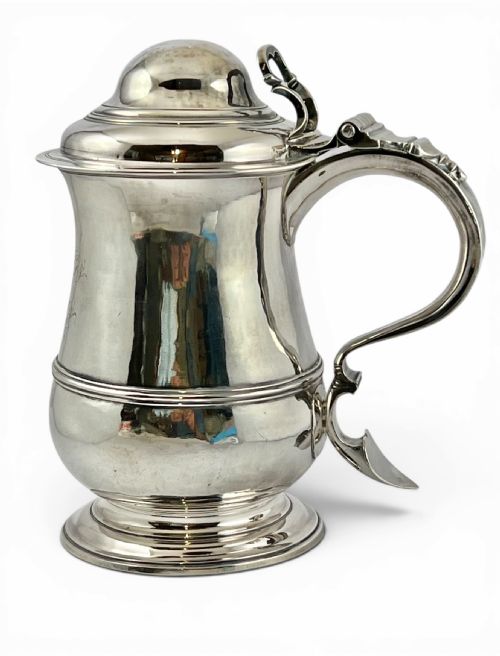
When you search for a georgian silver vessel, you encounter a diverse range of hollowware designed for the table and domestic use. The listings on this page span robust drinking vessels like tankards and pint mugs alongside refined serving pieces such as teapots, coffee pots, and mustard pots.
You are most likely to meet solid sterling silver and Old Sheffield Plate forms shaped during the eighteenth and early nineteenth centuries. These pieces encompass provincial and urban origins, featuring domestic items intended for daily dining and hospitality.
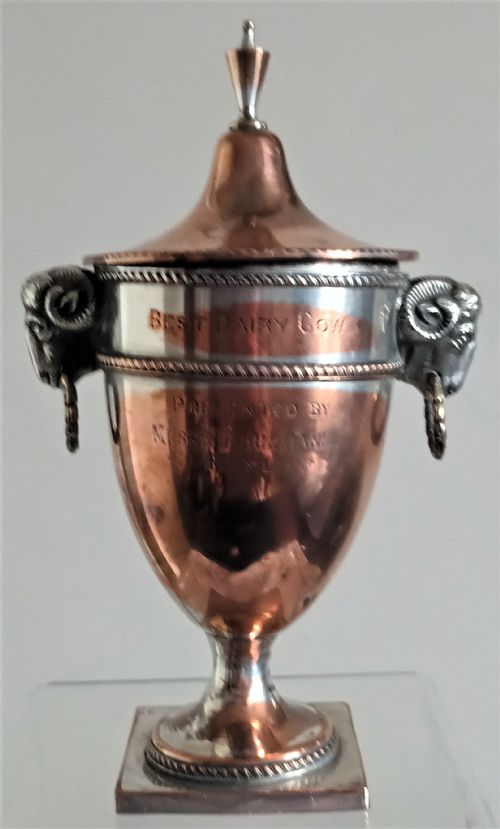
The selection also includes later revivals and associated metal types like pewter and copper. Each object maintains a functional purpose, whether intended for brewing tea, serving sauces, or holding mustard.
How They Were Made
Makers shaped sterling silver and Old Sheffield Plate through hammering, casting, and soldering. Silversmiths raised bodies from flat sheets of metal or cast components such as handles and feet separately before attaching them.
Old Sheffield Plate combined a thin layer of silver fused to a copper core, requiring skilled manipulation to form vessels like tankards and argyles. Artisans frequently embellished surfaces with piercing, embossing, or engraved crests.
Hinged lids on tankards and mustard pots relied on precise metalwork to align thumbpieces and pins. Interiors of drinking vessels and pots were often gilded to protect the silver from acidic contents.
Listings feature various forms spanning the eighteenth to the twentieth centuries, utilising sterling silver, Old Sheffield Plate, copper, and pewter.
What Varies in Quality
The distinction between ordinary and exceptional items lies in the crispness of the maker marks and the weight of the metal. Thicker gauge silver maintains structural integrity and resists denting over centuries of use.
Subtlety of form and balance separate standard utilitarian objects from masterworks by prominent silversmiths. Details such as cast handles, well-executed piercing, and secure hinge construction demonstrate superior workshop standards.
Barker Bros·Alfred Marston·Paul Storr·Charles Fox II·John Payne·William Grundy·Richard Morton·Robert Hennell I·Matthew Boulton·Fenton·Roberts and Belk·Joseph Craddock
The Georgian Silver Vessel Glossary
- Old Sheffield Plate
- A composite material formed by fusing a sheet of silver to a heavier copper base, popular before electroplating. Items made this way show a thin line of copper where edges meet.
- Tankard
- A tall, cylindrical drinking vessel typically fitted with a handle and sometimes a hinged lid. These vessels were primarily used for beer or ale.
- Argyle
- A specialised vessel designed to keep gravy warm by utilising a central compartment for hot water. This kept animal fats from congealing during long meals.
- Punch Mark
- An indented stamp applied by a silversmith or assay office to denote maker identity, standard of metal, and year of production. These marks provide the key to dating each piece.
- Hollowware
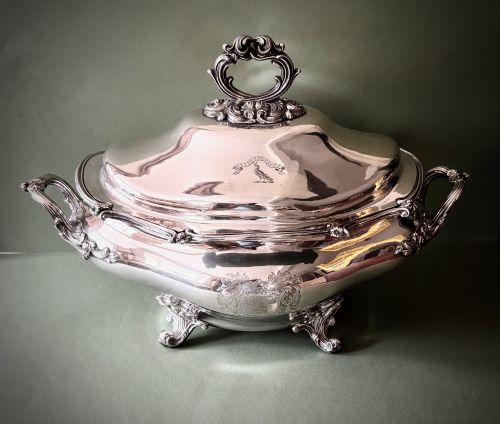
- A term encompassing vessels designed to hold liquids or food, such as teapots, jugs, and tureens. This category excludes flatware like spoons and forks.
Georgian Silver Vessel: Frequently Asked Questions
How do I clean my silver vessel?
Use a soft cloth and a gentle, non-abrasive silver polish formulated for antiques. Avoid harsh dips that strip patination and damage the surface.
Rinse the vessel in warm water and dry it thoroughly with a lint-free cloth. Regular handling and gentle dusting prevent heavy tarnish accumulation.
Can I use these vessels for daily dining?
Many solid silver and Old Sheffield Plate pieces remain structurally sound for serving food and drinks. Ensure you wash them by hand immediately after use.
Avoid putting antique silver in a dishwasher or using it with highly acidic contents for extended periods. Careful daily use connects you directly to the original domestic function of the object.
What do the hallmarks tell me?
Hallmarks indicate the town of assay, the standard of silver purity, and a date letter corresponding to the exact year of production. Maker marks identify the specific workshop responsible for crafting the piece.
Checking these stamps allows you to trace the geographic origin and historical context of the metalwork. Official assay marks guarantee the authenticity of the silver content.
Why do some silver pots have wooden handles?
Wood acts as a thermal insulator to prevent heat from transferring from boiling tea or coffee to the handler hand. Ebony and fruitwood were frequently chosen for their density and durability.
These wooden elements were turned on a lathe and pinned securely to silver sockets. Preserving original wooden components is essential for historical integrity.