



Silver Plate Tankard
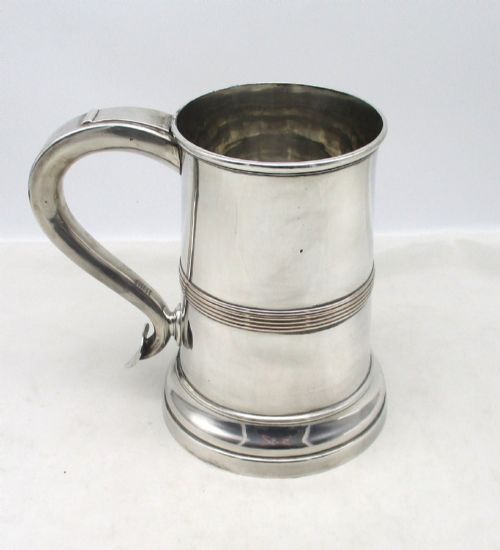
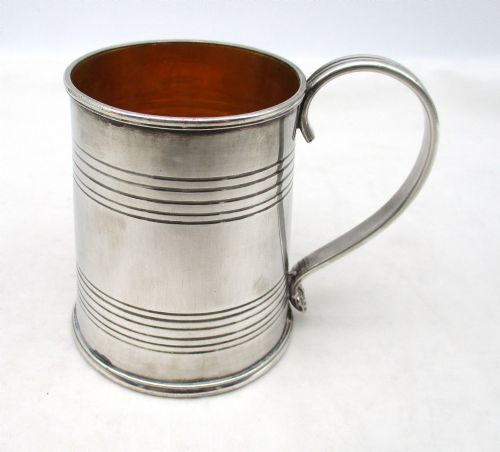
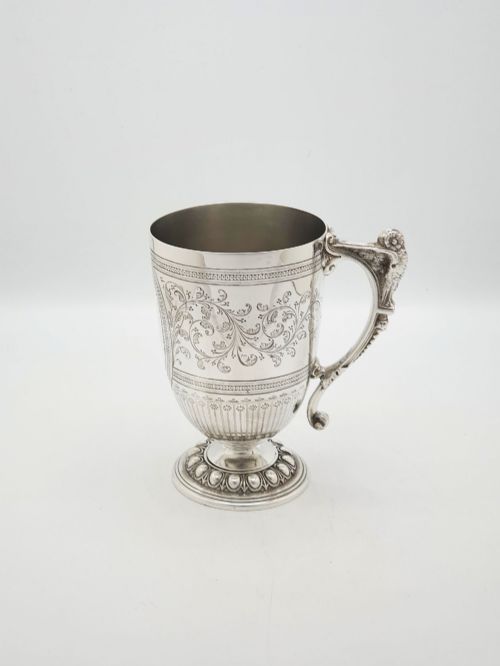
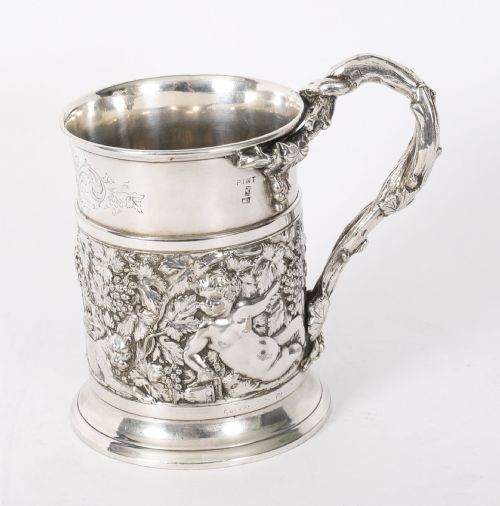
These silver plate tankard pieces span the eighteenth to twentieth centuries, bringing sturdy drinking vessels and heavy barware into modern hands.
Silver Plate Tankard
A silver plate tankard is a robust drinking vessel or jug designed for ale, beer, and cider, often featuring a fitted lid and sturdy handle. When searching for a silver plate tankard, buyers frequently encounter Old Sheffield Plate alongside later Victorian and Edwardian electroplated examples.
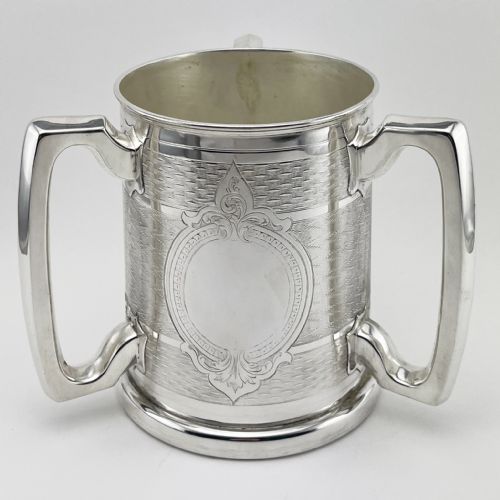
The selections range from pint and quart sizes to large loving cups and beer jugs, often spanning the eighteenth, nineteenth, and twentieth centuries. Many pieces incorporate glass bottoms or combine silver plate with oak bodies and ceramic elements like Mortlake stoneware.
Stylistic influences vary from plain Georgian baluster profiles to ornate Victorian embossed designs, Edwardian novelties with owl handles, and Queen Anne revival forms. These vessels served functional roles in homes, taverns, and military messes, as well as functioning as shooting trophies.
Materials and construction
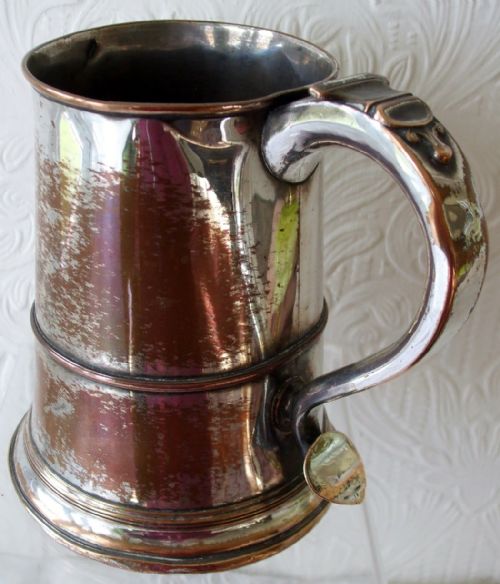
Makers utilised copper fused with a thin sheet of silver to produce Old Sheffield Plate, a method defined by sandwiching the metals before rolling. Later production shifted toward electroplated nickel silver and standard silver plating over base metal cores.
Vessels incorporated applied decorative elements such as embossing, engraving, and gold gilt accents on the interior surfaces. Sturdy construction often included glass bottoms, wooden bodies made from oak, and cast handles shaped into birds or traditional scrolls.
Determinants of quality
Quality rests upon the crispness of the hand-engraving, the depth of the embossed details, and the integrity of the fused metal layers. Early Old Sheffield Plate displays distinct makers' marks and copper edges where the silver sheet meets.
Substantial weight, sturdy handle attachment, and well-fitted hinged lids separate superior vessels from lighter everyday utility wares. The presence of early marks or attribution to recognised makers elevates the standing of an individual piece.
G R Collis·Richard Morton·Thomas Bradbury & Sons·Pinder Brothers·Keith Murray·Elkington·Mappin & Webb·John Grinsell & Son·Charles S. Green and Co
The Silver Plate Tankard Glossary
- Old Sheffield Plate
- An early method of fusing a thin sheet of silver to a copper ingot, producing layered metal sheets before electroplating became common.
- Electroplated Nickel Silver
- A base metal alloy of copper, nickel, and zinc coated with a layer of silver via an electrolytic process.
- Peg Tankard
- A drinking vessel featuring internal vertical pegs placed at equal intervals to measure consumption during drinking games.
- Loving Cup
- A large two-handled drinking vessel traditionally passed among guests at banquets and celebrations.
- Baluster
- A architectural form shaped with a swelled lower portion tapering toward the top, often seen in Georgian drinking vessels.
Silver Plate Tankard: Frequently Asked Questions
What is Old Sheffield Plate?
Old Sheffield Plate is an early composite material created by fusing silver to a copper core through heat and pressure. This technique predates modern electroplating.
Items made this way often reveal thin lines of copper along exposed edges and seams upon close inspection.
Why do some tankards have glass bottoms?
Glass bottoms allowed drinkers to keep an eye on their company and surroundings while tipping the vessel back to finish their ale.
This practical feature remains a distinct characteristic found across eighteenth and nineteenth-century examples.
How are wooden tankards constructed?
Many Victorian examples feature staved oak bodies bound with silver plated metal bands, mirroring traditional cooperage techniques used for casks.
These pieces combine timber and metal to create heavy, tactile drinking vessels intended for everyday use.
How do I identify a Georgian style piece?
Georgian style pieces typically showcase clean baluster silhouettes, plain surfaces, and restrained decorative moulding rather than heavy Victorian embossing.
They rely on proportion and simple form to achieve a classic aesthetic.