


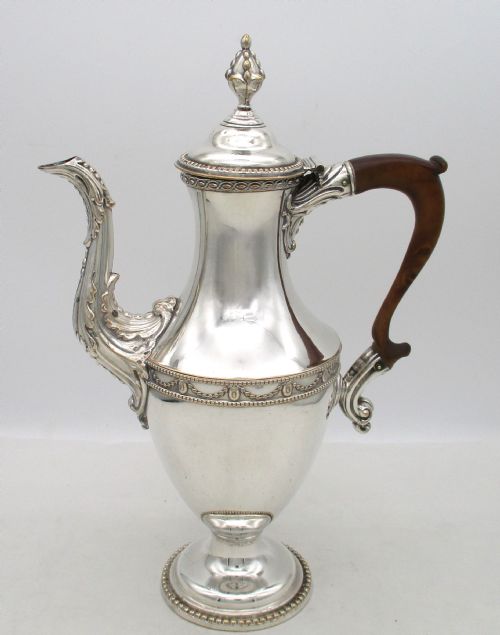


Old Sheffield Plate Urn
An old sheffield plate urn brings fusion and heft to a room, offering genuine eighteenth and nineteenth-century craftsmanship for daily display.
Old Sheffield Plate Urn
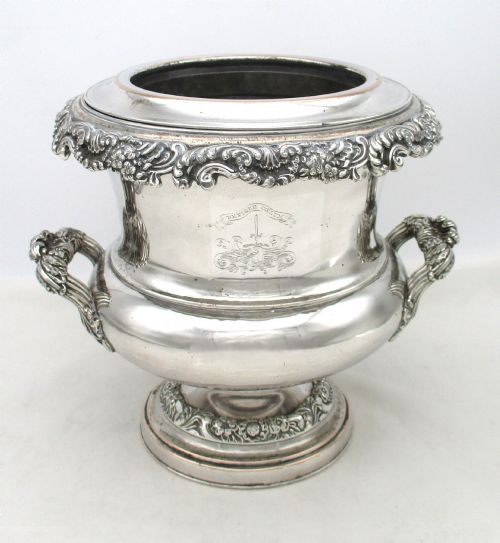
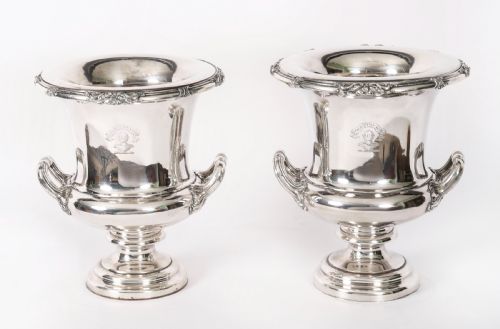
When searching for an old sheffield plate urn, you encounter substantial serving vessels and coolers spanning the eighteenth and nineteenth centuries. These pieces encompass Georgian and Regency designs, originating predominantly from workshops in England.
Dated examples trace through the Georgian, Regency, and William IV periods, showcasing the evolving styles of domestic silver service. The forms range from small table vessels to large samovars.
Materials and Construction
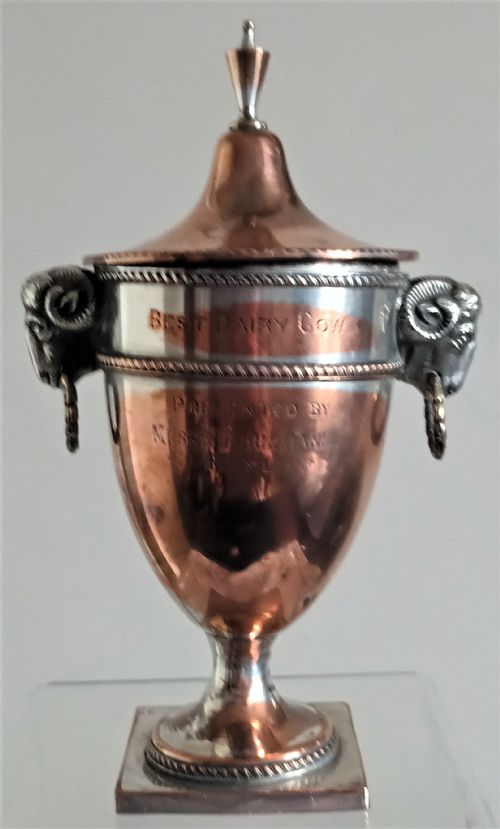
Makers fused a thin sheet of silver to a thicker body of copper, exploiting the properties of both metals through heat and pressure. This technique created the distinct dual-layer material known as Old Sheffield Plate.
Listings demonstrate forms in copper, silver plate, Old Sheffield Plate, and wood, spanning the Georgian, Regency, and William IV periods.
Quality and Distinction
Distinctions in quality rest upon the crispness of the applied crests, the integrity of the fused metal layers, and the balance of the campana or urn form. Well-executed pieces retain their proportions and decorative edges without undue wear.
The presence of identified maker marks from notable workshops elevates an object, as does the survival of original turned wooden components and handles.
Matthew Boulton·John Hoyland·James Dixon and Son·Matthew Boulton and Co
The Old Sheffield Plate Urn Glossary
- Old Sheffield Plate
- A composite material made by fusing silver onto a copper core before shaping the metal into vessels. This technique preceded modern electroplating.
- Campana
- A bell-shaped vessel profile often utilised for wine coolers and urns during the Regency period. This classical silhouette provides a stable base and flared rim.
- Samovar
- A heated metal urn traditionally used to boil and dispense water for tea. These large vessels often incorporate spigots and handles.
- Crest
- An engraved or applied heraldic device denoting a family lineage. These personal marks appear on many serving vessels and coolers.
- Chestnut Urn
- A small decorative vessel designed for the dining table, often used to hold roasted chestnuts. Miniature versions demonstrate fine cabinet and metalworking skills.
Old Sheffield Plate Urn: Frequently Asked Questions
What is Old Sheffield Plate?
Old Sheffield Plate is an early form of plated metal created by thermally fusing a sheet of silver to a copper ingot. Artisans then rolled the combined metals into sheets to craft hollowware.
This method differs fundamentally from later electroplating, resulting in a deeper layer of silver that wears down differently over generations of use.
How do I clean these items?
Clean these surfaces with a soft cloth and a gentle silver polish intended for plated items. Avoid aggressive scrubbing to preserve the underlying copper layer.
Regular, careful dusting prevents tarnish build-up without requiring harsh chemical immersion or abrasive pastes.
Can I use a samovar for tea?
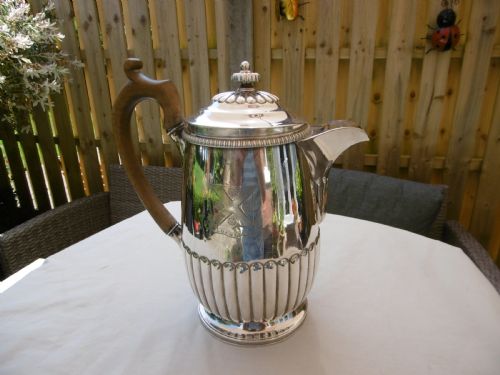
Samovars and coffee pots served practical beverage functions in period dining rooms. Many historic vessels remain structurally capable of holding water.
Modern use requires checking internal joints and stopcocks for historical repairs or sealant degradation before filling.
How do I tell Regency from Georgian?
Georgian pieces often display Rococo or early neoclassical details with robust proportions. Regency items lean toward strict classical revival forms, such as campana urn shapes.
Examining the mountings, handles, and overall silhouette helps separate the design vocabulary of the late eighteenth century from the early nineteenth century.