

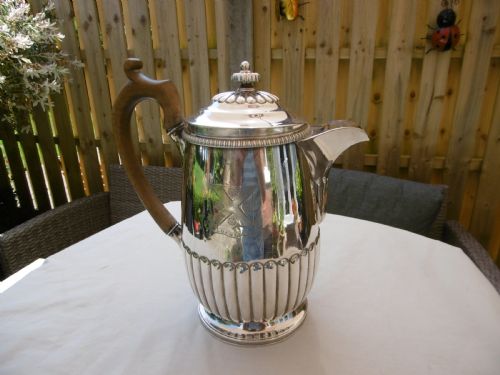


Engraved Georgian Silver Urn
An engraved georgian silver urn brings neoclassical grace and practical luxury to the table, uniting crisp chased detail with heavy proportions.
Engraved Georgian Silver Urn
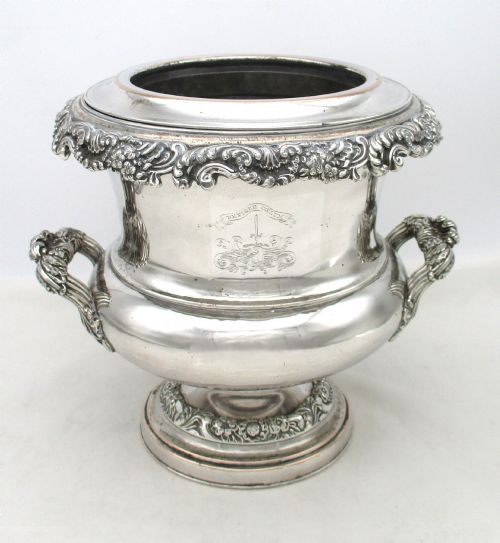
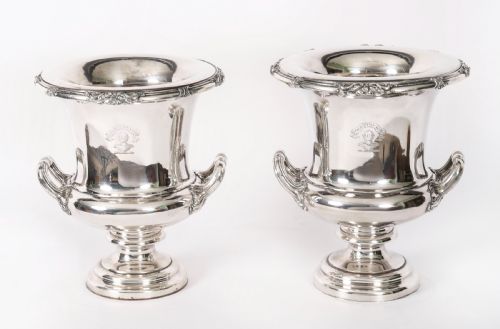
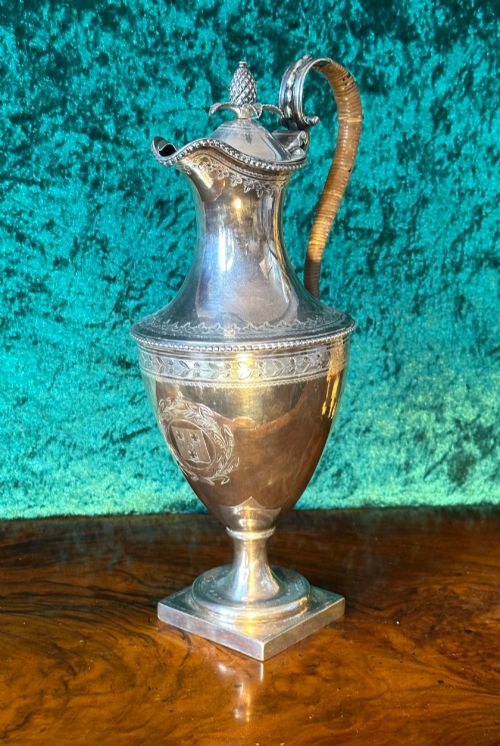
The engraved georgian silver urn encompasses a variety of refined serving vessels, wine coolers, and coffee pots produced across the eighteenth and early nineteenth centuries. Buyers encountering these pieces on this page will most frequently meet Old Sheffield plate wine coolers and sterling silver tea or coffee vessels originating in the Georgian and Regency periods.
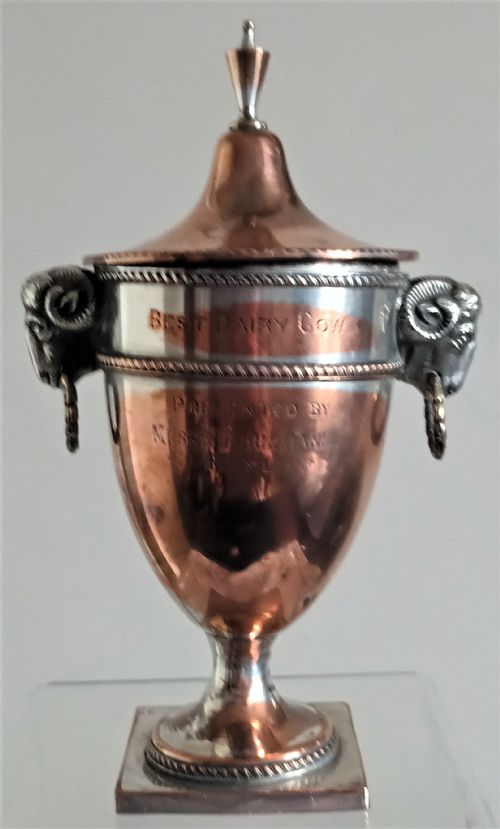
The selection ranges from miniature chestnut urns and crested wine coolers to monumental coffee biggins on stands and ewers. Neoclassical styling dominates the design vocabulary, often employing classical urn silhouettes, handles, and crisply engraved armorial crests.
Materials and Construction
Makers utilised sterling silver, solid silver, and Old Sheffield plate, fusing copper and silver to achieve durable yet lustrous vessels. Engraving and engine-turning techniques decorate the surfaces with geometric borders, crests, and foliate motifs.
Master silversmiths shaped the metal through raising and spinning, mounting handles securely and incorporating fitted liners where the vessel's function demanded thermal control or liquid containment.
Object forms span wine coolers, coffee pots, ewers, and decorative urns reflecting neoclassical tastes.
Assessing Quality and Merit
Quality rests upon the crispness of the hand engraving, the weight of the metal, and the retention of the original silver layer on plated items. Superior pieces demonstrate balanced proportions, clean solder joints, and makers' marks that remain legible.
Provenance and documented heraldic crests elevate certain examples, alongside the presence of associated stands, burners, or original liners that complete the ensemble.
Matthew Boulton·Matthew Boulton and Co·Paul Storr·Thomas Sutton·Archibald Douglas
The Engraved Georgian Silver Urn Glossary
- Old Sheffield plate
- A fused composite material made by melting a sheet of silver onto a thicker copper base. This technique preceded modern electroplating and produces a rich, deep lustre.
- Biggin
- A tall coffee pot fitted with an internal container or bag for grounds. These vessels often sit within a dedicated metal frame or stand.
- Engine turning
- A mechanical engraving method using a lathe to cut precise, repetitive geometric patterns into the metal surface. It adds texture and catches the light.
- Ewer
- A large jug with a wide spout and flared base, traditionally used for pouring water or wine. In Georgian silver, these serve decorative and functional roles.
- Crest
- A heraldic device engraved onto the metal to denote a family or title. These additions frequently allow researchers to trace the provenance of individual pieces.
Engraved Georgian Silver Urn: Frequently Asked Questions
How do I clean an antique silver plated urn?
Clean these surfaces gently with a soft cloth and a specialised silver cleaner formulated for antique plating. Avoid harsh abrasives that might wear through thin silver layers.
Take particular care around engraved lines and crests where polish can accumulate. Regular dusting and minimal moisture preserve the finish best.
Were these urns used for tea or wine?
The evidence shows multiple functions, ranging from wine and champagne coolers to dedicated tea and coffee urns. Some smaller examples served as chestnut urns on the dining table.
Shape and interior fittings usually indicate the original purpose. Deep, insulated vessels held ice for bottles, while spouted pots dispensed hot beverages.
What is the difference between sterling and Old Sheffield plate?
Sterling silver is a solid alloy containing high purity silver throughout the entire wall of the object. Old Sheffield plate consists of a thin layer of silver fused over a copper core.
Both materials appear frequently in Georgian metalwork. Examining the edges and worn spots often reveals the underlying copper on plated items.
How can I date an engraved Georgian urn?
Dating relies on stylistic clues such as Neoclassical motifs, hallmarks stamped into the metal, and engraved armorials. The transition from George III styles to Regency forms offers a clear chronological guide.
Makers' marks provide precise attribution when recorded in silversmith registers. Comparing shape and engraving style with dated archival pieces narrows the manufacturing period.