



Georgian Silver Table Box
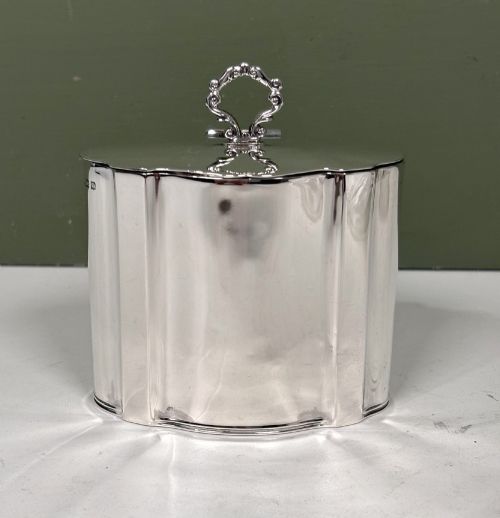
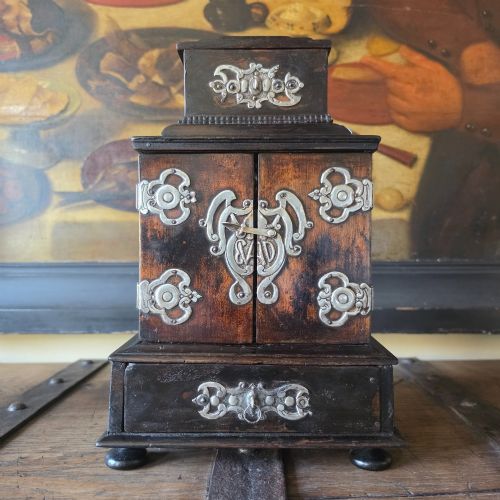
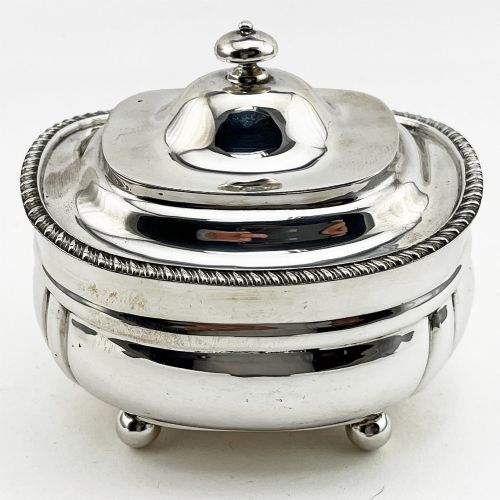
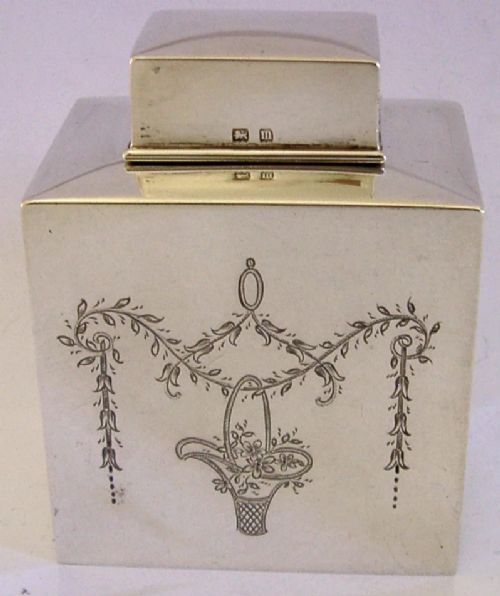
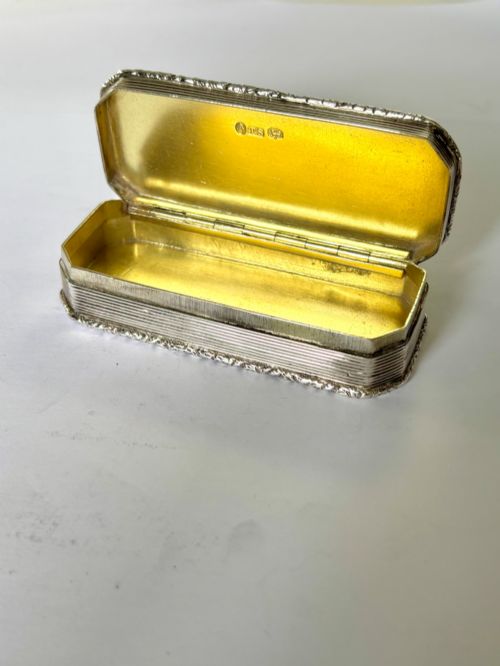
A georgian silver table box sits on the surface ready to hold snuff, trinkets or tea.
Georgian Silver Table Box
A georgian silver table box brings together metalwork and daily utility from the eighteenth and early nineteenth centuries. The pieces found here span snuff boxes, tea caddies and dressing table boxes fashioned for domestic interiors.
Collectors encounter solid silver alongside silver gilt, wood and tortoise shell adaptations. Many items originate from the Georgian era, though revival periods and later dates appear frequently.
Snuff boxes and tea caddies dominate the selection, offering functional compartments for personal use. Each container reflects the specific storage needs of past households.
How they were made
Silversmiths shaped sterling silver and silver gilt through hammering, casting and chasing to build rigid forms. Artisans added interior linings of velvet or incorporated wooden bodies in walnut and kingwood.
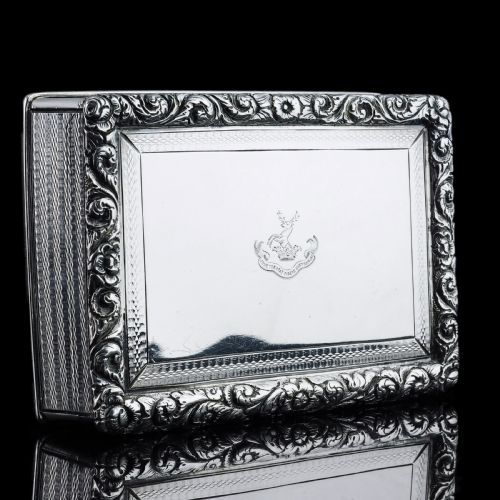
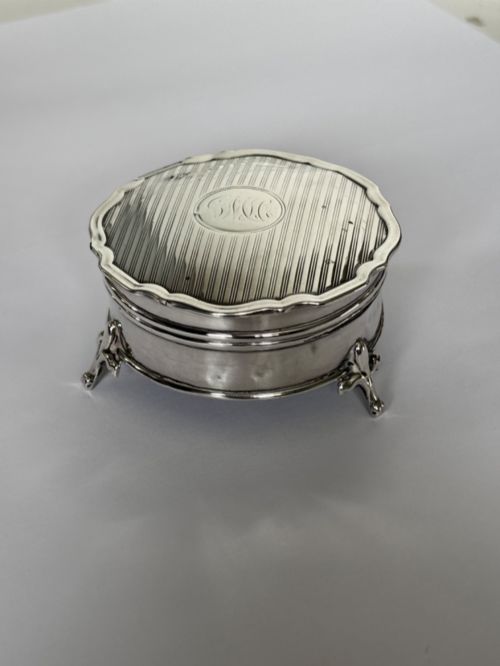
Detailed engraving, engine turned patterns and floral chased borders decorate the exterior surfaces. Specialised makers applied gilding to internal sections of snuff boxes and dressing table containers.
Listings feature sterling silver, silver gilt, walnut, tortoise shell and wood across multiple periods from the eighteenth century onward.
What varies in quality
The weight of the silver and the depth of the chased relief define the distinction between standard items and exceptional examples. Crisp details on rococo motifs and heraldic crests indicate superior workshop production.
The integrity of hinges, latches and fitted internal elements demonstrates the original maker's skill. Well preserved gilding and intact wood or tortoise shell panels elevate the standing of a box.
Zimmermann·Paul Storr·Thomas Shaw·Joseph Willmore·Edward Farrell·Edward Edwards·William Parker·Thomas Edwards·Nathaniel Mills·Jonathan Douglas
The Georgian Silver Table Box Glossary
- Sterling silver
- A silver alloy containing 925 parts per silver out of 1000 total parts. This standard metal forms the primary body for most table boxes.
- Silver gilt
- Silver coated with a thin layer of gold on its surface. This treatment protects the interior metal and creates a warm golden finish.
- Chasing
- A metalworking technique where the artisan punches the front of the metal to raise a design. Floral borders and figural scenes gain dimension through this method.
- Engine turning
- A mechanical engraving process that cuts geometric patterns into metal. Many snuff boxes display these precise linear motifs across the lid.
- Snuff box
- A small container built to hold powdered tobacco. These pieces feature tight fitting lids to keep the contents dry.
Georgian Silver Table Box: Frequently Asked Questions
What was a georgian silver table box used for?
These containers held dry goods, tobacco or personal valuables on household surfaces. Owners kept them in reception rooms and dressing areas for daily access.
Tea caddies stored dry leaves away from moisture, while snuff boxes contained tobacco for social gatherings. Dressing table boxes kept rings, pins and small accessories secure.
How do I identify a georgian period piece?
Makers marked genuine items with assay office symbols, date letters and maker's initials. These stamped hallmarks reveal the exact year and city of production.
Stylistic cues such as rococo motifs, floral chased borders and heavy cast hinges point toward eighteenth and early nineteenth century craftsmanship.
Are these boxes made of solid silver?
Many examples consist of solid sterling silver or silver gilt throughout the body and lid. Some variants combine silver mounts with wooden frames or tortoise shell panels.
Certain items utilise silver plate over a base metal core. Hallmarks help clarify the exact metal composition of each individual container.
How should I care for silver table boxes?
Keep the metal away from damp environments to prevent tarnish and protect internal velvet linings. Gentle dusting preserves the engraved details and chased borders.
Avoid abrasive polishes that wear down the high points of the silver decoration. Professional conservation maintains the original surface finish of antique metalwork.