





Georgian Silver Sugar Bowl
A georgian silver sugar bowl brings eighteenth-century craftsmanship to the tea table, offering elegant forms that collectors prize for display and daily use.
Georgian Silver Sugar Bowl
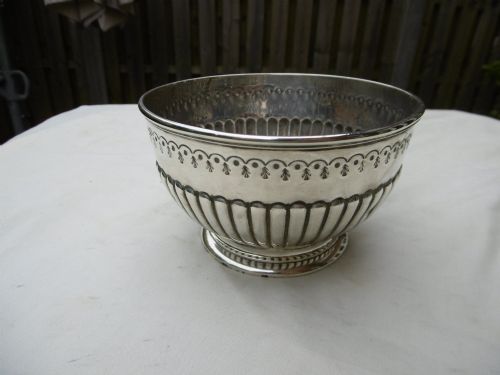
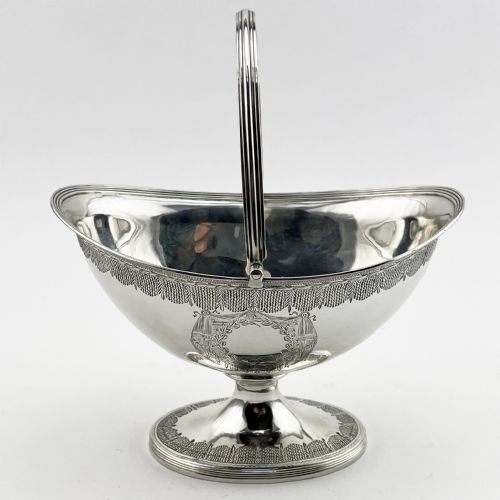
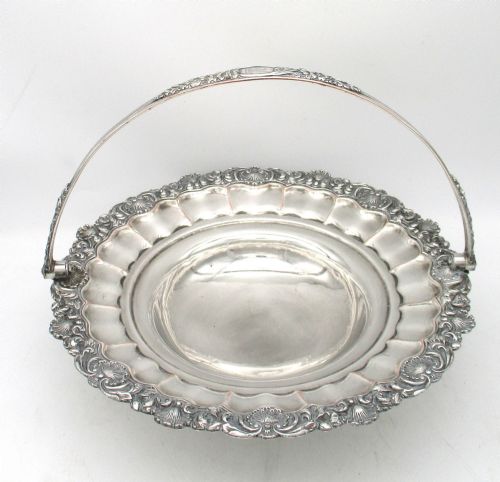
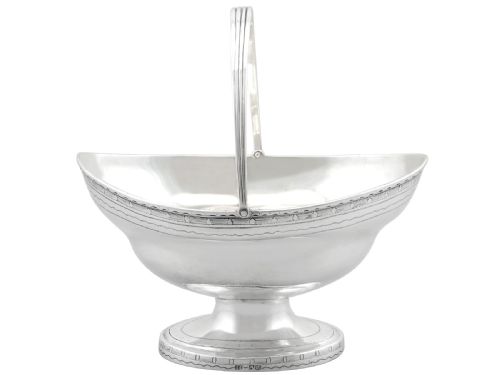
When you search for a georgian silver sugar bowl, you encounter a variety of forms spanning the eighteenth and nineteenth centuries, including pedestal baskets, footed bowls, and twin-handled basins. The selection often includes pierced wirework pieces, lattice designs, and bright-cut engraved vessels originating from English, Scottish, and Irish workshops.
You are most likely to meet George III sterling silver examples alongside Old Sheffield plated vessels from the same era. Many pieces arrive accompanied by matching cream pails, tongs, or sifter spoons, reflecting complete tea and coffee services of the period.
Materials and Technique
Makers utilised sterling silver, silver-gilt, and Old Sheffield plate, fusing silver and copper through heat to create durable domestic wares. Artisans employed piercing, wirework, and casting techniques to fashion open lattice patterns and decorative borders on bowls and baskets.
Silversmiths also applied chasing, engraving, and gilding to enhance the interior surfaces and rims of sugar basins. These fabrication methods produce the characteristic weight and structural integrity found in eighteenth-century hollowware.
Listings feature sterling silver, copper, and Old Sheffield plate across Georgian, Victorian, and Edwardian periods.
Evaluating the Pieces
The distinction between standard domestic items and superior examples lies in the crispness of the cast mounts and the intricacy of the pierced or wirework decoration. Heavy gauge sterling silver and well-preserved gilding elevate the status of a bowl, whereas thin plating or worn engraving places a piece lower down the scale.
Maker marks, clear town assay punches, and original crests or chasing add historical weight to specific pieces. The skill required to execute delicate handle attachments and balanced footed bases ultimately separates ordinary utility items from finer cabinet pieces.
Peter and William Bateman·Aldridge and Green·Henry Chawner·John Kincard·Walter Brind
The Georgian Silver Sugar Bowl Glossary
- Sterling silver
- An alloy consisting of 92.5 percent silver and 7.5 percent other metals, typically copper, used to meet legal fineness standards. This composition provides the necessary rigidity for hollowware and domestic tableware.
- Old Sheffield plate
- A composite material made by fusing a thin sheet of silver to a thicker copper base, developed in the eighteenth century. Items produced this way often reveal faint traces of copper along high wear edges.
- Pierced work
- A decorative technique where metal is cut through to create openwork lattices, grilles, or geometric patterns. This method lightens the visual weight of sugar baskets and sweetmeat vessels.
- Silver-gilt
- Sterling silver that has been coated with a thin layer of gold through a chemical or electrochemical process. The resulting warm finish frequently appears on the interior bowls of sugar baskets.
- Sifter spoon
- A specialised spoon featuring a pierced bowl designed for dusting sugar over food or beverages. These utensils commonly appear alongside sugar bowls in period sets.
Georgian Silver Sugar Bowl: Frequently Asked Questions
How were sugar bowls used?
These vessels held lump or loose sugar for tea service in wealthy households, often placed centrally on the table alongside cream jugs and teapots.
Servants filled them from larger storage containers before bringing them into the parlour for formal afternoon tea rituals.
How do I tell sterling from plated pieces?
Sterling silver pieces display distinct hallmarks indicating the maker, assay office, and year of production. Old Sheffield plate items lack these standard silversmith stamps and may show subtle lines of copper beneath worn areas.
Examining the edges and underside under magnification helps confirm the underlying metal composition.
Can I use these bowls daily?
Solid sterling silver and sturdy plated bowls handle gentle everyday use, provided you clean them with non-abrasive cloths and mild soap. Hand washing protects delicate antique joints and prevents damage to original surface patinas.
Acidic foods should not remain in silver vessels for extended periods to avoid surface pitting.
Why do some bowls have blue glass liners?
Open pierced silver baskets required glass inserts to hold loose sugar grains securely without spilling through the wirework lattice. Cobalt blue liners became popular during the Georgian period to create a striking visual contrast against bright silver.
These removable inserts made cleaning easier after tea service concluded.