


Georgian Silver Chest
A georgian silver chest secures heavy domestic plate or tea within robust timber, bringing historic utility and tactile warmth to any room.
Georgian Silver Chest
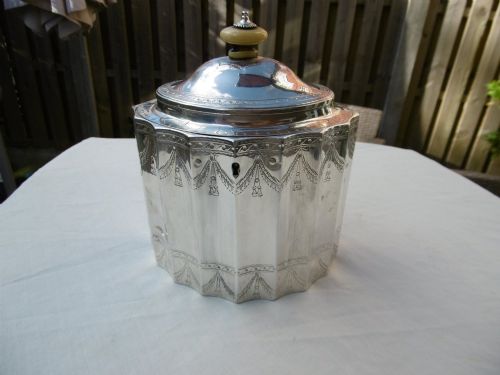
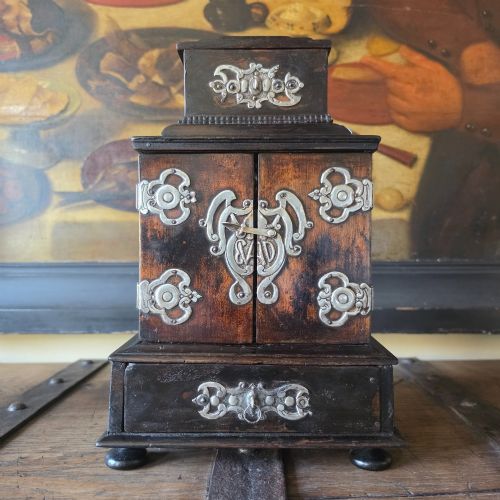
A georgian silver chest serves as a substantial storage trunk built from dense hardwoods like oak or mahogany, frequently reinforced with iron straps or brass mounts. These receptacles range from massive household trunks designed to hold entire canteens of cutlery to smaller tabletop tea chests and caddies.
The pieces appearing here span large iron-bound oak storage boxes and fine mahogany trunks from the eighteenth and early nineteenth centuries. Buyers frequently encounter smaller tabletop variations alongside large floor-standing examples intended for secure domestic service.
How they were made
Craftsmen built these chests using solid timbers such as oak and mahogany, often pairing structural wood with decorative veneers like burr maple or tortoiseshell. Iron bands and brass brackets added necessary strength to heavy storage trunks.
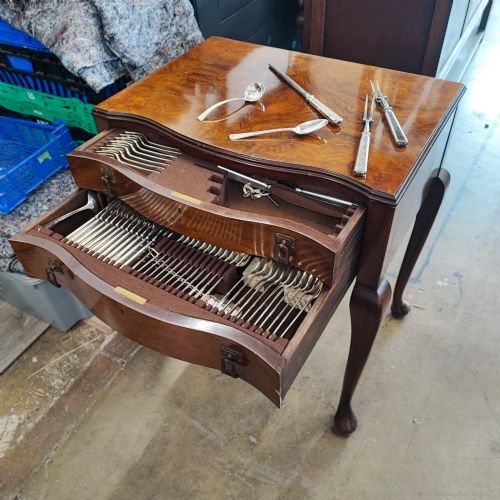
Makers integrated specialised internal fittings, including baize-lined compartments for cutlery and fitted sections for tea caddies or jewellery. Exterior surfaces relied on careful polishing of the timber grain rather than excessive carving.
Several chests preserve engraved brass name plaques, identifying the nineteenth-century squires who once locked their valuables within.
What varies in quality
The grade of a georgian silver chest rests upon the integrity of its primary timber and the robustness of its original metal mounts. Pieces retaining untouched iron straps, strong hinges, and original brass name plaques command greater interest.
Internal arrangement and secondary materials dictate distinction within this category. Surviving original silk or paper linings, precise internal partitioning, and unblemished tortoiseshell or shagreen veneers elevate a piece considerably.
Robert Hennell·Walker & Hall·Charles Chesterman·Nathan & Hayes
The Georgian Silver Chest Glossary
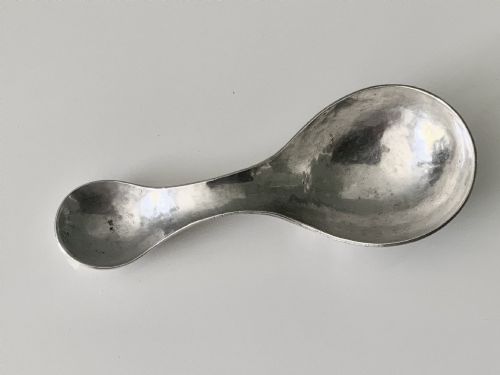
- Caddy spoon
- A small utensil designed specifically for measuring loose tea leaves into a teapot. These spoons often feature shaped bowls and decorative handles.
- Shagreen
- Undyed sharkskin or rayskin used as a decorative covering for luxury boxes and tea caddies. It provides a distinctive pebbled texture.
- Canteen
- A fitted box or chest containing a complete service of cutlery. These interiors protect individual forks, spoons, and knives in tailored slots.
- Pap boat
- A small, boat-shaped vessel used in the eighteenth century for feeding infant pap or invalid gruel. They are commonly formed in solid sterling silver.
Georgian Silver Chest: Frequently Asked Questions
What went inside a silver chest?
These large trunks held valuable domestic plate, heavy cutlery services, and family silver safely away from dust and theft. Their robust timber and iron bindings protected precious metal contents during transport or stationary storage.
Smaller iterations functioned as tea chests or table top cabinets for jewellery and caddy spoons. Their internal compartments kept delicate items organised and secure.
How do I date a Georgian chest?
Dating relies upon timber selection, construction methods, and the style of brass handles or escutcheons. Earlier eighteenth-century examples frequently employ solid oak or walnut, transitioning to figured mahogany by the later period.
Hardware styles shifted from simple drop handles on backplates to recessed brass drop rings by the close of the century. Hallmarks on any incorporated silver mounts provide definitive calendar years.
Are these chests made of solid wood?
The primary structure of these storage trunks utilises solid native timbers like oak or mahogany to ensure adequate weight-bearing strength. Heavier trunks depend entirely on thick oak boards.
Decorative tabletop boxes occasionally employ softwood carcases faced with fine veneers such as tortoiseshell, burr maple, or shagreen. Internal partitions typically consist of thin secondary hardwoods.
Where should I place a silver chest?
Large oak and mahogany trunks suit hallways, living rooms, or dining spaces where their flat tops serve as useful display surfaces. Their substantial presence anchors a room effectively.
Smaller tea caddies and jewellery cabinets sit well on sideboards, chests of drawers, or dedicated tables. Keep all pieces away from direct heat sources to protect historic veneers.