



18th Century Silver Chest
An 18th century silver chest is a sturdy receptacle designed to protect valuable plate, and these examples bring substantial timber and metalwork into the home.
18th Century Silver Chest
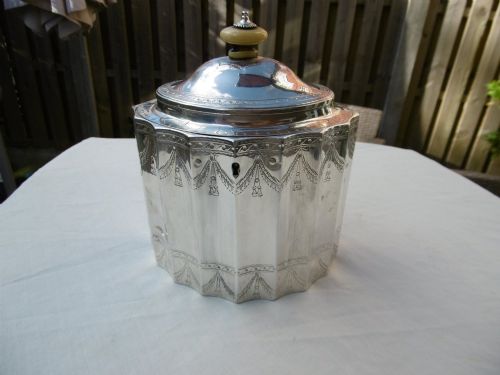
When searching for an 18th century silver chest, a buyer encounters a diverse group of storage pieces that span simple domestic boxes to heavily fortified coffers. The most frequent forms include mahogany and walnut chests, alongside related receptacles like tea caddies, cutlery boxes, and jewellery cabinets.
The periods represented range from the seventeenth century through the Georgian era, encompassing George II and George III styles, as well as continental and German baroque influences. Oak and cherrywood also appear among the timber choices, reflecting regional British and continental workshop traditions.
Beyond the standard chest form, listings include strongboxes, coffers, and travel trunks banded in iron. These variations indicate whether a piece was built for domestic display in a dining room or for secure transit during a journey.
Materials and Construction
Cabinetmakers utilised dense hardwoods such as mahogany, walnut, oak, and cherrywood to build the structural carcass of each chest. These timbers were often selected for their rich grain and durability, providing a solid barrier for precious contents.
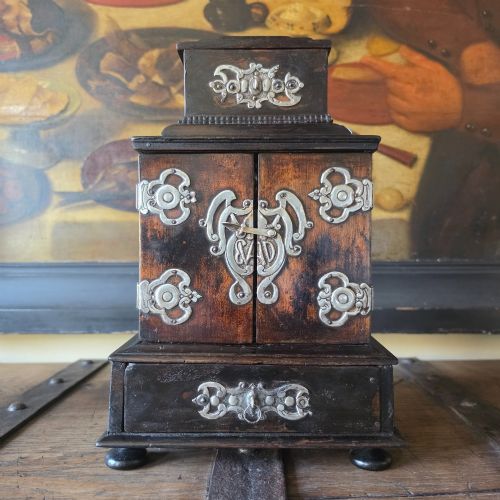
Metal reinforcement was essential for security and longevity, featuring brass mounts, solid silver mounts, and heavy iron banding. Interior details might incorporate bone elements, while specific tea caddies and small containers showcase specialist silverwork and fitted compartments.
18th Century Silver Chest Retail Price Guide 2026
Typical asking prices for 18th century silver chest among the pieces listed under this phrase on Sellingantiques today, from the lower quarter to the upper quarter. They describe what is for sale here now, not the wider market.
Some travelling sea chests arrived with iron bands so heavy that moving them required an entire crew.
Judging Quality and Craftsmanship
Quality rests upon the selection of timber and the precision of the joinery, with dense red walnut or figured mahogany indicating superior cabinetmaking. The presence of original hardware, such as brass drop handles or substantial iron bands, elevates a piece significantly.
The sophistication of the design distinguishes standard storage from exceptional examples, seen in architectural proportions, bow fronts, or intricate rococo silver mounts. Furthermore, the integrity of internal fittings and the condition of any sterling silver elements dictate the standing of the piece.
Robert Hennell
The 18th Century Silver Chest Glossary
- George III
- A British design period spanning from seventeen sixty to eighteen twenty, characterised by classical restraint and refined proportions. Pieces from this era often display sophisticated mahogany veneers and delicate silver mounts.
- Cutlery Box
- A specialised wooden container shaped to hold flatware sets, often featuring a sloping lid and narrow proportions. Surviving eighteenth-century versions sometimes incorporate solid silver mounts.
- Strongbox
- A heavily reinforced security chest built to withstand forced entry and protect valuables. These objects typically feature robust iron banding and complex locking mechanisms.
18th Century Silver Chest: Frequently Asked Questions
How were these chests used originally?
These chests were utilised in wealthy households to store, organise, and protect valuable silver tableware, tea services, and flatware from theft and tarnishing.
Larger coffers and sea chests also served a practical purpose for transporting plate securely during travel between country estates and town residences.
Where should I place an 18th century silver chest at home?
A substantial mahogany or oak chest functions well as a focal point in a dining room or living space, providing both surface display area and internal storage.
Smaller pieces, such as tea caddies or jewellery cabinets, sit comfortably on side tables, desks, or chests of drawers where their detail remains visible.
How do I distinguish between George II and George III pieces?
George II pieces often display heavier proportions and robust timber choices like red walnut or oak, reflecting an earlier, sturdier aesthetic.
George III examples frequently introduce lighter mahogany veneers, refined classical lines, and occasionally distinct rococo silver mounts or bow fronts.
Why do some chests feature iron banding?
Iron banding was added to travelling chests and sea chests to reinforce the wooden structure against the rigours of transit and heavy handling.
This defensive metalwork also provided an extra layer of security against break-ins when valuables were moved outside the permanent estate.