
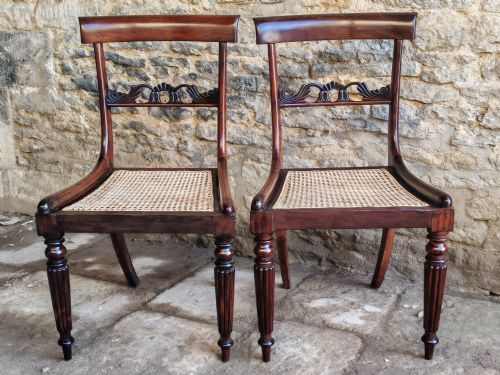
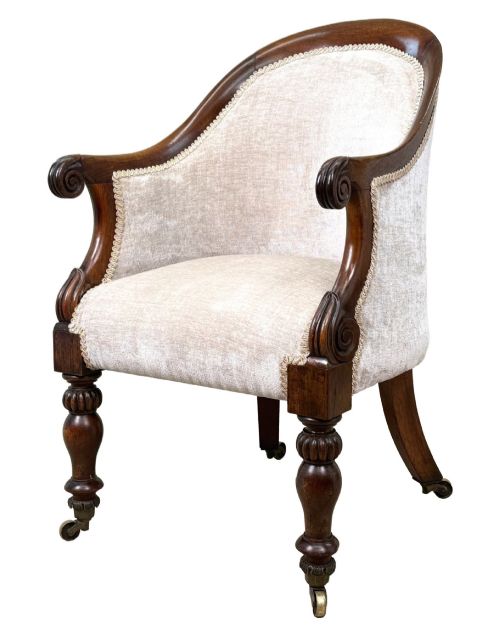
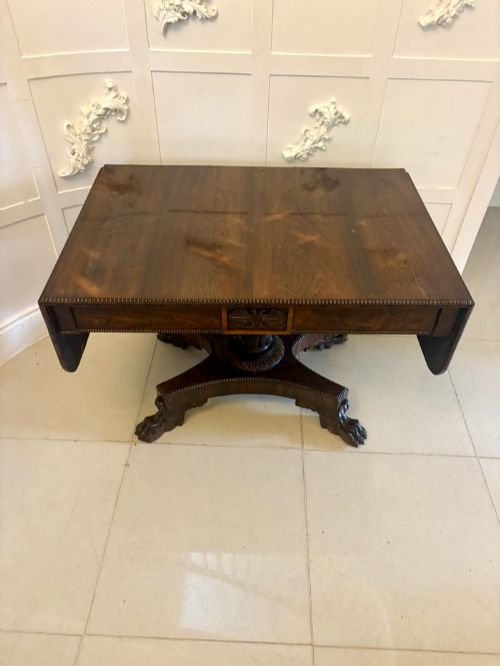
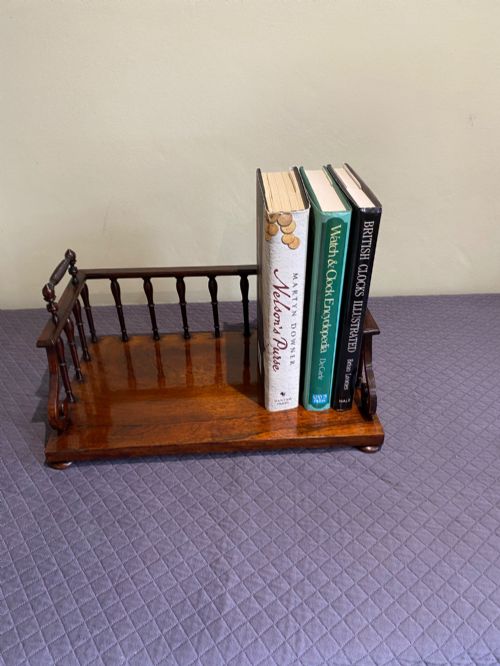

Georgian Rosewood Desk
A georgian rosewood desk brings rich timber grain and classic proportion to a room, offering a durable surface for daily writing.
Georgian Rosewood Desk
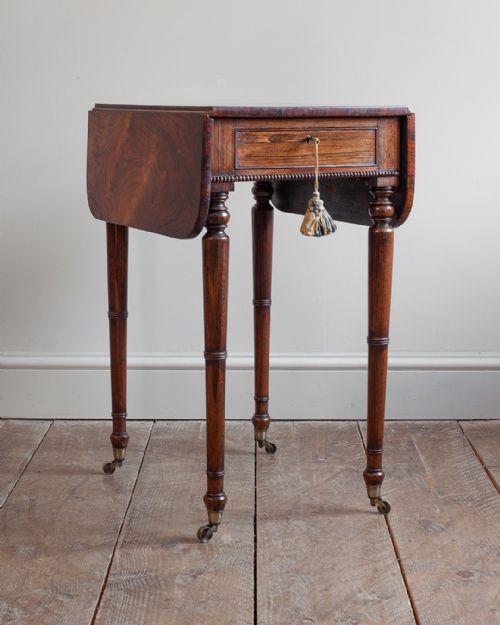
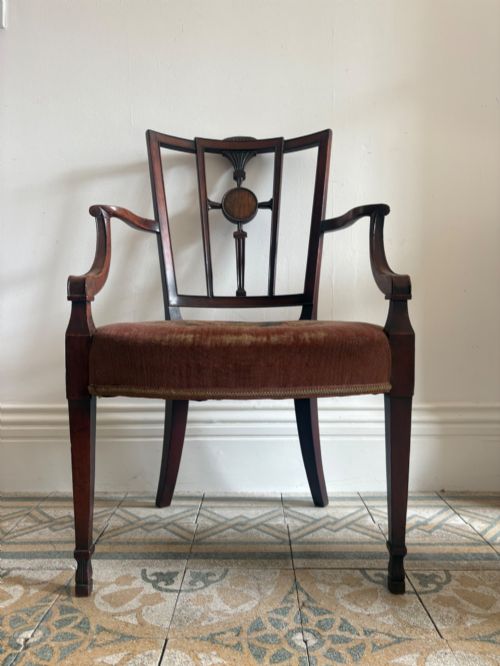
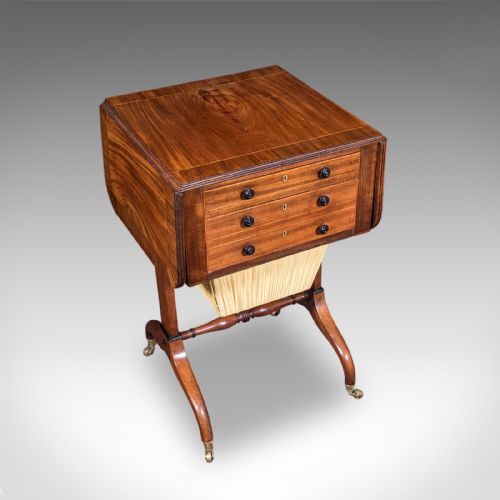
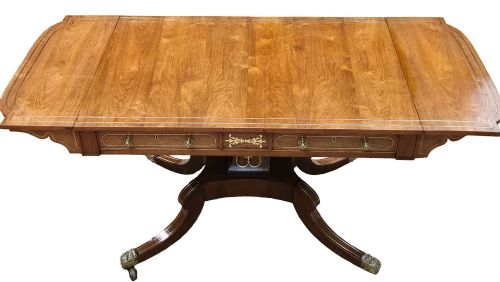
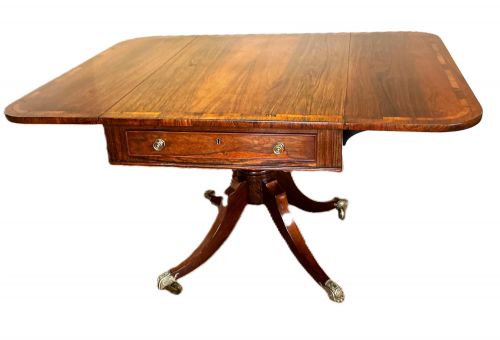
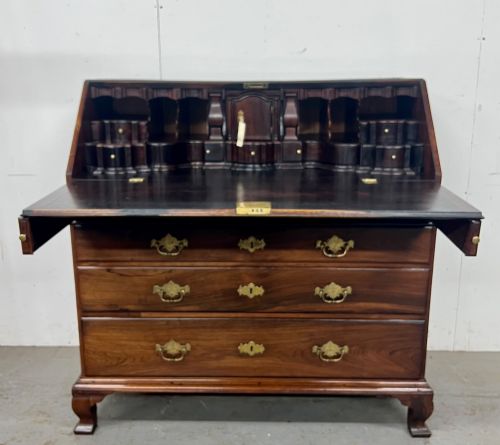
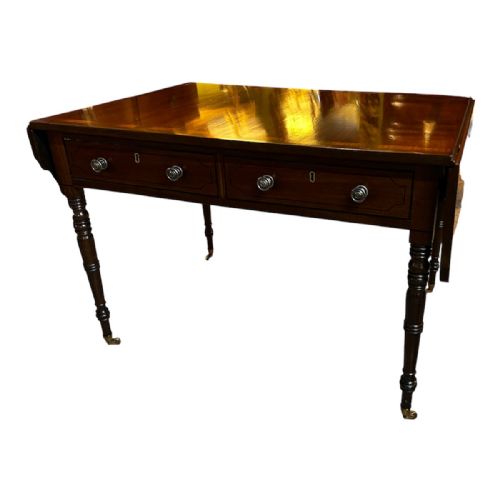
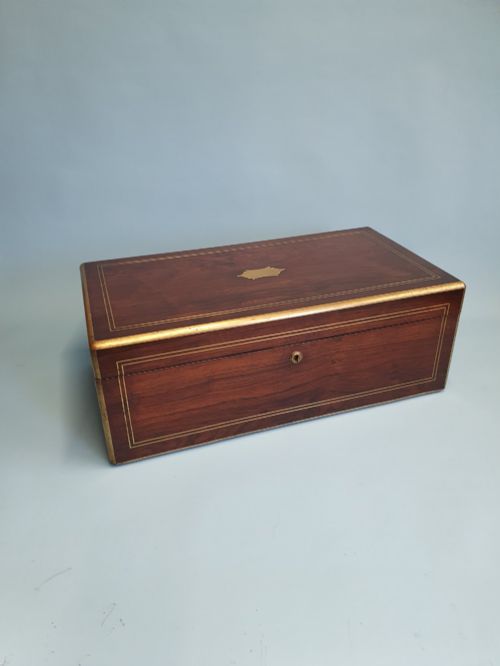
When buyers search for a georgian rosewood desk, they find pieces spanning the Georgian, Regency, and later nineteenth-century periods, alongside broader nineteenth-century examples. The selection includes freestanding library tables, compact writing slopes, and larger writing cabinets.
Most pieces date from the Regency and late Georgian eras, showcasing the dark, figured timber typical of these workshops. Alongside traditional desks, related forms such as sofa tables and bureau bookcases appear frequently in the available stock.
Materials and construction
Makers constructed these pieces primarily from solid and veneered rosewood, frequently incorporating contrasting brass inlay, brass mounts, and wood inlay to accent the dark timber. Secondary materials include leather writing surfaces and glass elements.
Joinery methods reflect the standards of eighteenth and nineteenth-century cabinet makers, with attention given to secret drawers, drop flaps, and freestanding structural stability.
Listings feature rosewood alongside mahogany, with brass and leather details frequently complementing the primary wood.
Markers of execution
Quality in these pieces rests upon the selection of timber grain, the precision of brass inlay, and the retention of original interior fittings such as secret drawers and inkwells. Finer examples display harmonious proportions and careful attention to secondary timbers.
The degree of carving, the integration of brass mounts, and the overall crispness of the joinery separate standard workshop output from exceptional cabinet work.
Gillows·Barber and North of York
The Georgian Rosewood Desk Glossary
- Rosewood
- A dense, heavily figured timber valued for its dark colour and prominent grain patterns. It served as a primary surface veneer on high-status furniture throughout the Georgian and Regency periods.
- Writing slope
- A portable or table-mounted box with a hinged, slanted lid that opens to reveal a fitted interior for stationery. These pieces often feature leather-lined writing surfaces and hidden compartments.
- Library table
- A large freestanding table designed for the centre of a room, finished on all sides with drawers or dummy drawers. They provide a stable surface for reading and correspondence.
- Brass inlay
- The technique of embedding thin strips or geometric shapes of brass into the wood surface to create decorative patterns. It appears frequently on Regency furniture.
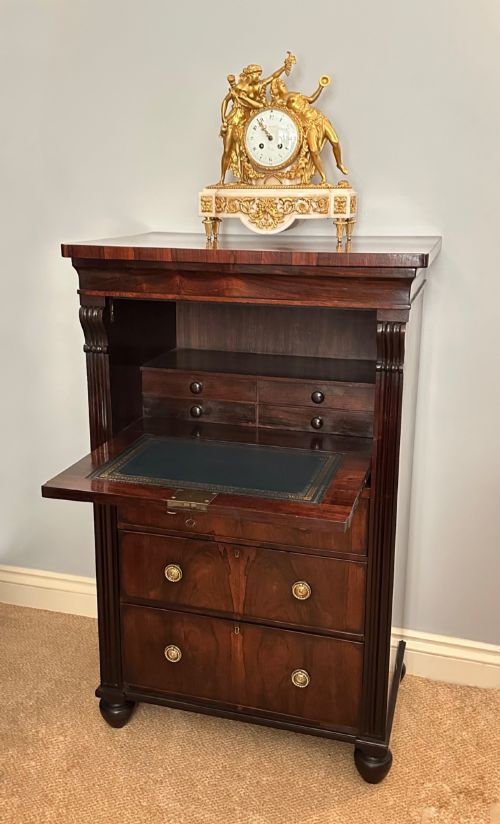
- Escritoire
- A tall writing cabinet featuring a fall-front panel that conceals a fitted interior of small drawers and pigeonholes. These items combine storage with a compact writing desk.
Georgian Rosewood Desk: Frequently Asked Questions
What is a georgian rosewood desk?
A georgian rosewood desk is a wooden writing table or slope produced during the Georgian or Regency periods using figured rosewood timber. These pieces range from compact portable writing boxes to large freestanding library tables.
Cabinet makers utilised the dense grain of the wood to create striking surfaces, often enhanced with brass inlay or leather inserts. They served as functional furniture for correspondence and document storage in period homes.
How do I date a rosewood desk?
Dating relies on examining the structural style, hardware, and secondary timbers used in the construction. Regency and late Georgian pieces often feature characteristic brass mounts and sabre legs.
Consulting the specific period markers and comparing construction methods with known pieces helps establish an approximate decade. Makers' stamps or signatures, where present, offer more precise verification.
Were these desks used for writing?
These desks functioned primarily as dedicated writing surfaces for letters, accounts, and official correspondence. Portable writing slopes allowed owners to carry their writing materials between rooms.
Larger library tables and pedestal desks remained in fixed positions within studies and libraries. Fitted interiors with inkwells and compartments supported daily administrative tasks.
How do I care for rosewood furniture?
Rosewood requires stable indoor humidity and protection from direct sunlight to prevent the timber and veneer from drying out. Gentle dusting with a dry, soft cloth maintains the finish.
Avoid placing hot items or liquids directly on the polished wood surface. Regular application of appropriate wax preserves the depth of the grain.