




George IV Writing Table
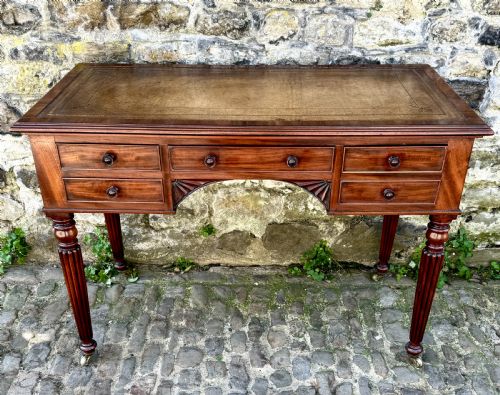
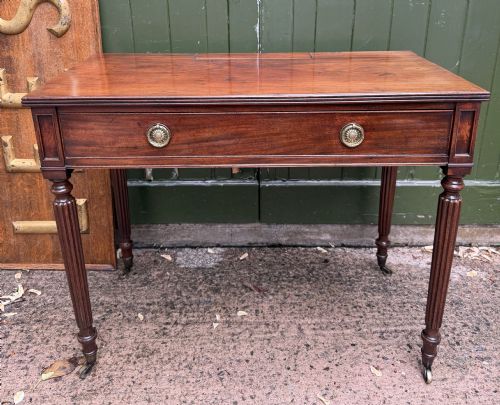
A george iv writing table brings together cabinet-maker skill and rich timber, offering a functional desk built for the early nineteenth century.
George IV Writing Table
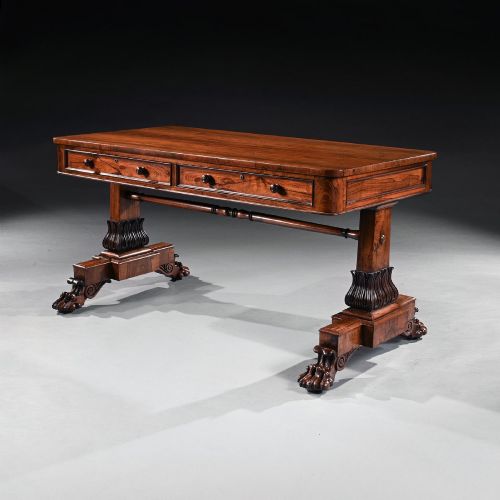
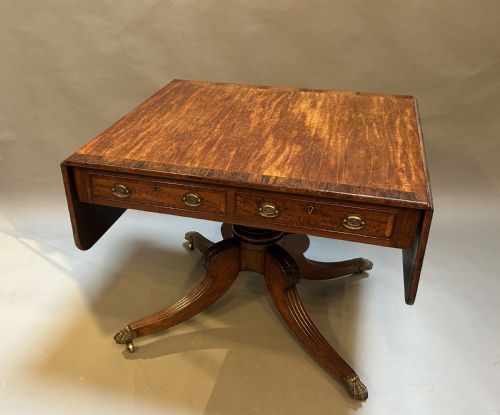
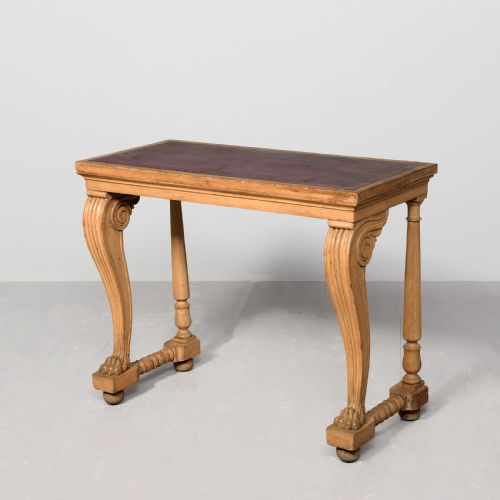
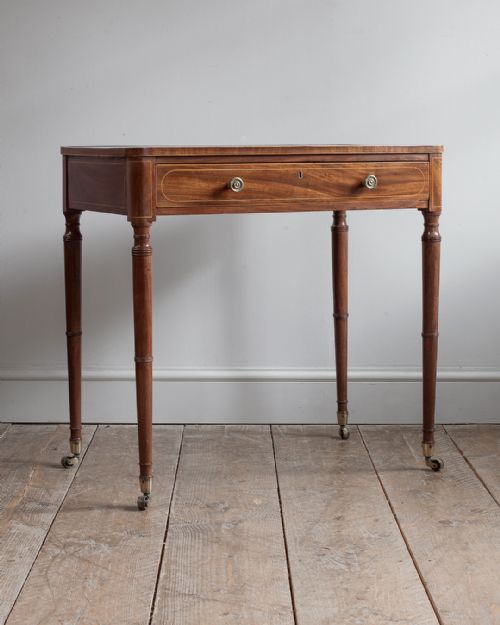
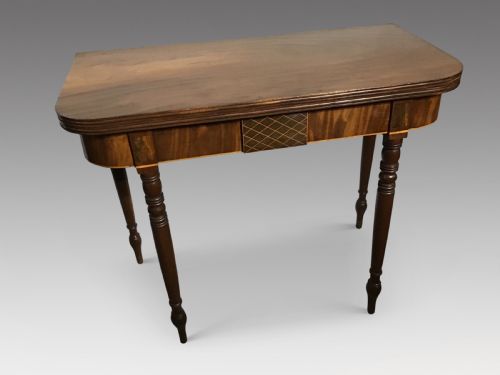
When you search for a george iv writing table, you encounter freestanding desks and library tables produced during the early nineteenth century and the Regency period. These pieces frequently appear in solid mahogany and rosewood, taking forms such as kneehole desks, partners tables, and drum tables.
The version most commonly met on this page is the mahogany writing table featuring multiple drawers, occasionally bearing the design traits associated with Gillows of Lancaster. Cabinet-makers of this era also constructed library tables with pedestal bases and sofa tables with drop leaves.
Makers constructed these items to serve scholarly and domestic uses in period libraries and drawing rooms. The selection includes smaller chamber desks alongside imposing partners tables designed for use from both sides.
Materials and construction
Cabinet-makers relied heavily on dense tropical hardwoods like mahogany and rosewood, frequently selecting figured timber for top surfaces and drawer fronts. Workshops incorporated secondary timbers such as oak for drawer linings and internal framing.
Craftsmen utilised brass for castors, key escutcheons, and occasional ormolu mounts, whilst incorporating leather inserts into the writing surfaces. Joinery involved precise dovetailing for drawers and robust turning for pedestals and legs.
George IV Writing Table Retail Price Guide 2026
Typical asking prices for george iv writing table among the pieces listed under this phrase on Sellingantiques today, from the lower quarter to the upper quarter. They describe what is for sale here now, not the wider market.
Lions paw feet support several library tables, letting fierce beasts hold up your morning paperwork.
Distinctions in quality
Quality rests upon the selection of timber figure, the crispness of carved details such as lions paw feet, and the integrity of the original construction. Superior examples display thoughtful proportions and substantial secondary woods.
Pieces attributed to known workshops like Gillows demonstrate finer tolerances in drawer construction and more sophisticated turning compared to standard domestic items.
James Mein of Kelso·Gillows of Lancaster·Taprel Stephen and Holland
The George IV Writing Table Glossary
- Drum table
- A round library table with a rotating or stationary top surrounded by small drawers.
- Kneehole table
- A desk or dressing table featuring a central recess for the legs flanked by banks of drawers.
- Partners table
- A large desk constructed with drawers on opposite sides to accommodate two users simultaneously.
- Sofa table
- A rectangular occasional table fitted with drop leaves on either end, originally designed to sit before a sofa.
- Ormolu
- Gilded bronze applied as decorative mounts on high-status furniture.
George IV Writing Table: Frequently Asked Questions
How do I use a writing table today?
These tables adapt readily to modern studies and living rooms as functional desks or console surfaces.
Their substantial timber construction and generous drawer space provide practical storage for contemporary stationery and laptops.
Were these desks made for partners?
Certain larger library desks feature drawers on opposite long sides to allow two people to work facing each other.
Such partners tables typically stand free in the middle of a room rather than against a wall.
What timber was most popular?
Mahogany dominates the surviving inventory, valued for its deep colour and durability during the early nineteenth century.
Cabinet-makers also turned to rosewood, satinwood, and goncalo alves for high-status commissions.
How do I spot a Gillows piece?
Look for stamped maker marks, distinctive brass castors, and meticulous secondary wood joinery associated with the Lancaster firm.
Attributions often rest on characteristic leg turning and drawer construction methods.