


Georgian Revival Furniture
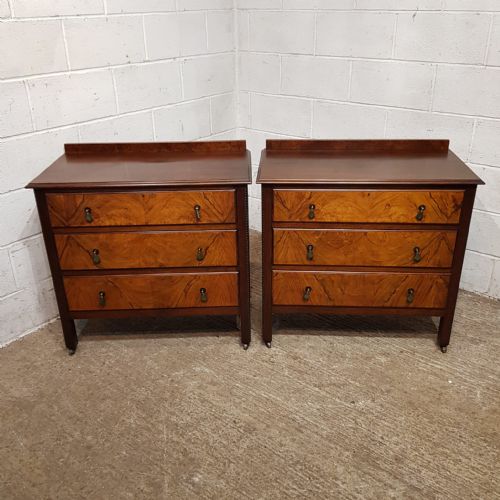
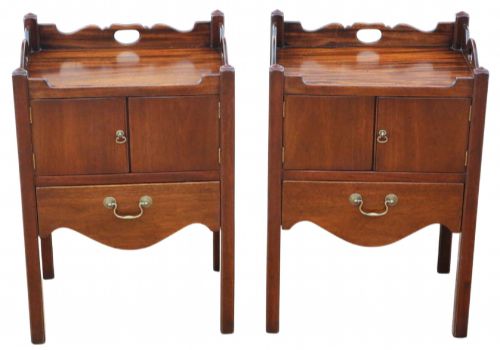
Georgian revival furniture captures the refined proportions and classical details of eighteenth-century design through the craftsmanship of the Victorian, Edwardian, and later periods.
Georgian Revival Furniture
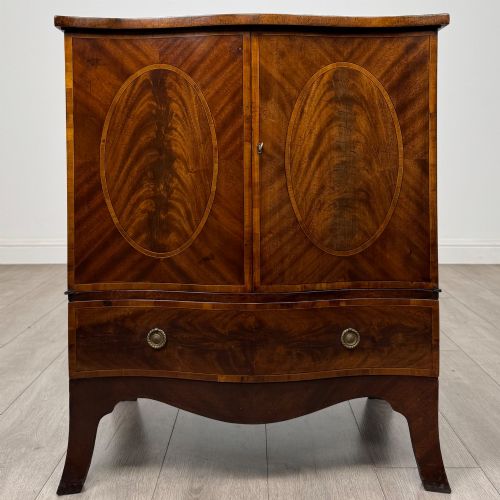
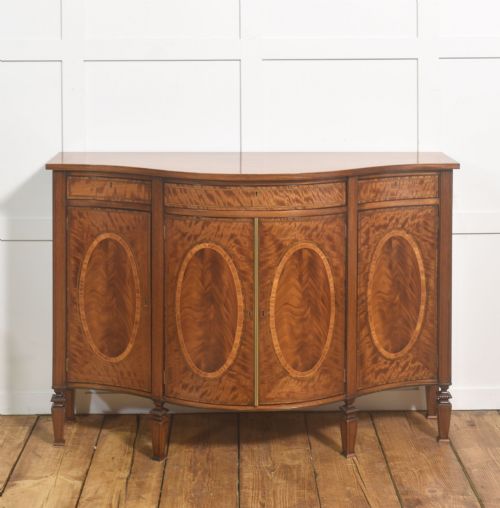
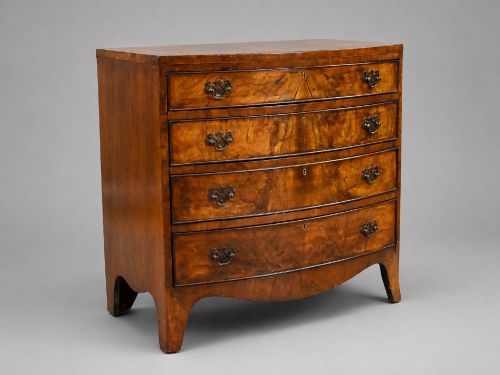
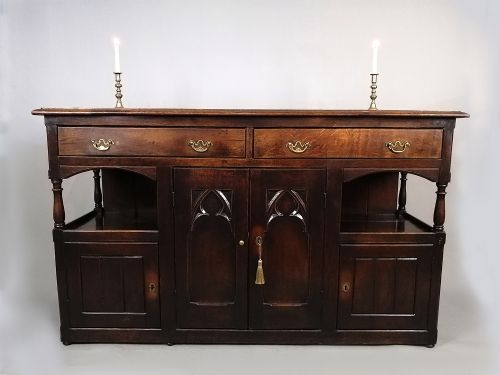
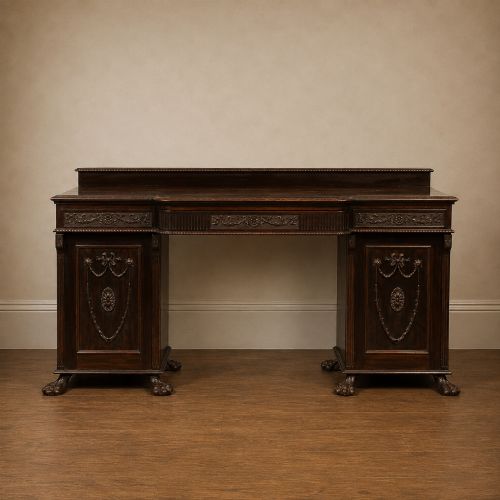
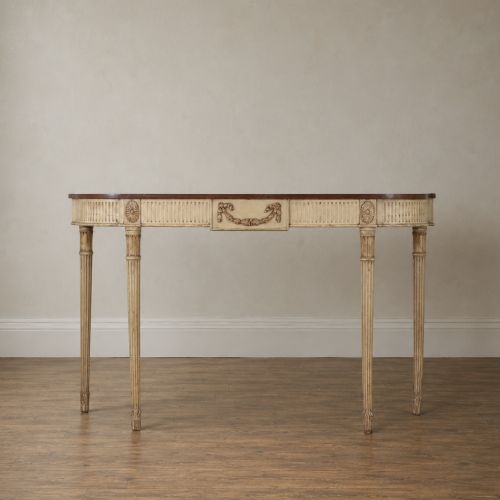
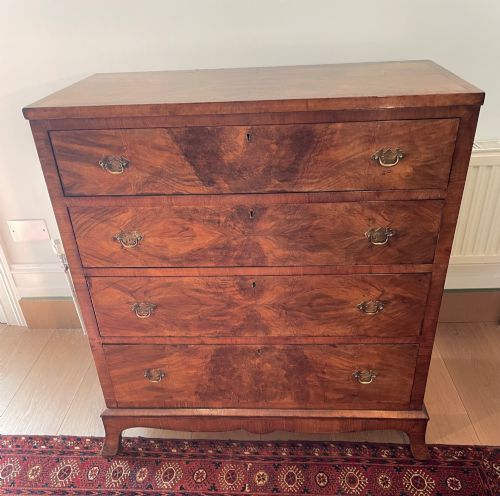
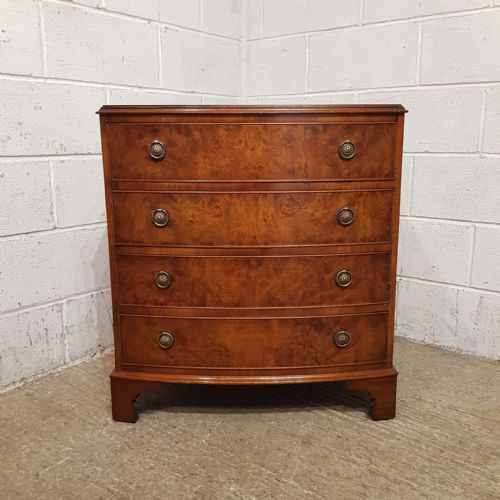
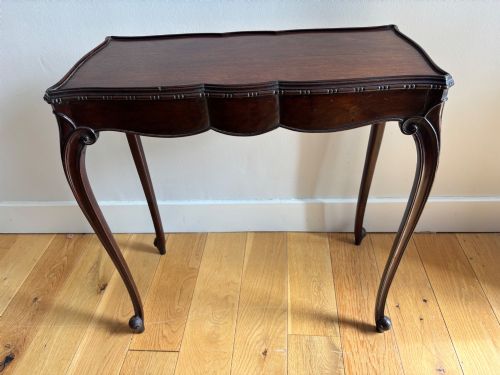
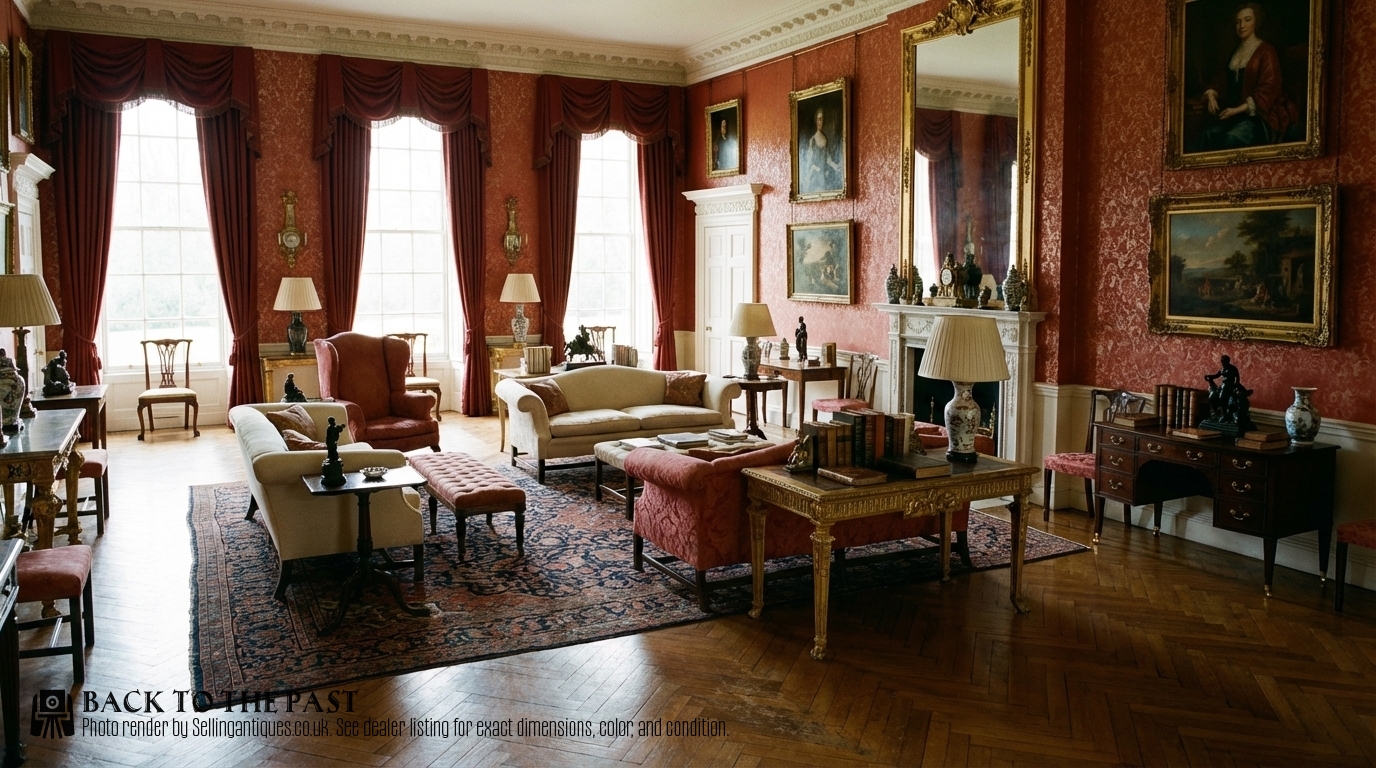
Georgian revival furniture encompasses a diverse selection of storage pieces, seating, and display items produced primarily during the late nineteenth and early twentieth centuries. Pieces frequently draw inspiration from specific eighteenth-century vocabularies, ranging from Sheraton and Chippendale to Adam and Queen Anne designs. Chests of drawers, sideboards, and occasional tables dominate the selection, offering functional utility alongside formal historical styling.
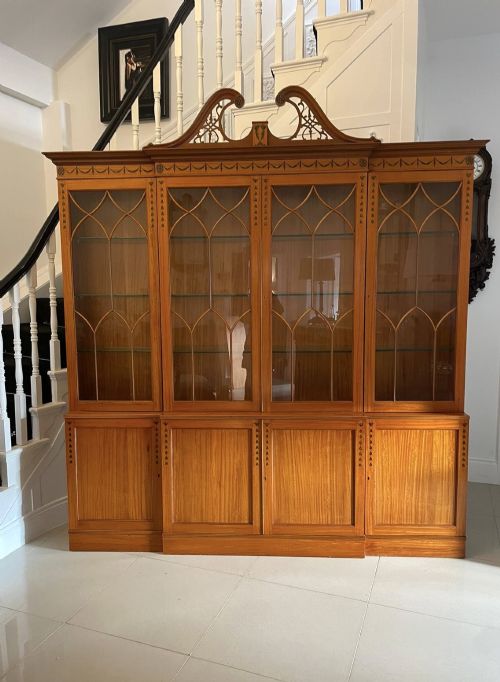
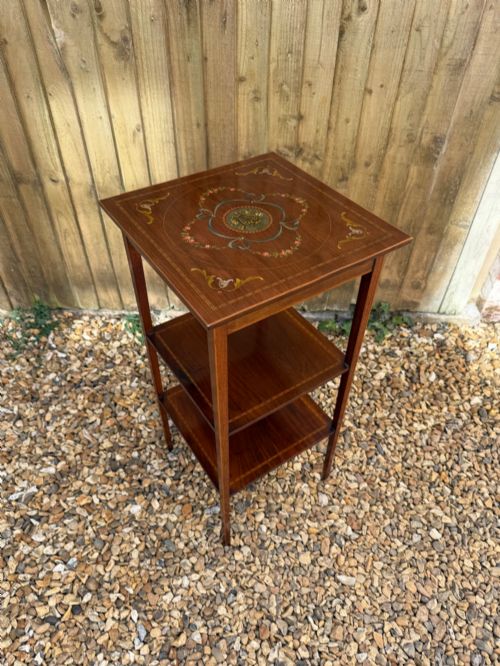
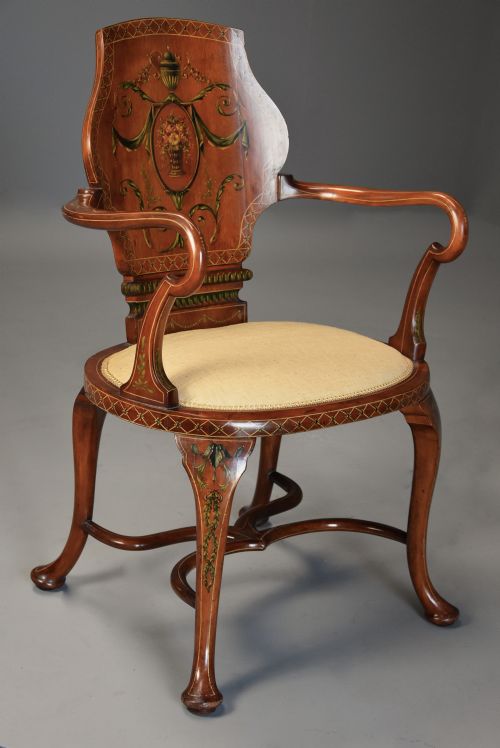
The objects available span the Edwardian era through the nineteen-thirties, reflecting a sustained domestic appetite for revivalism. Makers of these eras produced substantial breakfront display cabinets, compact bedside cupboards, and writing desks that adapted earlier aesthetic ideals to contemporary homes. Buyers will encounter both mahogany items with restrained classical lines and satinwood pieces featuring painted decoration or delicate inlay.
How they were made
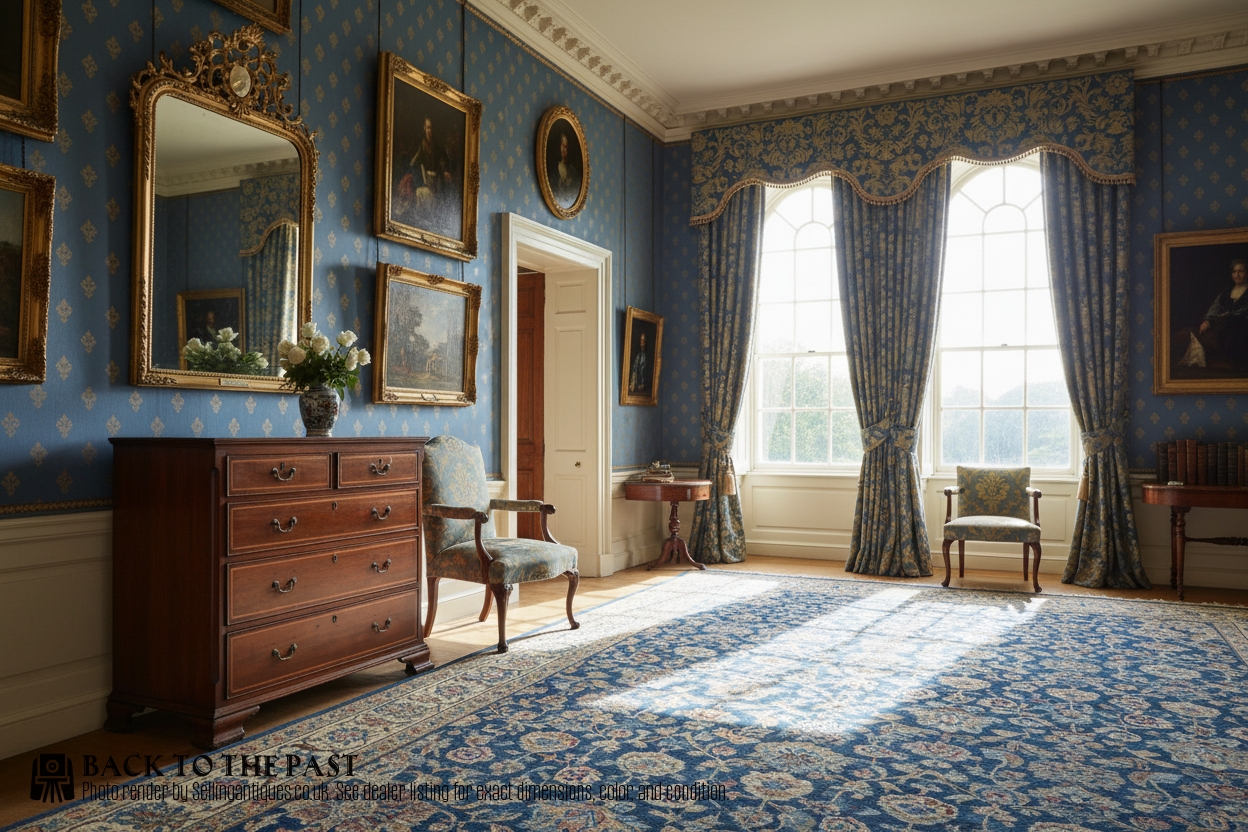
Cabinetmakers constructed these revival pieces using dense timbers such as mahogany, walnut, and oak, frequently applying figured veneers like burr walnut and satinwood to primary surfaces. Decorative embellishments relied on boxwood stringing, brass hardware, and hand-painted motifs that echoed eighteenth-century precedents. Glazed doors utilised delicate astragal framing, while structural elements in tables and seating sometimes incorporated hand carving.
Joinery techniques combined traditional framing methods with the industrial capabilities of the late nineteenth and twentieth centuries to ensure stability in larger forms like breakfront sideboards and bookcases. Timber selection dictated the character of each piece, with contrasting woods utilised for borders and inlay work to create distinct visual panels. Surface finishes preserved the natural grain of the wood or supported painted and gilded decorative schemes.
Georgian Revival Furniture Retail Price Guide 2026
Typical asking prices for georgian revival furniture among the pieces listed under this phrase on Sellingantiques today, from the lower quarter to the upper quarter. They describe what is for sale here now, not the wider market.
Listings feature mahogany, satinwood, and burr walnut across forms including chests of drawers, sideboards, and display cabinets from the Edwardian period onwards.
What varies in quality
Quality in georgian revival furniture rests upon the depth of the cabinetmaking and the fidelity of the historical interpretation. Superior examples display carefully chosen timber grains, balanced veneer matching on drawer fronts, and crisp, restrained carving rather than heavy-handed ornamentation. The integration of secondary woods and the precision of inlaid boxwood stringing signal the level of care invested by the maker.
Proportion and the handling of classical motifs differentiate standard commercial production from exceptional pieces. Refined items maintain the delicate balance characteristic of the original Georgian periods, whereas lesser examples can appear heavy or stiff in their execution. Original painted decoration and well-preserved brass furniture further elevate the distinction between ordinary and distinguished pieces.
Wylie and Lochhead·maples of London
The Georgian Revival Furniture Glossary
- Breakfront
- A cabinet or sideboard whose central section projects forward from the flanking outer sections. This architectural arrangement creates depth and visual rhythm in large storage furniture.
- Astragal glazed
- A glass door divided into smaller panes by narrow wooden bars called astragals. These bars frequently form geometric or Gothic arch patterns.
- Satinwood
- A durable, yellowish timber prized for its smooth sheen and fine grain. It serves as a primary wood or veneer for highly decorative late nineteenth and early twentieth-century pieces.
- Stringing
- Thin inlay lines of contrasting wood set flush into the surface of a panel or drawer front. Boxwood is commonly utilised for this linear decoration.
- Lowboy
- A small side table with one or more rows of drawers supported on four legs. The form originated in the late seventeenth century and remained popular in revival designs.
Georgian Revival Furniture: Frequently Asked Questions
What periods produced georgian revival furniture?
Production spans from the late nineteenth century through the Edwardian era and into the nineteen-thirties. Cabinetmakers during these decades reinterpreted earlier Georgian, Sheraton, and Chippendale designs for contemporary domestic interiors.
Makers utilised traditional forms alongside updated construction methods to supply homes with desks, sideboards, and chests of drawers that mirrored eighteenth-century aesthetics.
How do I identify a revival piece from an original?
Examination of internal timbers, backboards, and secondary woods typically reveals the later nineteenth or twentieth-century origin of revival furniture. Machine-cut components and modern hardware fixings also distinguish these later interpretations from eighteenth-century work.
Stylistic proportions can offer clues, as revival pieces sometimes blend decorative motifs from several distinct Georgian designers into a single cabinet or table.
How should I care for satinwood and mahogany surfaces?
Maintain timber surfaces by dusting regularly with a soft, dry cloth to prevent particulate accumulation. Avoid placing furniture in direct sunlight or near heat sources to protect polished finishes and delicate veneers.
Periodic application of appropriate wax polish helps nourish the wood and preserves the sheen of inlaid stringing and painted decorations.
Where were these cabinets and sideboards typically used?
Large breakfront display cabinets and sideboards served primary reception rooms and dining spaces to store and exhibit household silver and china. Smaller items like occasional tables and bedside cupboards functioned in bedrooms and parlours.
Writing desks and bureaus provided dedicated spaces for correspondence in studies and drawing rooms across Edwardian and interwar homes.