

Georgian Portraiture Artwork
Georgian portraiture artwork captures the individual likenesses of past centuries through oil paintings, pastels, and engravings set within period frames.
Georgian Portraiture Artwork
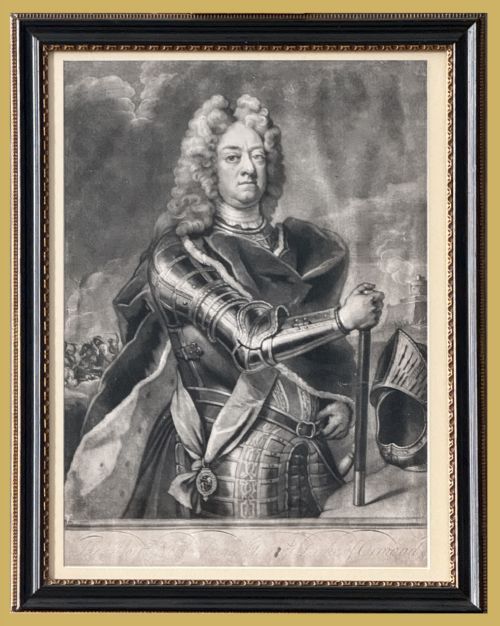
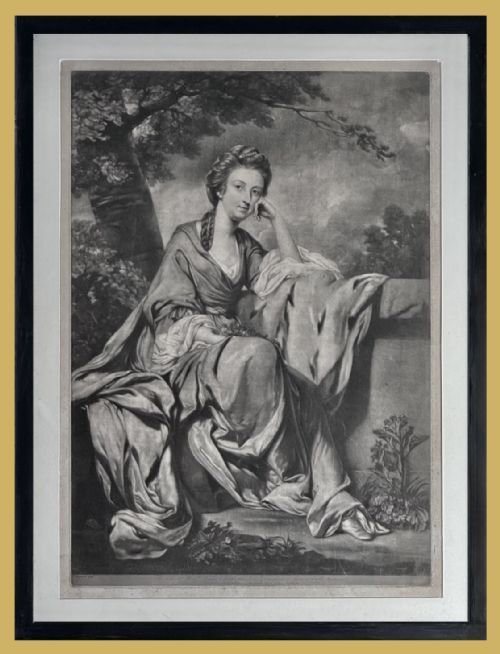
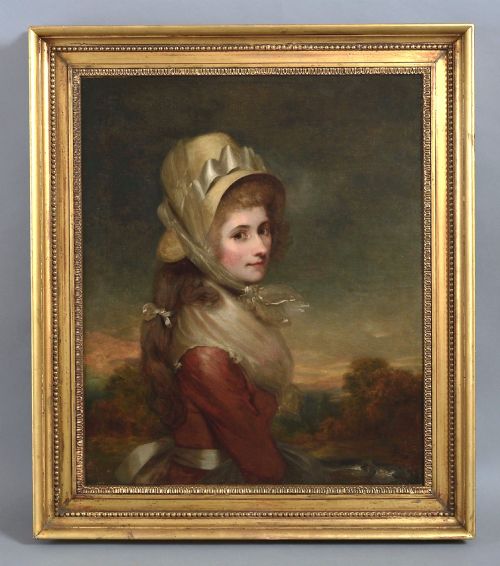
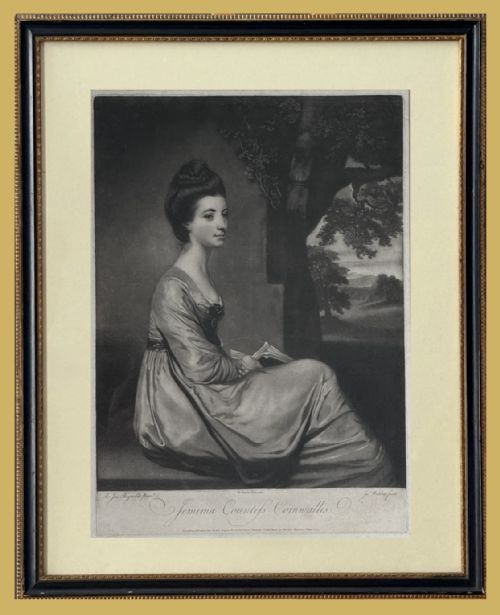
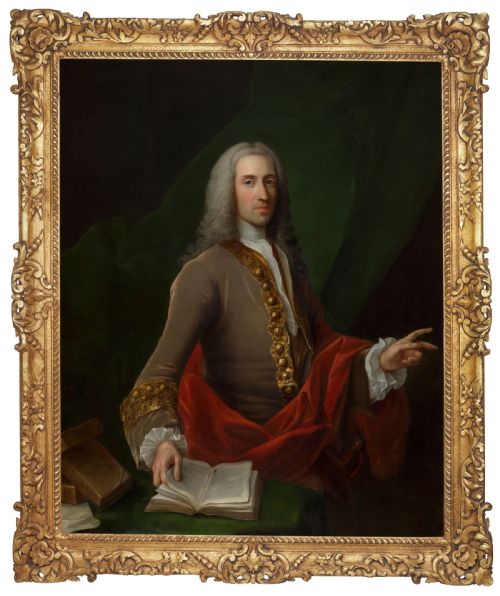
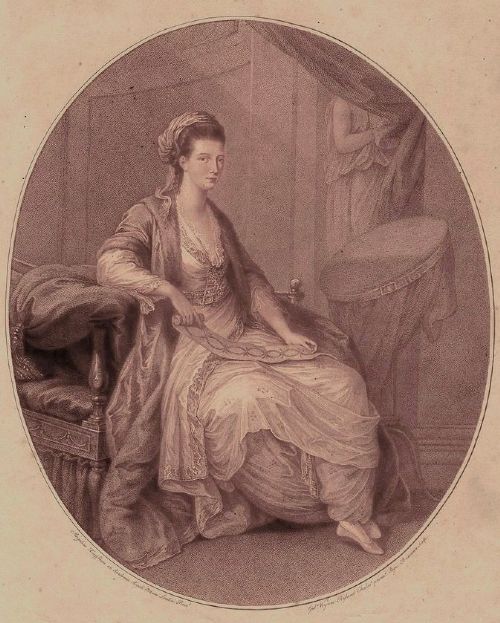
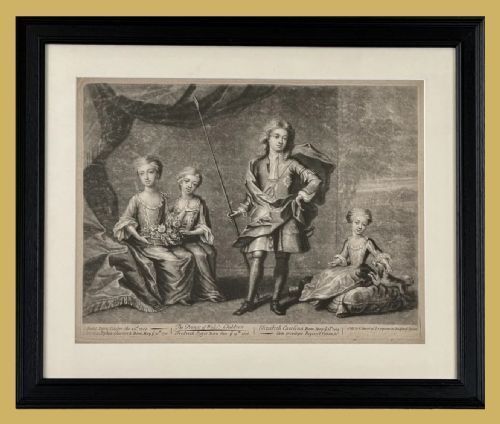
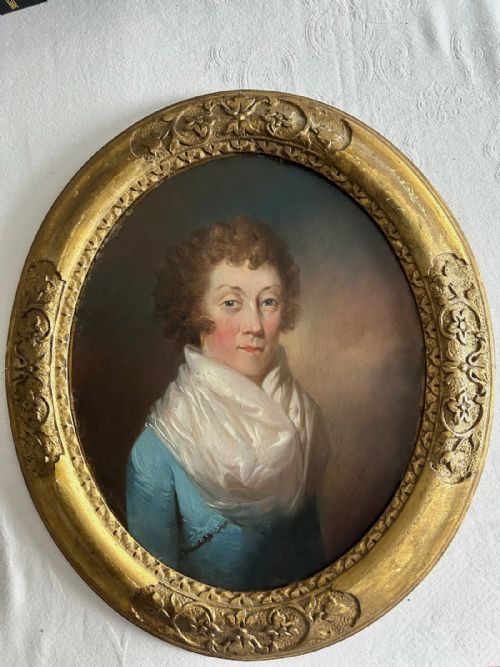
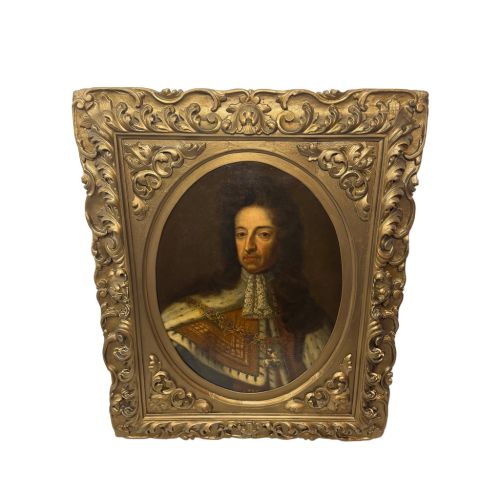
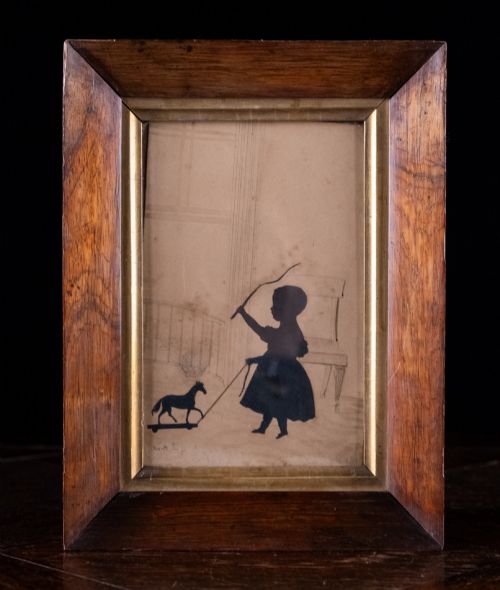
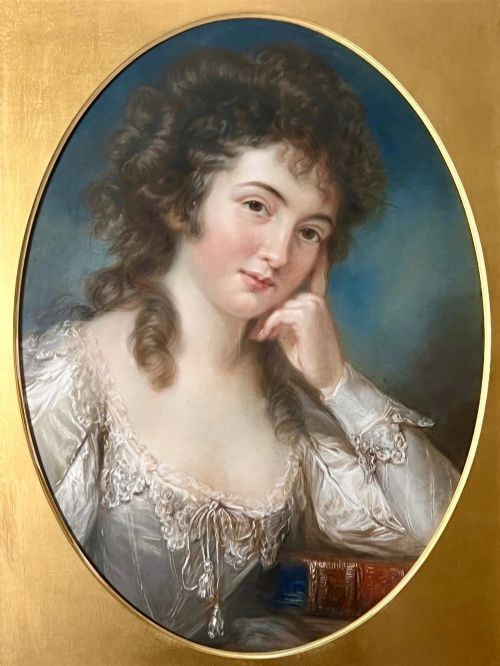
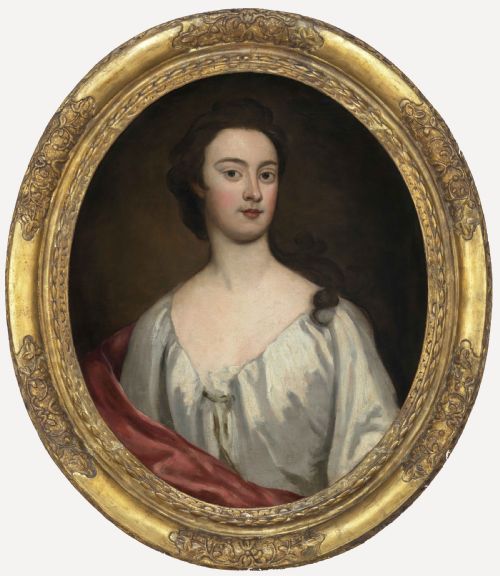
Georgian portraiture artwork encompasses historical depictions of nobility, gentry, and children created primarily during the eighteenth and nineteenth centuries. A buyer searching this phrase encounters oil paintings on canvas alongside works rendered in pastel, watercolour, and engraved formats.
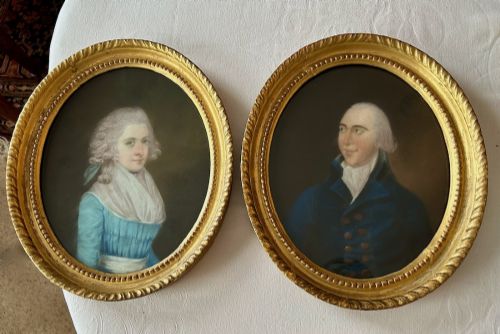
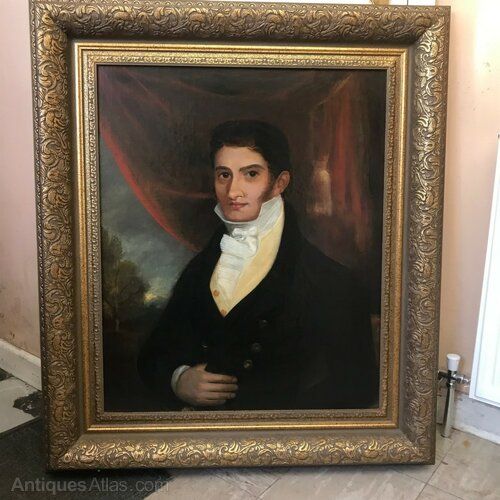
The selection on this page relies heavily on eighteenth-century and Regency examples, featuring subjects ranging from titled lords and royalty to young girls and gentlemen with books. These pieces often arrive housed in original wooden, maple, or giltwood frames that complement the character of the canvas.
Materials and Methods
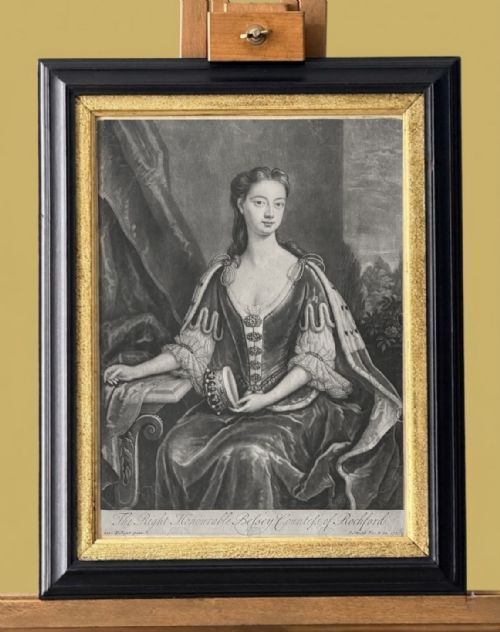
Artists of this era built their compositions using oil paint on canvas, applying layers of pigment to capture the rich textures of silk dresses, lace, and powdered wigs. Paper serves as the primary support for delicate pastel and watercolour portraits, while printmakers utilised copper plates to produce detailed mezzotint engravings.
The supporting structures demonstrate traditional carpentry, utilising wooden stretchers and heavy giltwood or maple frames secured with glass where works on paper required protection. Many canvases retain their original mounting methods, reflecting the standard workshop practices of English and European portrait painters.
Listings feature works spanning the 1700s, 18th century, Regency period, and Victorian era, utilising oil on canvas, pastel, paper, and giltwood.
Assessing the Standard
The preservation of the surface and the originality of the frame significantly influence the standing of a piece. Canvases showing minimal past restoration and retaining their period giltwood surrounds command greater attention than heavily relined works housed in modern mouldings.
John Simon·Edward Fisher·Sir Joshua Reynolds·Sir Martin Archer Shee·Jeremiah Davison·James Watson·John Smith·Charles d'Agar·Augustin Edouart·John Russell·Joseph Highmore·John Hamilton Mortimer·Thomas Gainsborough·Alan Ramsay·Enoch Seeman·Robert Byng·Andrea Soldi·Thomas Beach·Sir Thomas Lawrence
The Georgian Portraiture Artwork Glossary
- Mezzotint
- A printmaking process where the copper plate is roughened to achieve rich tones and subtle gradations of light. This technique allowed printmakers to translate oil paintings into highly textured monochromatic portraits.
- Giltwood
- Timber carved and coated with a thin layer of gold leaf to create a brilliant decorative surface. Such frames were custom-made to house important eighteenth-century canvases.
- Pastel
- A dry medium composed of powdered pigment and a binder, applied directly to paper. It offers luminous colour but requires protection beneath glass.
- Regency
- The stylistic period spanning the early nineteenth century, characterised by classical restraint and specific clothing fashions. Portraits from this era often feature softer lighting and distinct regional attire.
- Provenance
- The documented history of ownership attached to a work of art. Established lineage confirms the identity of the sitter and the authenticity of the painting.
Georgian Portraiture Artwork: Frequently Asked Questions
What periods do these portraits cover?
The listings span from the late seventeenth century through the eighteenth century, the Regency era, and into the Victorian period. Most examples concentrate on the Georgian era and the early decades of the nineteenth century.
Artists during these times recorded the likenesses of subjects using oil, pastel, and engraving techniques distinct to each reigning aesthetic.
How should I display an oil portrait?
Oil paintings on canvas require stable indoor humidity and protection from direct sunlight to prevent the paint layers from cracking or fading. Hanging the piece on an interior wall away from heat sources preserves both the canvas and its wooden stretcher.
Ensuring proper wall fixings supports the weight of heavy giltwood frames safely.
How do I identify the sitter?
Some portraits feature inscriptions, traditional labels, or documented provenance detailing the name, title, and dates of the individual depicted. When a sitter remains anonymous, costume details, hair styling, and framing clues help narrow down the decade of creation.
Archival research into the artist's known commissions occasionally reveals the identity of unlabelled subjects.