




1700s Portrait Painting
A 1700s portrait painting brings centuries of aristocratic presence into a room, offering an authentic window through canvas and oil.
1700s Portrait Painting
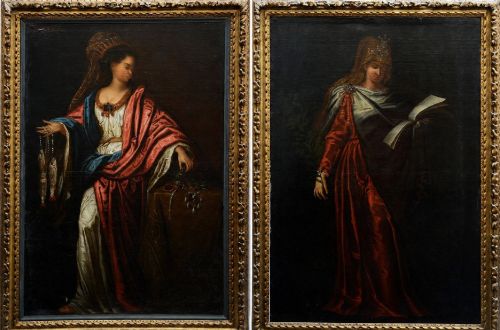
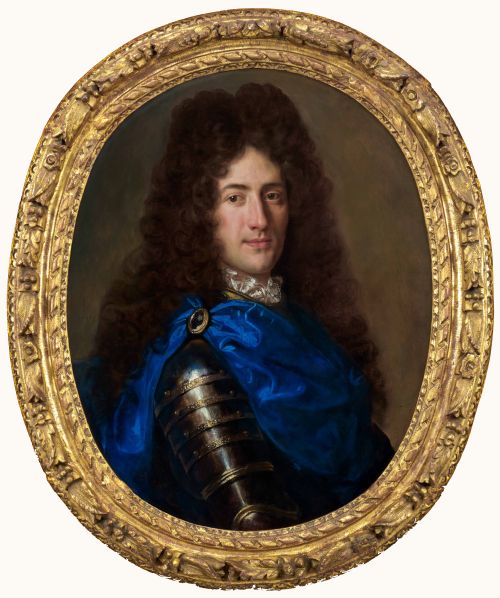
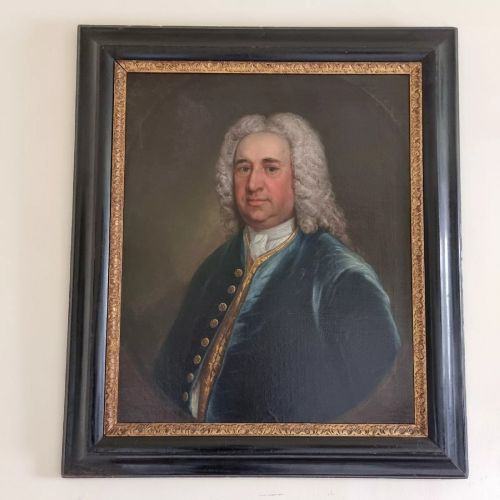
A 1700s portrait painting captures figures from history, rendered predominantly in oil on canvas across the eighteenth century and earlier 1700 dates. These works range from grand depictions of gentlemen in armour to intimate portrait miniatures and regional family studies.
Buyers encounter both British and continental European schools, including French Baroque pieces and works originating from British India. Subjects frequently include named individuals, from clergy and daughters of governors to members of landed families.
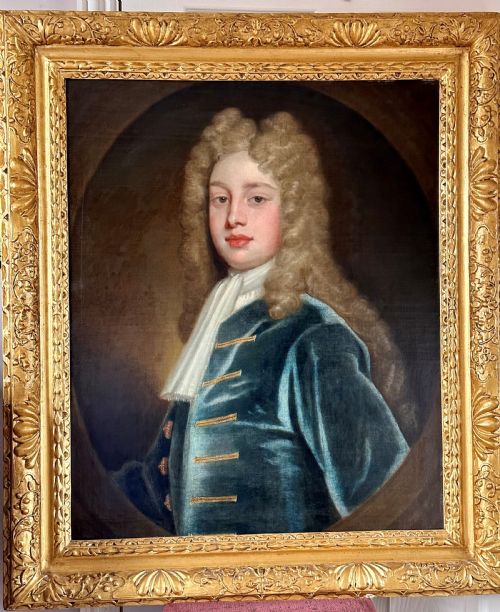
The dominant formats utilise oil paint upon stretched canvas, occasionally housed within period giltwood frames. Works span from the opening decades around 1700 through to the later Georgian period in the final years of the century.
Materials and construction
These works rely on oil on canvas as the primary medium, allowing artists to build deep layers of pigment and shadow. Canvases are stretched over wooden supports and frequently housed in heavy giltwood frames.
Frames incorporate carved wood finished with gilt metal or gold leaf, providing ornate surrounds that complement the dark palettes of the paintings. The integration of oil paint permits fine detail in costume, such as lace collars and azure cloaks.
Listings feature oil on canvas works framed in giltwood, spanning the 17th and 18th centuries under Georgian and Baroque styles.
Assessing quality in early portraits
Quality rests upon the confidence of the brushwork and the psychological depth captured in the sitter's expression. Superior examples demonstrate mastery in rendering fabrics like armour, velvet, and lace.
The attribution to a known hand or established studio elevates a piece, as seen in works linked to named portraitists. Original period frames that match the age of the canvas also influence the standing of the work.
Arthur William Devis·Sir Godfrey Kneller·Hans Hysing·Andrea Soldi·Bartholomeus Van Burgindis
The 1700s Portrait Painting Glossary
- Oil on canvas
- A painting medium where pigments are suspended in drying oils and applied to a woven fabric support. This combination creates rich colour depths and allows for subtle blending of skin tones.
- Giltwood
- Wood that has been treated with a thin layer of gold leaf or metallic powder. It provides a bright, reflective border to traditional oil paintings.
- Georgian
- The stylistic period spanning the reigns of the four King Georges from 1714 to 1830. Works from this era often reflect classical proportions and refined British aesthetics.
- Baroque
- An artistic style characterised by dramatic use of shadow, rich colour, and grand movement. It dominates much of the European painting tradition from the seventeenth into the early eighteenth century.
1700s Portrait Painting: Frequently Asked Questions
How do I identify a painting from the 1700s?
Look closely at the canvas preparation, stretcher frames, and the style of costume worn by the sitter. Clothing, wigs, and armour often provide the clearest chronological markers.
Material analysis of the pigments and the construction of the wooden frame further help confirm the age of the work.
Where were these portraits typically painted?
Production spanned British studios, continental European schools including French Baroque workshops, and colonial outposts such as India. Artists travelled extensively to commission portraits for colonial officials and landed gentry.
Signatures, inscriptions, and sitter biographies often record the specific geographical origin.
How should I care for an oil painting on canvas?
Keep the painting away from direct sunlight and fluctuating humidity to prevent the canvas from sagging and the oil paint from cracking. Gentle dusting with a soft, dry brush is sufficient for maintenance.
Avoid using water or chemical cleaners on either the canvas surface or the giltwood frame.