


Georgian Aristocratic Lady Painting
These georgian aristocratic lady painting works capture elite sitters in oil on canvas, framed in giltwood to anchor a grand interior.
Georgian Aristocratic Lady Painting
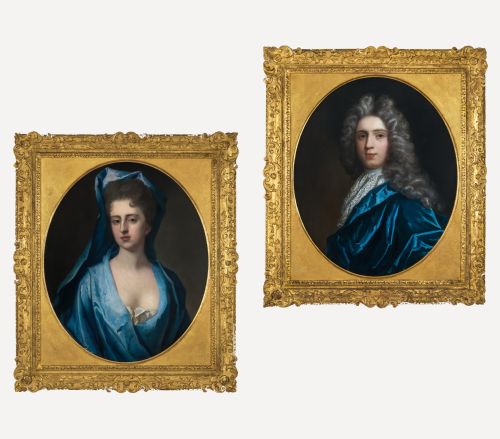
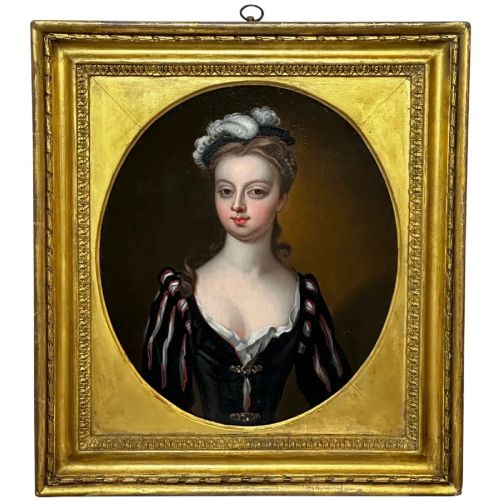
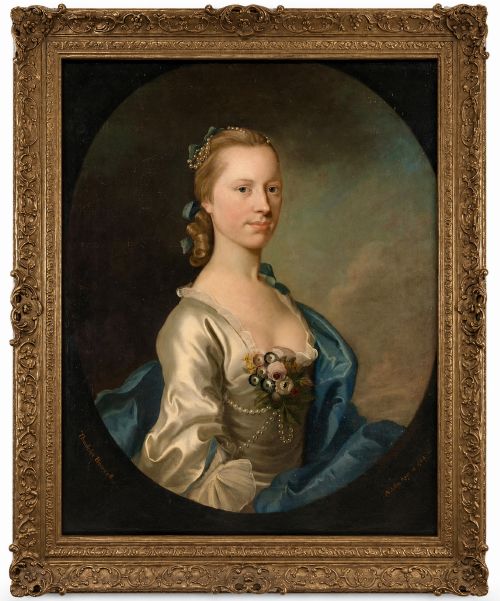
A georgian aristocratic lady painting presents female nobility and landed gentry through formal portraiture executed during the 17th and 18th centuries. The sitters appear in oil on canvas, often garbed in specific attire like ermine-trimmed cloaks, silver dresses with gold braided tassels, or blue gowns.
The works span the British Baroque and early Georgian styles, originating from periods around 1700 through the mid-18th century. Most examples depict named or attributed gentlewomen linked to prominent families such as the Wentworths, Montagus, Brydges, and Palmers.
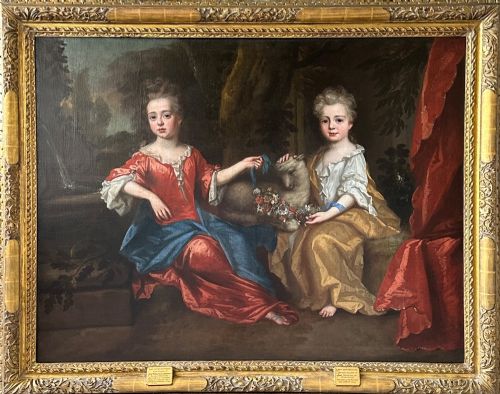
Compositions range from intimate bust-length portrayals to multi-figure family pieces showing daughters of marquesses and wives of earls. Surviving elements frequently include original gilded wood frames that complement the scale and status of the canvas.
Materials and construction
Painters built these images using oil paint applied to stretched canvas surfaces, capturing rich textures in fabrics like silk, satin, and fur. The pigments were layered carefully to render flesh tones, hair styled with pearls, and intricate dress details.
Surrounding the paintings are heavy wooden frames finished with gold leaf or giltwood, often carved with traditional ornamentation appropriate to the period. These frames protect the canvas edges and provide the necessary structural depth for hanging.
Recorded styles encompass British Baroque alongside early Georgian portraiture.
Quality and execution
The preservation of the original paint layer and the authenticity of the period giltwood frame significantly influence the integrity of the piece. Stronger works retain their original canvas tension and deep pigment saturation without excessive modern overpainting.
Michael Dahl·Thomas Murray·John Vanderbank·Allan Ramsay·James Maubert·Charles Jervas·Sir Godfrey Kneller·Philip Mercier·Joseph Highmore·Thomas Hickey
The Georgian Aristocratic Lady Painting Glossary
- Oil on canvas
- A painting medium where pigments suspended in drying oils are applied to a woven fabric support. This combination allowed artists to achieve rich colour depths and smooth gradations.
- Giltwood
- Wood that has been coated with a thin layer of gold leaf or powder. It provides a luminous, reflective border that enhances the formality of the portrait.
- British Baroque
- An artistic style prevalent in Britain from the late 17th to early 18th century. It emphasises grandeur, theatrical posture, and opulent drapery.
- Circle of
- A designation indicating that an artist worked closely within the studio or under the direct influence of a master. It denotes high technical competence contemporary to the named painter.
Georgian Aristocratic Lady Painting: Frequently Asked Questions
How were these portraits displayed?
Aristocratic families hung these large canvases in the principal reception rooms, galleries, and staircases of their country houses to project lineage and social standing.
The heavy giltwood frames ensured the paintings commanded attention against wood-panelled or damask-covered walls, serving as permanent statements of family authority.
How can I date an 18th-century portrait?
Dating relies heavily on the sitter's costume, hair styling, and the specific conventions of portraiture popular during the subject's lifetime. Elements such as ermine trims, silver braided tassels, or specific hair dressings help narrow the execution window.
Attributions to particular artists active within documented date ranges also provide a reliable chronological anchor for the canvas.
What does attribution to a circle mean?
An attribution to the circle of an artist indicates that the painter was a professional working in the immediate orbit or workshop of the named master. These hands often shared techniques and compositional templates.
Such works reflect the direct stylistic standards of major portraitists of the era without bearing the master's signature.