

Georgian Porcelain Plate
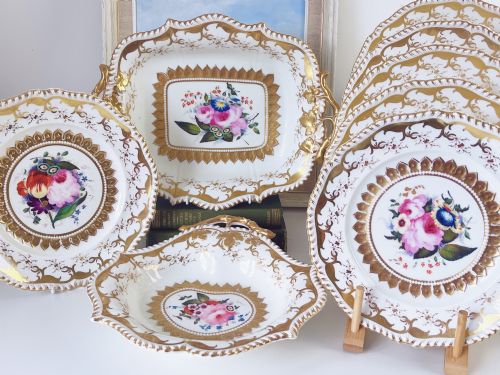
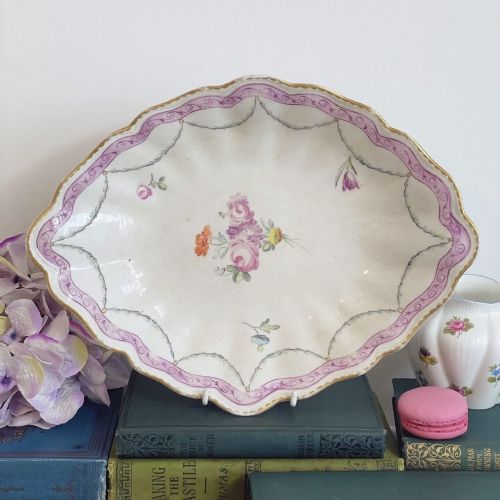
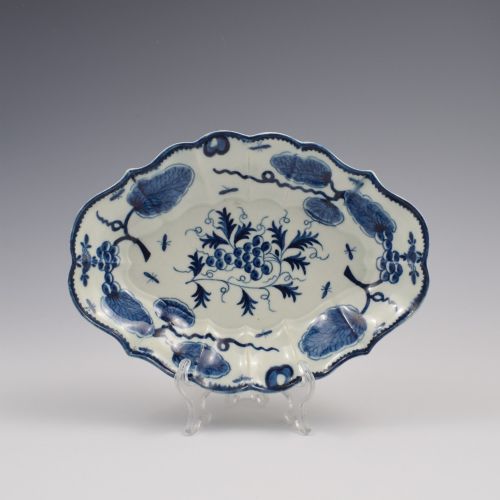
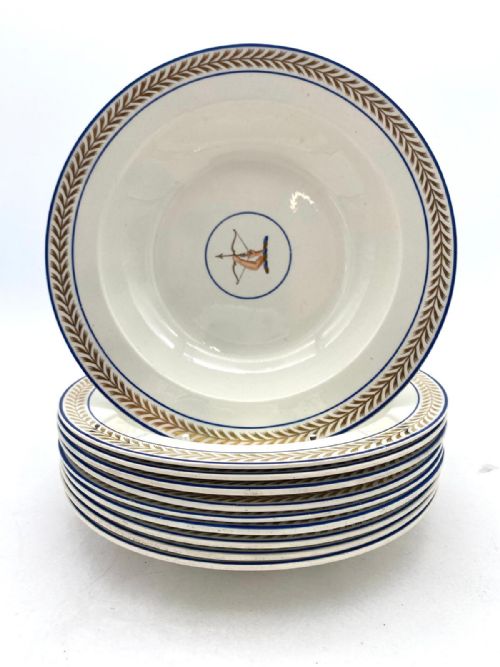
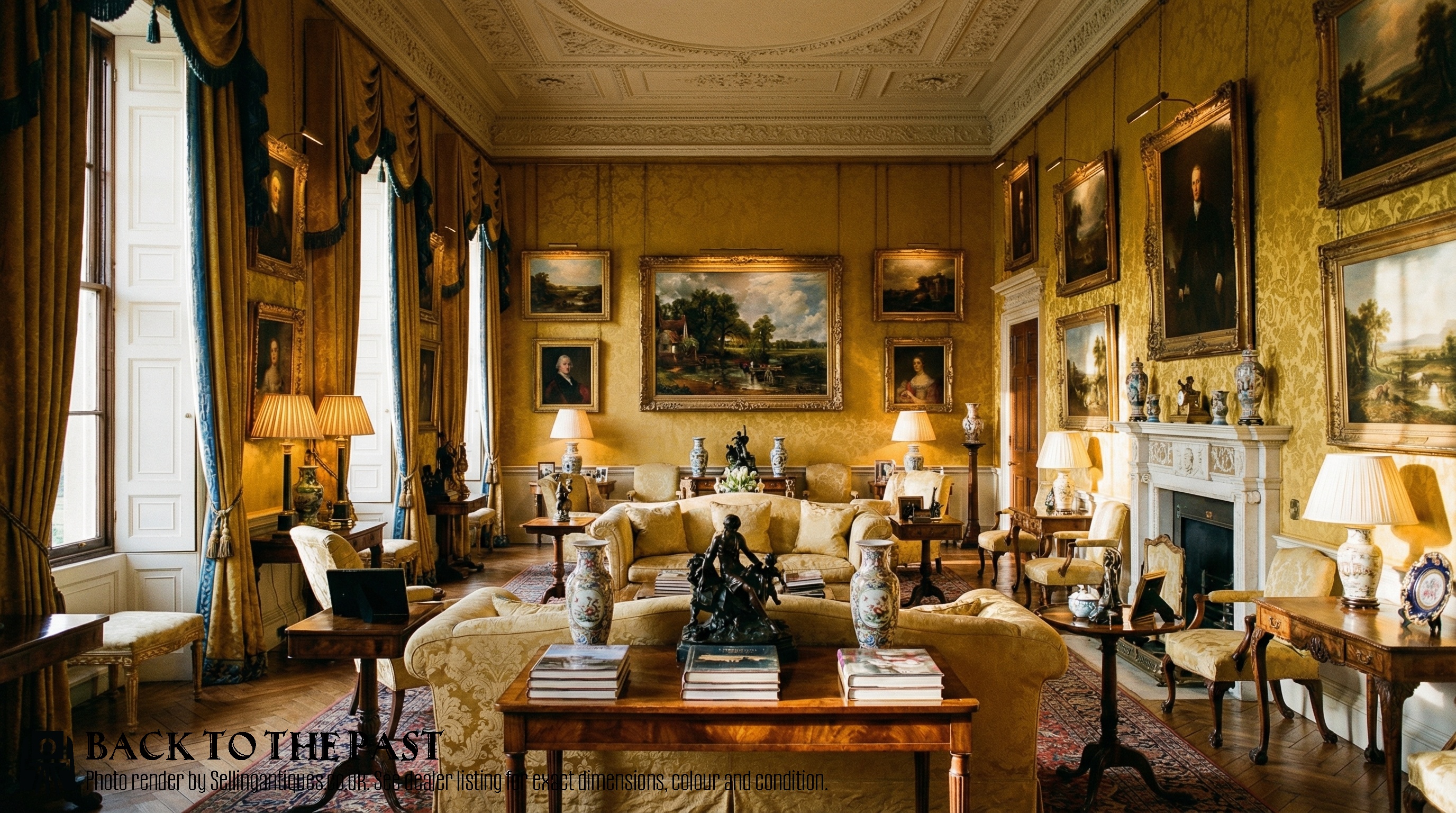
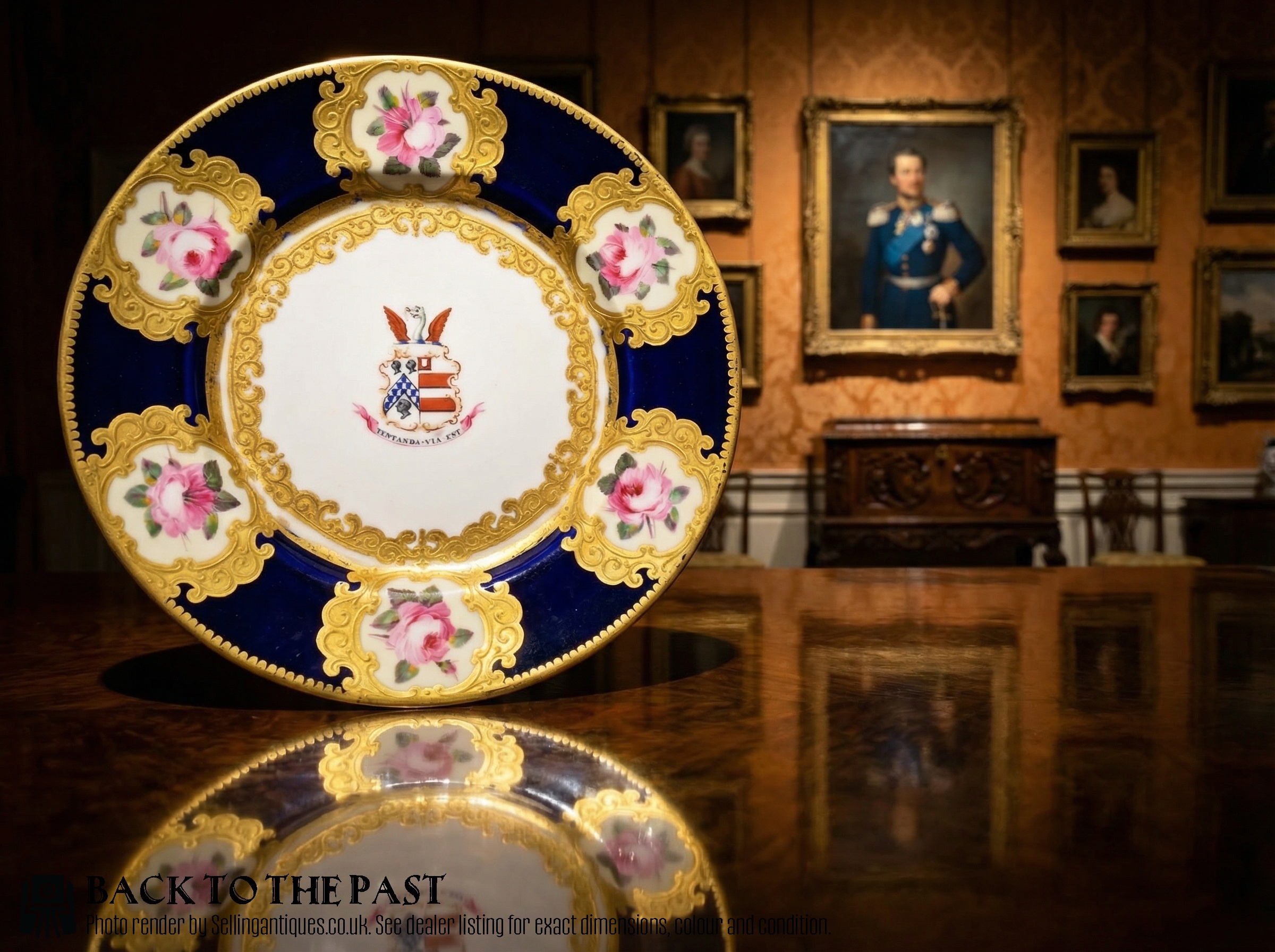
A georgian porcelain plate brings the refined hand-painted botanical studies and gilt borders of late eighteenth and early nineteenth century dining tables into a modern room.
Georgian Porcelain Plate
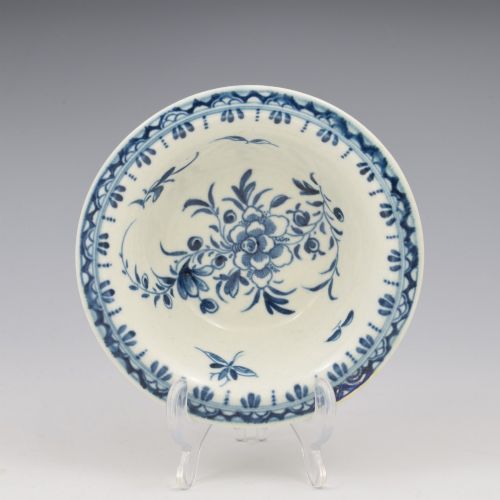
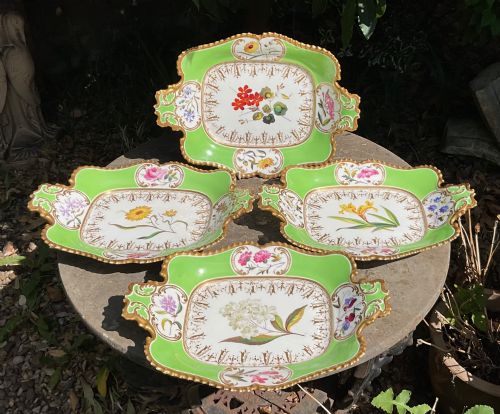
A georgian porcelain plate encompasses cabinet plates, dessert services, and serving dishes produced across the eighteenth and nineteenth centuries, frequently spanning the Regency period as well. These pieces were designed primarily for formal dessert courses rather than heavy daily dining, which explains why many surviving examples retain their vibrant enamel colours and delicate gilding.
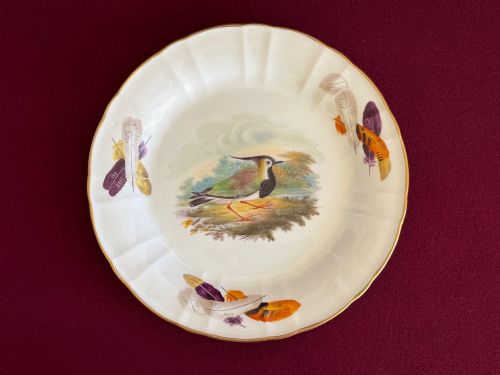
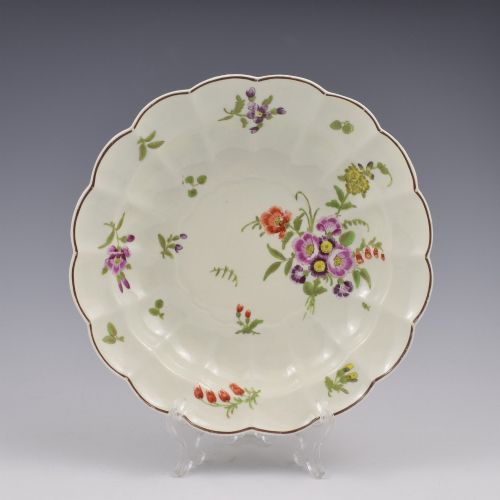
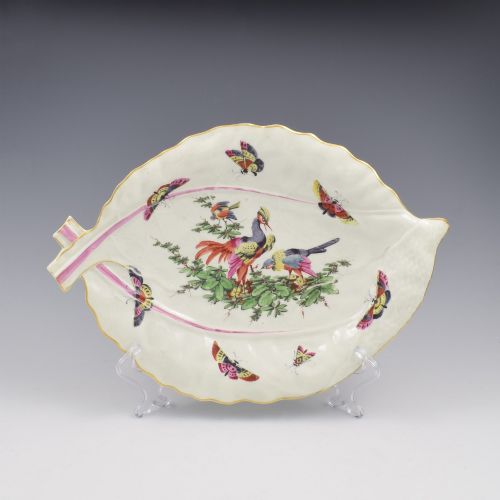
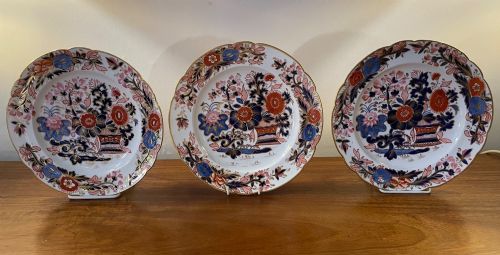
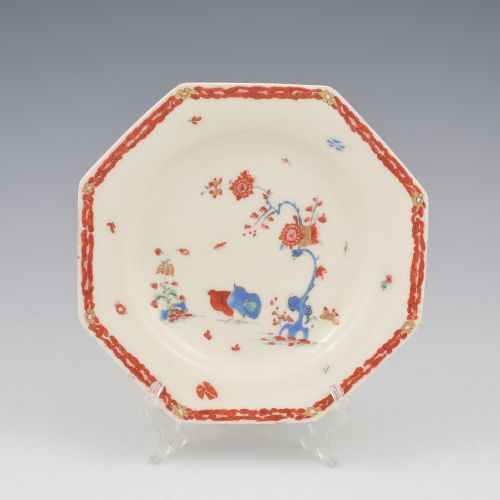
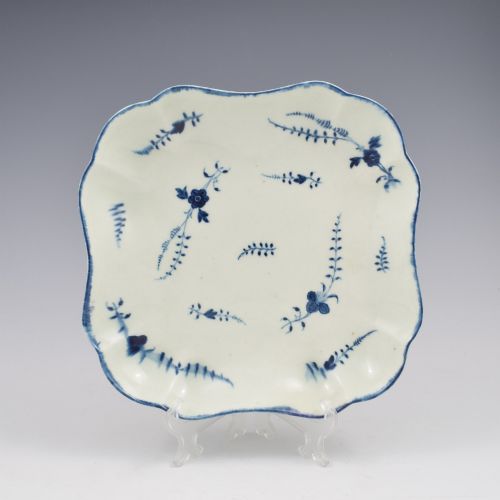
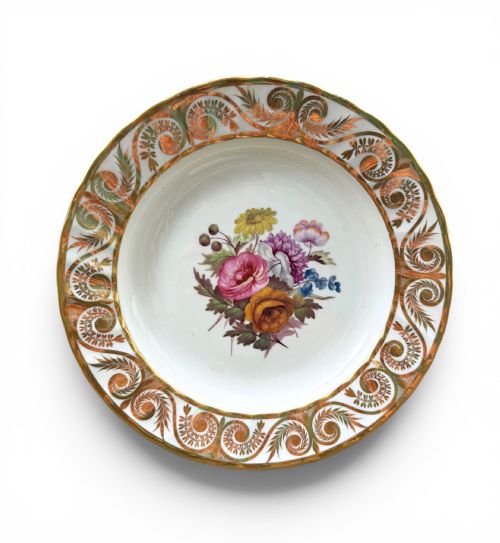
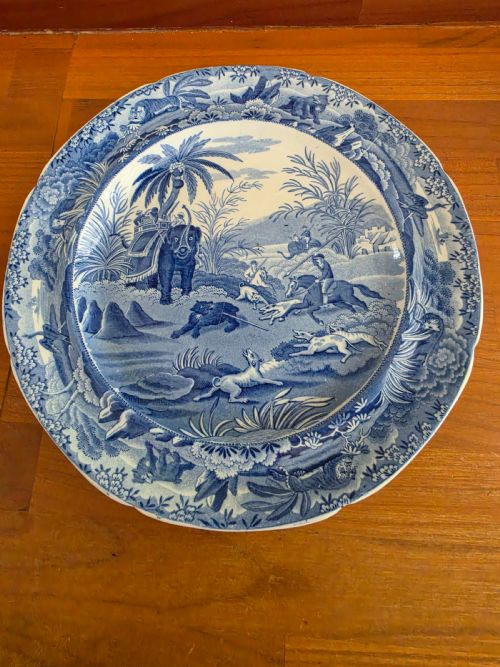
The selections available here range from soft-paste Worcester and Bow productions of the seventeen-fifties through to bone china and ironstone plates by factories such as Spode, Derby, and Minton in the early decades of the nineteenth century. Buyers will encounter octagonal dishes, lobed dessert plates, and armorial chargers decorated with hand-painted flowers, birds, and transfer-printed scenes.
Materials and Manufacture
Makers utilised a body of soft-paste or hard-paste porcelain, earthenware, or bone china, shaped by hand or moulded into plates, dishes, and chargers before undergoing high-temperature kiln firing. Early Worcester and Bow pieces relied on soft-paste recipes that absorbed glaze differently, creating the characteristic warmth beneath the painted decoration.
Decoration involved meticulous hand-painting in polychrome enamels, underglaze blue, and cobalt, often augmented with gold leaf and rich gilding. Transfer printing later allowed complex topographical and figural designs to be applied efficiently before a final glaze firing.
Georgian Porcelain Plate Retail Price Guide 2026
Typical asking prices for georgian porcelain plate among the pieces listed under this phrase on Sellingantiques today, from the lower quarter to the upper quarter. They describe what is for sale here now, not the wider market.
Listings feature eighteenth-century soft-paste porcelain, nineteenth-century bone china, and ironstone plates adorned with hand-painted botanical studies and transfer-printed scenes.
Assessing Craftsmanship
The standard of a georgian porcelain plate rests upon the crispness of the moulding and the skill evident in the hand-painted brushwork. Botanical subjects rendered by named artists or distinct studio hands display a level of detail and botanical accuracy that elevates them above standard factory output.
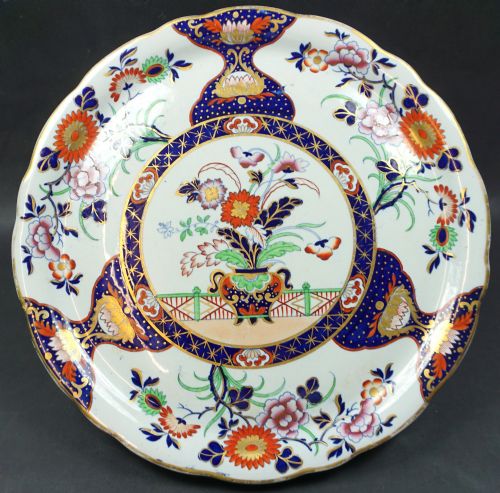
The application and preservation of gilding and enamel colours also mark the gradation in quality. Rich, burnished gold leaf and deep cobalt grounds indicate ambitious factory productions intended for wealthy patrons and grand dessert services.
Bloor Derby·Barr Flight and Barr·Chamberlains Worcester·John Davenport of Longport·Coalport·Spode·Minton·Wedgwood·New Hall
The Georgian Porcelain Plate Glossary
- Soft-paste porcelain
- An early ceramic composition of clay, glass frit, and ground minerals fired at lower temperatures. It produces a slightly warmer, creamier body than true hard-paste porcelain.
- Imari palette
- A decorative scheme employing underglaze blue, iron red, and gilt, inspired by Japanese export wares. Factories across Britain adapted this colourful style enthusiastically.
- Bone china
- A durable ceramic body incorporating animal bone ash, developed in the late eighteenth century. It allowed for thinner walled plates with a bright white surface.
- Armorial plate
- A ceramic dish painted with a family crest, coat of arms, or motto. These were commissioned specifically by landed families for formal dining.
- Transfer printing
- A mechanical method of applying complex designs to ceramics from an engraved copper plate using tissue paper. This technique revolutionised Staffordshire and Worcester output from the mid-eighteenth century onward.
Georgian Porcelain Plate: Frequently Asked Questions
How do I date a georgian porcelain plate?
Dating relies on identifying factory marks, paste compositions, and stylistic conventions recorded in the piece. Early Worcester pieces often show crescent or square seal marks, while nineteenth-century items frequently display pattern numbers and painted script.
Changes in ceramic bodies, such as the transition from soft-paste to bone china around eighteen-hundred, provide further chronological markers. Comparing the painted motifs and border styles with documented factory archives helps narrow the production window.
Were these plates used for daily dining?
These pieces served primarily during the formal dessert course of a grand dinner rather than everyday meals. Wealthy households brought out dessert services of porcelain or bone china after the main savoury dishes were cleared.
Because they were handled with care and used only for lighter sweet foods, many surviving plates retain their original gilding and vibrant enamel painting. They were status objects meant to display family wealth and taste to guests.
How should I display my plates?
Plates and dishes from this era suit wall mounting using coated wire hangers or placement on sturdy plate stands within cabinet displays. Direct sunlight can fade delicate polychrome enamels over long periods.
Ensuring stable support protects the edges of soft-paste and earthenware bodies from accidental chipping. Rotating pieces occasionally prevents uneven exposure to light and environmental conditions in the room.