

Georgian Period Fine Art
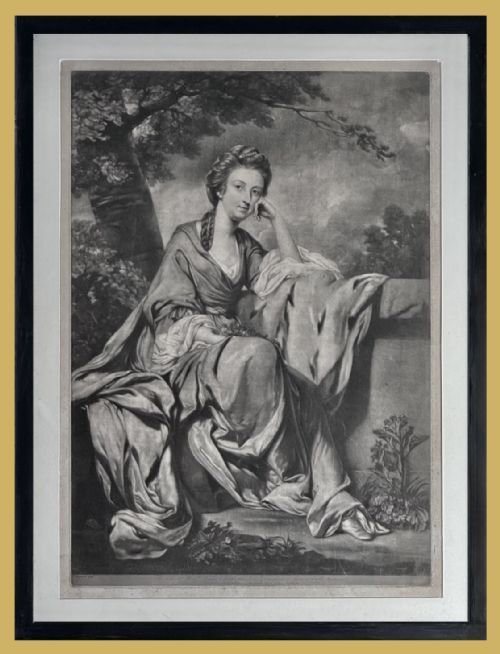
When seeking georgian period fine art, collectors encounter compelling painted portraits and mezzotints capturing the likenesses of past centuries.
Georgian Period Fine Art
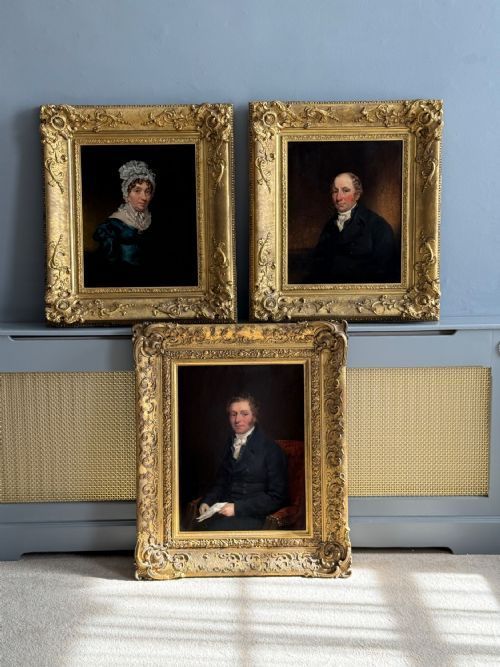
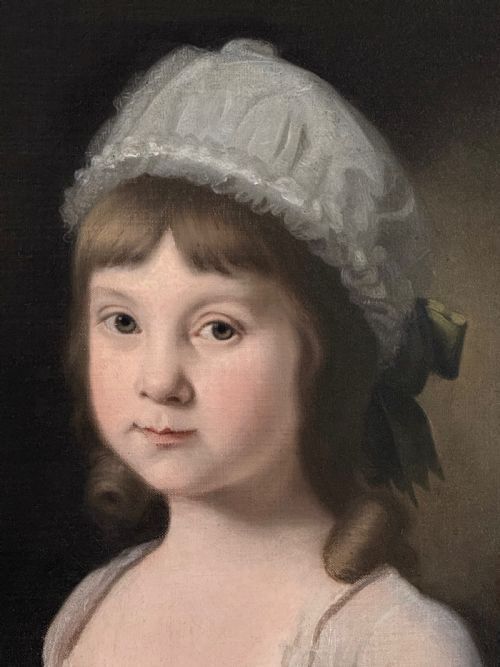
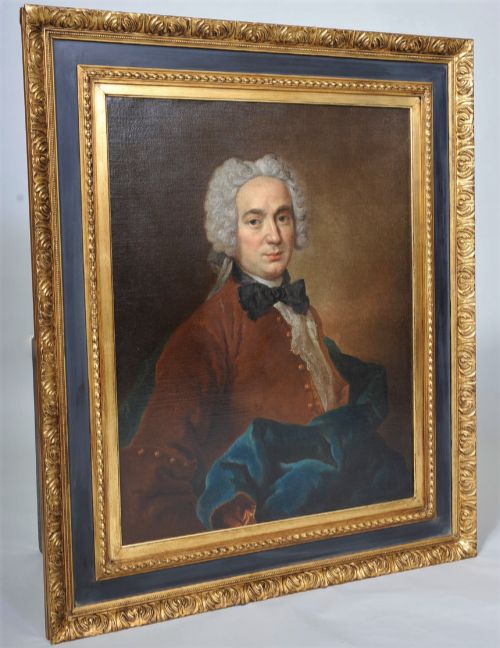
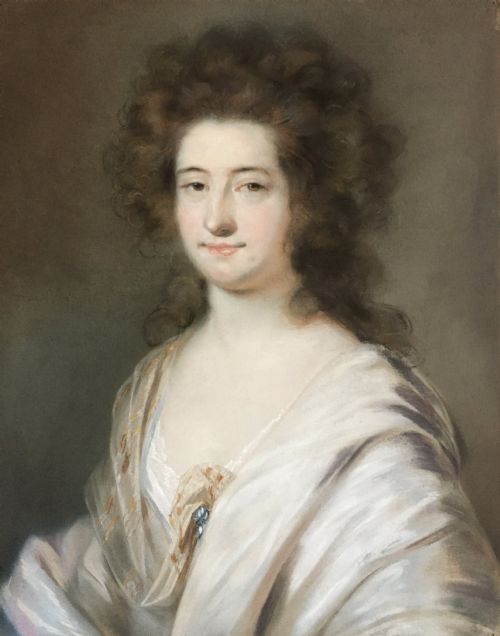
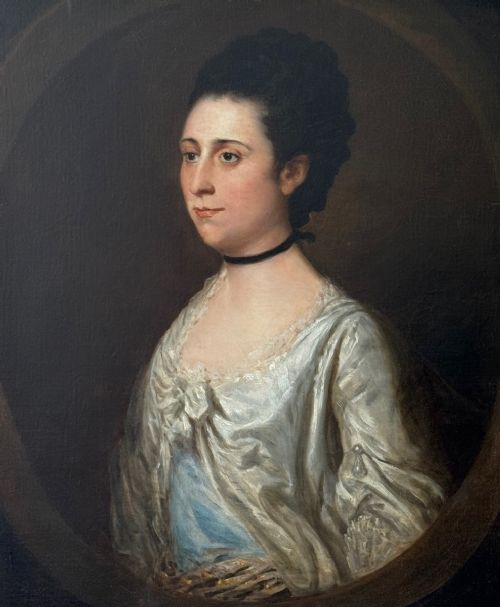
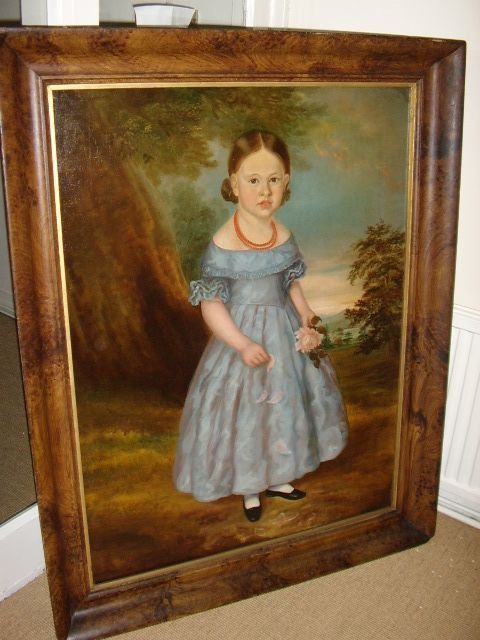
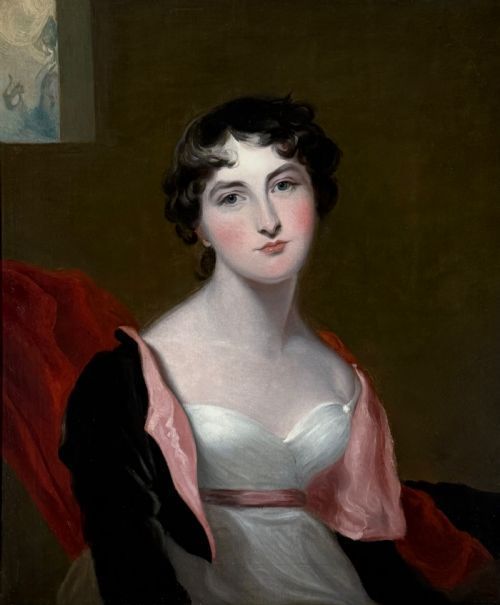
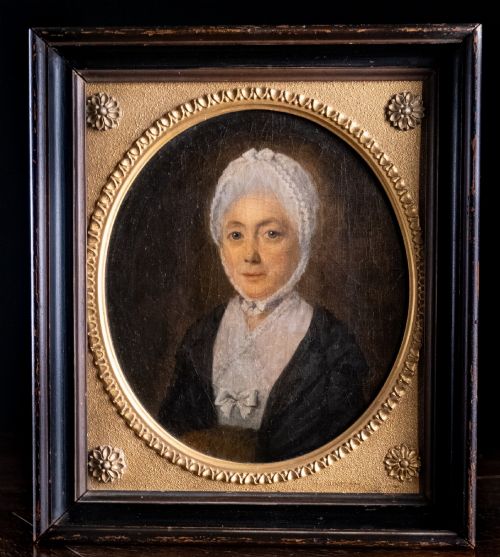
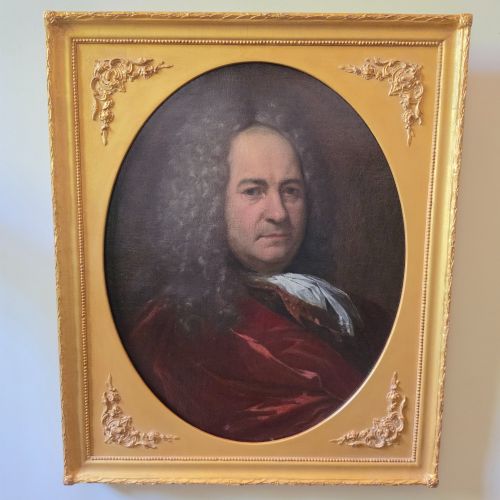
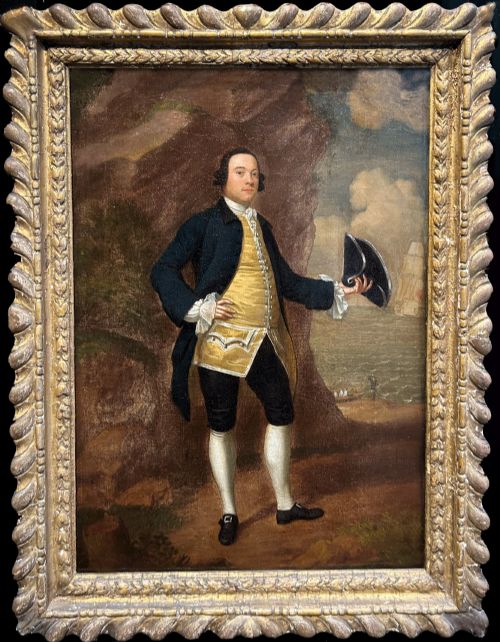
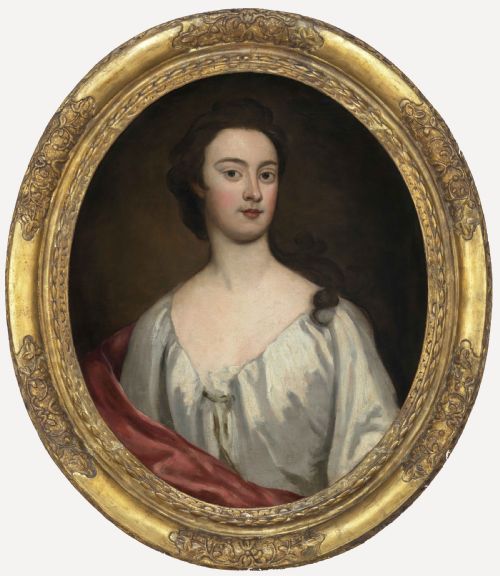
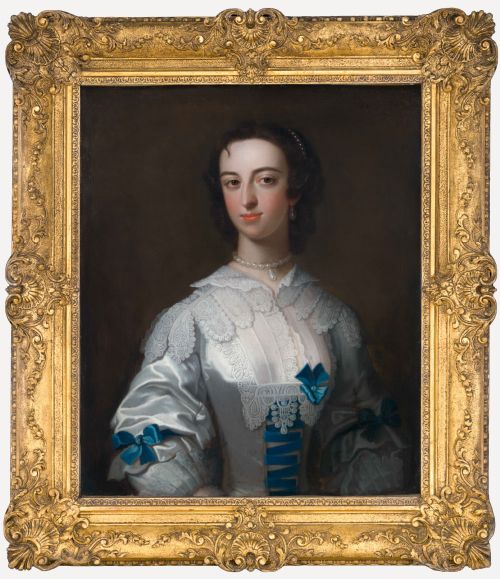
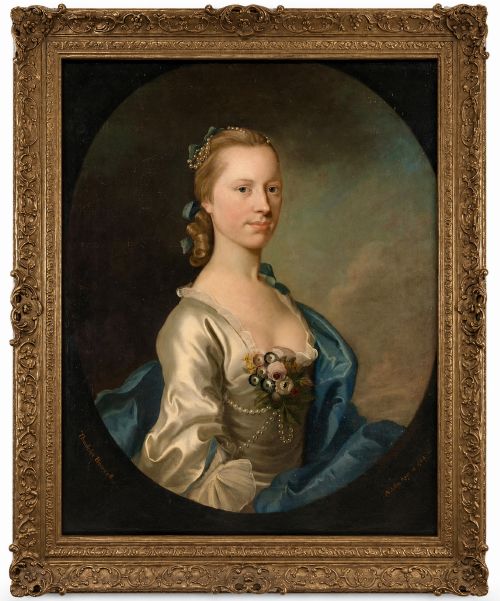
When searching for georgian period fine art, buyers encounter a robust selection of portraiture spanning the eighteenth and early nineteenth centuries. The majority of pieces on this page comprise oil paintings on canvas or panel, depicting named sitters, children, and gentlemen.
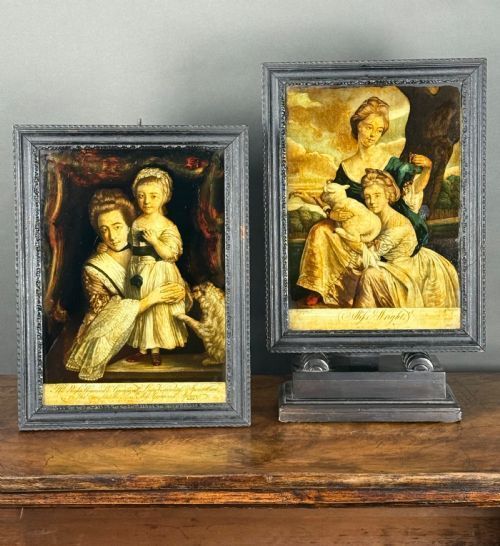
The objects originate primarily from the eighteenth century, the Regency era, and the early nineteenth century. Common formats include framed oil paintings, pastel portraits, and reverse glass mezzotints.
Beyond standard oils, the selection incorporates specific regional schools and domestic interior scenes. Buyers frequently meet works attributed to named artists or created within specific British circles of the period.
Materials and Technique
The works rely upon traditional mediums including oil paint applied to canvas, wood panels, or paper supports. Pastel portraits utilise delicate pigment sticks on paper, capturing soft tones for sitters.
Framing forms an integral part of the physical object, utilising carved wood and gold leaf to create substantial giltwood surrounds. Mezzotints employ specialised printmaking techniques on glass or paper to achieve tonal depth.
Georgian Period Fine Art Retail Price Guide 2026
Typical asking prices for georgian period fine art among the pieces listed under this phrase on Sellingantiques today, from the lower quarter to the upper quarter. They describe what is for sale here now, not the wider market.
Louisa Cooke's dog Mr Quiz shares immortalisation on canvas with his owner.
Evaluating the Range
Quality separates through the finesse of brushwork, anatomical proportion, and the psychological depth captured in the sitter's expression. Superior examples display confident handling of fabric textures, lace, and skin tones by skilled hands.
The integrity of the original giltwood frame and the historical documentation associated with the sitter or artist elevate certain pieces above anonymous studio productions.
Joseph Clover RA·Edward Fisher·Sir Joshua Reynolds·Thomas Beach·Sir Thomas Lawrence·Allan Ramsay·James Maubert·Joseph Highmore·John Hamilton Mortimer·George Morland·John Raphael Smith·Rolinda Sharples
The Georgian Period Fine Art Glossary
- Mezzotint
- A printmaking process where the copper plate is roughened to allow uniform dark tones, then scraped to produce highlights. This technique creates rich tonal gradations favoured for eighteenth-century portrait prints.
- Giltwood
- Wood, typically carved timber or gesso over wood, coated with gold leaf or metal leaf. It provides ornate, reflective borders for fine art canvases of the period.
- Pastel
- A dry painting medium consisting of powdered pigment and a binder rolled into sticks. Artists used it on paper for intimate portraiture requiring delicate blending.
- Panel
- A rigid wooden substrate used instead of canvas for painting. Panels offer a smooth surface favoured by certain portraitists.
- Regency
- The period from 1811 to 1820, or the broader stylistic era spanning the early nineteenth century. Works from this time often exhibit distinct neoclassical influences.
Georgian Period Fine Art: Frequently Asked Questions
What subjects appear in these paintings?
The artworks predominantly feature individual portraits of ladies, gentlemen, children, and family groups. Sitters range from named aristocrats and medical doctors to anonymous subjects in period attire.
Additional scenes incorporate domestic interiors and figurative countryside settings, reflecting the social life of the eighteenth and nineteenth centuries.
Which periods are represented?
The selection spans the eighteenth century, the Georgian era, the Regency period, and the early nineteenth century, with occasional Edwardian items.
Dates within the titles often reference the active years of the sitters, the artists, or the estimated decade of creation between 1700 and 1910.
Are the sitters identified?
A significant portion of the portraits record the actual names of the individuals portrayed, accompanied by biographical dates or familial connections. Other listings denote sitters by descriptive titles such as a young girl, a gentleman, or an aristocratic lady.
Attributions frequently link the works to specific historical painters, followers, or regional schools.