

Antique Pastel Artwork
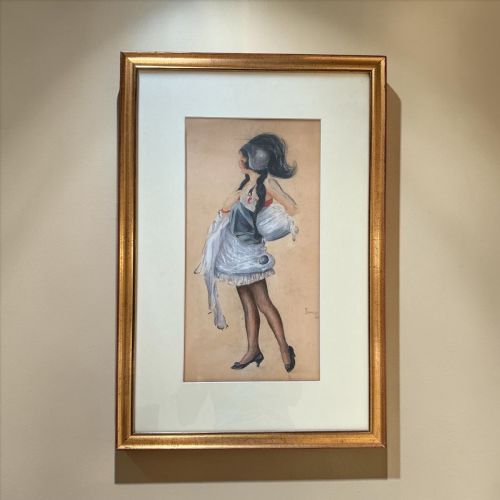
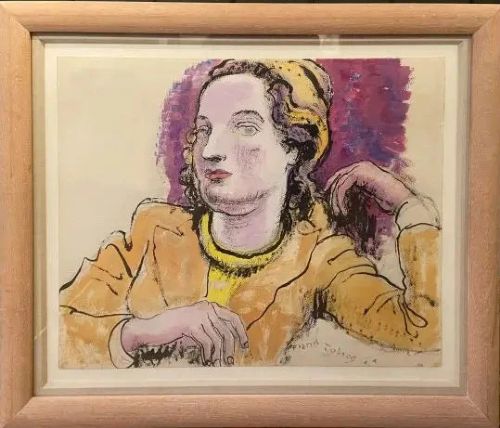
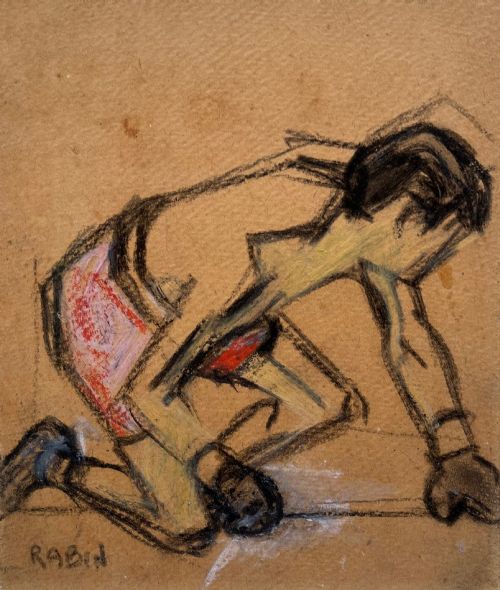
These antique pastel artwork pieces offer a glimpse into historical portraiture and landscape through delicate pigment on paper, canvas, and glass.
Antique Pastel Artwork
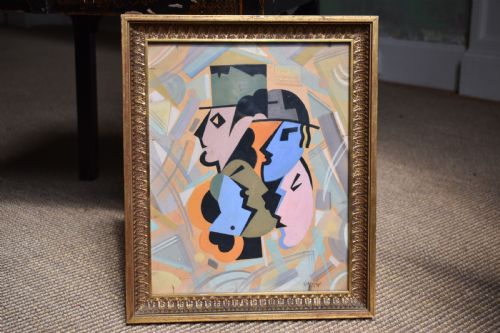
When you search for antique pastel artwork, you encounter works created across the eighteenth, nineteenth, and twentieth centuries, spanning periods from the Georgian era to the mid-twentieth century.
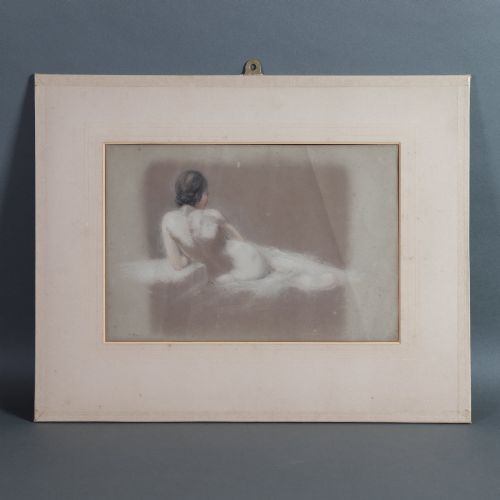
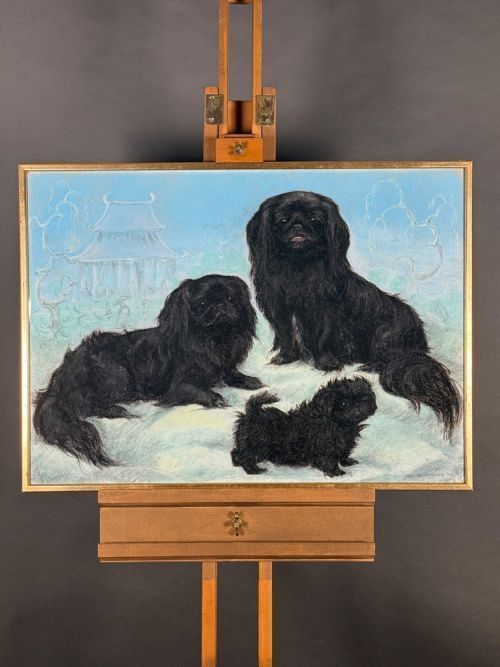
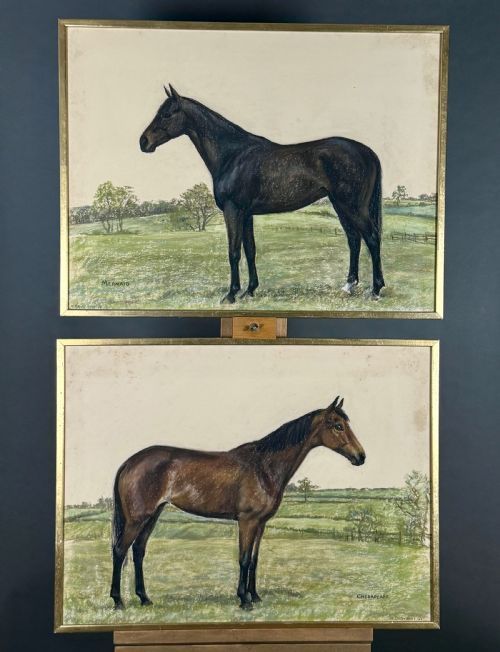
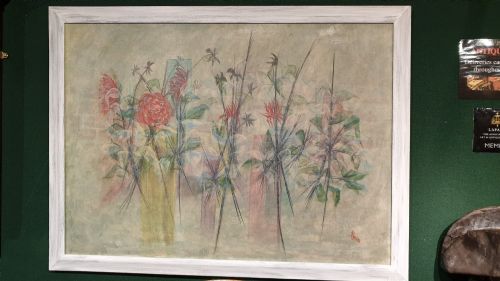
The selections on this page concentrate heavily on portraiture, alongside landscapes, animal studies, and still life compositions.
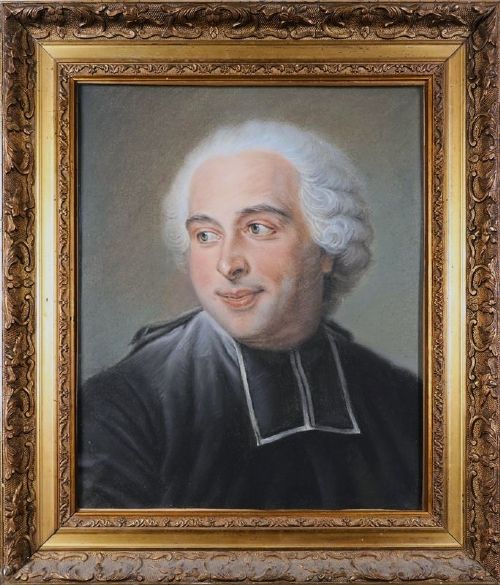
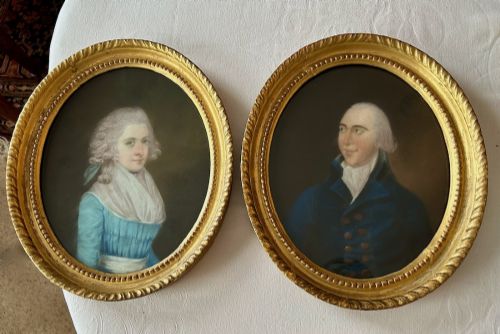
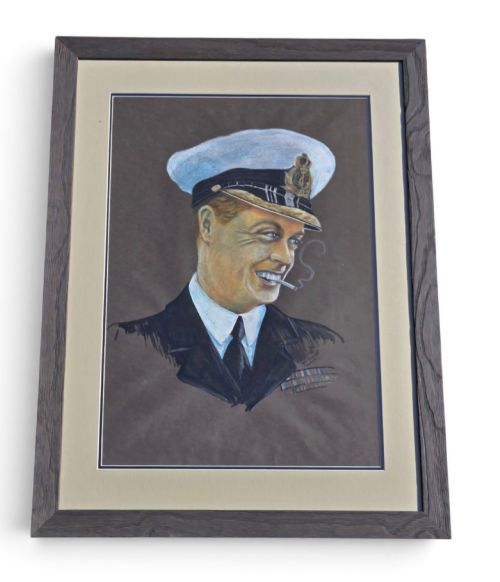
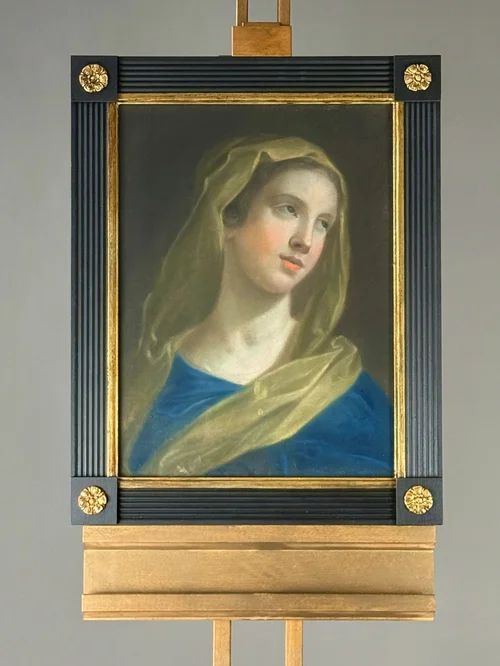
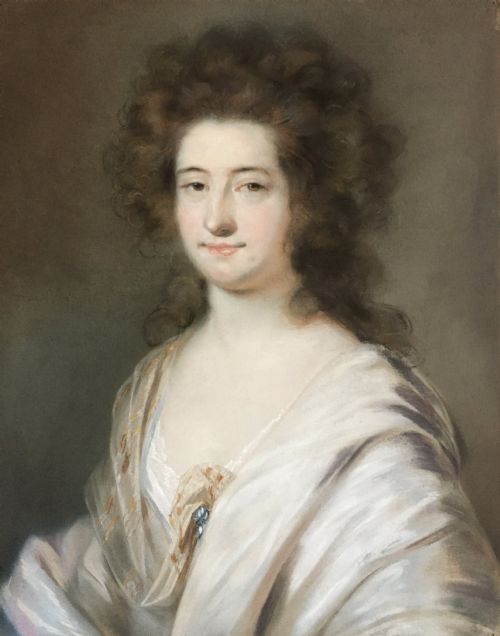
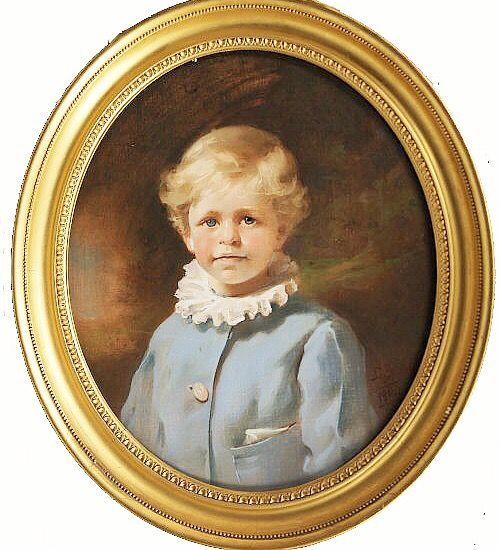
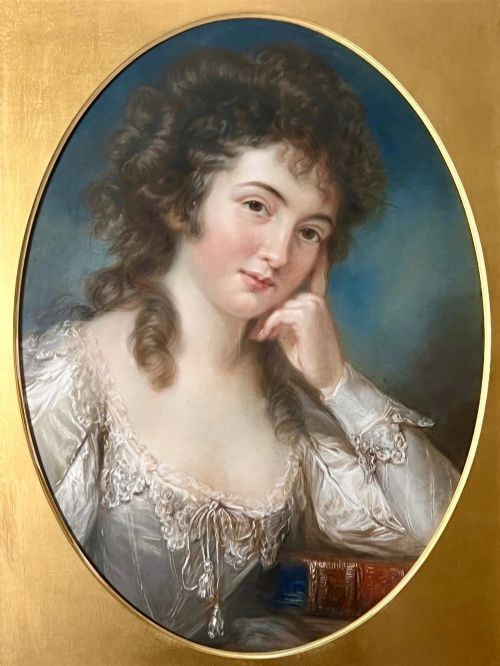
Portrait paintings dominate the selection, often presenting named sitters, military officers, and anonymous subjects rendered by skilled hands.
How They Were Made
Artists executed these works using pastel sticks, chalk, gouache, and watercolour applied directly to paper or canvas supports.
Many surviving examples incorporate protective glass alongside wooden or giltwood frames that secure the friable pigment from disturbance.
Antique Pastel Artwork Retail Price Guide 2026
Typical asking prices for pastel artwork among the pieces listed under this phrase on Sellingantiques today, from the lower quarter to the upper quarter. They describe what is for sale here now, not the wider market.
Listings feature works executed on paper and canvas across the eighteenth, nineteenth, and twentieth centuries.
What Varies In Quality
The distinction between pieces rests on the sureness of the draughtsmanship and the expressive capture of the sitter or scene.
Works attributed to notable historical artists or followers of established schools demonstrate superior handling of light and pigment layering.
Maurice Quentin de la Tour·Benedetto Luti·William Etty·John Russell·Leon Sprinck·Joseph Knight·William Greaves·Cecil Charles Windsor Aldin·John Raphael Smith·Berthe des Clayes·Denis William Reed·Robert Faulkner
The Antique Pastel Artwork Glossary
- Pastel
- A dry painting medium consisting of powdered pigment and a binder, known for its velvety texture and soft chromatic range. It requires mounting under glass to prevent smudging.
- Gouache
- An opaque water-based paint often combined with pastel in these works to add highlights and solid areas of colour. It provides a dense, matte finish.
- Giltwood
- Wood carved and coated with gold leaf or gold paint, frequently used for the ornate frames enclosing these historical drawings. It gives a reflective border to the matte artwork.
- Draughtsmanship
- The artist's skill in drawing and outlining forms, which dictates the anatomical accuracy and structural integrity of the portrait or landscape.
Antique Pastel Artwork: Frequently Asked Questions
How should I clean the glass on an antique pastel?
You should apply glass cleaner to a cloth rather than directly to the frame to prevent liquid from seeping onto the fragile pastel surface.
Moisture can permanently damage the dry pigment beneath the glass if it enters the sealed backing.
Why are pastels often framed under glass?
Pastel pigment consists of loose powder bound lightly, meaning it lacks a hard varnish and smudges easily at the slightest touch.
Glass provides an essential physical barrier that protects the delicate drawing from dust, humidity, and accidental contact.
Can I hang pastel artwork in direct sunlight?
Direct sunlight causes historical pigments on paper to fade significantly over time, altering the intended colour balance of the piece.
Displaying these works away from windows or using UV-filtering glass preserves the original tones safely.
How do I identify the period of a pastel portrait?
Clothing styles, hairstyles, framing techniques, and handwritten inscriptions on the reverse often provide reliable clues to the decade of creation.
Comparative study with dated works from the same artistic school helps narrow down the specific era.