




Antique Nursery Art
These antique nursery art pieces bring historic charm to a room, spanning hand-painted watercolours, framed engravings, and decorative child-scale objects.
Antique Nursery Art
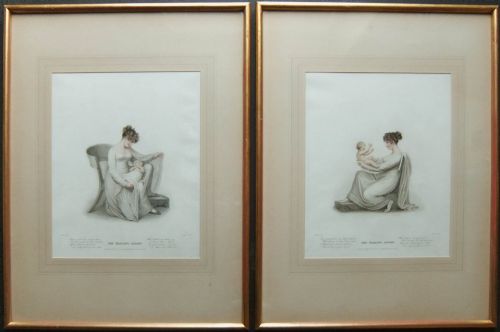
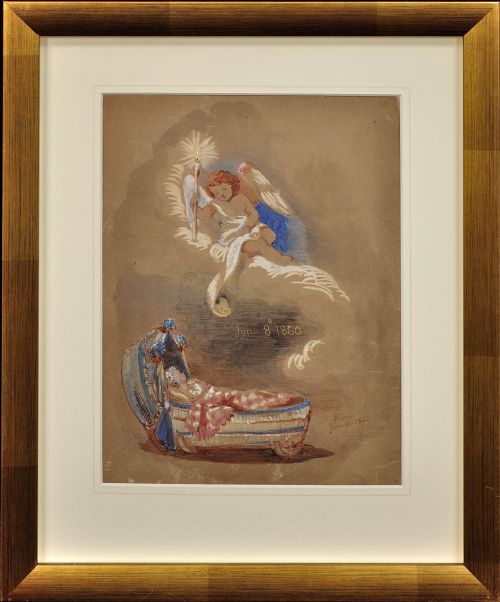
When you search for antique nursery art, you encounter a mix of framed prints, watercolours, pastels, and small decorative works intended for historic children's rooms. The selection includes works by named artists and anonymous creators depicting children, domestic animals, and domestic scenes.
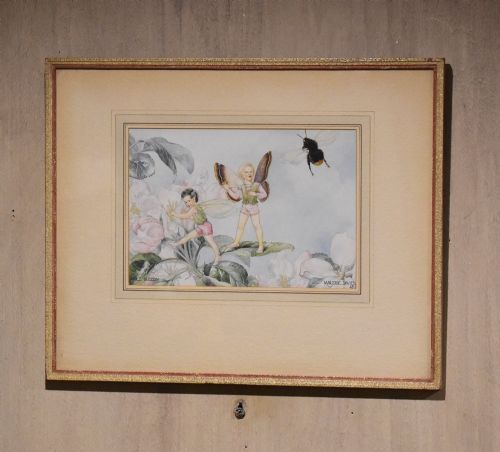
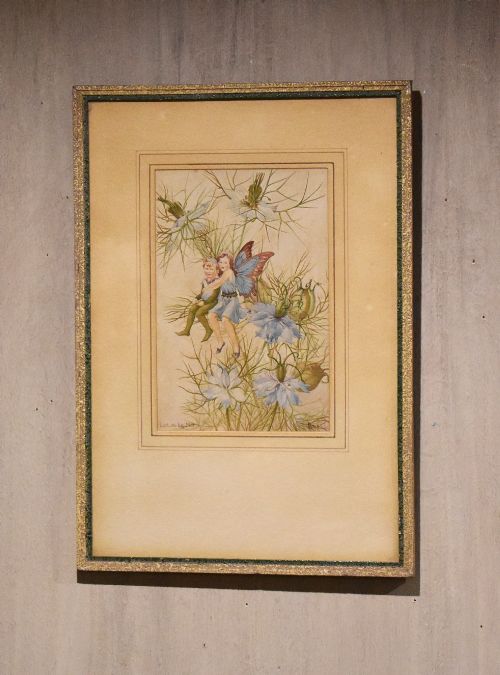
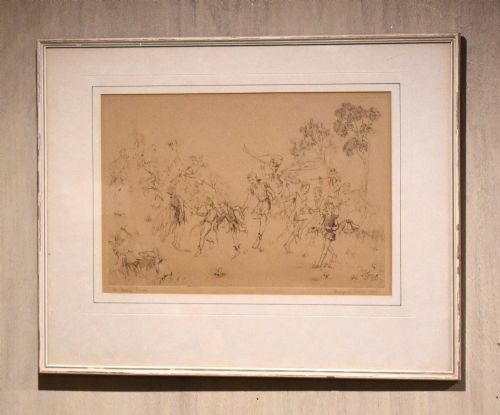
The selection on this page relies heavily on printed works and paintings from the nineteenth and early twentieth centuries. Prints after artists such as Louis Wain and Emile Vernon sit alongside original watercolours and pastel drawings.
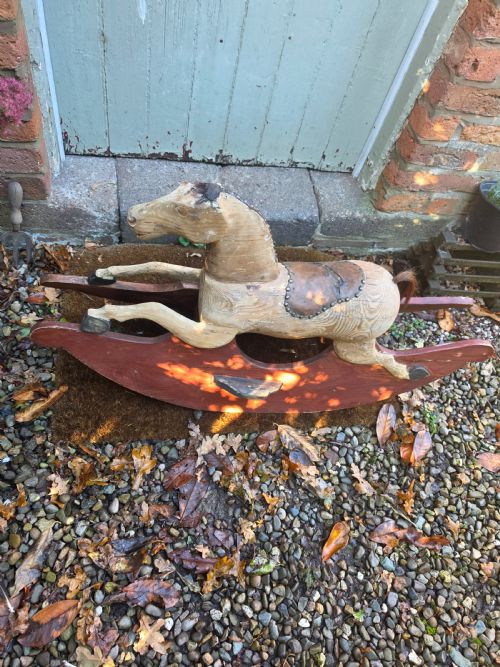
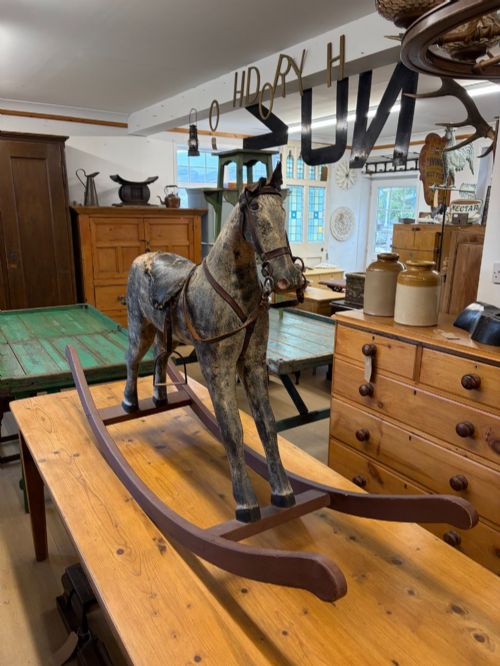
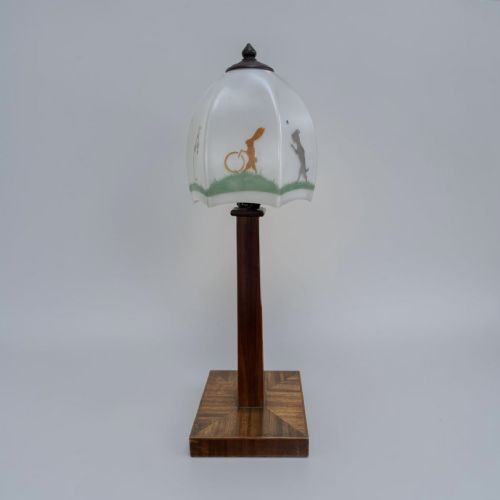
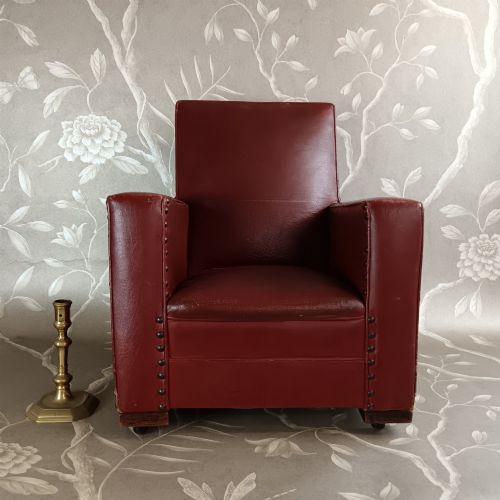
Beyond flat works on paper, the category extends to painted wooden objects and porcelain figures associated with early childhood. Pieces span styles from Victorian folk art to Art Deco and Scandinavian country designs.
Materials and construction
Works on paper utilise watercolour, pastel, and ink applied to heavy paper stocks, frequently preserved behind protective glass within period timber frames. Pigments from the nineteenth century display characteristic mineral tones that differ from modern synthetic counterparts.
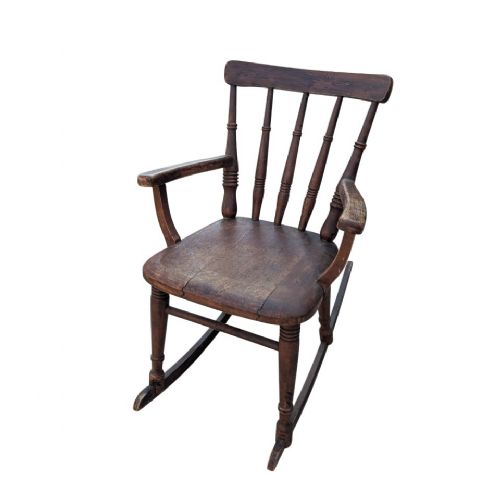
Physical objects combine solid woods such as pine, beech, and oak with painted surface treatments. Artisans employed traditional joinery techniques alongside hand-applied pigments to create both functional furniture and decorative accessories.
Listings feature paper, wood, glass, and iron across Victorian, Edwardian, and Art Deco periods.
Judging quality and preservation
The degree of original surface preservation dictates the standing of a piece within its type. Original paint on wooden items and untouched framing on paper works hold greater integrity than later restorations or surface cleaning.
Artistic execution distinguishes standard commercial prints from original hand-painted watercolours and signed works. The clarity of the pigment and the subtlety of the brushwork separate baseline examples from superior artistic renderings.
Adam Buck·Louis Wain·Mabel Lucie Attwell Shelley·John Parry·Karl Feiertag
The Antique Nursery Art Glossary
- Engraving
- A printmaking technique where an image is incised into a metal plate to hold ink. This process produces fine, precise lines characteristic of nineteenth-century book illustrations and framed prints.
- Watercolour
- A painting method where coloured pigments are suspended in a water-soluble binder. These translucent applications appear frequently in period depictions of children and family life.
- Pastel
- A dry medium consisting of powdered pigment and a binder formed into sticks. Drawings executed in this medium require glass protection to prevent the loose pigment from smudging.
- Folk art
- Artistic work produced from an indigenous cultural tradition or by untrained artisans. Items in this style often display naive proportions and vibrant hand-painted decoration.
- Treen
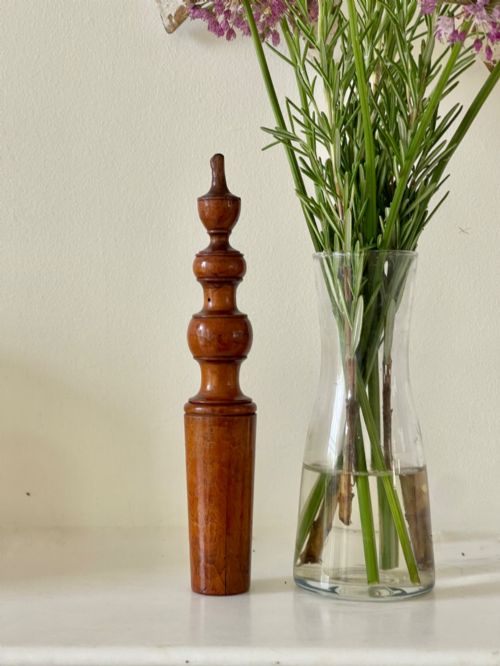
- Small handmade wooden objects designed for domestic use. This category encompasses utilitarian items as well as early children's toys and rattles.
Antique Nursery Art: Frequently Asked Questions
How do I care for antique works on paper?
Keep framed watercolours, pastels, and engravings away from direct sunlight to prevent the fading of historic pigments and paper yellowing.
Maintain stable indoor humidity levels to protect both the paper support and the timber frame from warping or moisture damage.
What is the difference between a print and a watercolour?
A print is a mechanically or manually reproduced copy of an original image, often showing a dot matrix or uniform ink application under magnification.
A watercolour is an original, unique painted work featuring visible brushstrokes and varied pigment density across the paper surface.
How do I identify Victorian pieces?
Victorian items typically display stylistic markers associated with the nineteenth century, including specific framing profiles, heavy timber constructions, and sentimental subject matter.
Paper works from this era often utilise rag paper stocks and typography styles distinct from later twentieth-century productions.
Where were these pieces originally displayed?
These artworks and decorative objects were created to adorn nurseries, bedrooms, and playrooms within middle and upper-class domestic settings.
Their visual themes aimed to provide gentle instruction, moral guidance, or cheerful decoration for children.