




Victorian Style Child Portrait
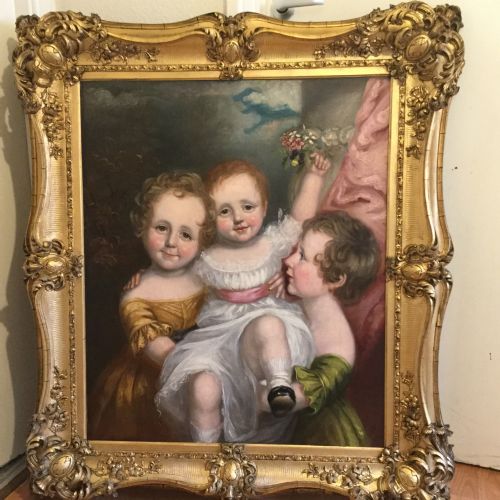
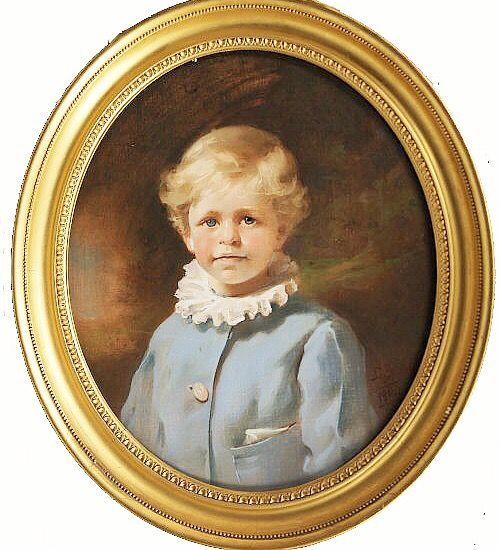
A victorian style child portrait captures youth through the mediums of oil, pastel, watercolour, and print, bringing character and history directly to your walls.
Victorian Style Child Portrait
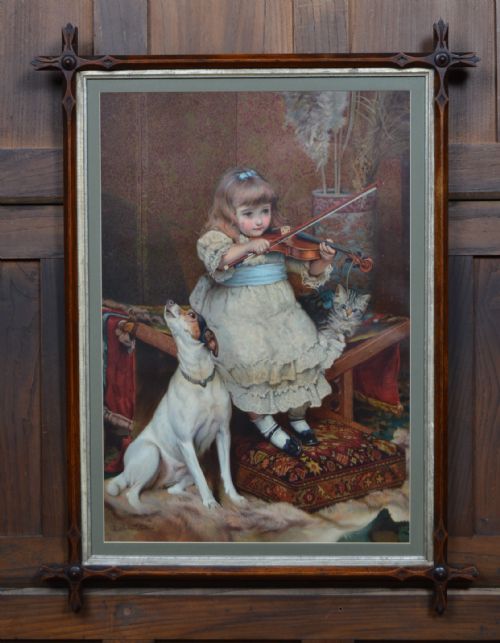
A victorian style child portrait encompasses framed works that record the likenesses of youngsters across the nineteenth century and subsequent periods. These images arrive in various artistic forms, including oil paintings, pastel on canvas, watercolours, framed prints, and cut silhouettes.
The versions most commonly met on this page range from Victorian folk-art depictions to works created in the manner of established artists such as Sir Thomas Lawrence, William Egley, and Emile Vernon. Materials span from simple paper and glass to rich giltwood frames housing delicate watercolours and oils.
Examples stretch from Regency beginnings through the Victorian era into early twentieth-century illustrations and later mid-century interpretations. Each piece records a distinct approach to juvenile representation, balancing formal studio composition with charming folk traditions.
How they were made
Makers utilised traditional painting methods such as oil on canvas and oil on panel, building rich colour and depth for their subjects. Pastel on canvas offered a softer touch, capturing delicate facial tones and clothing textures.
Several young subjects appear accompanied by loyal canine companions, immortalising childhood friendships in paint.
What varies in quality
The standard of execution in a portrait depends upon the handling of the subject's expression and the finesse of the brushwork or drawing technique. Studio pieces associated with notable circles display superior anatomical proportion and atmospheric depth compared to simpler folk-art examples.
Materials and framing contribute significantly to the overall presence of the piece, with hand-carved gilded frames and well-preserved canvases elevating the work. The clarity of the medium, whether pastel, oil, or watercolour, determines how vividly the subject endures over time.
The Victorian Style Child Portrait Glossary
- Chromolithograph
- A multicoloured print produced through a specialised lithographic process. This technique allowed for the faithful reproduction of paintings in vibrant hues during the nineteenth century.
- Giltwood
- Wood that has been coated with a thin layer of gold leaf or gold paint. It frequently surrounds antique portraits to provide an ornate and reflective border.
- Silhouette
- A portrait represented as a solid shape of a single colour, usually black, set upon a pale background. Cut paper examples rely on precise scissor work to capture the profile.
- Pastel
- A dry painting medium consisting of powdered pigment and a binder. It yields a velvety surface texture that requires protection under glass.
Victorian Style Child Portrait: Frequently Asked Questions
What periods do these portraits cover?
The selections span from the Regency era and the broader nineteenth century into early twentieth-century illustrations and mid-century works.
Styles shift accordingly from formal academic approaches to naive folk art.
How should I hang these framed works?
Consider placing them at eye level in rooms with stable humidity to protect paper, canvas, and giltwood frames from environmental shifts.
Ensure they hang away from direct sunlight to preserve the integrity of watercolours and pastel pigments.
Are all portraits original paintings?
No, the selection includes a mixture of original oil paintings, delicate watercolours, pastels, and printed works such as chromolithographs.
Each medium offers a distinct visual texture and historical context.
How do I identify folk art styles?
Folk art pieces typically display a charmingly direct perspective and simpler handling of proportion compared to formal studio portraits.
They emphasise character and narrative over academic precision.