




Framed Garden Painting Print
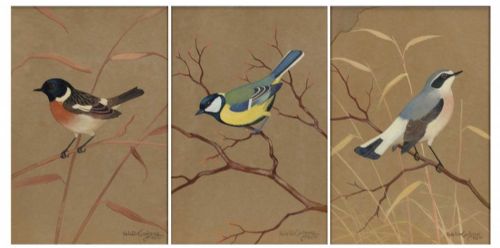
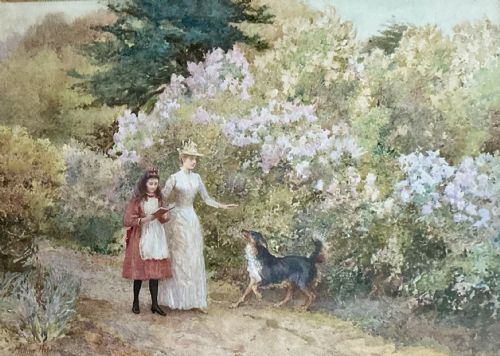
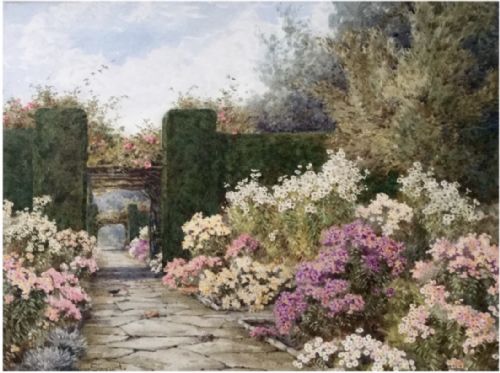
These framed garden painting print works capture outdoor scenes through watercolours, oils and mixed media, offering a classic botanical charm for any room.
Framed Garden Painting Print
When you search for a framed garden painting print, you encounter a selection of botanical and outdoor artworks ranging from the Victorian era to the mid-twentieth century. The selection includes watercolours, oils, mixed media and prints depicting flowers, birds and garden settings.
You are most likely to meet pieces dated from the nineteenth century through to the nineteen-forties, spanning Edwardian, Impressionist and English Historicist styles. These works typically arrive ready to hang in period frames made of gilt wood or glass.
The category encompasses both original paintings on paper and canvas alongside period prints and chrystoleums. Each item reflects the domestic tastes of its era, capturing natural landscapes and private gardens with varying degrees of detail.
How they were made
The works utilise traditional media such as watercolour pigment, gouache and oil on canvas applied to paper or stretched canvas. Artists employed fine brushes to render intricate floral details and garden birds with precision.
Many of the pieces feature period framing, employing gilt wood and giltwood mouldings to complement the artwork. Convex glass frequently protects delicate watercolours and chrystoleums from atmospheric moisture.
Techniques range from direct alla prima oil painting to layered watercolour washes and mixed media compositions. Some items incorporate photographic prints finished with hand-applied colour pigments.
Listings feature paper, watercolour, gilt wood, glass, gouache, and oil on canvas across Victorian, Edwardian, and mid-century British art styles.
What varies in quality
Quality separates through the finesse of brushwork and the handling of light within the composition. Master artists capture natural textures and atmospheric garden conditions with greater depth and confidence.
The condition and authenticity of the original framing influence the overall character of the piece. Period gilt wood frames that retain their original finish hold greater integrity than later replacements.
The stability of the medium on paper or canvas dictates the preservation state. Works executed with stable watercolour pigment or oil retain their vibrancy more successfully over decades.
Ralston Gudgeon·Arthur Hopkins·K & K Hof Atelier Pietzner·Samuel Sidley·Jane Utley·Emile Vernon·Lilian Stannard·Frank Moss Bennett
The Framed Garden Painting Print Glossary
- Watercolour
- A painting method where the paints are made of pigments suspended in a water-based solution. It is traditionally applied to paper surfaces to create translucent washes of colour.
- Giltwood
- Wood that has been treated with a thin layer of gold leaf or gilt powder. It is commonly found on decorative frames from the Victorian and Edwardian periods.
- Gouache
- An opaque water-based paint method that creates a heavier, more solid colour finish than standard watercolour. It is often combined with watercolour in floral and landscape studies.
- Chrystoleum
- A historic technique where a convex glass print is hand-coloured from behind and mounted in a frame. This process imparts a distinct three-dimensional depth to the image.
- Impressionist
- An art style focused on accurate depiction of light and its shifting qualities rather than strict realism. It appears across various landscape and garden subjects from the early twentieth century.
Framed Garden Painting Print: Frequently Asked Questions
What is a chrystoleum?
A chrystoleum is a convex glass print that has been painstakingly hand-coloured from the reverse side. This vintage method creates an illusion of depth and dimension.
Such pieces are typically housed in matching convex frames and represent a fascinating intersection of early photography and painting.
How should I hang these?
These framed works require standard picture hooks suited to the weight of the timber and glass. Ensure you avoid direct sunlight to protect watercolours and mixed media from fading.
Display them on interior walls away from moisture sources like kitchens or bathrooms to preserve the paper and gilt frames.
Are these original paintings?
The selection includes both original hand-painted works in oil and watercolour alongside period prints. Each listing specifies the exact medium used by the artist or publisher.
Original watercolours and oils feature visible brushstrokes and pigment texture, whereas prints present a consistent dot or ink pattern under magnification.
How do I date a piece?
Dating relies on stylistic clues, framing methods, and signatures recorded in the evidence. Victorian and Edwardian pieces often exhibit distinct aesthetic markers and traditional signatures.
Examining the backing boards and glass type also helps determine whether the framing is original to the period of creation.