


Mahogany Framed Art Print
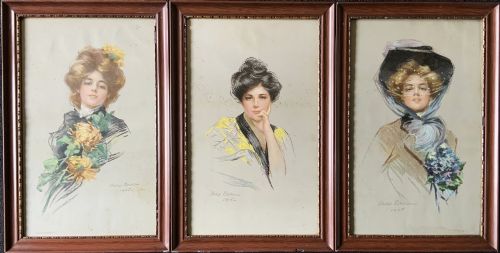
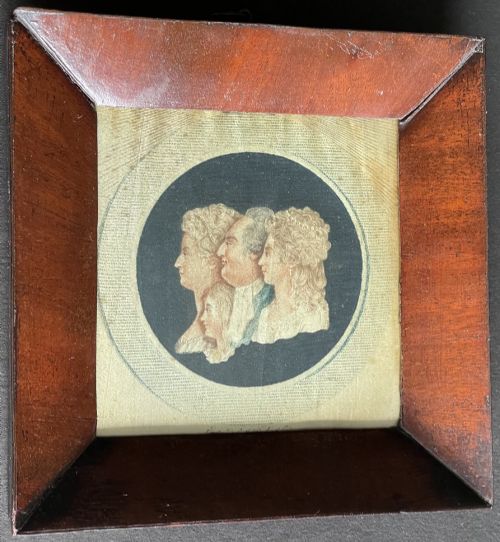
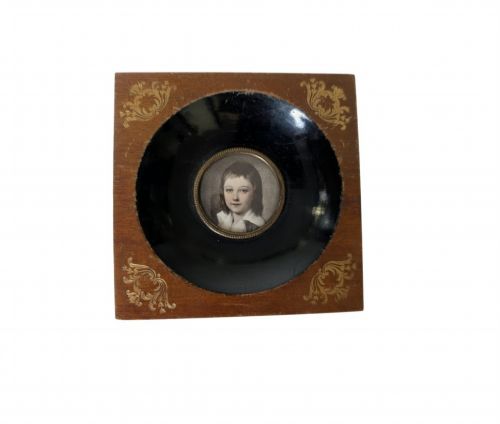
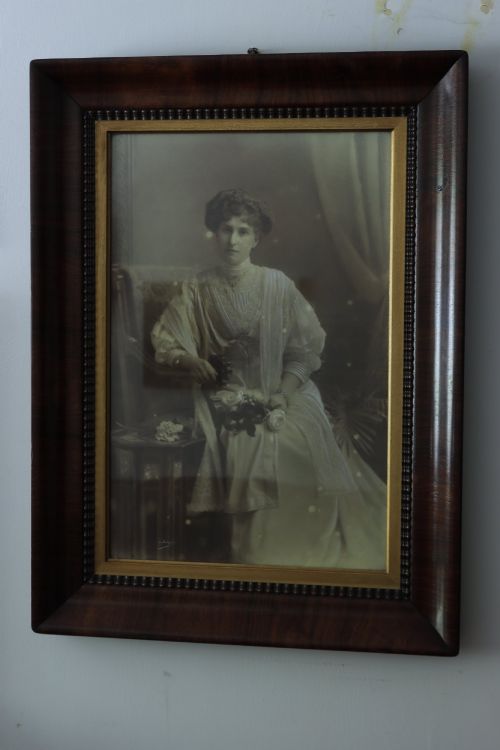
A mahogany framed art print brings together rich timber and historical imagery, offering a distinct focal point for any traditional wall arrangement.
Mahogany Framed Art Print
When you search for a mahogany framed art print, you encounter a diverse collection of wall art spanning from the eighteenth century through to the early twentieth century. These pieces encompass various visual mediums housed within timber surrounds, reflecting decorative tastes from Georgian, Regency, Victorian, and Edwardian periods.
The selections on this page showcase framed prints, artwork, and specific historic representations. You will find items ranging from hand-tinted prints and lithographs to etchings, chrystoleums, and prints on silk, each secured within wooden frames.
Materials and construction methods
The physical construction of these pieces relies heavily on mahogany wood for the framing, occasionally complemented by ebonised lacquer, brass accents, or gold leaf detailing. Paper and glass serve as the primary components for preserving the visual works, whilst select pieces utilise silk or photographic materials.
Printmaking techniques vary across the periods represented, incorporating lithography, hand-tinting, etching, and photographic processes. These works are paired with bespoke framing methods typical of their respective eras, protecting the delicate printed surfaces beneath glass.
Listings include works from the eighteenth, nineteenth, and twentieth centuries, incorporating materials such as mahogany, glass, paper, gold leaf, brass, and silk.
Assessing quality in framing and print work
Quality in these items is determined by the crispness of the underlying print medium, whether it is an etching, a lithograph, or a delicate print on silk. The preservation of the paper or fabric surface dictates the overall visual impact of the artwork.
The accompanying mahogany frame contributes significantly to the piece, with finer examples displaying superior timber grain, original gilding, or intact glass components. The harmony between the period of the frame and the enclosed artwork defines the integrity of the object.
The Mahogany Framed Art Print Glossary
- Lithograph
- A print produced by printing from a flat stone or metal plate prepared so that the ink adheres only to the design. This method became prominent for mass-producing detailed visual imagery in the nineteenth century.
- Chrystoleum
- A method of applying hand-colouring to a photograph or print mounted on glass, then making it translucent with oil before backing. This technique creates a luminous, three-dimensional effect popular in the nineteenth century.
- Etching
- A printmaking process where lines are incised into a metal plate with acid before being inked and pressed onto paper. It allows for fine, intricate linework characteristic of period masterworks.
- Tinsel print
- A popular nineteenth-century theatrical print embellished with pieces of tinsel, fabric, and foil applied by hand. These decorative works typically depict popular actors and performers of the era.
- Regency
- A British stylistic period spanning from 1811 to 1820, characterised by classical restraint and elegance in both furniture framing and fine art production.
Mahogany Framed Art Print: Frequently Asked Questions
What periods do these framed prints cover?
The available pieces span multiple centuries, with items originating from the eighteenth, nineteenth, and early twentieth centuries.
Specific stylistic influences include Georgian, Regency, Victorian, Edwardian, Neoclassical, and Art Nouveau designs.
How should I care for a mahogany framed art print?
Keep the piece away from direct sunlight to prevent fading on both the wooden mahogany frame and the delicate paper or silk print within.
Clean the glass gently with a dry or slightly damp cloth, avoiding harsh chemicals that might damage the surrounding timber.
Are the frames original to the artwork?
Many listings feature period-appropriate frames that complement the age of the print, ranging from Regency and Victorian eras onwards.
Inspect individual descriptions to understand whether a piece retains its original framing components and glass.