

Georgian Overmantel Glass
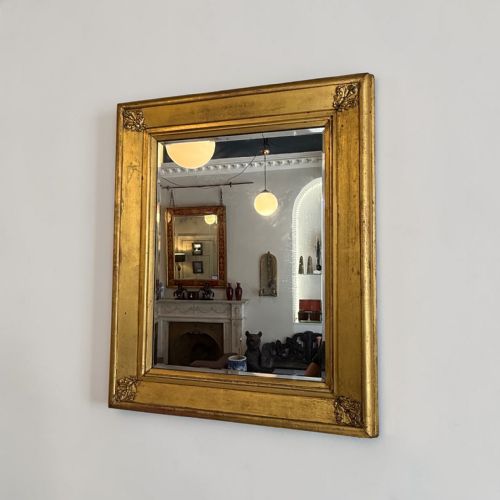
Georgian overmantel glass brings depth and reflected light to a room, offering the proportion and craftsmanship characteristic of the period.
Georgian Overmantel Glass
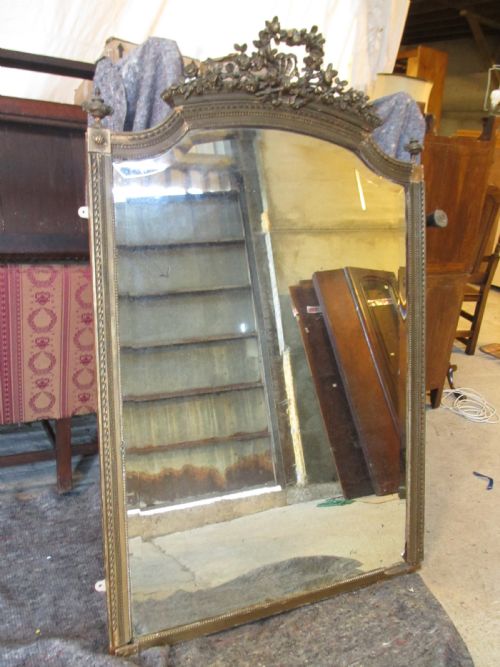
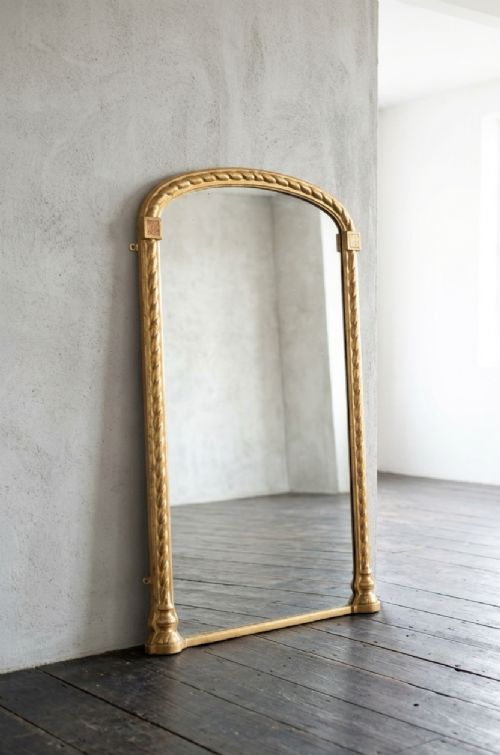
Georgian overmantel glass encompasses wall mirrors, pier mirrors, and overmantel mirrors designed to sit above a fireplace or between windows. Pieces span periods from the eighteenth century through the nineteenth century, including Regency, George II, George III, and Victorian revivals.
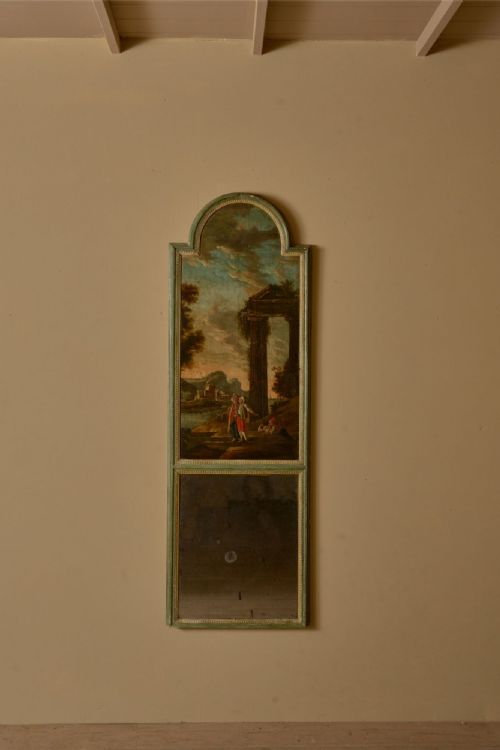
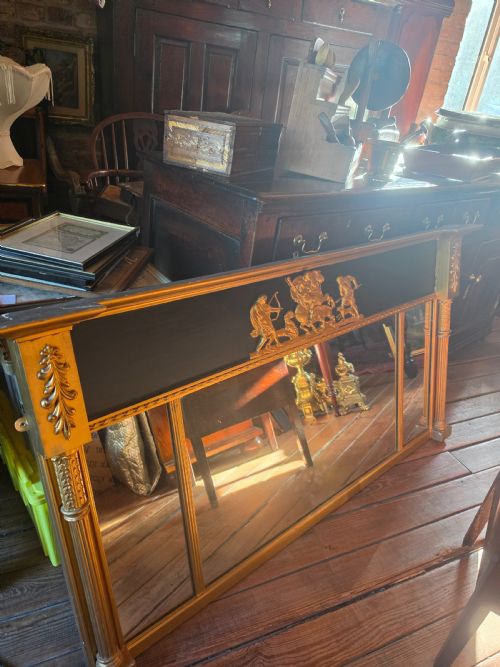
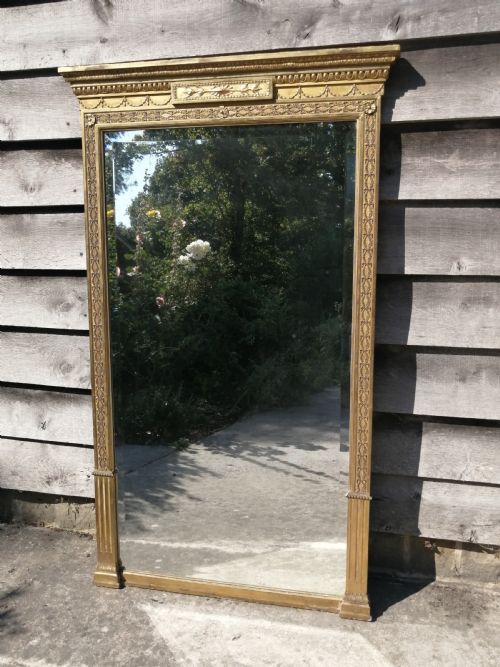
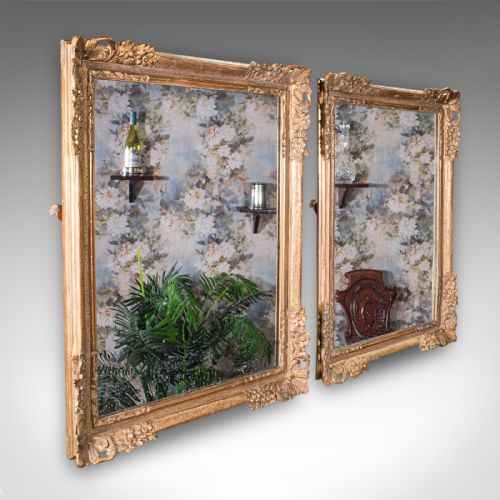
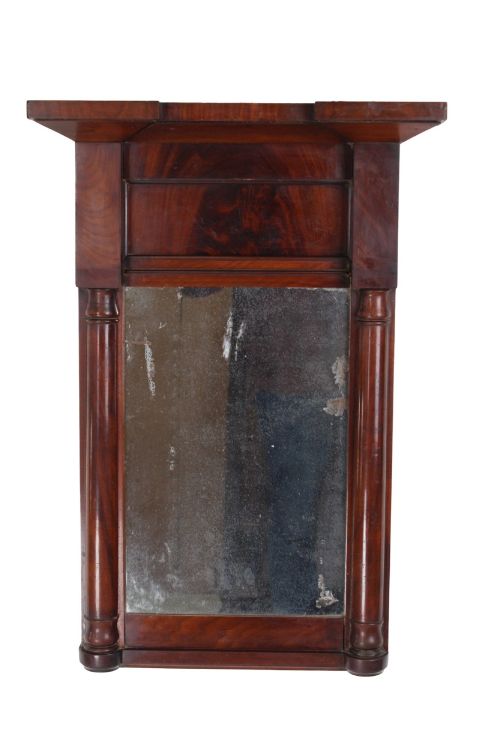
Buyers will encounter single-plate glasses alongside compartmental, trumeau, and triple-plate configurations. Frames range from large scale giltwood neoclassical designs to smaller mahogany and rosewood pier mirrors.
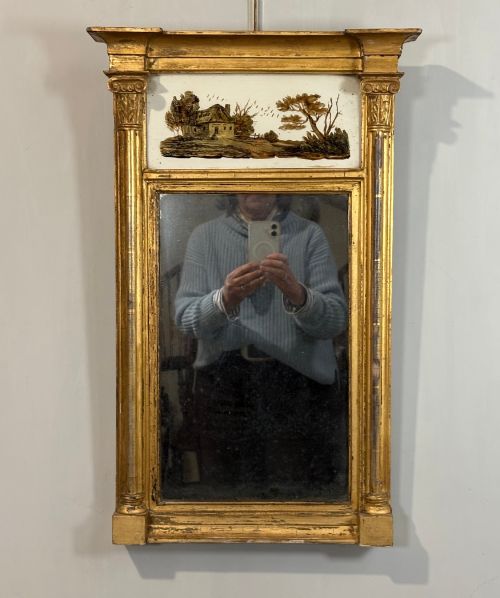
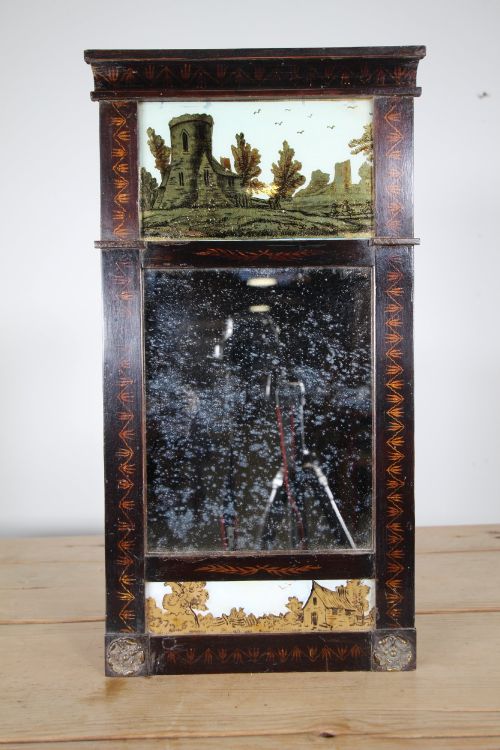
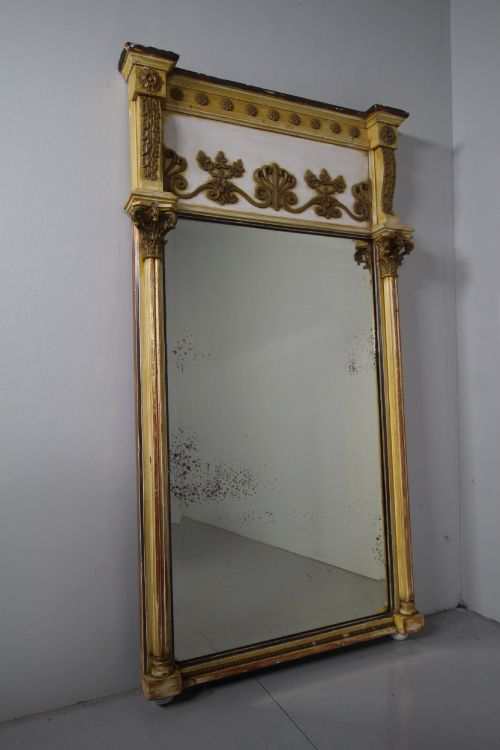
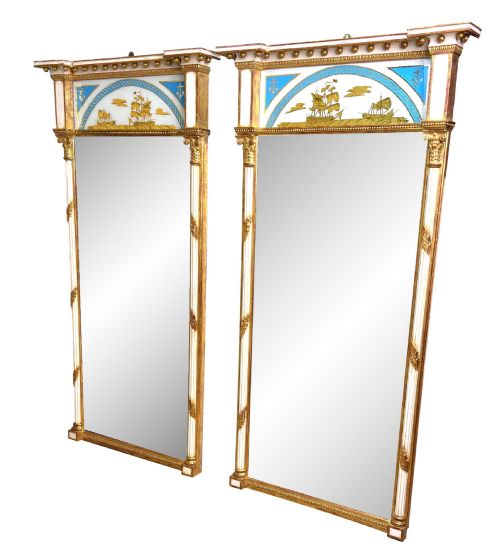
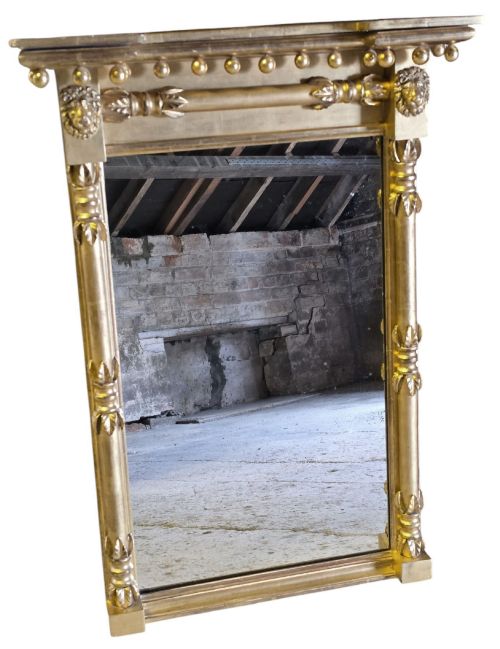
Origins include English workshops and French influences, with decorative elements such as verre eglomise panels, carved gesso, and Egyptian revival columns appearing across the selection.
Materials and Technique
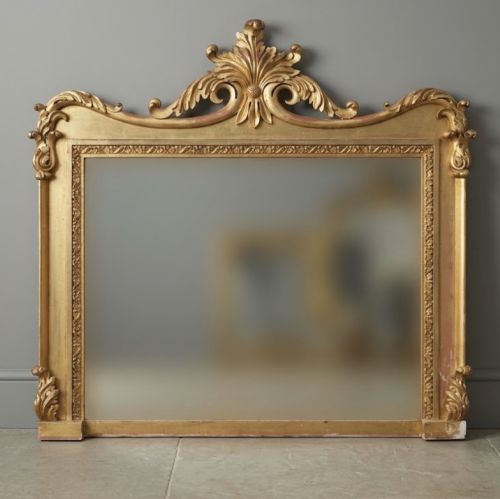
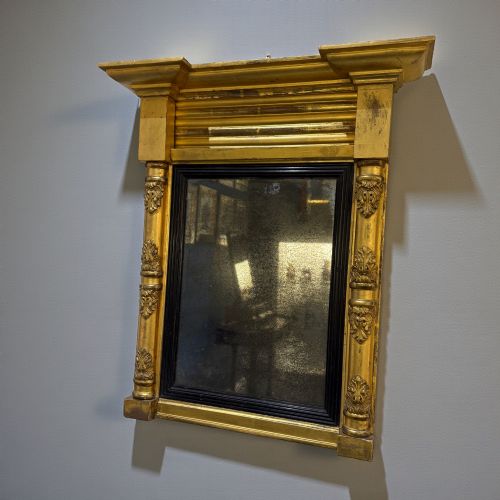
Makers shaped these frames from timbers such as mahogany, rosewood, and ebonised wood, alongside softwoods prepared for gilding. Giltwood and gesso surfaces received layers of gold leaf or silver gilt applied over intricate carved details.
Mirror plates include original silvered glass, mercury glass showing foxing, and glass paired with decorative verre eglomise upper panels. Composition material and gold leaf frequently supplemented hand-carved wooden ornament on neoclassical and revival frames.
Georgian Overmantel Glass Retail Price Guide 2026
Typical asking prices for georgian overmantel glass among the pieces listed under this phrase on Sellingantiques today, from the lower quarter to the upper quarter. They describe what is for sale here now, not the wider market.
Listings feature materials spanning giltwood, gesso, gold leaf, mahogany, rosewood, and verre eglomise across the eighteenth and nineteenth centuries.
Assessing Quality
Quality rests on the crispness of the original carved gesso and giltwood work, where hand-tooled details retain sharp relief rather than softened contours. The preservation of original mirror plates, whether lightly foxed or clear, contributes significantly to the integrity of the piece.
Proportion and scale dictate the visual impact of an overmantel glass, with superior examples demonstrating balanced architectural framing and harmonious integration of compartmental or trumeau sections.
The Georgian Overmantel Glass Glossary
- Giltwood
- Wood carved and coated with gold leaf over a prepared gesso ground. This finish reflects light warmly and characterises formal period frames.
- Verre eglomise
- A technique of cold painting and gilding on the reverse of glass. These panels often appear above the main mirror plate in Regency trumeau mirrors.
- Pier mirror
- A tall, narrow mirror designed to hang on the wall space between two windows. They frequently match the width of the pier table below.
- Foxed glass
- Mirror glass displaying dark spots and age-related oxidation. This natural ageing process alters the reflection and indicates original material.
Georgian Overmantel Glass: Frequently Asked Questions
How do I hang a heavy overmantel mirror?
Secure the mirror directly into wall studs using heavy-duty brackets suited to the weight of the timber and glass frame. Professional installation ensures the wall structure safely bears the load.
Position the glass at a height that reflects the room rather than the ceiling, usually several inches above the mantelpiece.
Are original mirror plates common?
Many pieces retain their original glass, which often exhibits light foxing, minor silver loss, or distortion. These traits confirm the age and authenticity of the mirror.
Original plates offer a softer reflection compared to modern mirror glass.
How do I clean antique giltwood frames?
Dust the carved surfaces gently with a dry, soft brush to remove accumulated particles. Avoid commercial cleaning liquids, water, or abrasive cloths that damage delicate gold leaf.
Conserving the original gilt surface preserves the historical value of the piece.
What is a compartmental overmantel mirror?
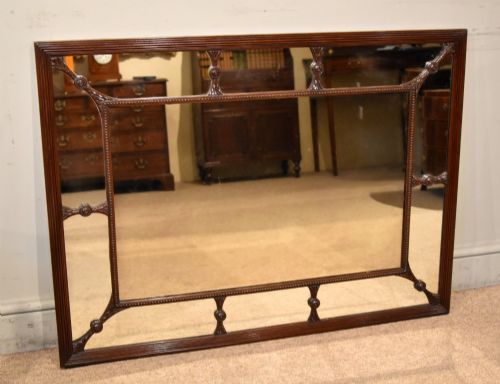
A compartmental mirror divides the looking glass into multiple sections using internal muntins or framing bars. This design creates a wider horizontal span suitable for placement above a fireplace.
Such mirrors often incorporate neoclassical motifs or verre eglomise panels in the upper sections.