

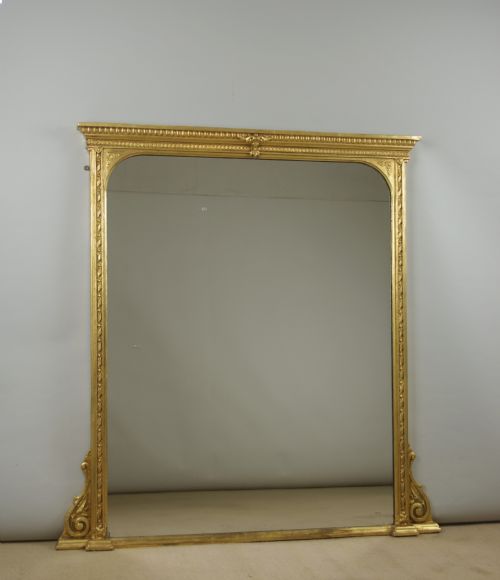


Classical Gold Leaf Mirror
A classical gold leaf mirror brings architectural proportion and gilded light to a room, drawing the eye with stately frames and historic form.
Classical Gold Leaf Mirror
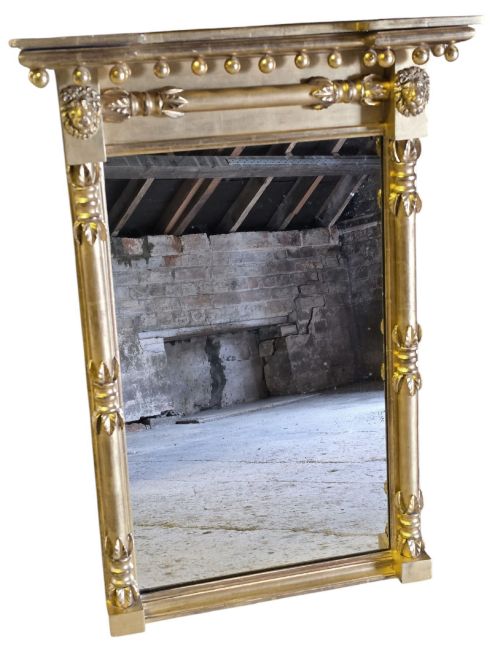
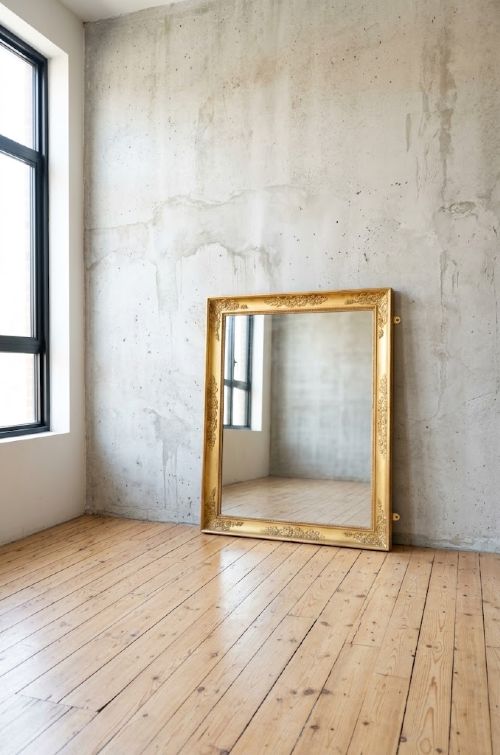
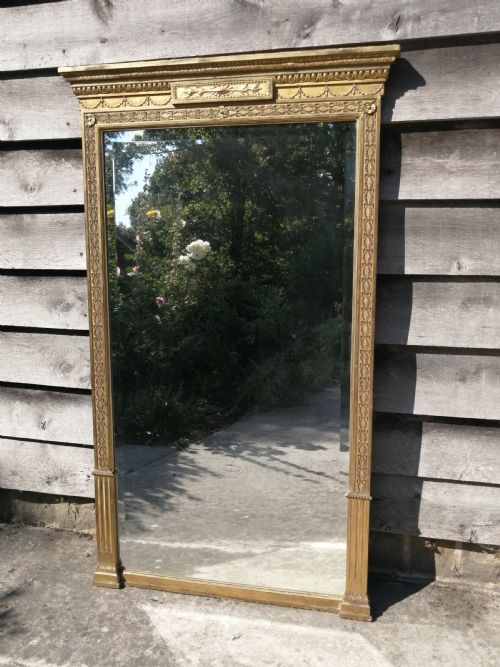
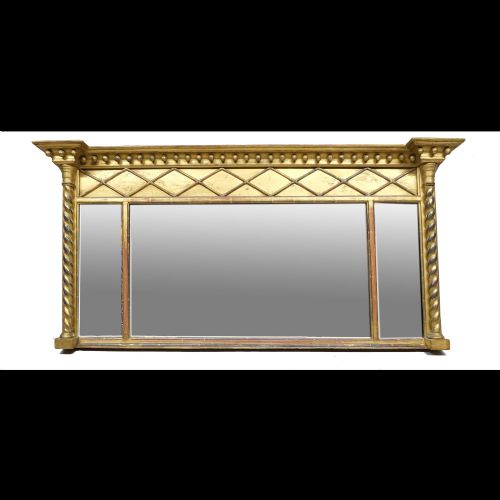
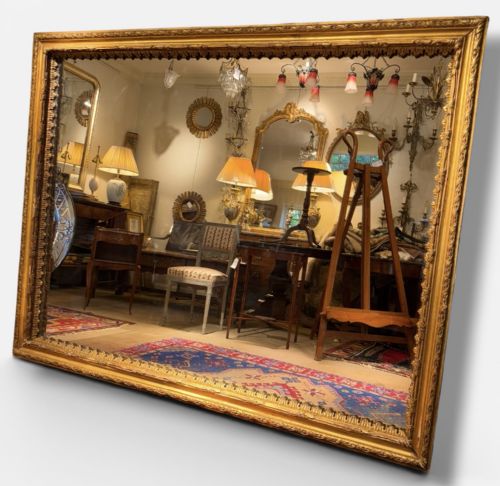
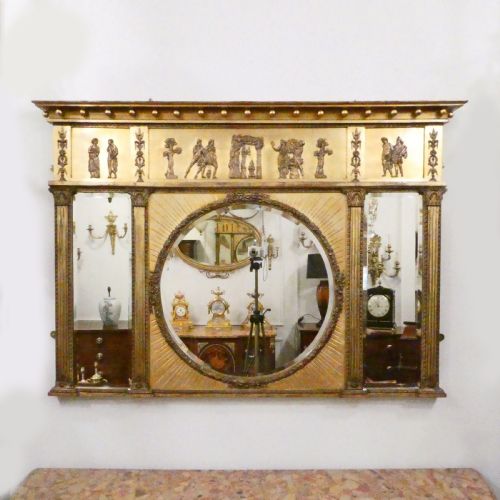
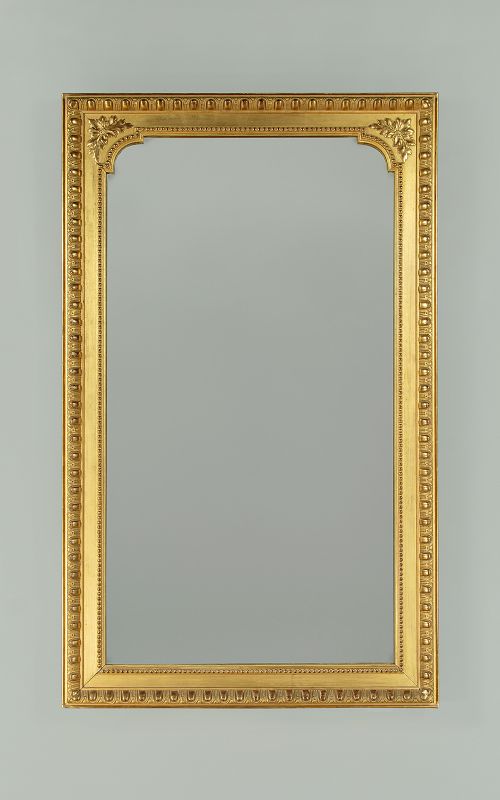
When you search for a classical gold leaf mirror, you encounter wall mirrors, overmantel mirrors, and pier mirrors spanning from the Georgian and Regency eras into the Victorian period. These pieces originate from English and French workshops, utilising traditional formats designed to hang above mantelpieces or between windows.
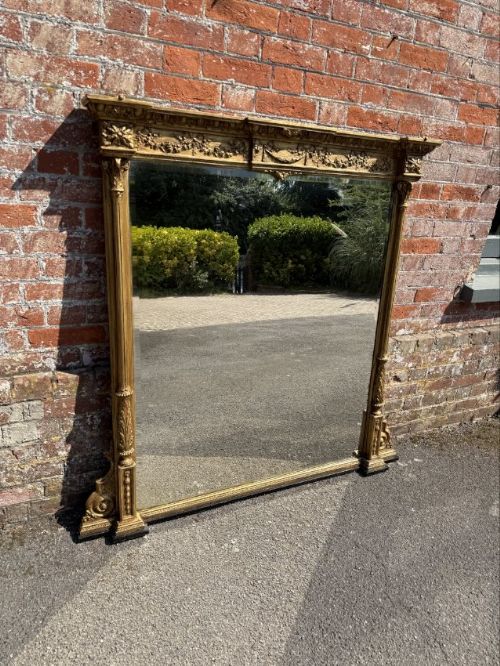
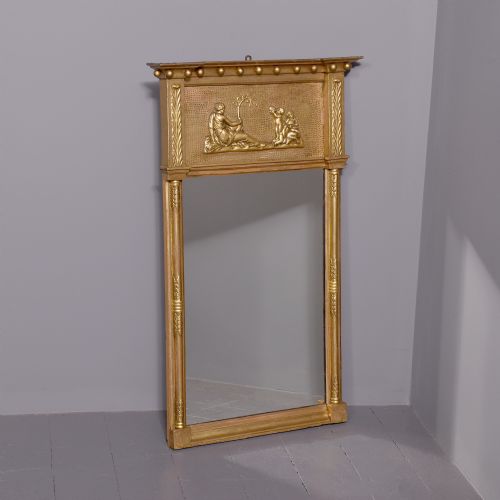
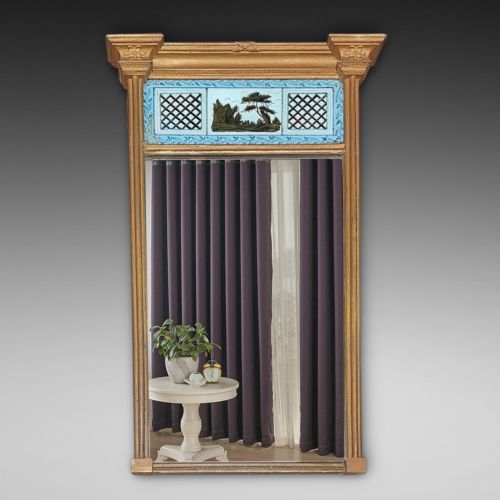
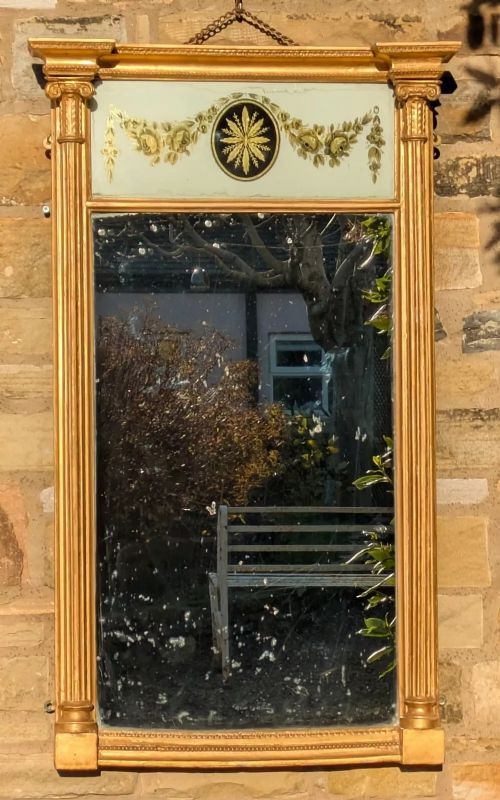
The Regency and nineteenth-century examples dominate the selection, often taking the form of large overmantel frames with architectural columns or pier glasses featuring verre eglomise panels. Buyers select these items to anchor a room with period character and reflective depth.
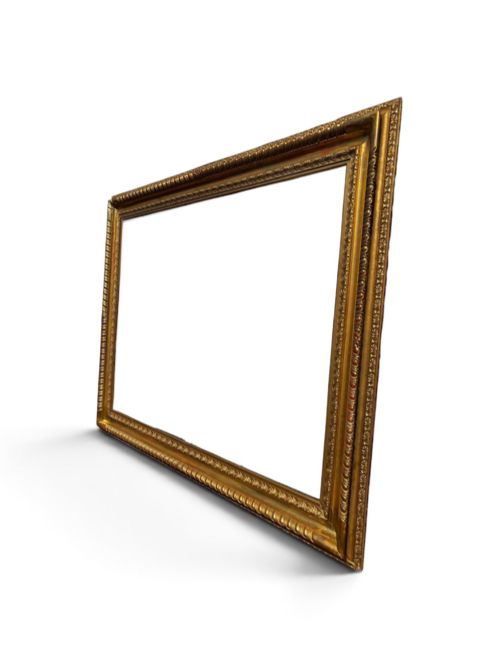
Makers drew on neoclassical and revival styles, producing rectangular, archtop, and oval formats decorated with carvings and gilded surfaces. Each variant reflects the domestic interior fashions of its decade, from restrained Georgian ovals to grand nineteenth-century proportions.
Materials and Construction
Carved wood, pine, and gesso provide the structural foundation for these frames, shaped into classical columns, floral motifs, and mythological carvings. Artisans applied gold leaf and composition to these wooden bases to achieve the luminous metallic finish characteristic of the period.
Mirror glass plates, occasionally original or featuring verre eglomise panels, sit within these gilded surrounds. The combination of gesso mouldings and hand-applied leaf creates the textured depth seen across the nineteenth-century listings.
Distinctions in Execution
The refinement of the carved wooden details and the crispness of the gesso mouldings separate the finest examples from standard production. Superior frames display deeply undercut foliage and architectural elements that retain their definition beneath layers of gilding.
The integrity of the original plate and the application of the gold leaf dictate the visual presence of the piece. Hand-gilded surfaces demonstrate subtle tonal variations, whereas lesser examples show flat or overworked metallic finishes.
The Classical Gold Leaf Mirror Glossary
- Giltwood
- Wood that has been coated with gold leaf. This material forms the primary aesthetic of the frames listed here.
- Verre Eglomise
- A cold painting and gilding technique on glass. It often appears in the upper panels of Regency pier mirrors.
- Pier Mirror
- A tall mirror designed to hang on the wall space between windows. These narrow plates maximise natural light in a room.
- Overmantel Mirror
- A wide mirror made to sit directly above a fireplace mantel. They frequently incorporate multi-plate configurations or architectural cornices.
- Gesso
- A plaster mixture applied to wood frames to create a smooth surface for carving and gilding. It allows for intricate relief ornamentation.
Classical Gold Leaf Mirror: Frequently Asked Questions
Where should I hang an overmantel mirror?
These large horizontal frames suit placement directly above a living room or dining room fireplace. Their proportions reflect the hearth below and draw light across the interior.
Ensure the wall fixings support the considerable weight of a wooden and gesso frame before mounting.
How do I identify a Regency mirror?
Regency pieces often incorporate classical architectural motifs such as ebonised reeded columns, ball-detail cornices, and convex or pier glass plates. They reflect the neoclassical tastes of the early nineteenth century.
Look for construction methods and timber types consistent with the period, such as pine carcases beneath the gilt finish.
What is a verre eglomise panel?
Verre eglomise is a decorative technique where design and gilding are applied to the reverse of glass. It appears frequently in the upper section of Regency pier mirrors.
This dark, reflective panel adds visual contrast to the giltwood frame below the primary mirror plate.
How do I care for antique giltwood?
Dust the frame gently with a dry, soft brush to prevent accumulation in the carved gesso details. Avoid liquid cleaners, moisture, and chemical sprays which damage fragile gold leaf.
Keep the mirror away from direct sunlight and excessive humidity to preserve the underlying wooden structure.