


Georgian Open Table
A georgian open table brings domestic history into a room, offering functional surfaces built from solid timbers like mahogany and oak.
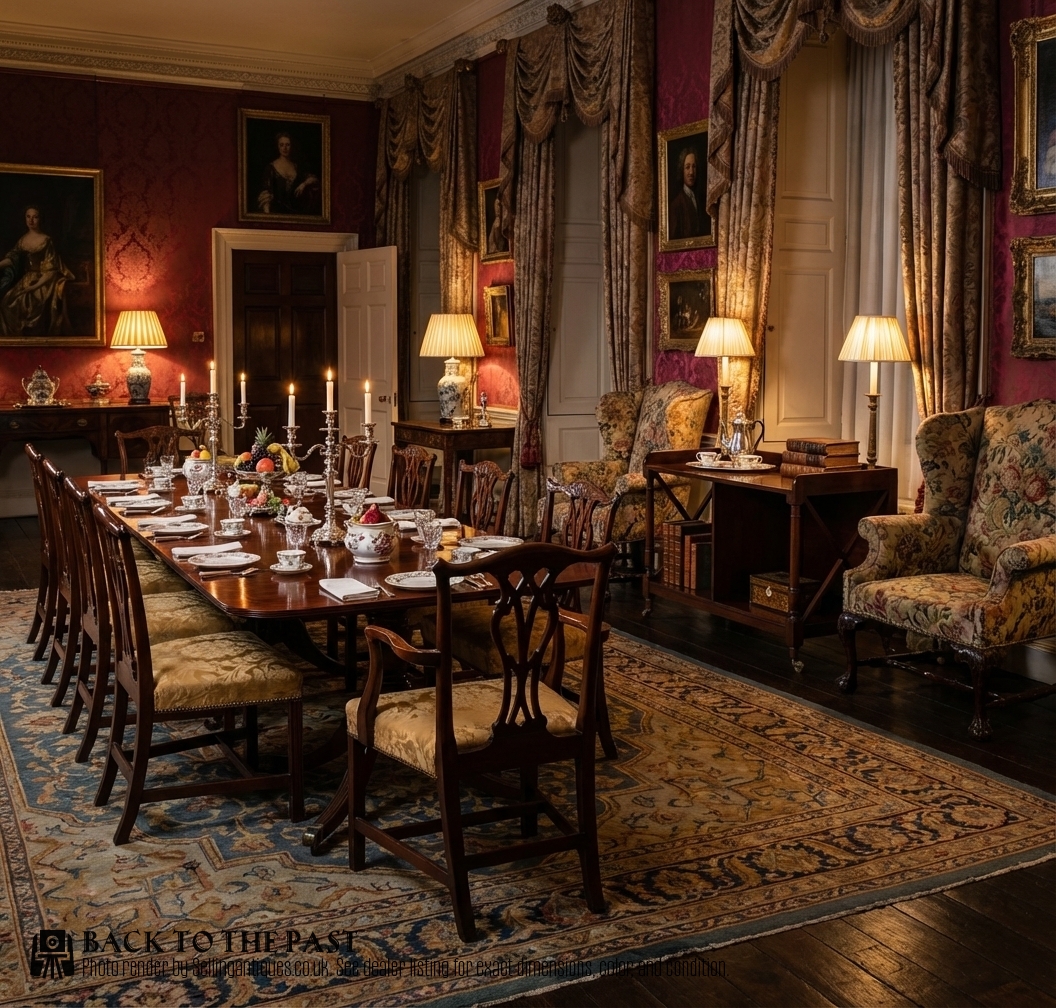
Georgian Open Table
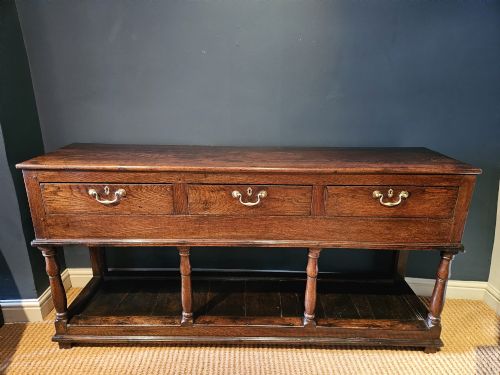
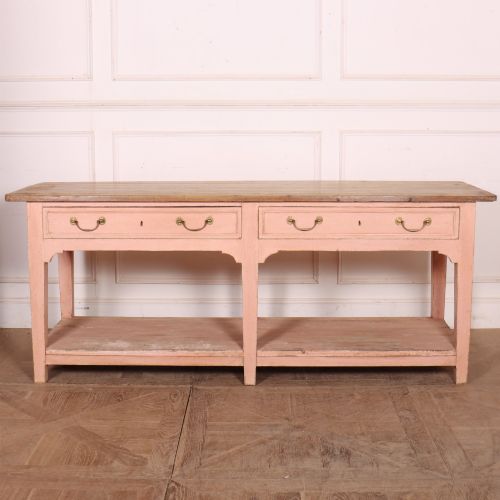
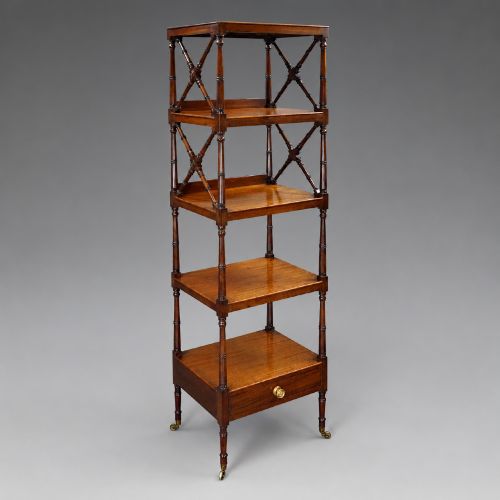
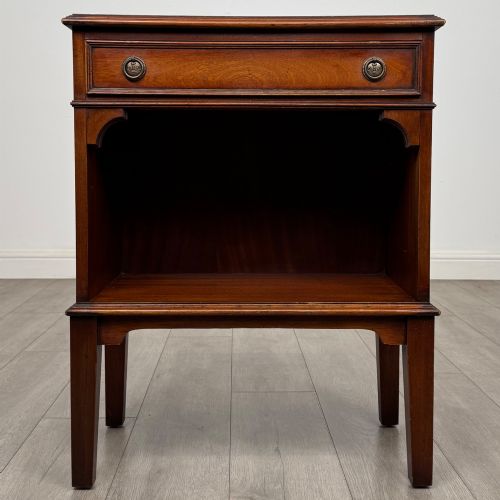
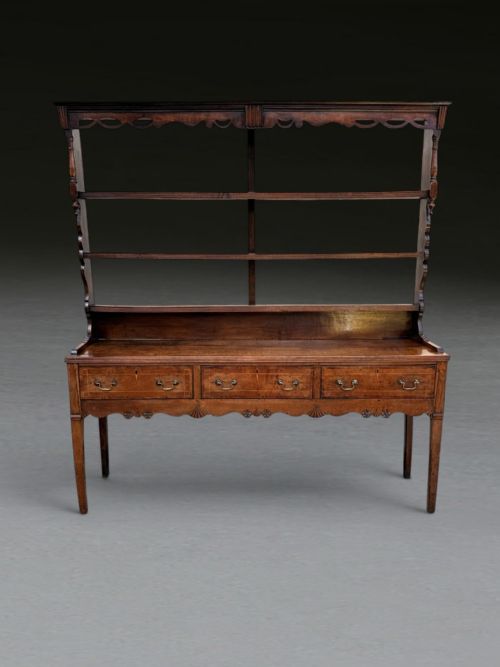
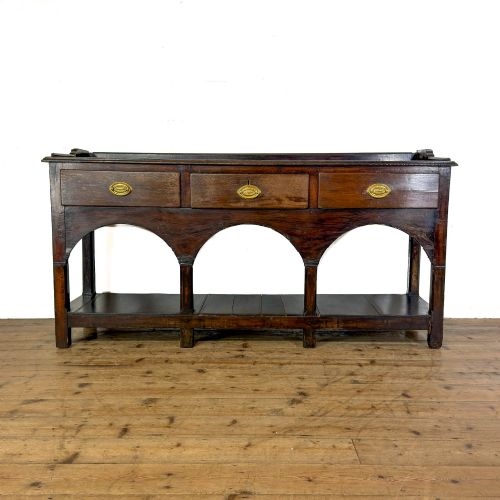
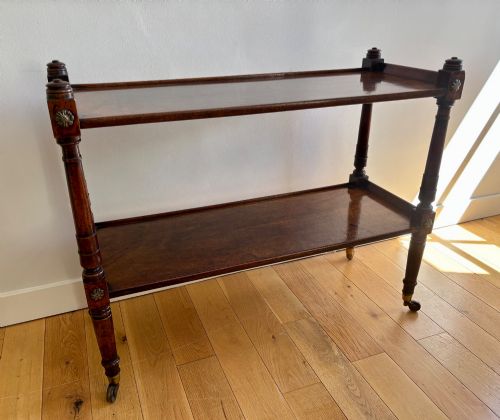
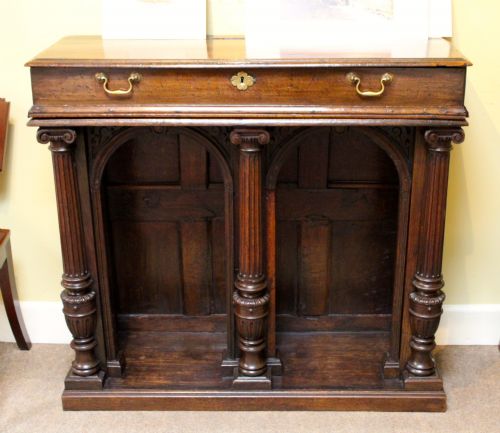
A georgian open table and related open forms include side tables, bookcases, dressers, and whatnots designed for daily utility. These items reflect the domestic arrangements of the eighteenth and nineteenth centuries.
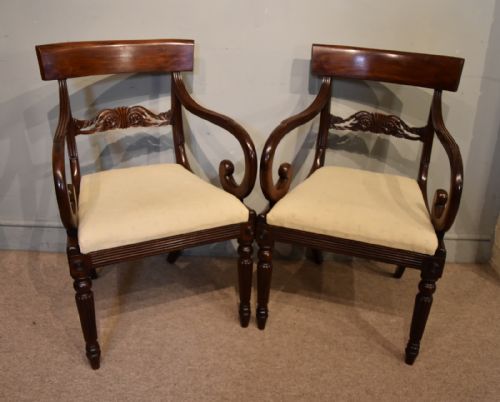
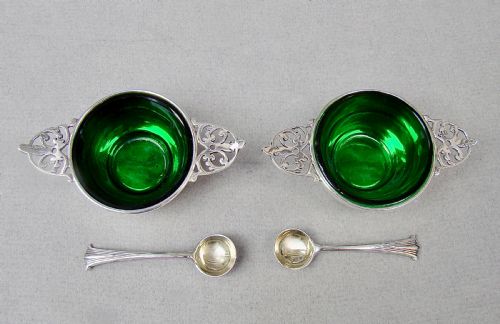
Mahogany and oak dominate the timber selections, frequently accompanied by brass and sterling silver items such as salt cellars. Pieces range from formal Regency designs to robust English country farmhouse furniture.
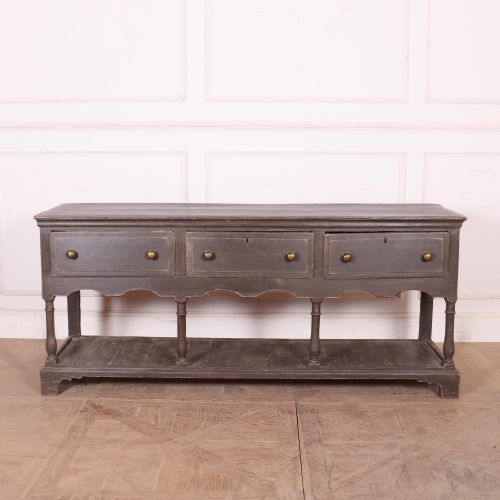
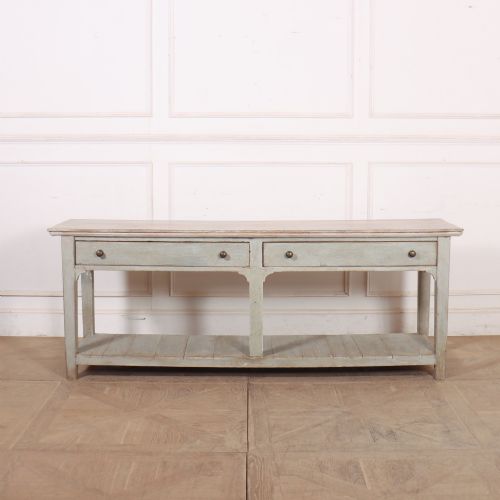
Buyers encounter multiple tiers, open shelves, and potboard bases rather than enclosed storage. This open configuration served varied purposes from displaying books to holding dining silver.
What varies in quality
The selection of timber grade dictates the visual depth of a piece, particularly when figured mahogany or burr walnut is employed. Superior examples show careful matching of grain across prominent surfaces.
Refinement of carving and brass inlay separates standard utility pieces from high-status items made for wealthy households. The structural integrity of tiered open shelving remains vital for daily endurance.
Listings span oak, mahogany, sterling silver, and brass, covering periods from the eighteenth century through to Edwardian revivals.
Josiah Williams & Co·David Hennell·William Bateman·Paul Storr·Joseph Angell I
The Georgian Open Table Glossary
- Whatnot
- A freestanding open shelving unit with multiple tiers used for displaying small objects or books. These pieces became popular during the late eighteenth century.
- Potboard
- A lower open shelf on a dresser base traditionally utilised for storing pots and pans. This feature defines many country oak items.
- Trencher salt
- A small individual salt cellar placed directly on the dining table during meals. Early examples often take a circular or multi-sided form.
- Canterbury
- A low open stand fitted with partitions for holding music sheets or books. Many date from the Regency period.
- Jardiniere
- An ornamental receptacle designed to hold plants or flowers. These items appear in timber or metal forms.
Georgian Open Table: Frequently Asked Questions
How are open bookcases dated?
Stylistic markers such as bracket feet, cornice mouldings, and timber choice help establish the period of construction. Secondary woods used in drawer linings also provide clues.
Comparison with documented examples from the same decade clarifies regional workshop practices.
Where were salt cellars placed?
Table salts sat near dining guests during formal meals before individual shakers became common. Silver and glass variants formed part of the central table arrangement.
Sets often included matching spoons for transferring salt to individual plates.
What timber is most common?
Mahogany appears frequently in formal Regency and Georgian items, prized for its strength and rich colour. Oak dominates country pieces and earlier utilitarian furniture.
Specialist woods like birdseye maple and partridge wood mark more decorative commissions.
How do I maintain timber furniture?
Keep wooden surfaces away from direct heat sources and dramatic humidity fluctuations to prevent splitting. Regular dusting with a dry cloth protects the historic polish.
Occasional application of appropriate wax feeds the grain without building up heavy residues.