




Regency X Frame Table
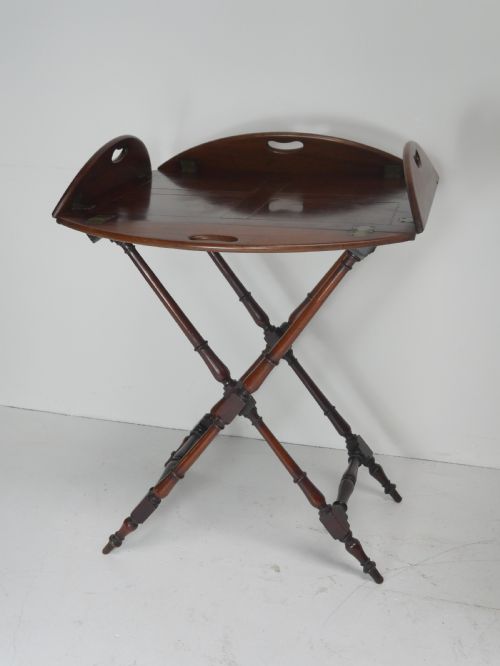
A regency x frame table brings architectural geometry and striking cross-braced support to a room.
Regency X Frame Table
A regency x frame table relies on crossed stretchers or trestles to form the primary support beneath the surface. These pieces sit comfortably within a lineage of neoclassical design and practical nineteenth-century furnishings.
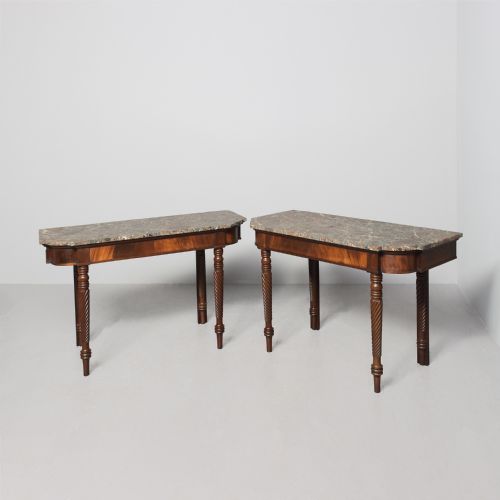
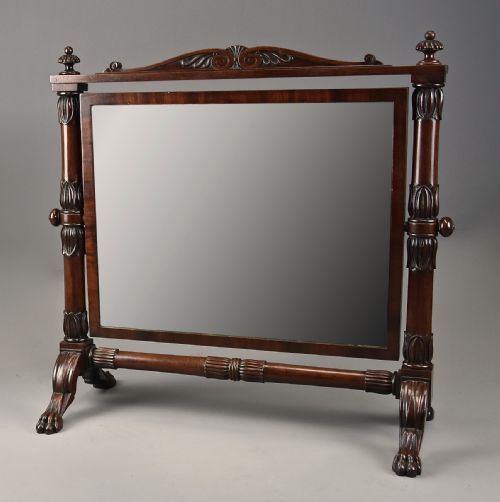
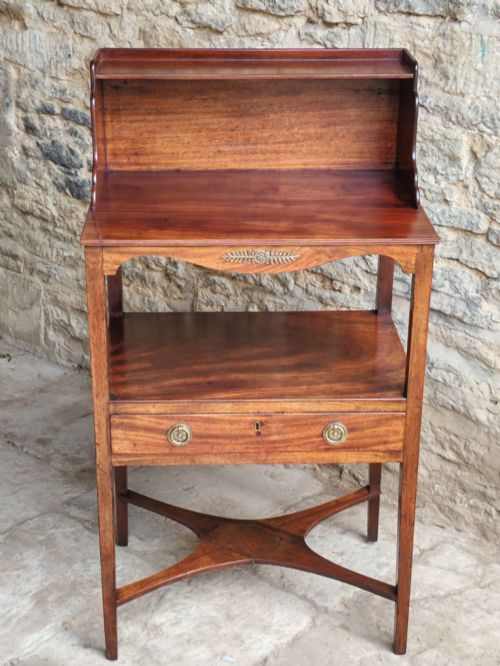
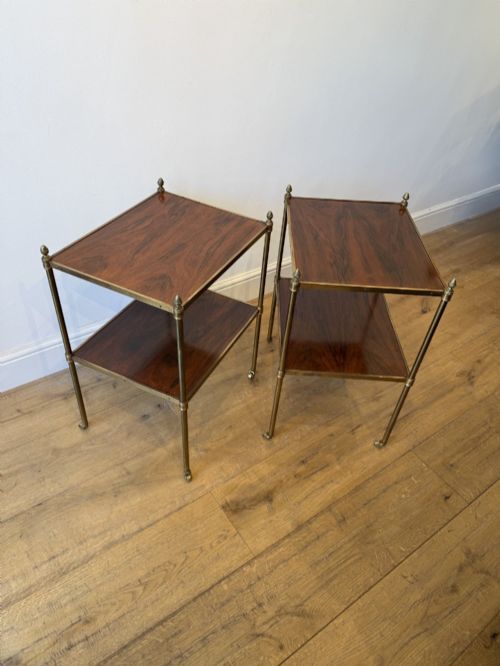
The version most commonly met on this page is constructed from rich timbers like mahogany or rosewood, echoing the classical forms of the Regency and Victorian eras. Collectors encounter occasional tables, library tables, and stools that share this distinctive cross-form bracing.
Such designs bridge the gap between ornamental display and functional utility. They serve readily as compact side pieces or statement library desks where stability and visual balance matter equally.
Distinguishing quality in construction
The distinction between standard utility pieces and finer examples rests upon the precision of the timber joints and the choice of wood veneers. Superior workshops selected richly figured grain and executed the intersection of the cross frame with absolute symmetry.
Finishing touches also separate better examples from the rest, visible in the depth of the polish and the crispness of any turned details. A well-proportioned frame maintains its balance and visual lightness without appearing overly bulky.
Listings demonstrate a strong presence of nineteenth-century mahogany furniture alongside occasional tables in various historical revivals.
P & MA Nicholson·Mallett·Gillows·Peter Ghyczy·Purvis of London·John Russell, RA
The Regency X Frame Table Glossary
- X Frame
- A structural base formed of two diagonal members crossing to support a top. This geometry draws on classical Greek and Roman precedents.
- Cuban Mahogany
- A dense, dark timber harvested in the Caribbean, prized for deep figuring and heavy weight. Cabinetmakers favoured it during the Regency period.
- Rosewood
- A heavily grained, dark tropical hardwood often utilised for decorative furniture and smaller stands. It polishes to a high gloss.
- Neoclassical Revival
- A nineteenth-century stylistic movement drawing directly on ancient Greek and Roman forms. It frequently inspired architectural supports like the X frame.
Regency X Frame Table: Frequently Asked Questions
What is an X frame table?
An X frame table uses crossed stretcher supports beneath the surface rather than standard vertical legs. This design provides structural stability while creating a distinct geometric silhouette.
Such pieces often date to the Regency or nineteenth century, drawing inspiration from classical antiquity.
How do I identify a Regency period piece?
Regency items typically display clean architectural lines, classical proportions, and dark native or imported timbers. Cabinetmakers focused on structural restraint rather than heavy carving.
Examining the underside and joint construction helps confirm the age and manufacturing techniques of the era.
Where should I place an X frame table?
These tables function well as compact side tables, library desks, or accent pieces in a hallway. Their open structural bases prevent them from visually crowding smaller rooms.
Position them where the intersecting geometry of the frame remains visible from multiple angles.
What woods were used for these tables?
Mahogany and rosewood dominate the material record for these furnishings. Dense tropical hardwoods provided the necessary strength for slender crossing supports.
Finer examples frequently showcase Cuban mahogany with rich grain patterns developed through traditional polishing.