
Low Mahogany Bookshelf
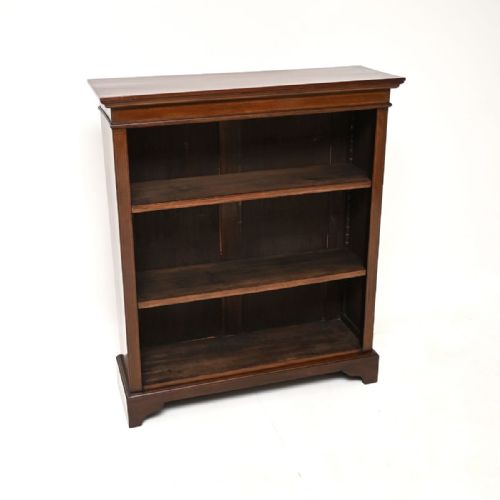
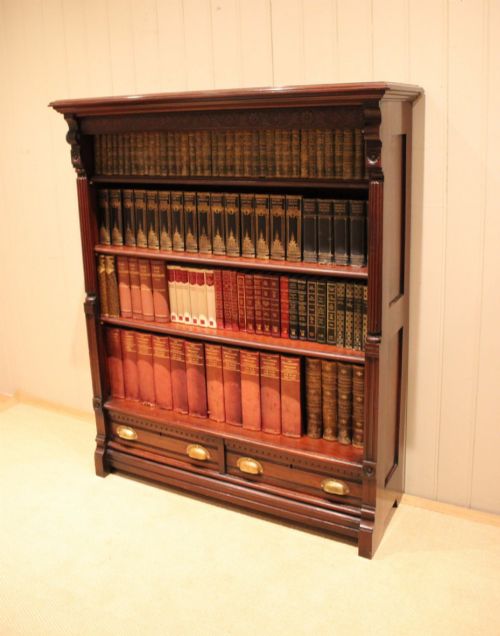
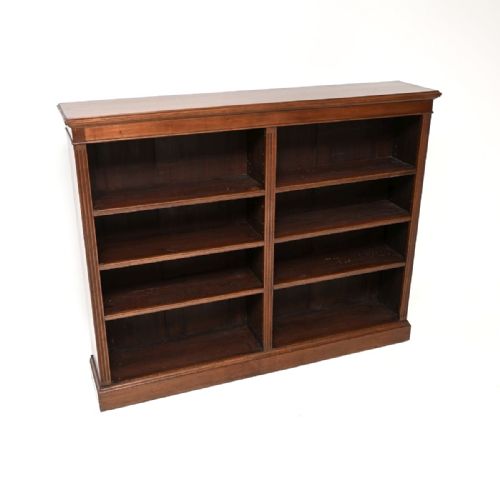
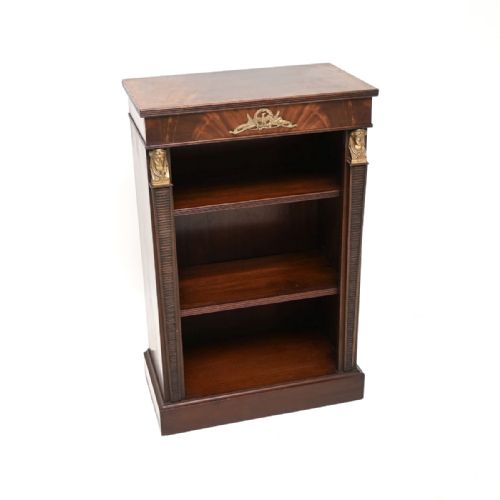
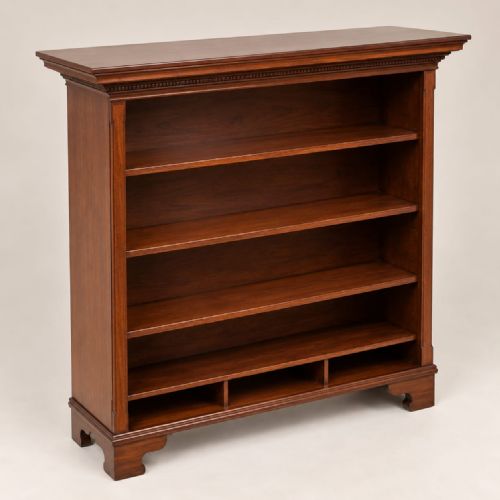
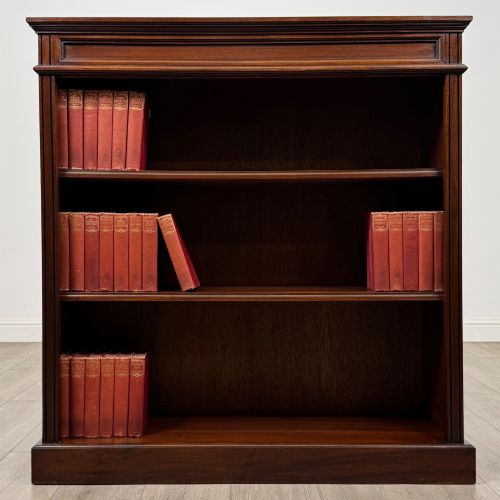
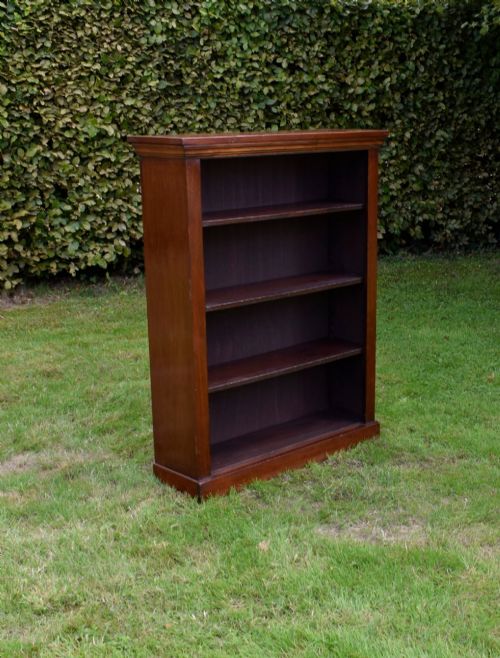
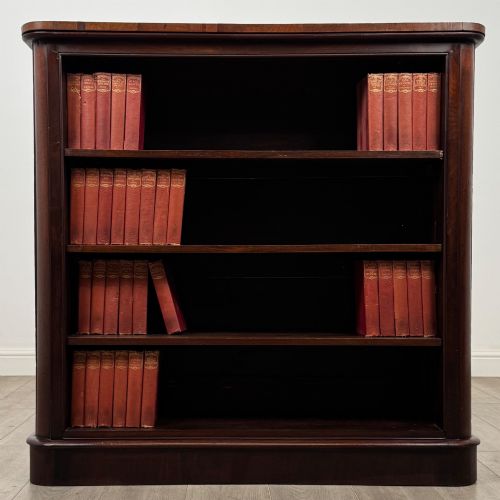
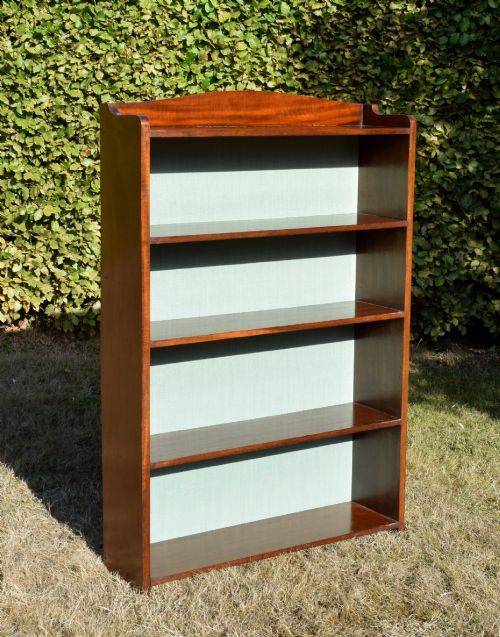
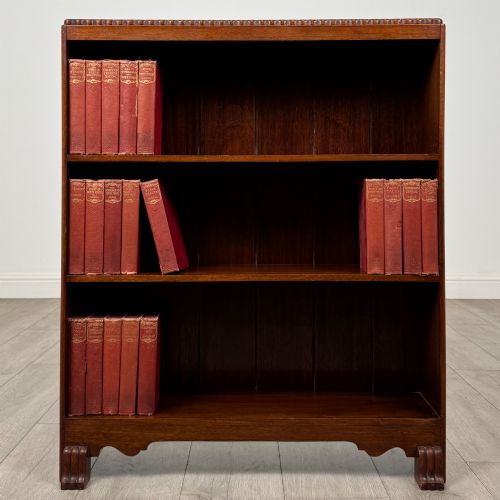
A low mahogany bookshelf offers accessible open storage for a room, bringing rich timber grain and classic proportions beneath eye level.
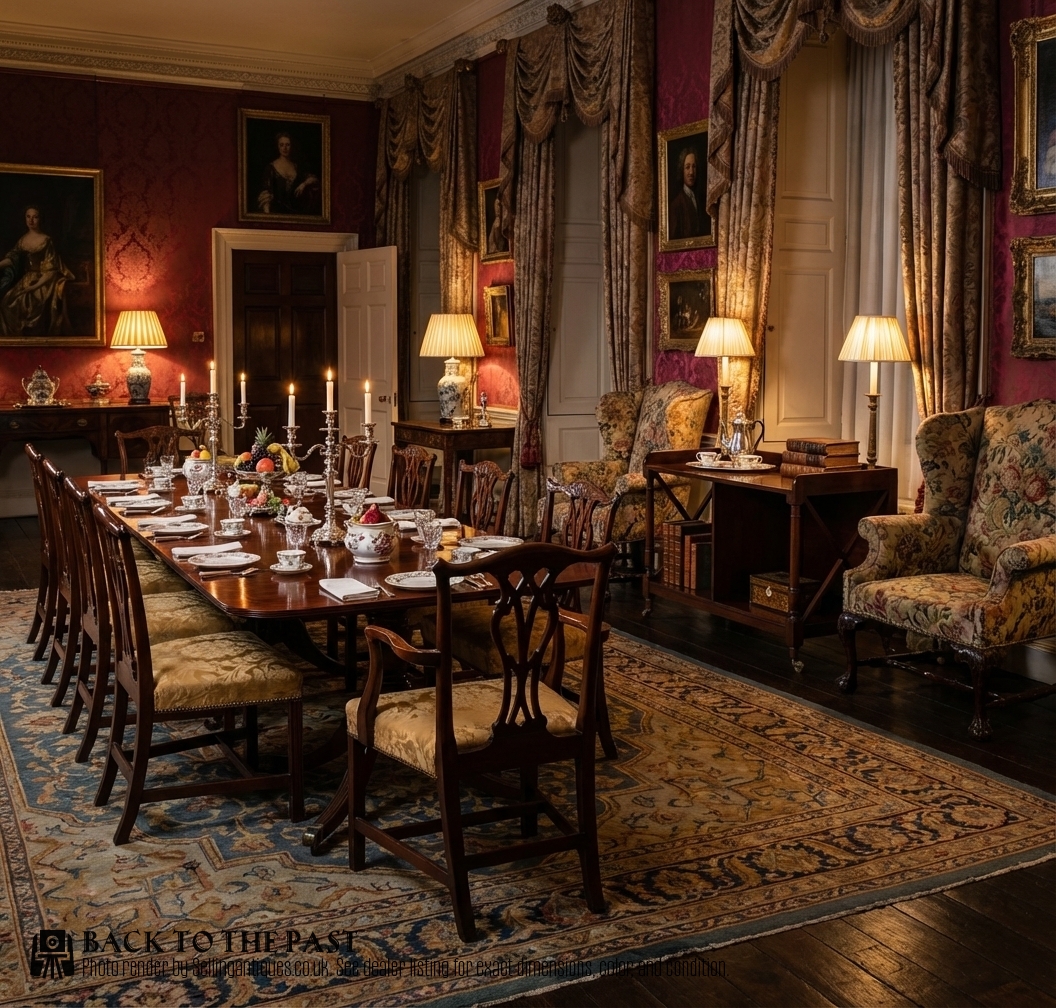
Low Mahogany Bookshelf
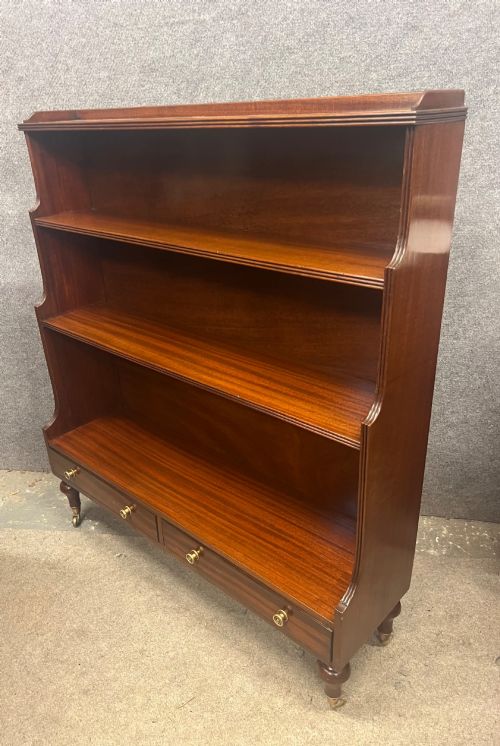
A low mahogany bookshelf provides sturdy tiering for volumes while keeping the top surface free for lamps and objects. These pieces span periods from the Regency era through the Victorian and Edwardian decades, settling comfortably beneath windows or along living room walls.
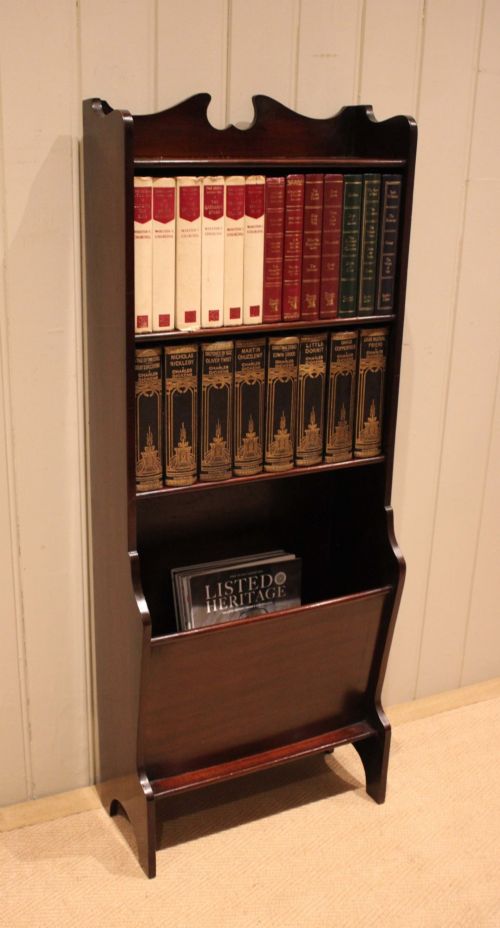
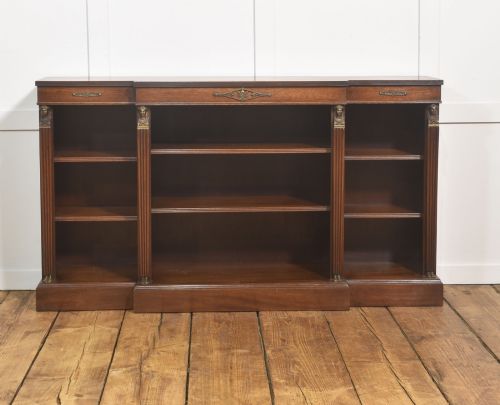
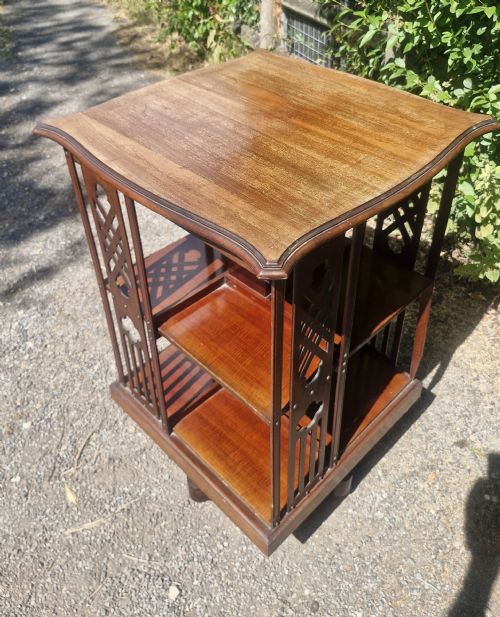
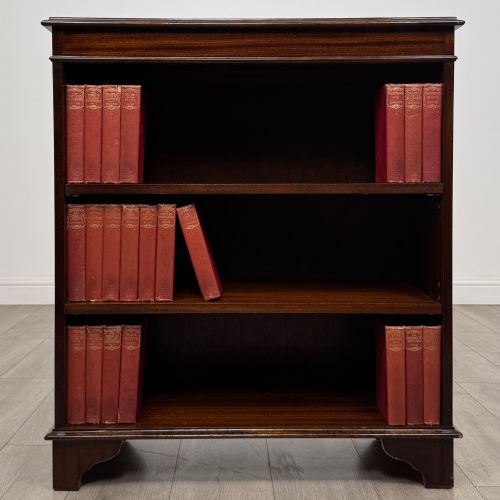
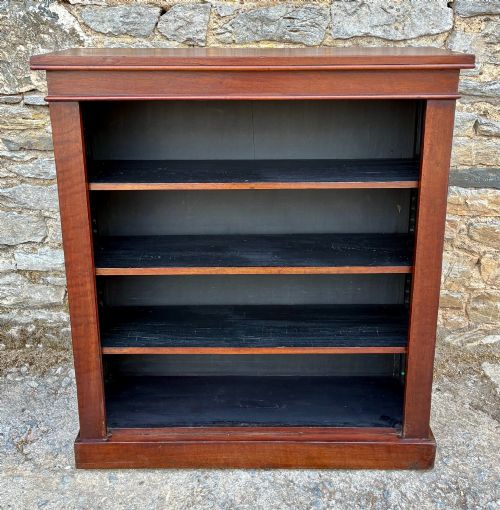
Open bookcase designs dominate the selection, though variations include waterfall tiers, revolving stands, and breakfront profiles. The proportions remain horizontal rather than vertical, keeping rooms feeling open while holding substantial reading matter.
Makers utilised dense timber to build standing units that range from compact single bays to wide breakfront library furniture. Victorian and Edwardian examples frequently feature adjustable shelves, adapting the internal space to fit volumes of differing heights.
Materials and construction methods
Carpenters constructed these low bookcases primarily in mahogany, occasionally selecting flame mahogany veneers for cabinet fronts and top panels to create rippling grain patterns. Inlays of satinwood add fine contrasting borders to specific Edwardian and Georgian style pieces.
Functional metal hardware appears on mobile examples, with brass castors fitted beneath heavy library cabinets for ease of movement. Ormolu mounts and glass elements accent display cabinets and specialised units from the French Empire and Regency styles.
Low Mahogany Bookshelf Retail Price Guide 2026
Typical asking prices for low mahogany bookshelf among the pieces listed under this phrase on Sellingantiques today, from the lower quarter to the upper quarter. They describe what is for sale here now, not the wider market.
Materials documented across the inventory include solid mahogany, flame mahogany, brass castors, glass, and satinwood inlays.
Distinguishing quality across the range
Quality rests in the selection of the timber and the crispness of any inlay or carved moulding. Plain utilitarian pieces rely purely on honest joinery and sound mahogany stock, whereas finer cabinets incorporate figured veneers and delicate satinwood stringing.
The sophistication of the internal shelving mechanism marks a higher tier of production. Racks with operable brass ratchets or numbered tooth slips allow precise shelf adjustment, showing greater care than fixed or crudely pegged boards.
Lamb of Manchester
The Low Mahogany Bookshelf Glossary
- Breakfront
- A piece of furniture where the central section projects forward from the flanking wings. This configuration breaks up long horizontal lines and adds visual depth to larger library bookcases.
- Waterfall bookcase
- A tiered shelving unit where each successive shelf steps back from the one below it, creating a cascading profile. These pieces often feature graduated depths suitable for smaller volumes.
- Revolving bookcase
- A small tiered stand mounted on a concealed rotating base, allowing books to be accessed from any angle. Edwardian examples often utilise this clever mechanism beside armchairs.
- Dwarf bookcase
- A traditional term for a low bookcase standing beneath standard table height. These compact units preserve wall space and light in domestic interiors.
- Satinwood
- A pale, lustrous timber native to India and Sri Lanka used extensively for contrasting stringing and banding on mahogany furniture. Its golden sheen highlights geometric borders.
Low Mahogany Bookshelf: Frequently Asked Questions
How do I date a mahogany bookcase?
Dating relies on combining the overall style, the specific timber figure, and construction clues like joint types and shelf adjustment mechanisms. Regency pieces often show clean architectural lines, whilst Victorian examples frequently feature heavier mouldings and adjustable brass hardware.
Edwardian bookcases lean toward lighter proportions, sometimes incorporating delicate satinwood inlays or revolving bases. Examining the secondary woods at the back and interior helps confirm the manufacturing era.
Are the shelves adjustable?
Many of the Victorian and later bookcases feature adjustable shelving systems to accommodate books of varying heights. These often employ wooden bearer strips, metal peg holes, or sophisticated brass ratchets.
Simpler or earlier pieces may have fixed shelves secured permanently into the sides. Checking the interior uprights reveals which shelving system a particular bookcase utilises.
Where should I place a low bookcase?
Low bookcases sit comfortably beneath windows, along hallways, or backing onto seating furniture without blocking natural light or sightlines. Their top surfaces provide convenient display space for lamps, clocks, and decorative objects.
Because they do not reach the ceiling, they help keep rooms feeling spacious while offering practical volume storage. Their modest height makes them versatile additions to studies and living areas.