




Regency Low Table
When you search for a regency low table, you enter a world of low-slung timber surfaces built to sit comfortably beside period seating.
Regency Low Table
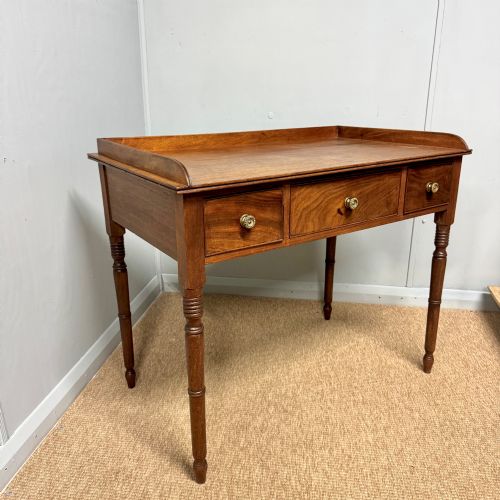
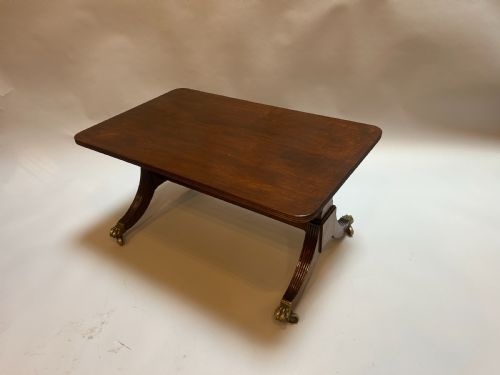
A regency low table brings together pieces specifically described as low occasional tables, coffee tables, and low-proportioned lamp tables from the Regency period and its revivals. These surfaces often originate from converted or inherently low proportions found in library tables, work tables, and tray stands designed for sitting rooms.
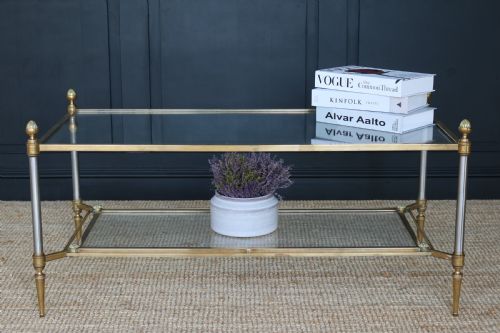
The selection ranges from genuine period pieces dating to the early nineteenth century through to later twentieth-century interpretations in the Regency style, Hollywood Regency, and Sheraton Revival modes. Buyers frequently encounter formats incorporating brass mounts, caned panels, and low display shelves suited to modern living.
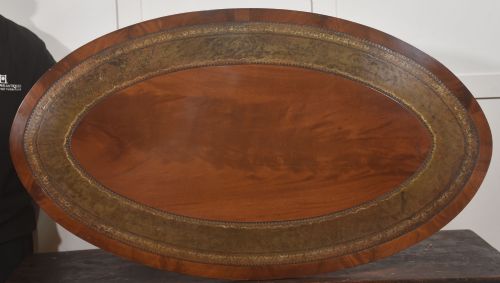
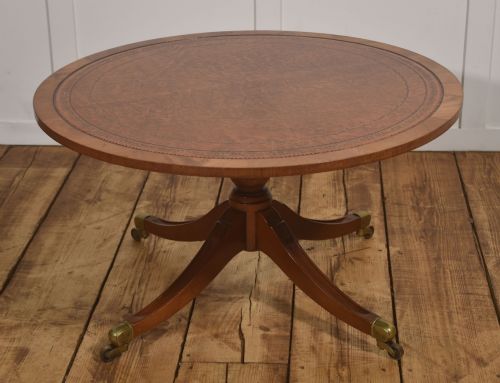
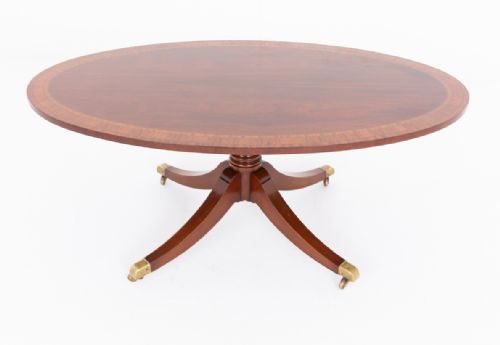
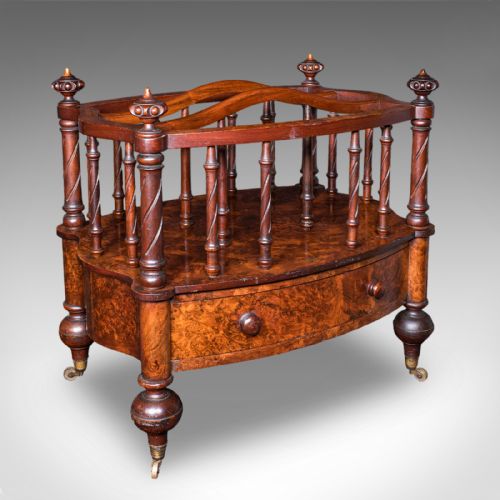
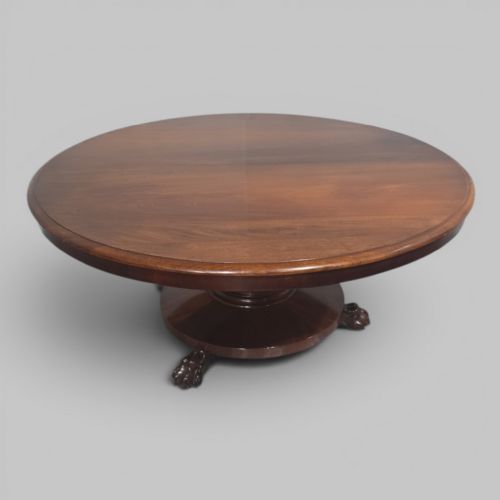
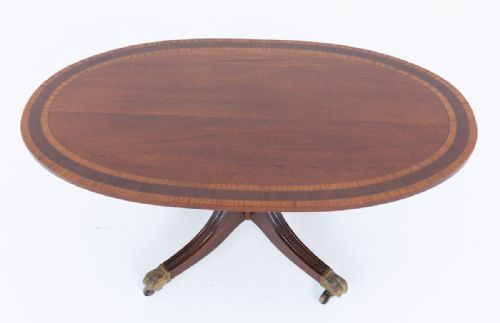
Forms span from circular drum tables and oval coffee tables to Canterbury stands, side tables, and Chinoiserie trays on folding stands. Each piece serves the practical requirement of a low surface while carrying the characteristic classical lines of the Regency vocabulary.

How They Were Made
Cabinet makers utilised dense imported timbers like mahogany and rosewood, frequently selecting figured flame veneers, satinwood banding, and burr walnut to create patterned table tops. Brass inlay, cast brass feet, and gilt metal mounts furnished the structural enrichment typical of the Regency aesthetic.
Construction relied on traditional joinery methods, incorporating turned pedestals, tripod bases, and tapered legs sometimes attributed to workshops such as Gillows of Lancaster and London. Finishing involved meticulous polishing to bring out the natural grain and mellow colour of the wood.
Regency Low Table Retail Price Guide 2026
Typical asking prices for regency low table among the pieces listed under this phrase on Sellingantiques today, from the lower quarter to the upper quarter. They describe what is for sale here now, not the wider market.
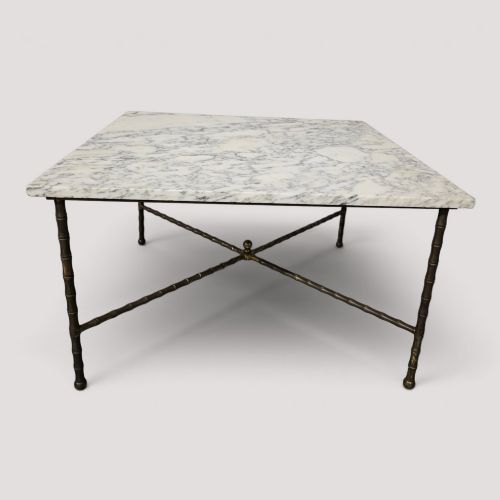
Dolphin bases and faux bamboo turnings quietly remind us that nineteenth-century designers loved a touch of theatrical marine whimsy.
What Varies in Quality
The hierarchy among these tables rests on the crispness of the timber carving, the choice of veneer selection, and the integration of secondary woods. Pieces displaying finely cast brass elements, original casters, and documented workshop characteristics command higher regard than later revival iterations.
Proportion and structural integrity dictate the standing of a low table, particularly where standard tables have been lowered or adapted from earlier forms. An honest retention of original low proportions and uncompromised timber surfaces marks the upper tier of the range.
Gillows·John Mclean·Maison Jansen·Romeo Rega
The Regency Low Table Glossary
- Canterbury
- A low stand featuring slatted divisions for holding newspapers, magazines, and sheet music. These pieces often incorporate a single drawer below.
- Drum Table
- A circular library or centre table with a deep top containing drawers around the frieze, typically supported on a central pillar and tripod legs.
- Sofa Table
- An oblong table designed to stand in front of a sofa, featuring drop leaves on either side and usually fitted with small drawers.
- Oyster Veneer
- Cross-sections cut transversely from small branches or roots to produce circular and oval patterns resembling oyster shells across the table top.
- Parcel Gilt
- A decorative technique where specific carved details or mouldings are partially gilded with gold leaf against a contrasting wood background.
Regency Low Table: Frequently Asked Questions
Are all low tables from the actual Regency period?
Many examples date from the nineteenth century, but the selection also includes twentieth-century pieces made in the Regency revival taste.
Revival pieces from the 1920s and 1950s adopt the classical proportions and mahogany or rosewood materials of the earlier Regency era.
How were these low tables originally used?
Original low tables and work tables served specialised functions in Regency libraries, drawing rooms, and ladies' boudoirs for reading, writing, and needlework.
Today, their height makes them well-suited for use as coffee tables alongside modern low seating.
What woods should I expect to see?
Mahogany and rosewood dominate the selection, often enhanced by satinwood, burr walnut, and figured oak veneers.
Secondary materials such as brass, leather, glass, and cane frequently appear in the decorative detailing and top surfaces.
How do I distinguish a converted table from an original low table?
Original low tables maintain balanced proportions designed specifically for low-level use, unlike standard dining or writing tables that have had their legs shortened.
Examine the leg junctions and overall height relative to the tabletop surface to understand its original structural form.