








Regency Folio Stand
A regency folio stand is a sturdy, adjustable rack for large papers and prints, prized by collectors for its architectural presence and practical paper storage.
Regency Folio Stand
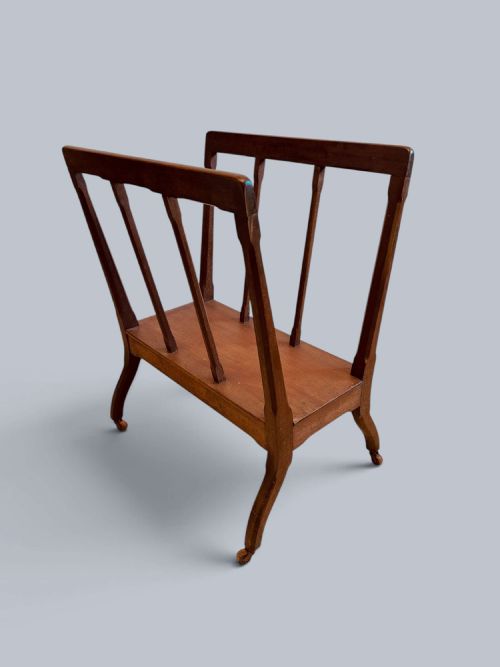
A regency folio stand is designed to hold large sheets of paper, prints, drawings, and maps. These pieces serve as practical display units for artists, architects, and collectors who need to organise oversized folios.
The versions most commonly met on this page span the Regency, late Georgian, and George IV periods. They frequently appear alongside related forms such as canterburys, magazine racks, and low tables.
Originating largely from English workshops, these pieces often display grand proportions suited to country houses. They bridge the gap between functional studio equipment and decorative furniture.
Materials and Construction
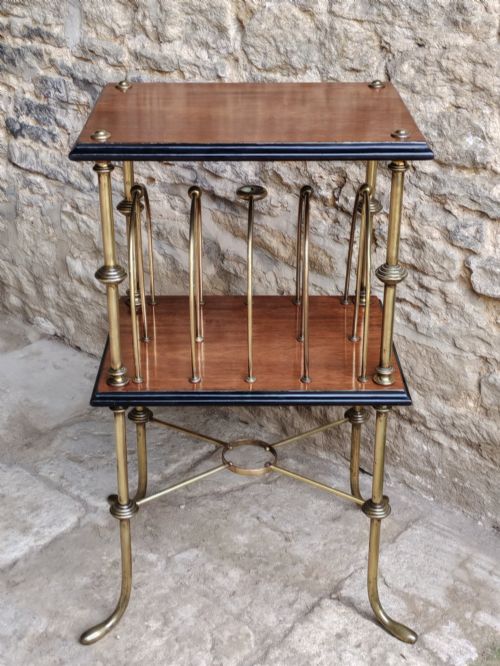
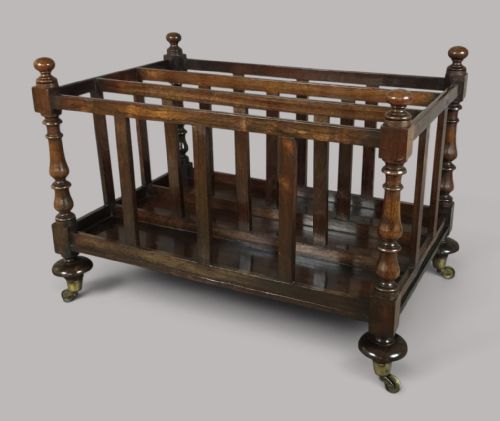
Makers utilised dense timbers such as mahogany and rosewood, alongside decorative options including birds eye maple and ebonised wood. These woods provided the necessary structural integrity to support heavy loads of paper without warping.
Metal components, particularly brass, appear frequently in the form of castors, hinges, and adjustable mechanisms. These fittings allowed users to alter the angle of the rack and manoeuvre the furniture easily across a room.
Regency Folio Stand Retail Price Guide 2026
Typical asking prices for regency folio stand among the pieces listed under this phrase on Sellingantiques today, from the lower quarter to the upper quarter. They describe what is for sale here now, not the wider market.
The furniture spans several decades, extending from the Georgian era through the Regency period and into the early twentieth century.
Judging Quality
The distinction between tiers of quality rests on the selection of timber and the sophistication of the adjustable mechanism. Denser grains and well-figured mahogany or rosewood elevate a piece above standard utility items.
Proportion and scale also dictate worth, with grander country house examples showing superior turning, jointing, and brass detailing. Pieces bearing specific maker attributions command particular attention for their refined joinery.
The Regency Folio Stand Glossary
- Folio stand
- A hinged rack designed specifically for holding large books, prints, or unbound papers. They usually feature adjustable sides.
- Canterbury
- A low multi-partitioned stand used originally for sheet music or folios, often mounted on castors. These frequently overlap in form with folio stands.
- Ebonised wood
- Timber treated with a dark stain or finish to imitate ebony. This technique was popular during the Regency period for contrast.
- Birds Eye Maple
- A figured timber showing small dots resembling bird's eyes, created by local disruptions in the wood growth. It provides a highly decorative surface.
- Regency
- The British design period spanning the early nineteenth century, characterised by classical revival and clean lines. It draws heavily on Greek, Roman, and Egyptian motifs.
Regency Folio Stand: Frequently Asked Questions
What is a regency folio stand used for?
These stands hold large prints, drawings, maps, and architectural plans in an upright or slightly angled position. They allow artists and collectors to browse through heavy portfolios without damaging the contents.
In period interiors, they functioned as both working studio equipment and decorative library furniture. Today, they serve a similar purpose for storing oversized artwork or contemporary periodicals.
How do I identify a genuine period piece?
Examination of the timber, construction methods, and brass hardware reveals the age of the stand. Genuine Regency examples display period-appropriate joinery such as hand-cut dovetails and turned wooden supports.
Look for honest wear on the feet and hinges, as these indicate genuine use over two centuries. Rosewood and mahogany were the primary woods utilised during this era.
Are these stands adjustable?
Many examples include a hinged mechanism or ratchet support between the two sides. This allows the user to widen the rack or lock the display panels at a specific angle.
Original brass ratchets and adjustment bars confirm the functional design of the period. Care should be taken when operating antique mechanisms to preserve the brass fittings.
Where should I place a folio stand in my home?
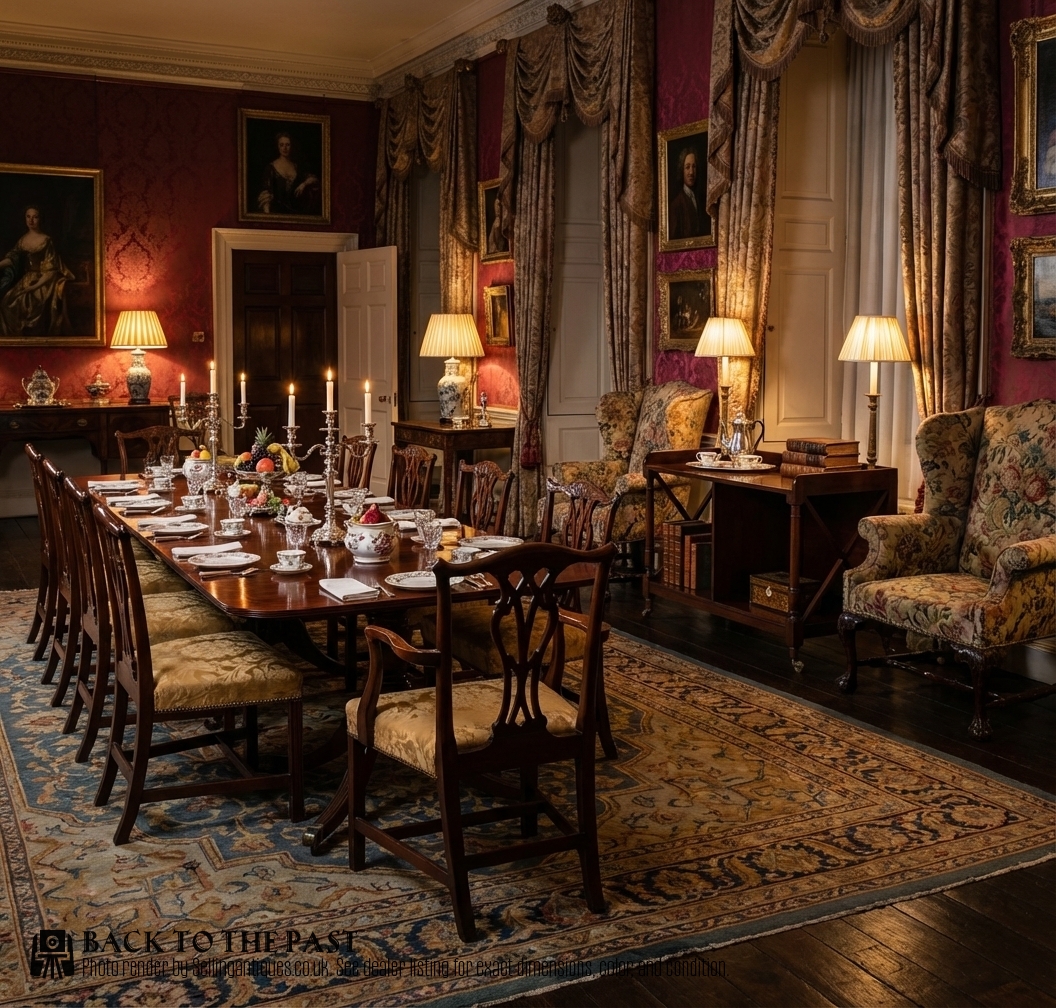
These pieces suit libraries, studies, and large sitting rooms where they can stand freely or against a wall. Their open framework prevents them from visually crowding a room despite their generous scale.
Ensure they stay away from direct heat sources and strong sunlight to protect the polished mahogany or rosewood surfaces. They pair well with other Georgian and Regency furniture.