






Mahogany Folio Stand
A mahogany folio stand holds papers, plans and prints with a sturdy dignity that suits any room.
Mahogany Folio Stand
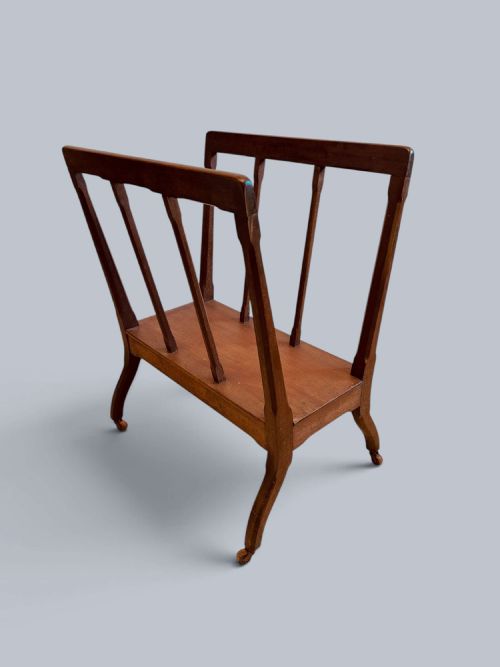
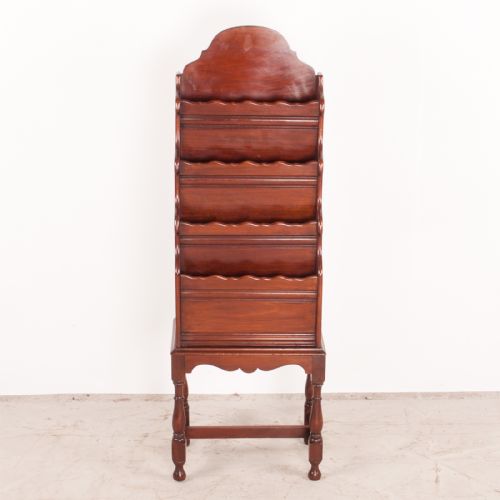
A mahogany folio stand is a practical piece designed to hold large papers, prints, and drawings safely. These stands appear in forms such as dedicated folio stands, plan stands, magazine racks, canterburys, and side cabinets.
The pieces on this page span several distinct periods including the Georgian, Regency, George IV, Edwardian, and 1920 eras. Regency examples often reflect the architectural tastes of the early nineteenth century.
Makers from the Edwardian period also contributed to this tradition, alongside country house examples dating back to around eighteen hundred.
How they were made
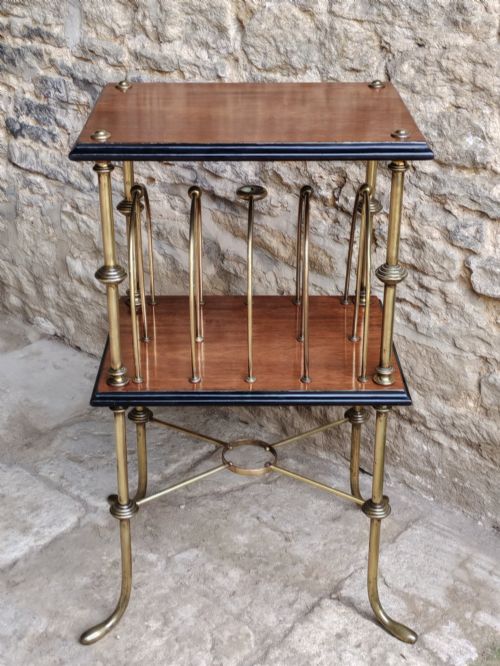
Constructed predominantly from mahogany, these stands sometimes incorporate secondary materials such as oak, brass hardware, marble inserts, and satinwood inlay. The primary timber provides both structural strength and a rich surface grain.
Joinery techniques suited to each period ensure stability for heavy paper loads. Brass fittings allow for adjustable frames and folding mechanisms on specific folding plan tables.
Mahogany Folio Stand Retail Price Guide 2026
Typical asking prices for mahogany folio stand among the pieces listed under this phrase on Sellingantiques today, from the lower quarter to the upper quarter. They describe what is for sale here now, not the wider market.
Listings feature mahogany folio stands across periods from Georgian and Regency up to Edwardian and nineteen-twenty.
What varies in quality
Quality in a mahogany folio stand rests on the choice of timber and the precision of its construction. Well-figured mahogany and subtle satinwood inlay distinguish the finer items from simpler utility pieces.
The refinement of brass mounts and the smoothness of any adjustable mechanism demonstrate the maker's skill. Robust framing that supports large formats without strain marks the superior examples.
Collinson & Lock London
The Mahogany Folio Stand Glossary
- Canterbury
- A low stand with partitions, originally intended for sheet music or folios, which often shares structural similarities with folio stands.
- Satinwood inlay
- A contrasting light wood used to create decorative patterns within the darker mahogany surface. This technique highlights the skill of the cabinetmaker.
- Regency
- A British design style spanning the early nineteenth century, characterised by classical restraint and clean architectural lines.
Mahogany Folio Stand: Frequently Asked Questions
What is a mahogany folio stand used for?
These stands hold large sheets of paper, prints, maps, and architectural plans in an upright or slightly angled position.
They allow artists, collectors, and readers to browse through large formats easily without damaging the edges.
How do I identify a Regency folio stand?
Regency stands typically date from the early nineteenth century and display classical architectural proportions. They often feature clean lines and disciplined use of mahogany.
Later Georgian Revival or Edwardian pieces may echo these forms but carry markers of their own specific decades.
Can I use a folio stand for magazines?
Many related forms on this page include magazine racks and canterburys designed for periodical storage. Their upright partitions suit modern journals just as well as historical papers.
This makes them adaptable for contemporary living rooms and studies.
What woods are used besides mahogany?
While mahogany is the primary timber across the inventory, other materials appear in support or decoration. Oak provides robust internal structure, while satinwood inlay adds surface contrast.
Selected pieces also incorporate marble and brass fittings for added weight and adjustment.