


19th Century Music Rack
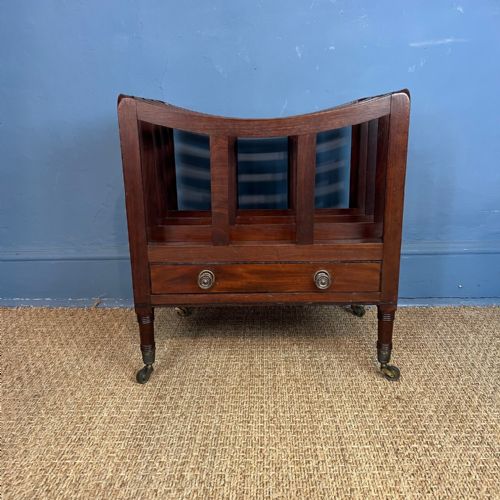
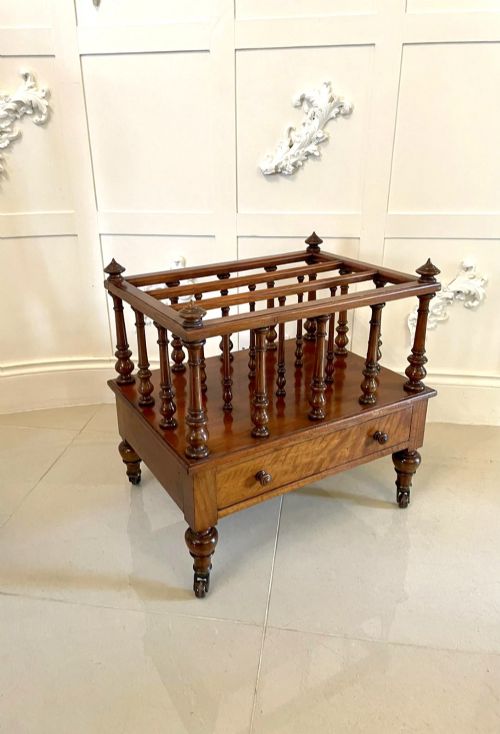
These 19th century music rack pieces, known traditionally as canterburys or folio stands, organise sheets and books beside the piano with genuine period grace.
19th Century Music Rack
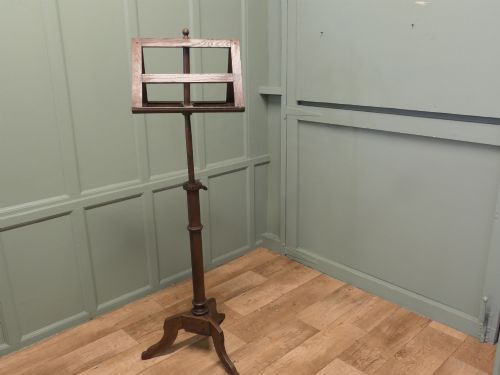
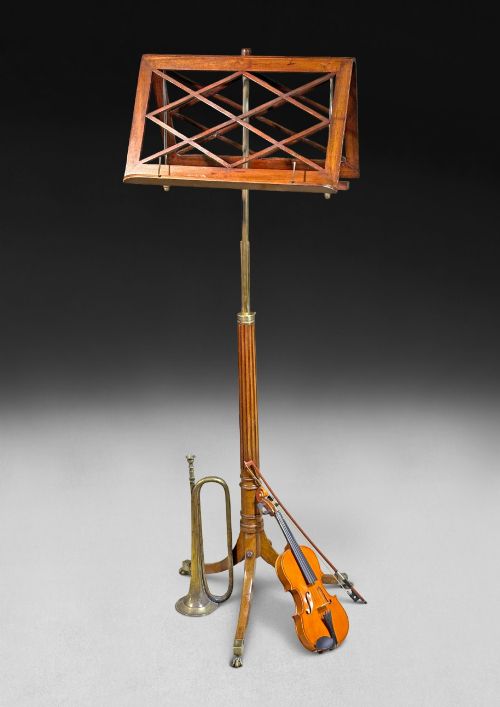
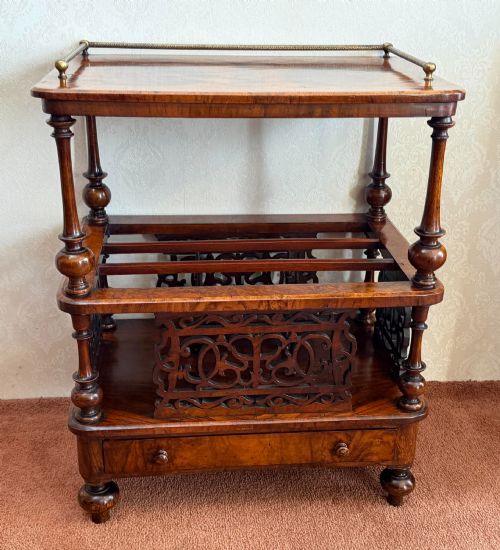
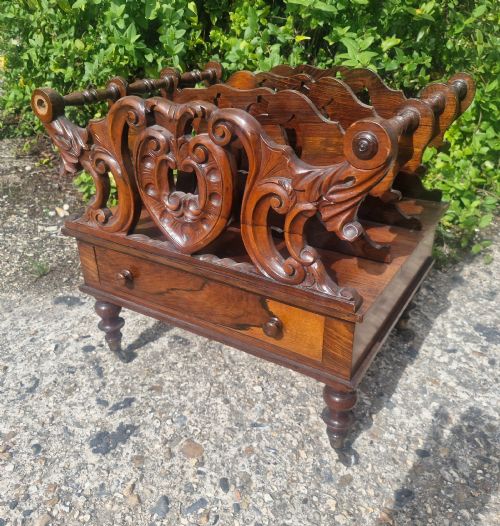
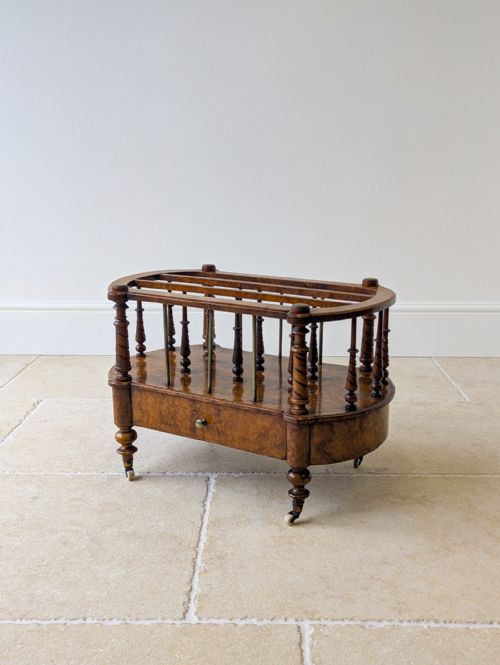
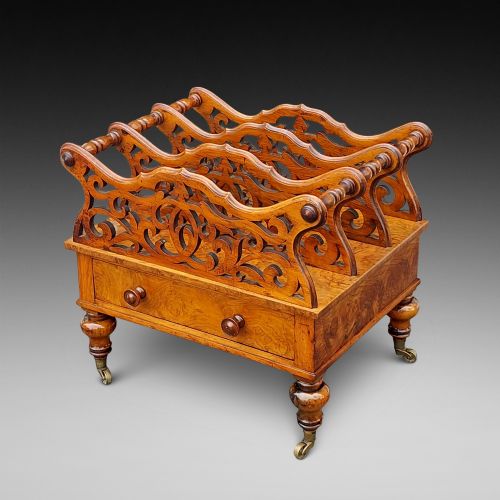
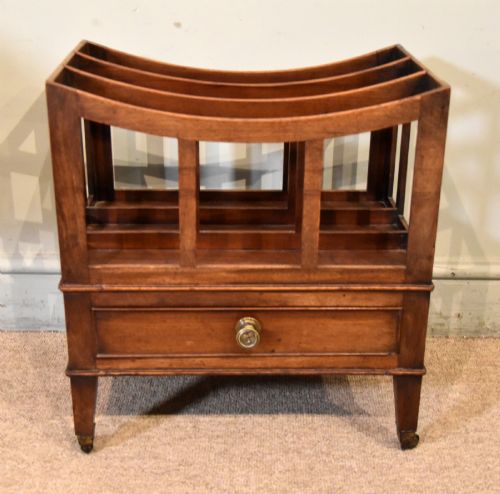
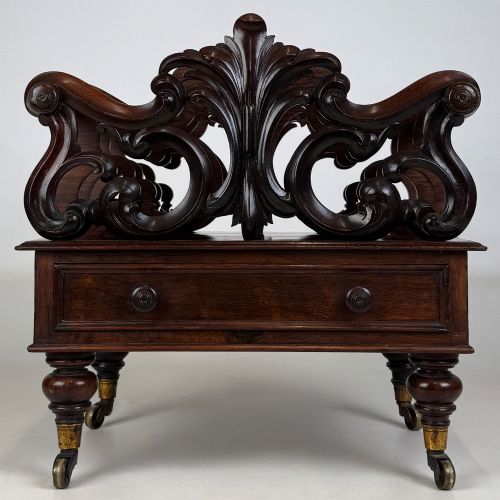
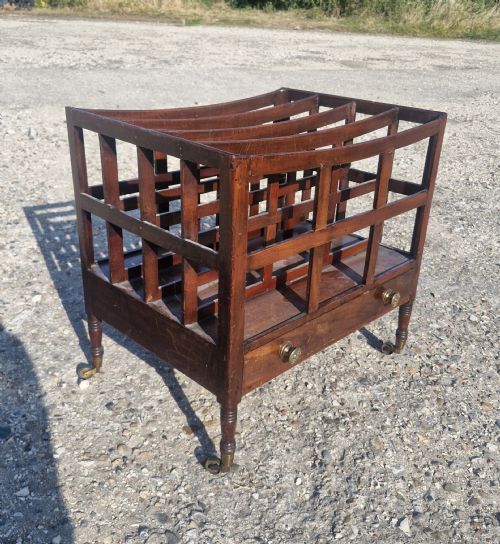
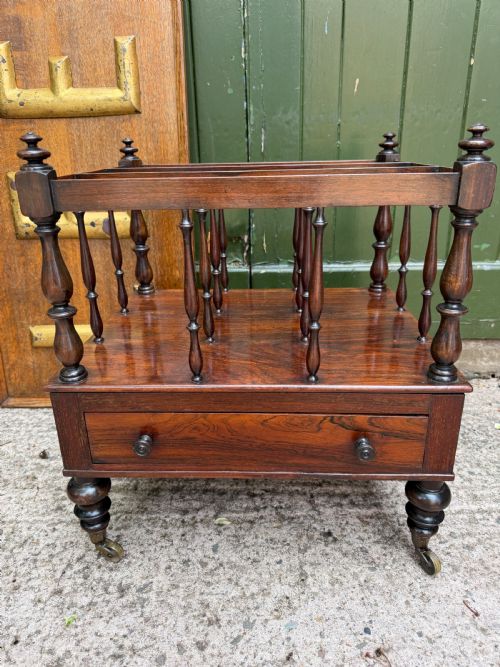
A 19th century music rack is typically encountered on this page as a mahogany, rosewood, walnut, or burr walnut canterbury or folio stand. These pieces provide compartmentalised storage for sheet music and folios, often incorporating lower drawers or underneath shelves.
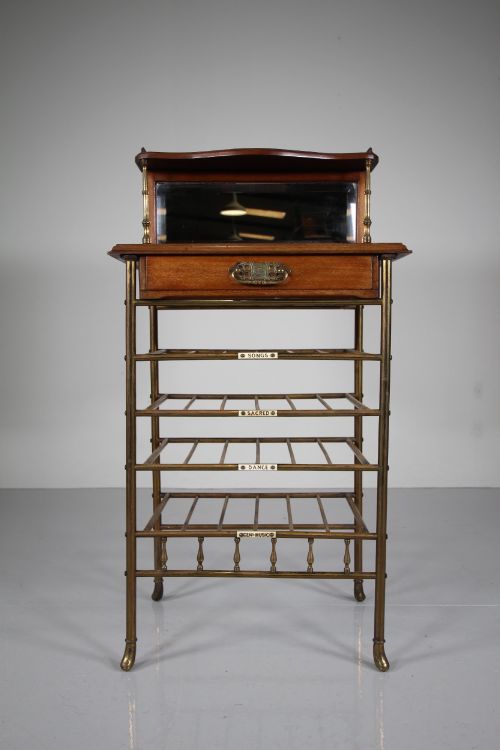
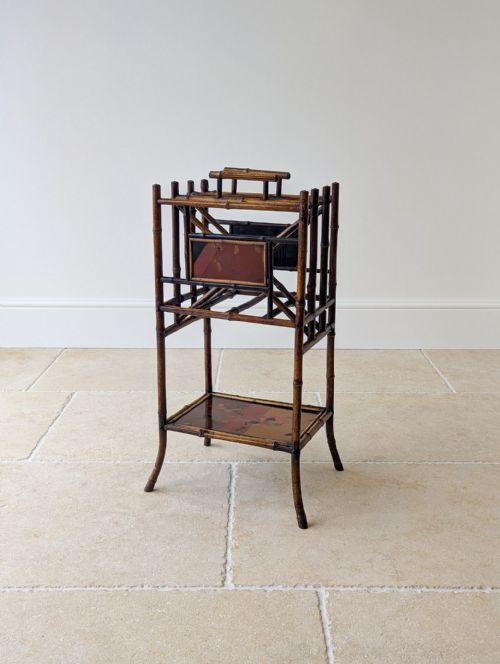
The forms span the Regency, Georgian, and Victorian periods, reflecting the shifting domestic tastes of the century. Some examples combine the traditional music rack with tabletop display surfaces or whatnot shelving.
The majority of these pieces originate from English workshops, using native and imported timbers suited to parlour and drawing room interiors. A buyer investigating this phrase will find variations ranging from simple three-division racks to elaborate combination furniture.
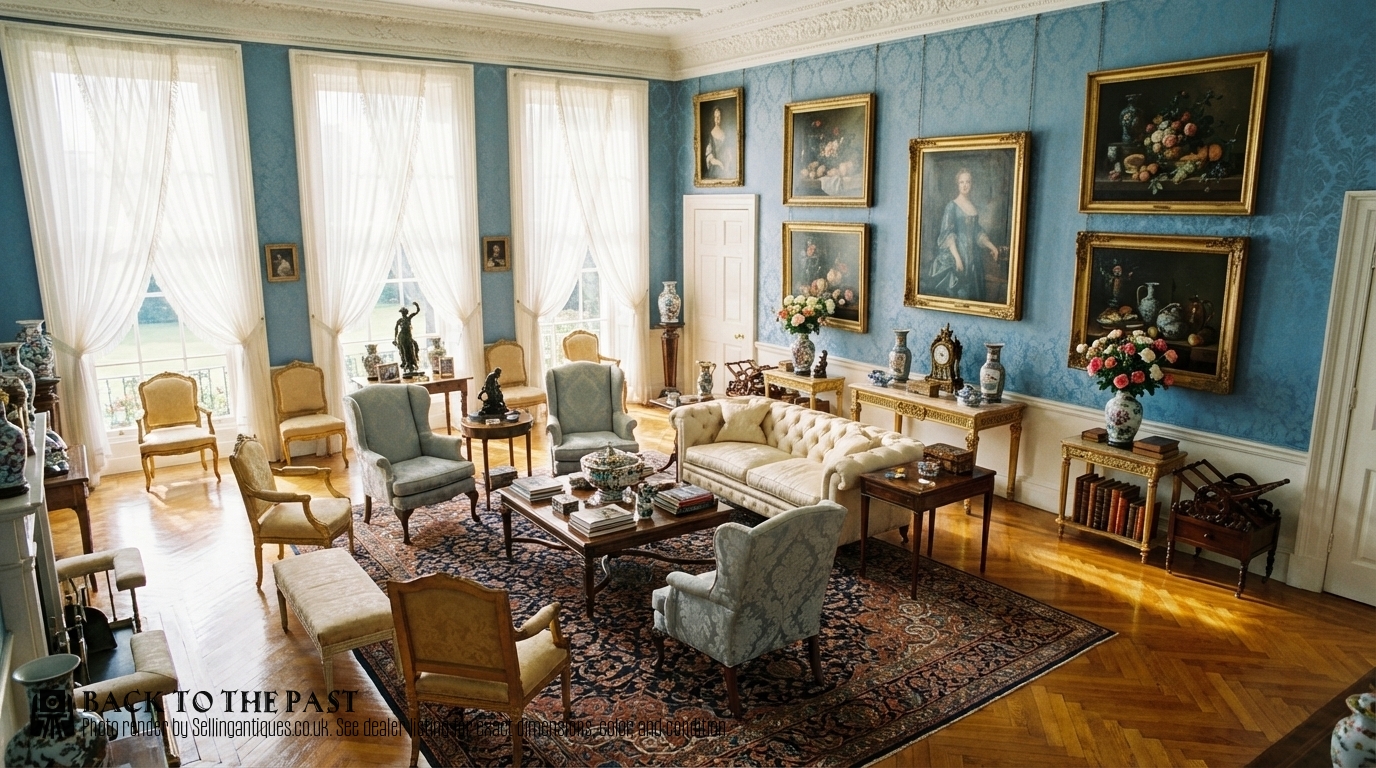
Materials and construction
Cabinet makers utilised solid timbers and decorative veneers, selecting mahogany, rosewood, walnut, and burr walnut for their grain patterns and colour. Brass details frequently appear in castors, handles, or structural fittings.
Construction techniques include turned supports, pierced scroll divisions, and fitted drawers. Individual items incorporate ceramic elements or display shelves fixed above the main rack section.
19th Century Music Rack Retail Price Guide 2026
Typical asking prices for 19th century music rack among the pieces listed under this phrase on Sellingantiques today, from the lower quarter to the upper quarter. They describe what is for sale here now, not the wider market.
The listings span five distinct periods and styles, including Georgian, Regency, and Victorian.
Distinguishing quality
Quality in a 19th century music rack rests on the selection of timber veneers, such as finely figured burr walnut or rich rosewood, matched across the surfaces. The crispness of turned columns and the finesse of pierced scrollwork also separate standard items from finer productions.
The integration of secondary functions, like additional whatnot shelves or a functioning lower drawer, demonstrates higher ambition in design. Hardware choices, including original brass castors and fittings, contribute to the integrity of the piece.
The 19th Century Music Rack Glossary
- Canterbury
- A low stand with vertical divisions used for holding sheet music, folios, or books. This term appears frequently alongside music rack.
- Folio stand
- A larger piece designed to hold loose prints, drawings, or music sheets flat or upright. These often date from the Georgian or Regency periods.
- Whatnot
- An open set of multi-tiered shelves used for displaying ornaments or books. Several pieces on this page combine this form with a lower music rack.
- Burr walnut
- A highly figured wood veneer taken from the wart or burl of the walnut tree. It yields intricate, swirling patterns favoured in Victorian cabinet making.
- Pierced scroll
- woodwork cut through with decorative curved designs. This technique shapes the vertical divisions of many music racks.
19th Century Music Rack: Frequently Asked Questions
What is a canterbury music rack?
A canterbury is a specific form of furniture designed to hold sheet music and folios in vertical compartments. They usually feature turned supports and low drawers.
Many examples from the 19th century also incorporate carrying handles or small wheels known as castors for movement around the room.
How do I date a music rack?
Dating relies on identifying the primary timber, decorative style, and construction traits associated with periods like the Regency or Victorian era. Mahogany and rosewood are common in earlier pieces, while burr walnut is typical of the mid-19th century.
Form also provides clues, as Georgian and Regency items often display simpler architectural lines compared to later Victorian combination pieces.
Where were these pieces used?
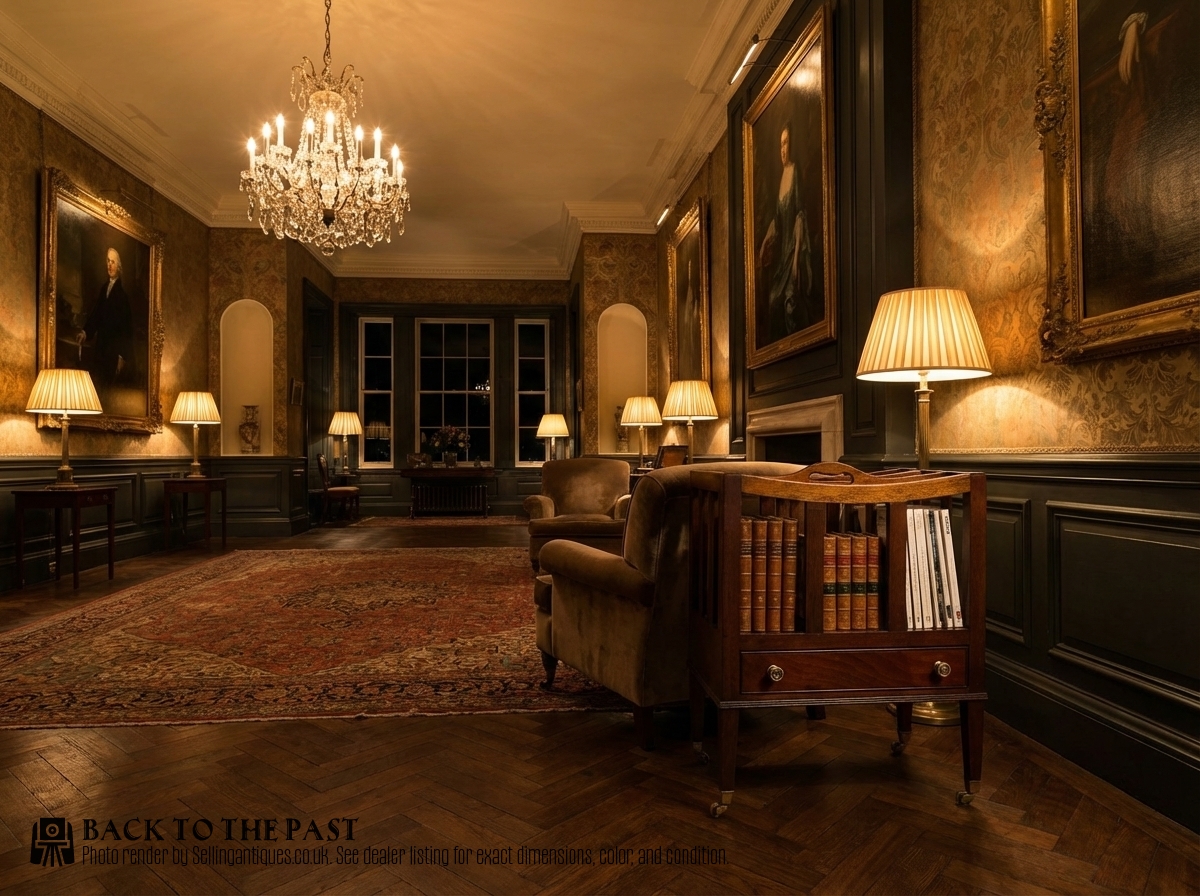
These items stood beside pianos, in music rooms, or in formal drawing rooms to keep sheet music organised and accessible. They served both a practical storage function and a decorative role in the home.
Some larger country house examples functioned as folio stands for portfolios of prints and large books.
Can I use these for modern magazines?
The vertical divisions and lower shelves accommodate modern magazines, art books, and journals alongside traditional sheet music. Their original proportions suit contemporary living spaces just as they suited the Victorian parlour.
Care should be taken to place heavier items evenly across the divisions to protect the antique structure.
What woods are most common?
Mahogany, walnut, burr walnut, and rosewood appear across the inventory of 19th century music racks. These timbers reflect the prevalent furniture woods of the Georgian, Regency, and Victorian periods.
Brass hardware and ceramic details frequently accent these timber frames.