
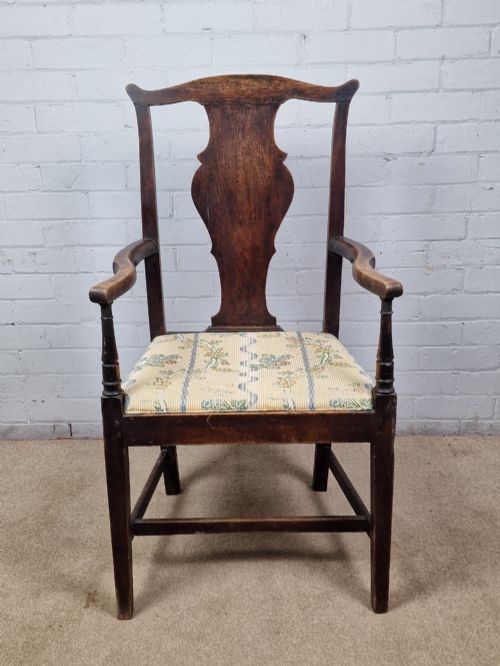
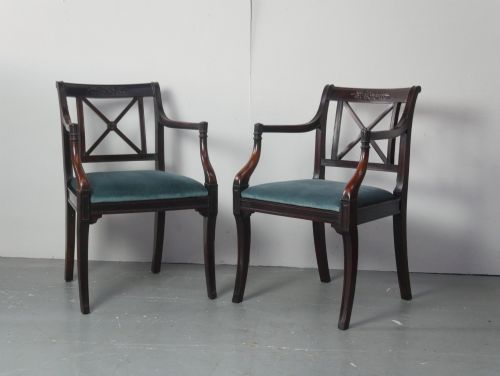
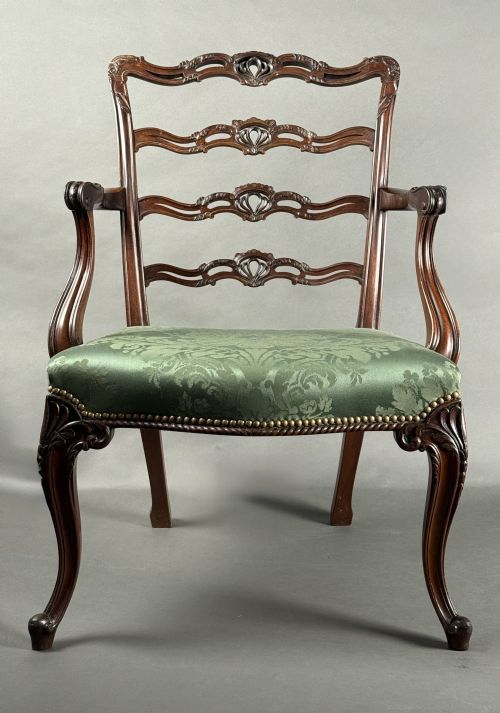
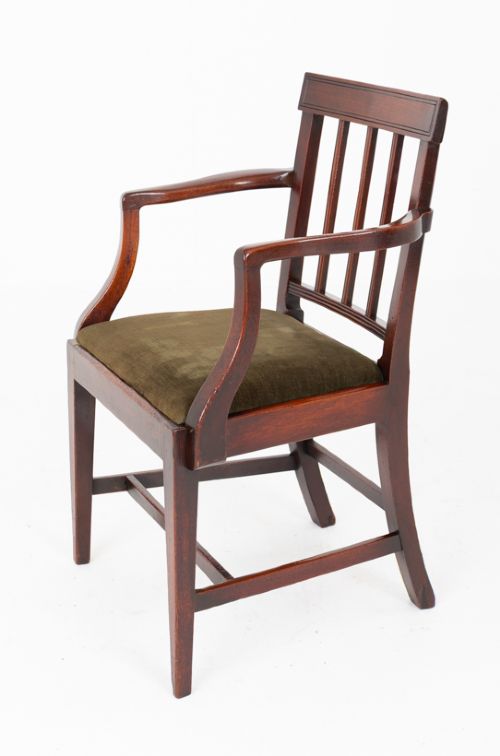
Georgian Open Back Chairs
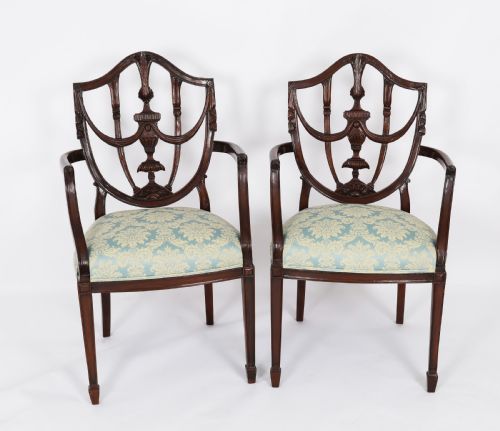
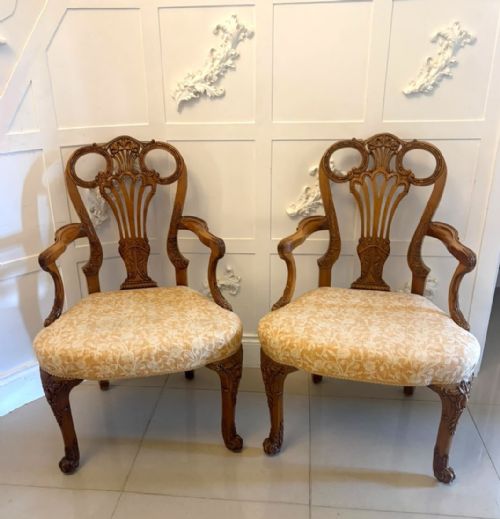
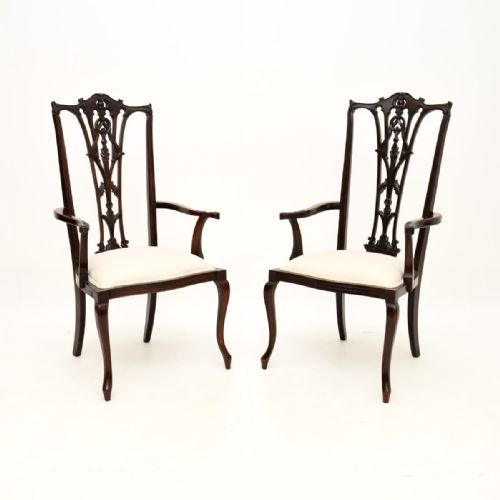
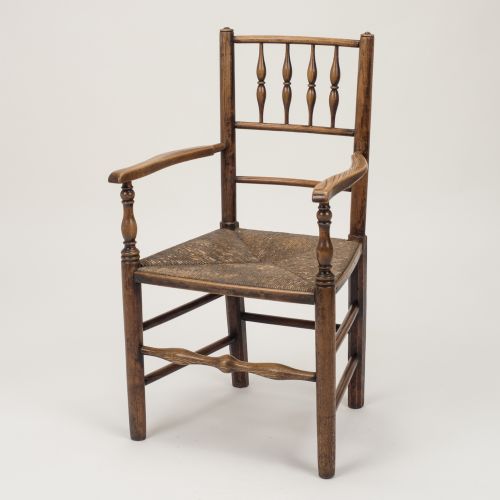
Georgian open back chairs bring refined timber frames and architectural splats into everyday sitting rooms.
Georgian Open Back Chairs
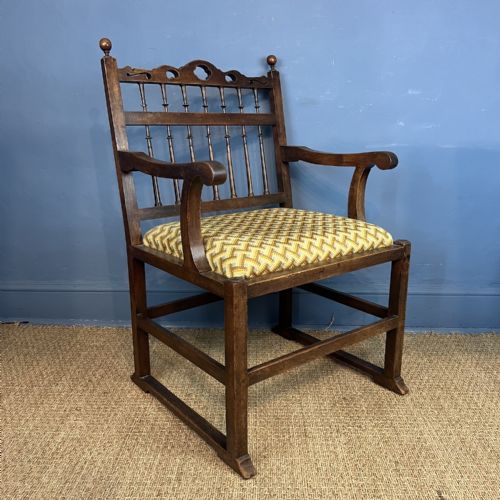
When you search for Georgian open back chairs, you encounter timber seating designed with exposed wooden frames and supportive arm rests. These pieces date from the eighteenth century through the Regency era, alongside later revival interpretations produced in the nineteenth and twentieth centuries.
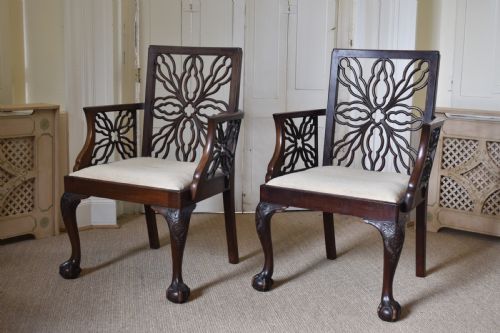
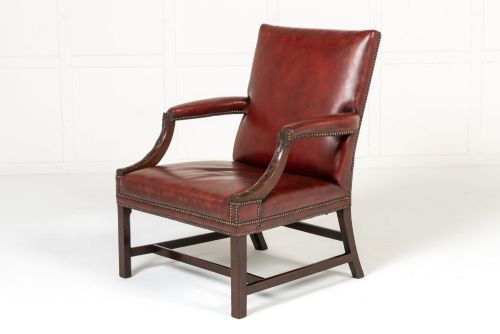
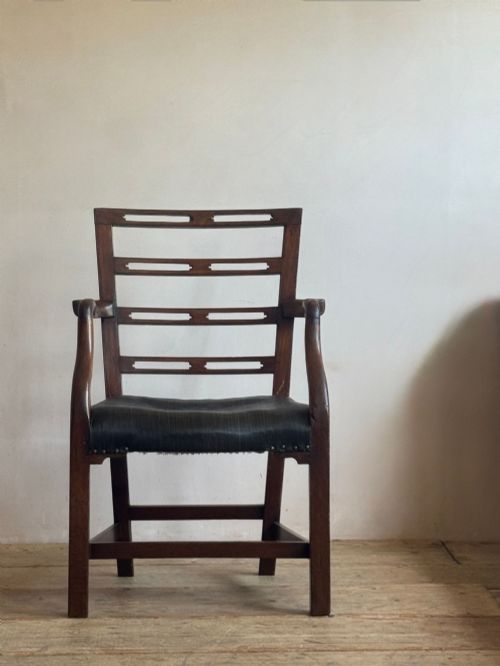
The form encompasses elbow chairs, library armchairs, and salon seating featuring carved splats and open frameworks. Mahogany, walnut, and elm provide the structural foundation across these seating designs.
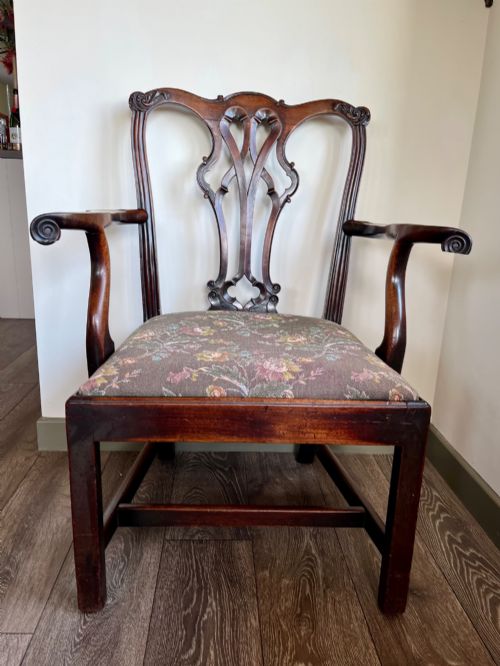
Original period examples share space with revival iterations reflecting Chippendale, Sheraton, and Hepplewhite influences. You will frequently find single chairs and matched pairs ready for domestic placement.
How they were made
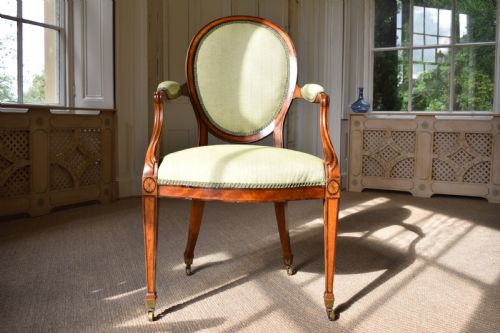
Cabinetmakers constructed these frames primarily from solid mahogany, walnut, and elm, often incorporating decorative satinwood veneers or parcel gilding. Joinery relied on traditional mortise and tenon construction to ensure structural rigidity in the arms and backrests.
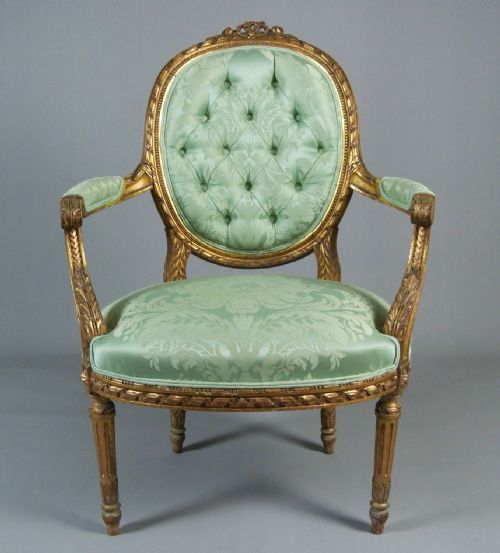
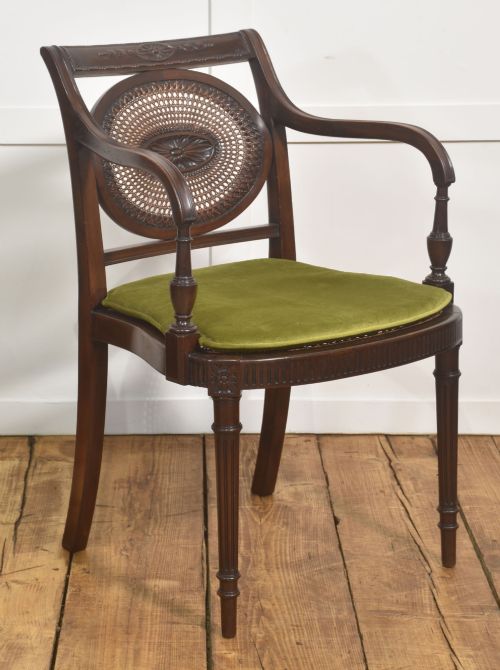
Seating portions utilised drop-in pads or fixed upholstery upholstered in fabric, leather, velvet, or textile. Cane work also appeared on specific library and open armchair models to provide lightweight support.
Carved details, painted finishes, and inlaid stringing were applied by hand to enhance the surface appearance of the timber. Frame shapes ranged from straight sabre legs to elaborate block feet and carved arm supports.
Drunkards chairs featured unusually shaped arms designed to accommodate eighteenth-century gentlemen after an evening of heavy claret consumption.
What varies in quality
The calibre of timber selection and the sharpness of hand-carved details define the upper tier of these chairs. Crisp execution in the pierced splats and arm terminals distinguishes exceptional workshop output from simpler provincial carpentry.
Proportion and structural integrity dictate the overall standard of surviving frames. Pieces that retain their original timber surfaces without excessive past restoration command greater regard among collectors.
Thomas Chippendale
The Georgian Open Back Chairs Glossary
- Open back chair
- A chair design featuring an open wooden framework above the seat, typically incorporating a central splat or rail. This construction reduces visual weight in a room while providing structural support.
- Gainsborough chair
- A wide, upholstered armchair with open padded arms, originating in the mid-eighteenth century. These seats offered comfort for reading and writing in libraries and studies.
- Splat
- The vertical wooden strip positioned in the centre of a chair back. It often receives carved or pierced ornamentation reflecting specific stylistic periods.
- Elbow chair
- An armchair featuring lower supports designed to accommodate the user's arms. These seats frequently served as desk or salon chairs.
- Parcel gilt
- A surface treatment where specific carved elements are partially covered in gold leaf while the underlying timber remains visible. This technique highlights architectural details on Regency and Georgian frames.
Georgian Open Back Chairs: Frequently Asked Questions
How do I identify a genuine period chair?
Examine the timber patination, construction joints, and tool marks visible on the underside of the frame. Eighteenth-century examples display hand-cut joinery and aged wood surfaces that differ from later revival pieces.
Compare the carving depth and proportion against documented examples from the same stylistic era to confirm authenticity.
Where should I place these chairs in a modern home?
These chairs function effectively as desk seats, library reading chairs, or accent pieces in a living room. Their open backs maintain sightlines through a space while providing functional seating.
Pair them with a simple wooden desk or place an armchair in a corner alongside a reading lamp.
What is the difference between Chippendale and Sheraton styles?
Chippendale designs from the mid-eighteenth century typically feature robust mahogany frames, elaborate carved ribbon or ladder backs, and cabriole or square legs. Sheraton designs from the later period emphasise lighter proportions, straight tapered legs, and satinwood inlays.
Sheraton furniture often incorporates painted finishes and neoclassical motifs inspired by ancient classical architecture.
How should I care for antique timber frames?
Maintain stable indoor humidity levels and keep wooden furniture away from direct sunlight and heat sources. This prevents the timber from drying out, cracking, or warping over time.
Apply a microcrystalline wax periodically to clean and protect the polished surface without building up heavy residues.