
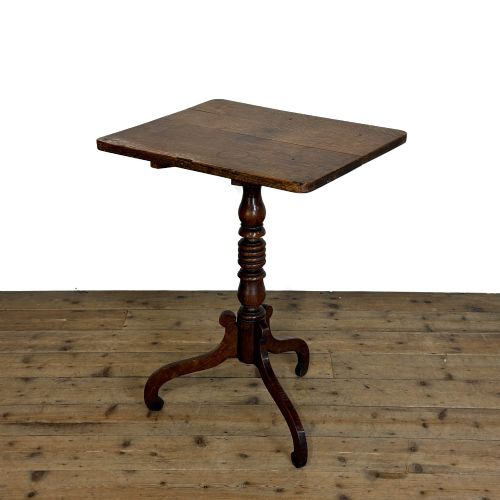
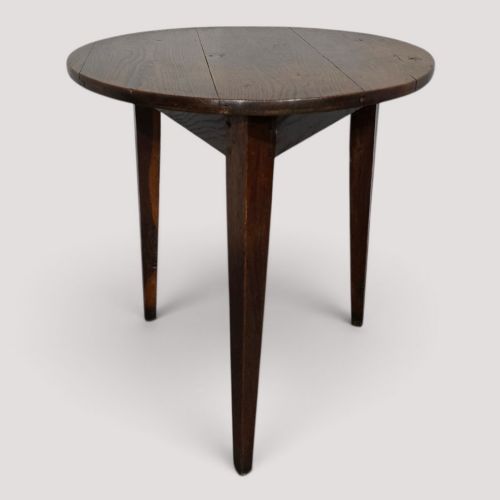
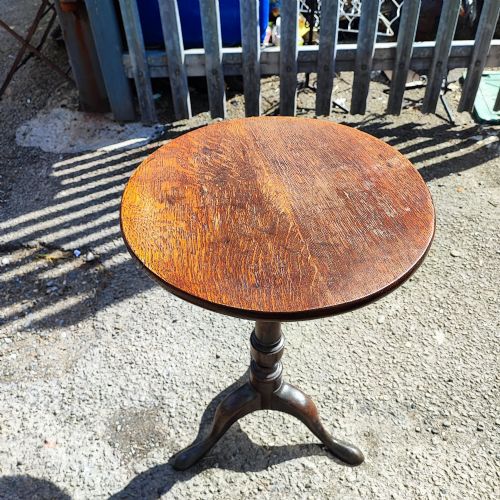
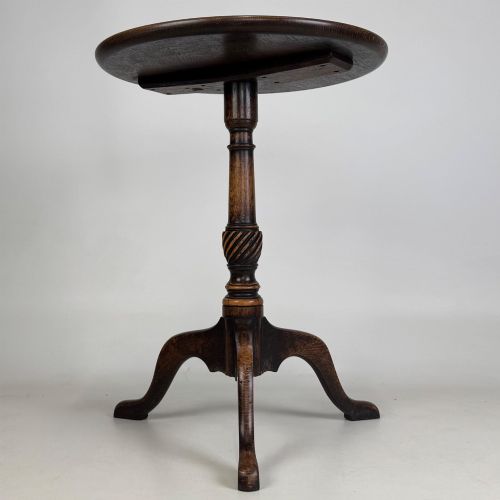
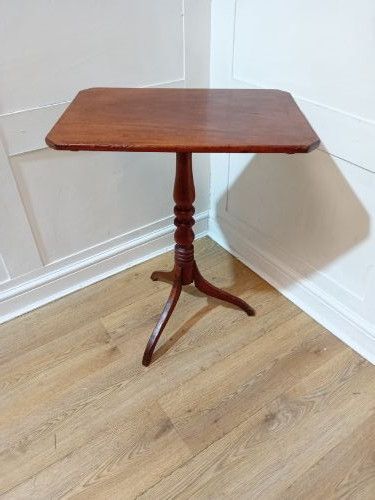
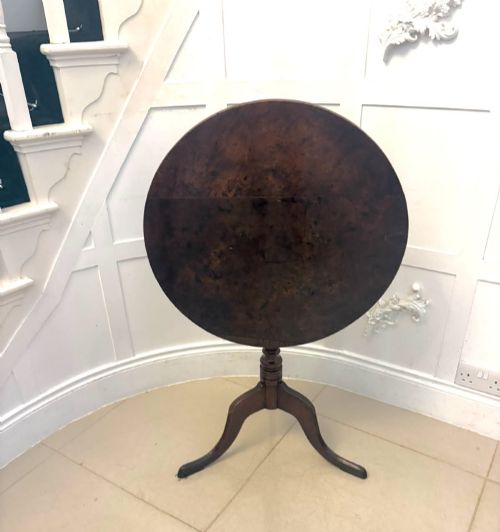
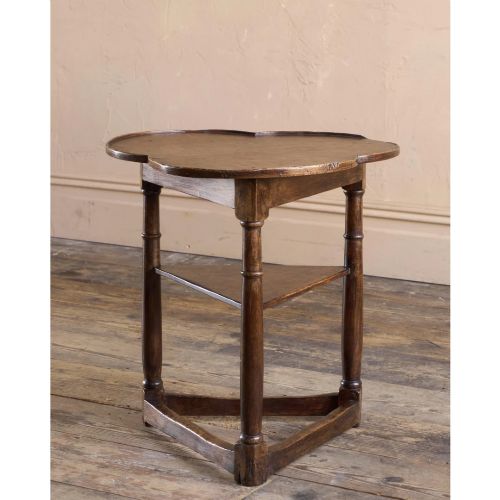

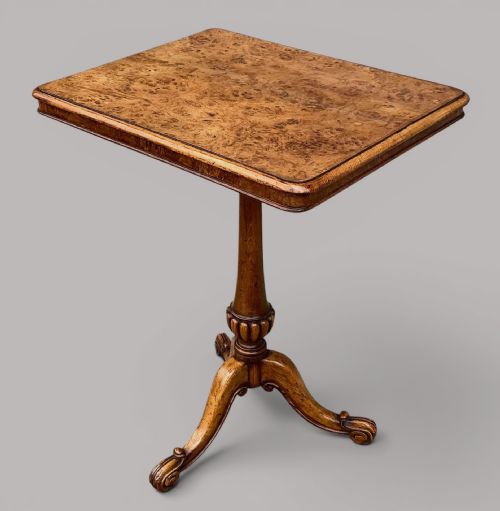
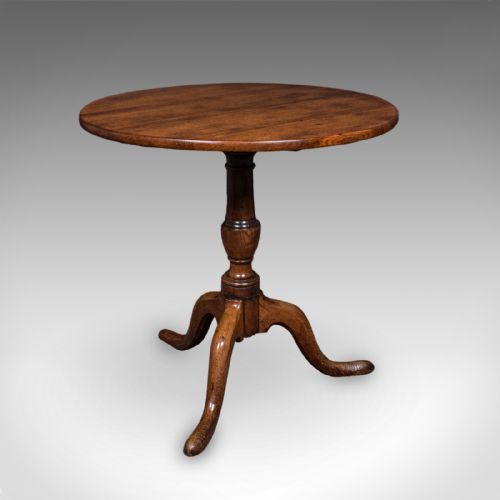
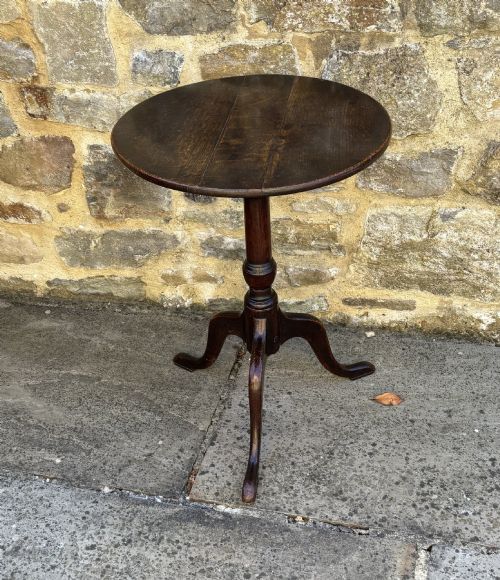
Georgian Oak Tripod Table
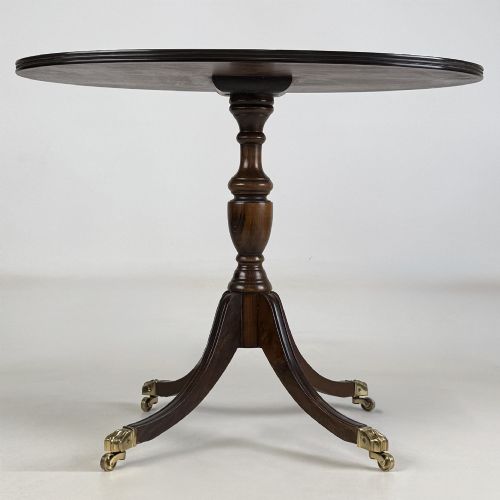
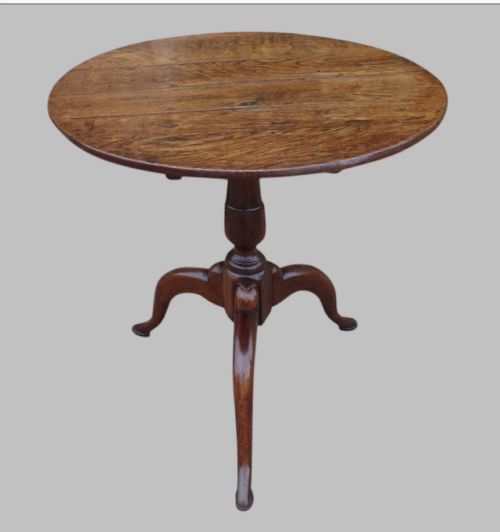
When you search for a georgian oak tripod table, you find sturdy, three-legged occasional pieces built for country houses and modest parlours.
Georgian Oak Tripod Table
A georgian oak tripod table serves as a compact surface designed for wine, candles, or occasional use in domestic spaces. These pieces emerge primarily from the eighteenth century, reflecting regional vernacular traditions and country craftsmanship.
Buyers most frequently encounter circular single-board tops, sometimes fitted with tilt mechanisms or birdcage movements to save space when not in use. Variations include small wine tables, supper tables, and occasional lamp stands supported by three splayed legs.
The aesthetic relies on the honest grain of domestic timber rather than elaborate veneering, aligning with Georgian country and vernacular styles. Proportions remain modest, making these tables practical for modern placement beside seating.
Materials and construction
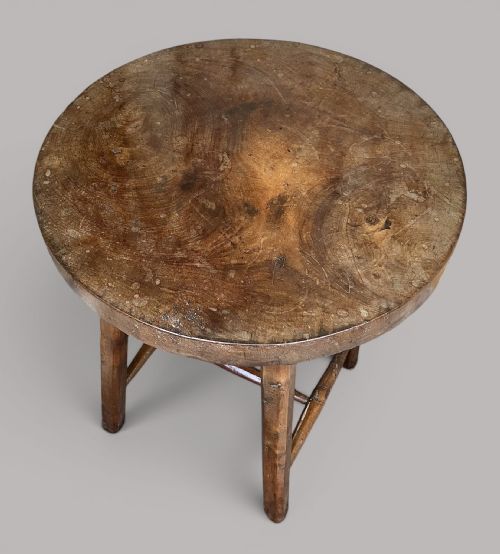
Makers utilised solid native timbers, predominantly oak combined with elm, fruitwood, or beech for structural components. Tops were frequently fashioned from single wide planks of quarter-sawn oak, displaying natural figuring and growth rings.
The pillar and tripod base relies on traditional joinery, connecting slender turned columns to three shaped legs via tenons or dovetails. Tilt-top variants incorporate hinged wooden blocks or clever birdcage mechanisms allowing the surface to pivot and lock vertically.
Georgian Oak Tripod Table Retail Price Guide 2026
Typical asking prices for georgian oak tripod table among the pieces listed under this phrase on Sellingantiques today, from the lower quarter to the upper quarter. They describe what is for sale here now, not the wider market.
One persistent eighteenth-century homeowner clearly valued convenience, installing a revolving birdcage mechanism so their evening wine stayed within reach from any angle.
Assessing quality and proportion
Quality reveals itself in the harmony of proportions between the top diameter, the height of the turned column, and the span of the legs. Slender, well-turned pedestals balanced against substantial timber tops command greater respect among collectors than heavy, blockish forms.
Surface preservation dictates overall character, with patinated timber showing deep warm tones accumulated over centuries of use. Superior examples retain original movement mechanisms and uncompromised leg attachments without excessive modern reinforcement.
The Georgian Oak Tripod Table Glossary
- Tilt top
- A tabletop mounted on a pivot mechanism allowing the surface to fold vertically against the pedestal when stored. This clever design saved valuable floor space in smaller eighteenth-century rooms.
- Birdcage
- A rotating wooden box frame fitted beneath the tabletop that allows the surface to both pivot and spin horizontally. It represents a more complex piece of engineering found on select pedestal tables.
- Cricket table
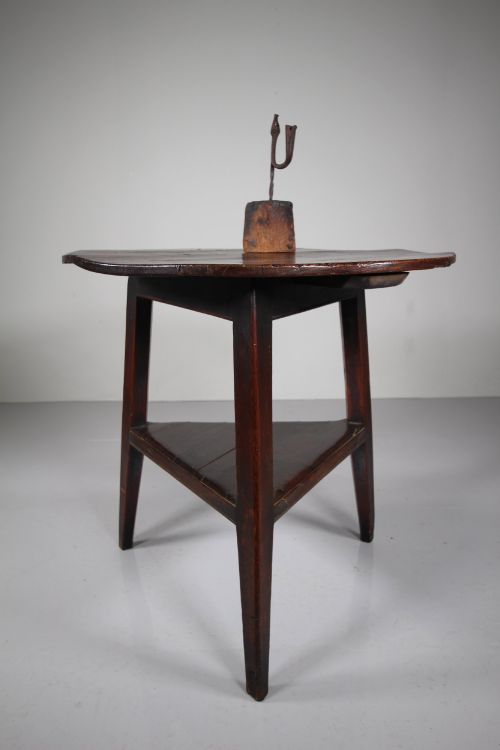
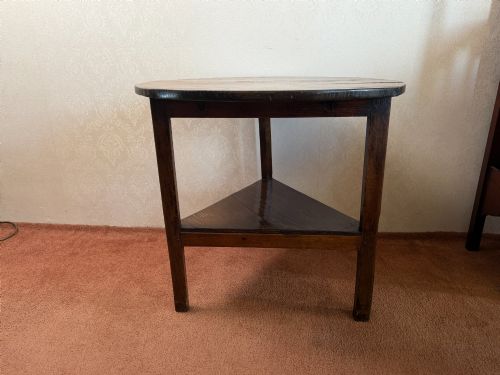
- A small three-legged round table featuring a plank top and triangular underframe. Originally designed for uneven cottage floors, it shares the stable tripod geometry common in this category.
- Vernacular
- Objects made by local country craftsmen following regional traditions rather than high-style metropolitan fashions. These pieces prioritise practical utility and local materials over academic ornamentation.
- Quarter-sawn
- Timber cut radially from the log across the growth rings to produce stability and prominent medullary ray figuring. This method highlights the decorative qualities of oak.
Georgian Oak Tripod Table: Frequently Asked Questions
What were tripod tables used for originally?
These tables served as versatile movable surfaces for holding candles, tea services, or wine decanters beside seating. Their light frames allowed servants to shift them easily around the room depending on the evening's activities.
In modest homes, a tilt-top version could be folded flat and pushed against a wall when the floor space was needed for other daily tasks.
How do I spot a tilt-top mechanism?
Look underneath the tabletop for a wooden catch or block hinge connected to the top of the central pillar. When released, the surface tips upward on its horizontal axis.
Some examples feature a rotating cage beneath the top that allows the tilted board to spin fully around for convenient storage.
Are all these tables from the eighteenth century?
While the form originates firmly in the Georgian period of the seventeen-hundreds, similar styles continued into the nineteenth century and later revival periods. Regional makers in the countryside maintained traditional methods long after urban fashions shifted.
Examining the timber shrinkage, nail types, and wear patterns helps distinguish an eighteenth-century original from later nineteenth-century interpretations.
How do I style an oak tripod table today?
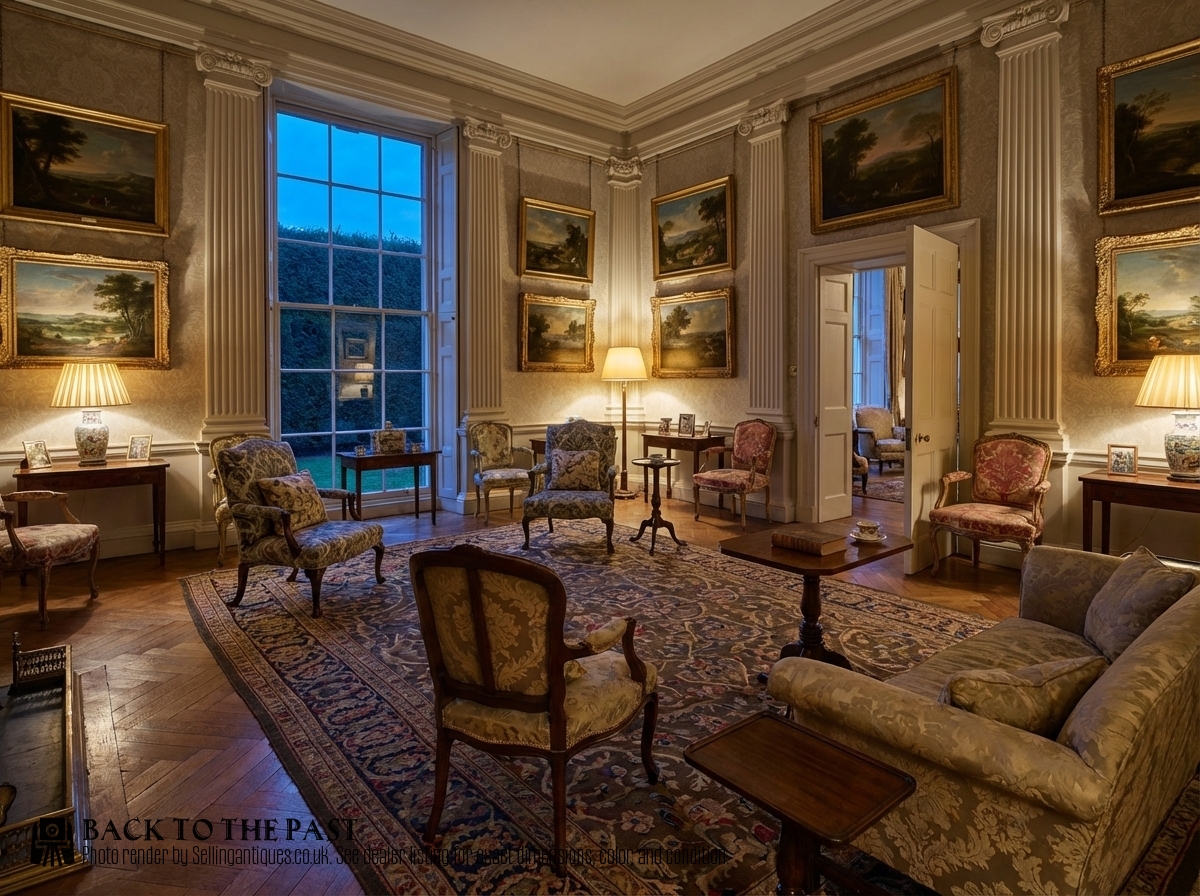
Their modest footprint makes them ideal as bedside stands, lamp tables, or independent accent pieces beside low armchairs. The neutral tones of aged oak blend naturally with both antique and contemporary interiors.
Avoid placing them in areas of high humidity or direct sunlight to protect the historic timber surface and dry joints.