

Georgian Oak Server Table
These Georgian oak server table pieces combine sturdy timber with practical proportions, offering enduring utility for the modern interior.
What a Georgian oak server table is
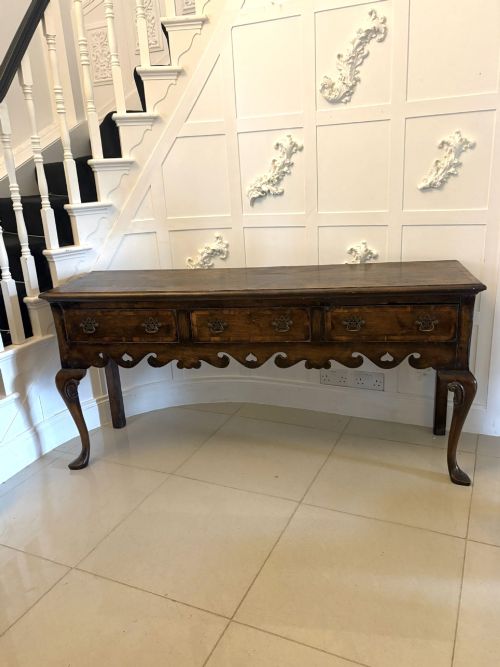
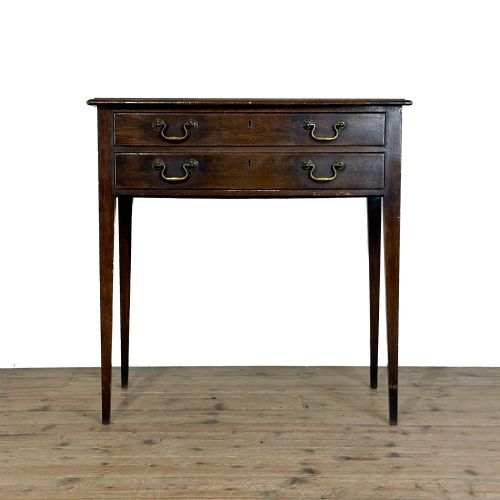
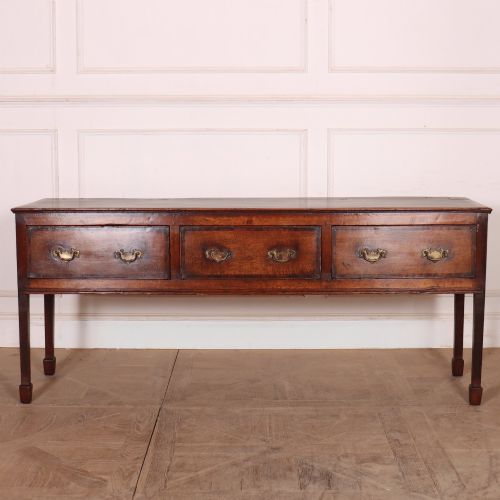
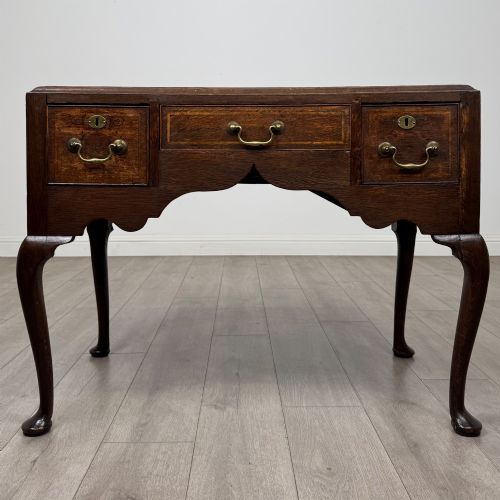
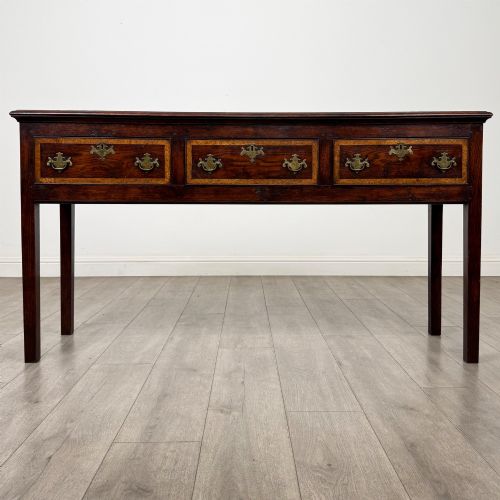
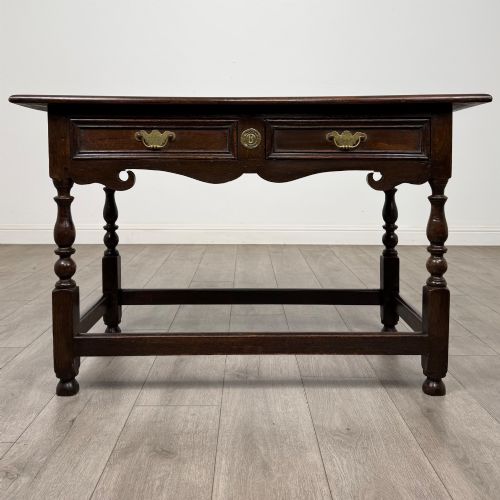
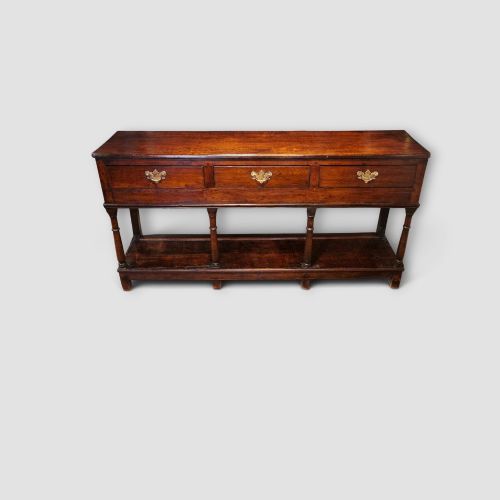
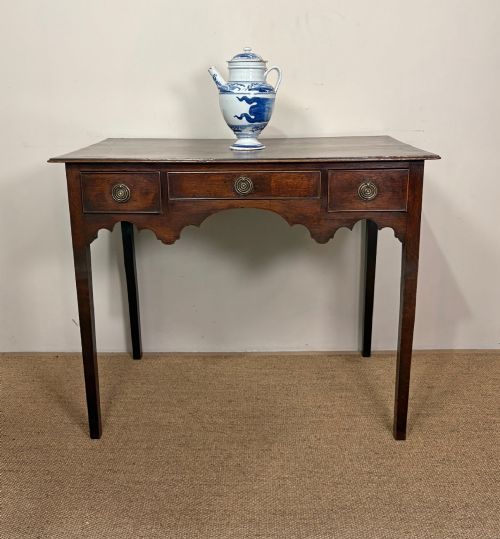
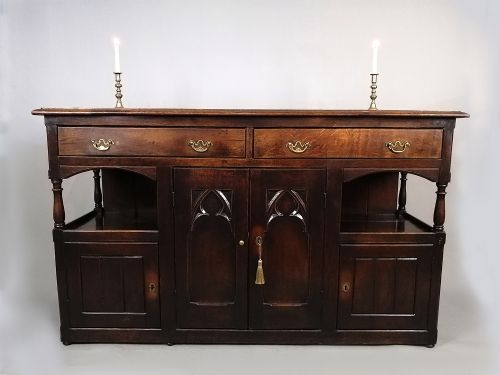
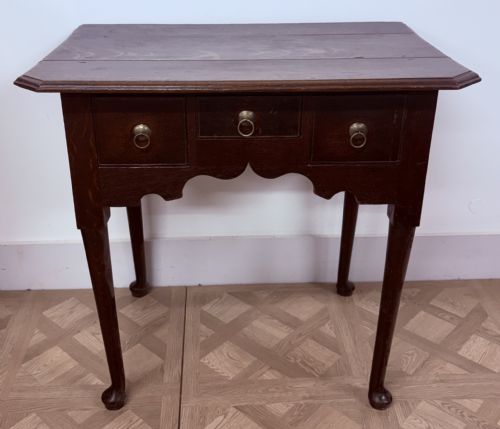
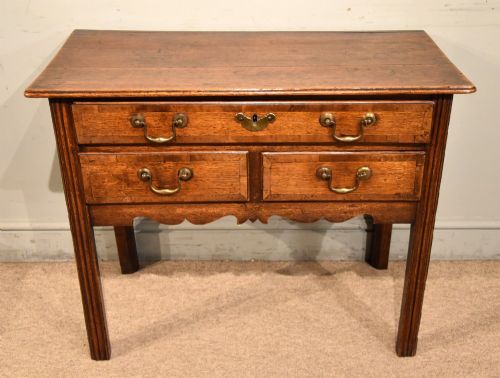
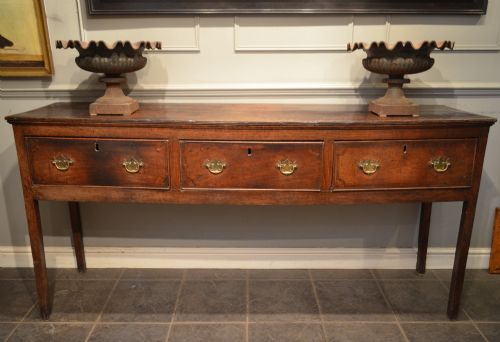
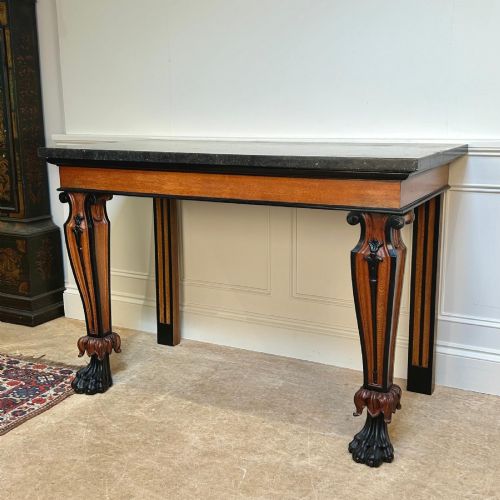
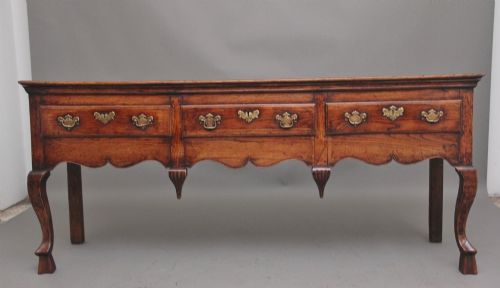
A georgian oak server table encompasses forms such as dresser bases, side tables, lowboys, and dressers and sideboards originating from the eighteenth century. These substantial items serve domestic spaces with generous surface areas and integrated storage below.
The versions most frequently met on this page date from the Georgian era, specifically around seventeen hundred to seventeen fifty. They hail from English country workshops, bringing rustic charm and robust construction to any room.
Makers shaped these utilitarian forms from local hardwoods, producing serviceable surfaces designed for daily household tasks. Each piece reflects the functional requirements of domestic life in the eighteen hundreds and earlier.
How they were made
Craftsmen built these items primarily using solid oak, occasionally combining it with elm for secondary timbers. These dependable hardwoods provided the structural integrity required for heavy domestic use.
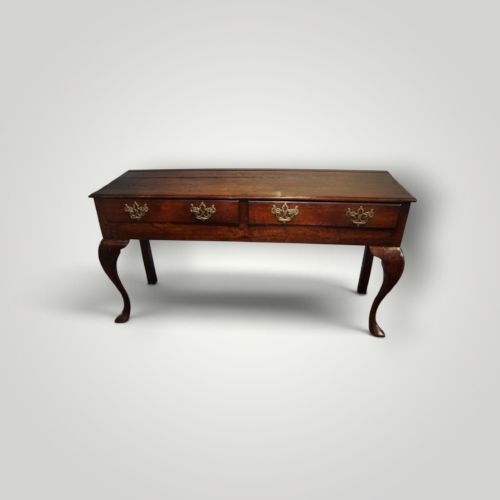
Hardware details incorporate brass fittings, adding functional contrast to the dark wood surfaces. Joinery methods relied on traditional hand tools to shape cabriole legs and sturdy frames.
Retail Price Guide 2026
Typical UK retail prices for georgian oak server table, calculated from the Sellingantiques database of over a million retail prices indexed since 2003. This retail price guide relies exclusively on Sellingantiques data; no external sources or auction records are used, so the figures do not describe the wider market.
What varies in quality
The distinction between standard examples and superior pieces rests upon the elegance of the timber grain and the refinement of the leg form. Cabriole legs display varying degrees of grace and fluidity in their carved curves.
Subtle differences in hardware selection and the retention of original brass handles elevate particular items. Overall timber patination and surface depth differentiate the exceptional survivors from simpler utilitarian work.
The Georgian Oak Server Table Glossary
- Dresser base
- A low wooden storage unit featuring drawers or cupboards beneath a flat top, designed for domestic service. This form provides substantial floor-standing utility.
- Lowboy
- A small side table with drawers, typically raised on tall legs, used historically for personal grooming or serving. It offers compact storage while maintaining an open silhouette.
- Cabriole leg
- A furniture leg that curves out and then in, resembling the shape of an animal's leg in motion. This decorative support appears frequently on eighteenth-century seating and tables.
- Elm
- A tough, durable domestic timber frequently utilised for secondary elements in regional furniture making. Its interlocking grain resists splitting under heavy stress.
Frequently Asked Questions
Where did they place a server table?
These pieces stood principally in dining spaces or kitchens to assist with food preparation and serving duties.
Servants utilised the broad timber surfaces to arrange dishes before bringing them to the main dining table.
How do I care for antique oak?
Maintain the timber by applying natural beeswax occasionally to nourish the dry surface and preserve its historic sheen.
Keep these items away from direct heat sources and strong sunlight to prevent timber movement or fading.
What defines a lowboy?
A lowboy functions as a compact table featuring integrated drawers beneath the main surface.
These smaller items suit entryways or bedrooms where space remains limited yet storage is required.
Are these pieces strictly English?
The structural styles and regional timber choices align closely with English country workshop traditions.
Local cabinet makers utilised accessible materials like oak and elm to produce durable domestic furnishings.