



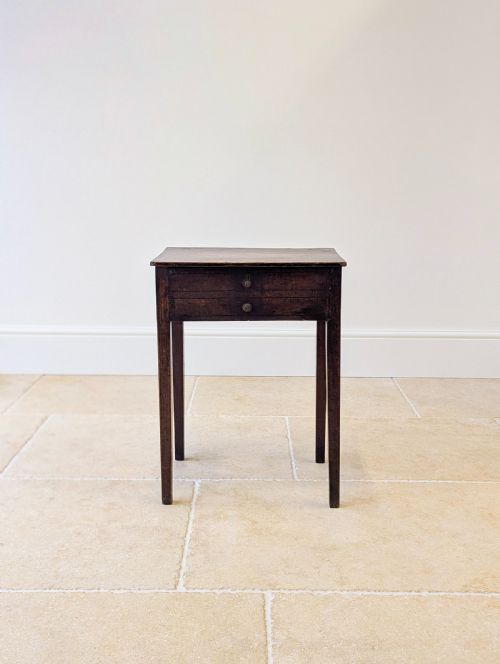


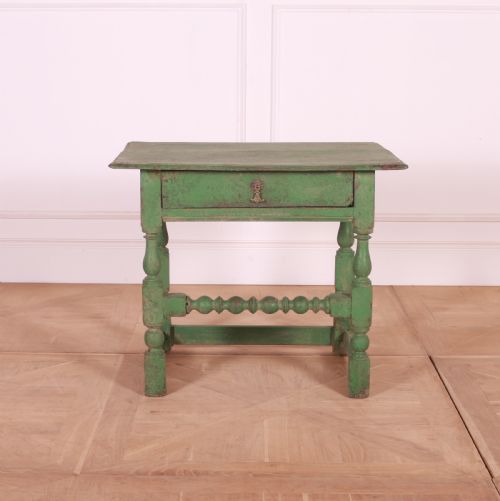


Georgian Oak Nightstand
A georgian oak nightstand brings sturdy eighteenth-century craftsmanship and warm timber tones directly to the bedside.
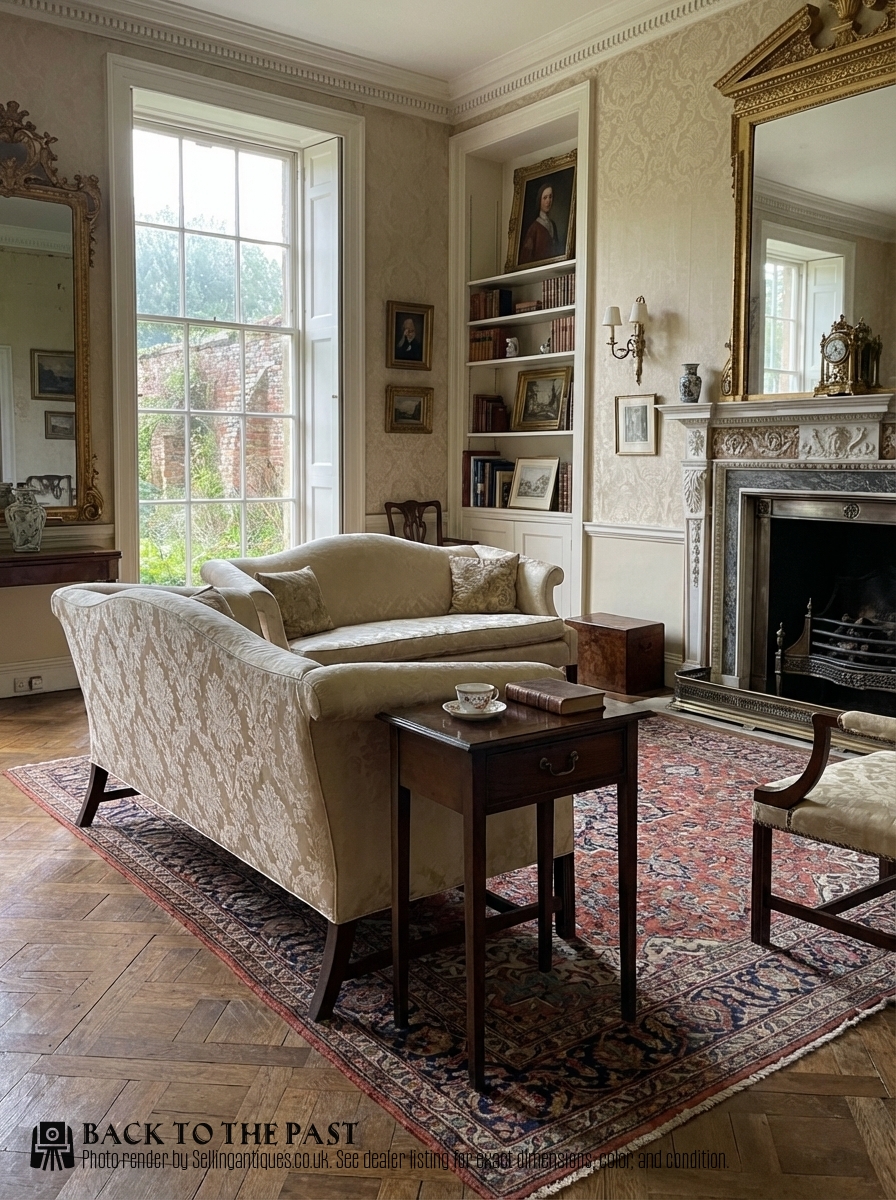
Georgian Oak Nightstand
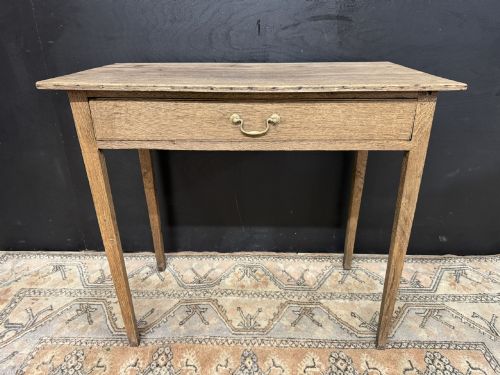
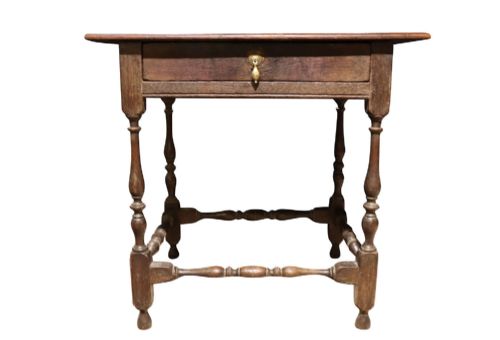
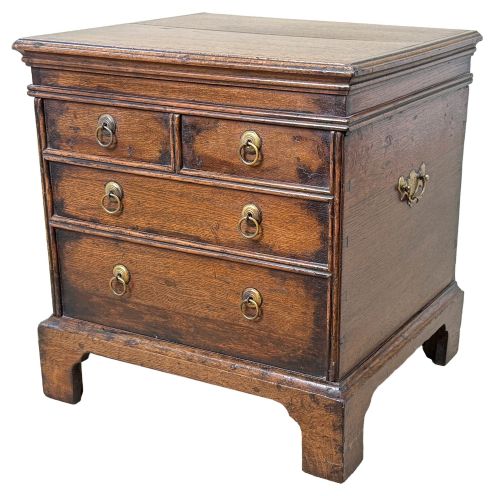
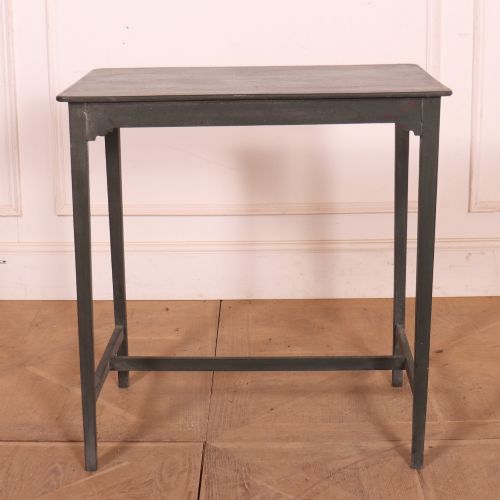
When you search for a georgian oak nightstand, you are looking at practical bedside furniture from the eighteenth and nineteenth centuries. These pieces encompass utilitarian forms including close stools, small side tables, lamp tables, and compact chests of drawers.
The versions you are most likely to meet on this page span the georgian period and the early nineteenth century. They often present in solid oak, occasionally with painted finishes, brass fittings, or pine secondary woods.
Makers of the era designed these compact furnishings for functional daily use in domestic bedrooms. Their modest proportions make them remarkably adaptable for modern living spaces as bedside storage or small accent tables.
How they were made
Cabinetmakers constructed these pieces primarily from solid oak, sometimes utilising pine for secondary structural elements or drawers. Surfaces were polished to reveal the natural grain or occasionally finished with paint.
Metal components such as brass handles and hinges provided functional utility and subtle contrast against the timber. Construction relied on traditional joinery techniques suited to sturdy daily service.
Georgian Oak Nightstand Retail Price Guide 2026
Typical asking prices for georgian oak nightstand among the pieces listed under this phrase on Sellingantiques today, from the lower quarter to the upper quarter. They describe what is for sale here now, not the wider market.
Some nineteenth-century makers painted ordinary pine chests to mimic more expensive exotic woods, proving that budget-friendly trickery is remarkably time-honoured.
What varies in quality
The degree of refinement in the timber selection and surface finish distinguishes simpler utility pieces from more ambitious cabinet work. Polished oak surfaces and well-proportioned forms represent the higher tier of surviving examples.
Originality of brass hardware and the integrity of the structural joinery significantly influence the character of each piece. Simpler painted or bleached surfaces offer a distinct aesthetic variation rather than an inherent defect.
The Georgian Oak Nightstand Glossary
- Close stool
- A piece of furniture designed to enclose a chamber pot, often disguised as a small chest or cabinet. These frequently double as bedside storage in modern interiors.
- Lamp table
- A small occasional table intended for holding lighting, serving here in a bedside capacity. These typically feature simple square or rectangular tops supported by four legs.
- Side table
- A versatile small table used against a wall or beside a bed for surface space. Eighteenth-century examples often display simple timber construction and straightforward legs.
- Pine
- A softwood commonly utilised for secondary elements such as drawer linings and internal framing within oak furniture. It provides structural support hidden from view.
- Bleached oak
- Timber that has undergone a process to lighten its natural colour, resulting in a paler finish. This treatment appears on certain eighteenth-century side tables.
Georgian Oak Nightstand: Frequently Asked Questions
What counts as a georgian oak nightstand?
A georgian oak nightstand generally encompasses eighteenth-century and early nineteenth-century bedside furniture made from oak. This includes close stools, lamp tables, and small chests of drawers.
These pieces were built for functional bedroom use rather than formal display. Their compact dimensions suit modern bedside placement perfectly.
How were close stools used originally?
Close stools were designed to house a chamber pot securely behind closed doors or a hinged lid. They provided discreet sanitation in eighteenth-century bedrooms before modern plumbing.
Today, collectors utilise these enclosed wooden cabinets as bedside storage cupboards or lamp tables. Their clever disguises make them fascinating conversation pieces.
Can I use an 18th century lamp table next to a bed?
An eighteenth-century lamp table makes an ideal bedside surface due to its modest footprint. These compact tables provide just enough space for a reading lamp and a book.
Their simple oak construction pairs well with both traditional and contemporary bedroom decor. The neutral timber tones blend easily into various colour schemes.
How do I tell an 18th century table from a 19th century one?
Eighteenth-century pieces typically exhibit heavier timber framing and distinct hand-tool marks from period joinery. Nineteenth-century examples often show subtle shifts in proportion and fastener types.
Comparing the secondary woods like pine and the style of the brass fittings helps establish the likely period of manufacture. Oak grain patterns also reveal the maturity of the timber used.