


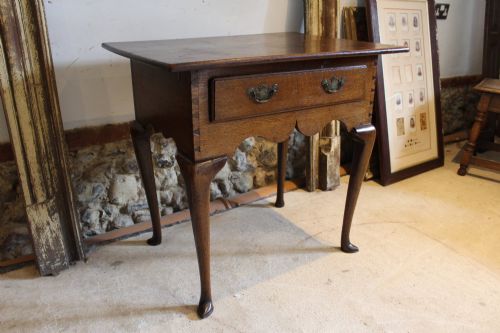
Georgian Oak Drawers
Georgian oak drawers offer solid domestic storage with honest timber grain, built to last through generations of daily use.

Identifying Georgian Oak Drawers
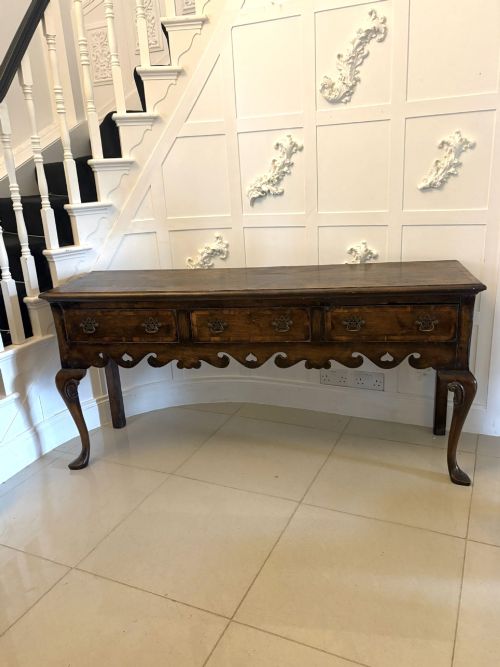
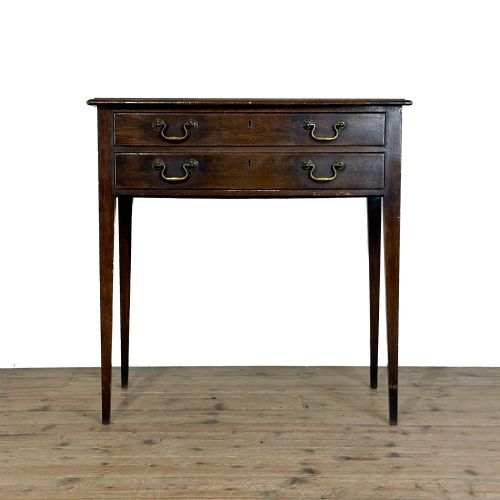
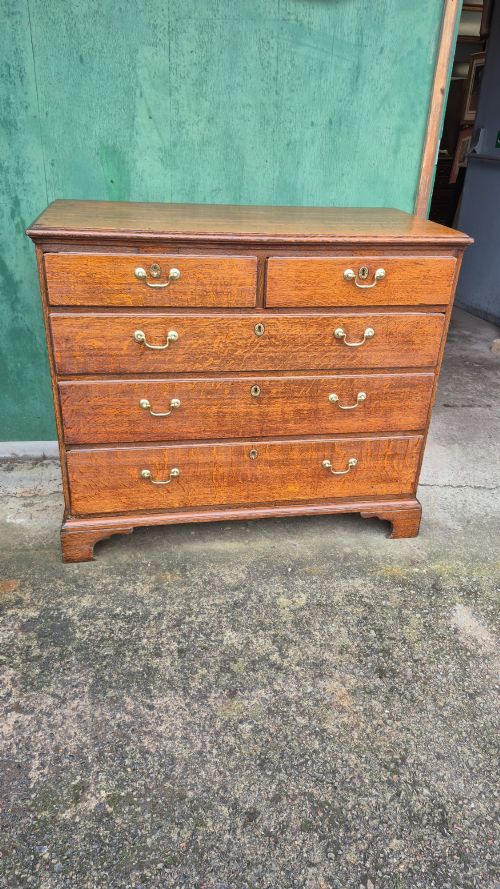
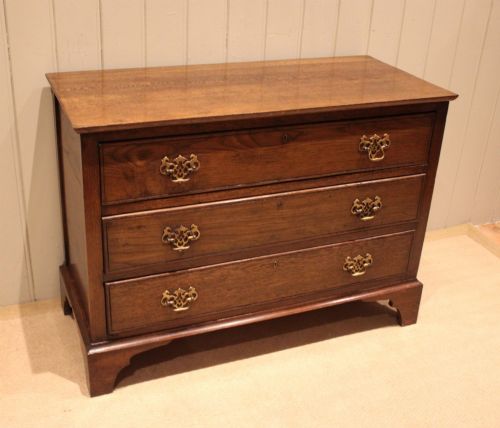
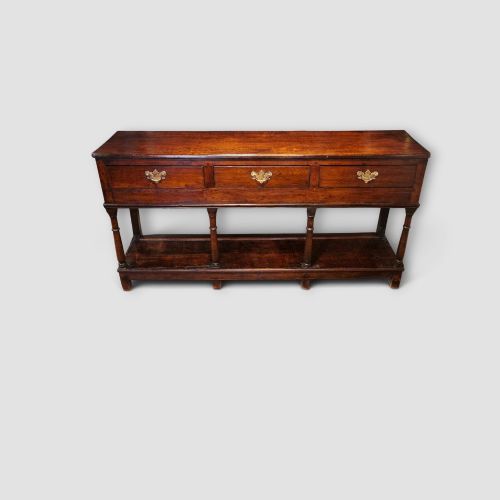
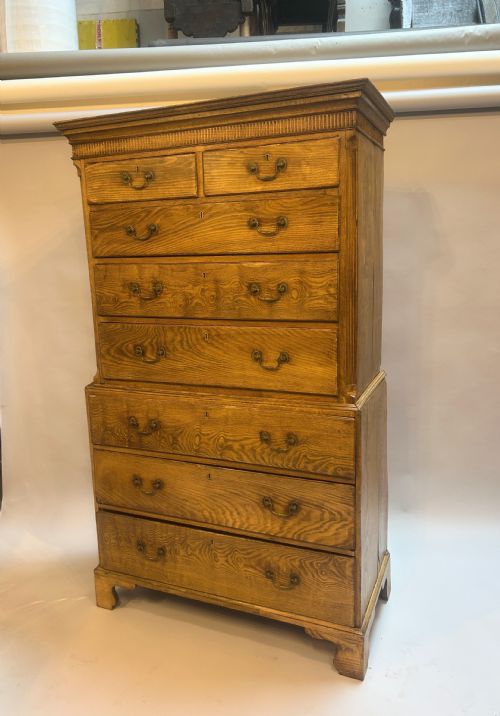
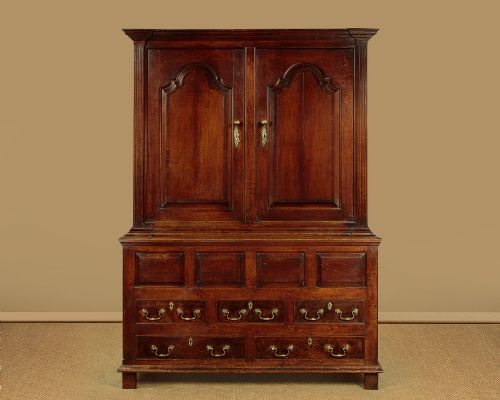
Georgian oak drawers encompass several utilitarian forms made for domestic storage, most commonly appearing as straightforward chests of drawers or elevated chests on stands. The pieces span the eighteenth century and the Georgian period, occasionally reaching into later revival styles from around nineteen hundred.
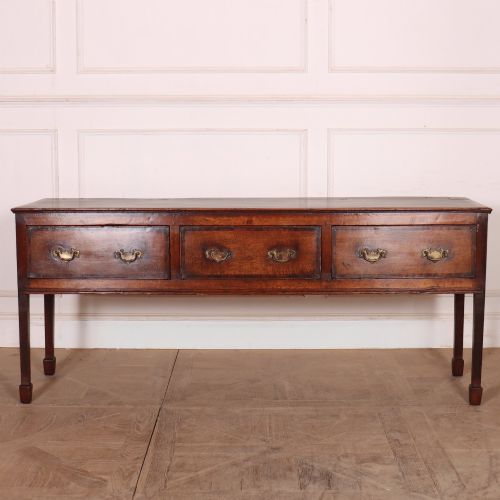
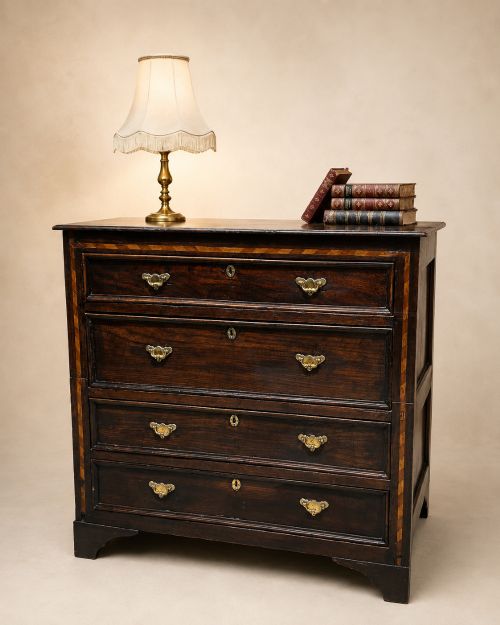
Buyers encounter regional variations including Welsh examples featuring inlaid details or fruitwood combinations alongside country pieces with simpler lines. Storage formats range from low proportions and dresser bases to taller four-height configurations and elaborate chest on chest structures.
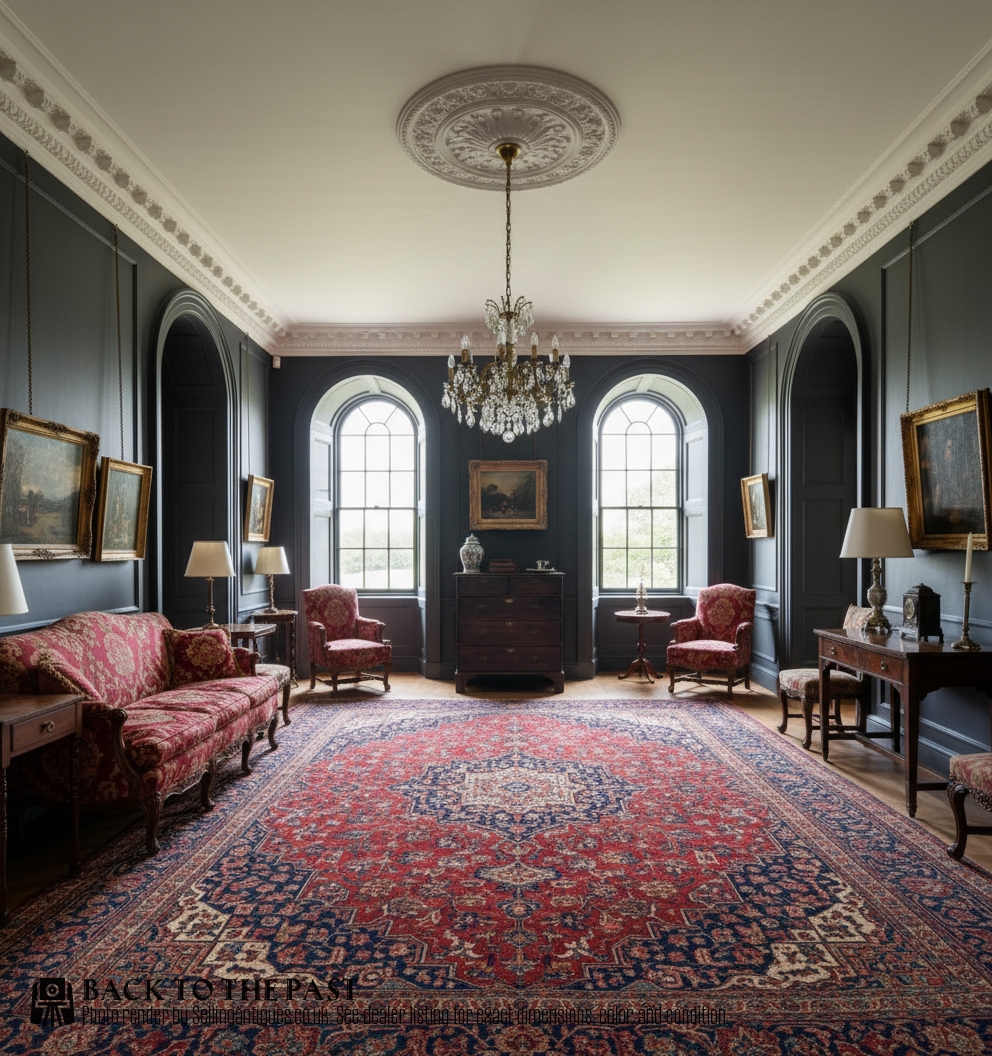
Materials and Construction
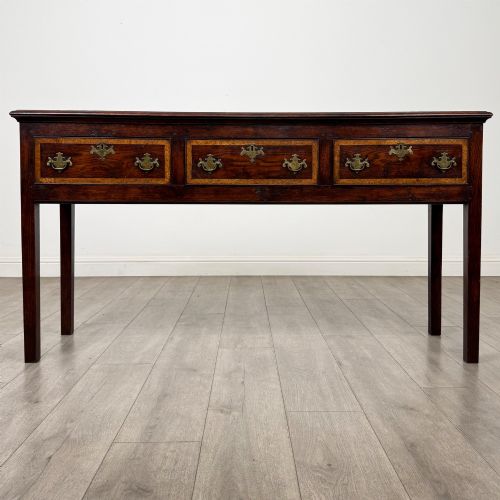
Makers utilised solid oak alongside secondary timbers such as fruitwood and mahogany for decorative cross-banding. Interior linings frequently employed oak or mahogany, while exterior surfaces were finished to display the natural warmth of golden and pollard oak.
Hardware details incorporated brass handles, including swan neck designs, paired with structural feet such as ogee forms. Cross-banding and inlay techniques provided contrast against the primary timber grain.
Retail Price Guide 2026
Typical UK retail prices for georgian oak drawers, calculated from the Sellingantiques database of over a million retail prices indexed since 2003. This retail price guide relies exclusively on Sellingantiques data; no external sources or auction records are used, so the figures do not describe the wider market.
Current listings feature oak alongside brass hardware, mahogany cross-banding, and secondary fruitwood timbers across eighteenth-century and Georgian periods.
Distinguishing Quality
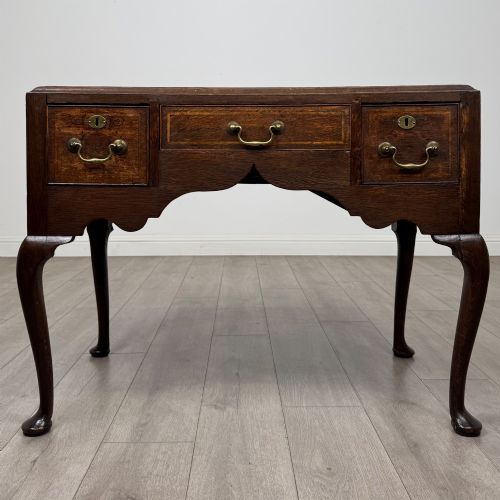
The refinement of decorative detailing separates standard regional furniture from more ambitious urban pieces. The addition of mahogany cross-banding, precise inlay work, and well-chosen fruitwood accents elevates the visual depth of the timber.
Proportion and scale dictate desirability, with smaller sizes commanding specific attention. Original hardware, such as brass swan neck handles and solid timber drawer linings, preserves the integrity of the original construction.
The Georgian Oak Drawers Glossary
- Cross-banding
- A border technique where narrow strips of veneer are laid perpendicular to the grain of the primary surface. This decorative framing appears frequently around drawer fronts on eighteenth-century pieces.
- Chest on stand
- A two-part storage form where a smaller chest sits upon an elevated table base with legs. It provides elevated drawer storage compared to standard floor-standing chests.
- Pollard oak
- Timber taken from trees that were pollarded, producing tightly clustered grain patterns and knots. It yields a highly figured surface texture on select antique drawers.
- Lowboy
- A small table featuring one or more rows of drawers, standing on relatively tall legs. These versatile pieces served various domestic functions in Georgian rooms.
- Swan neck handle
- A metal pull shaped like a flattened double curve, secured by two vertical posts. It remains a characteristic brass fitting on period drawer furniture.
Frequently Asked Questions
What periods do these pieces come from?
The available items originate primarily across the eighteenth century during the broader Georgian era, with occasional later interpretations appearing from around nineteen hundred.
Most examples reflect eighteenth-century country and regional craftsmanship, though construction dates span the early decades through to the late Georgian period.
What is cross-banding on drawers?
Cross-banding is a decorative technique using contrasting timber veneers applied to the edges of drawer fronts. The grain runs across the border rather than following the main panel.
Mahogany was frequently used to cross-band oak surfaces, adding refined detail to eighteenth-century chests.
Where were these pieces made?
These items represent domestic British cabinet making, with specific regional origins including Wales alongside general country workshops.
Makers utilised locally available hardwoods such as oak and fruitwood, resulting in distinct regional characteristics across different counties.
How do I care for antique oak furniture?
Protect the timber by maintaining stable indoor humidity levels and keeping pieces away from direct heat sources. Regular dusting with a dry cloth preserves the finish.
Applying traditional wax occasionally helps nourish the oak surface without building up excessive residue over time.