



Georgian Miniature Chest
A georgian miniature chest is a small-scale piece of furniture, crafted for travel, display, or training, that brings period cabinet-making into concentrated focus.
Georgian Miniature Chest
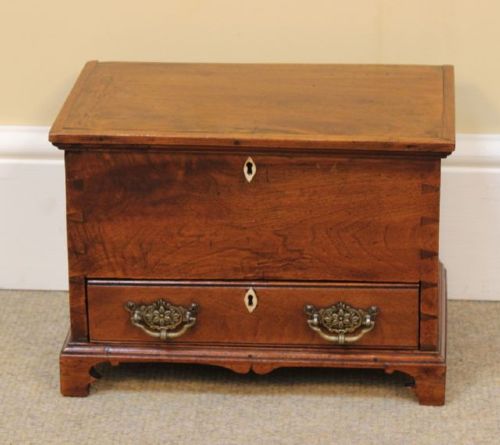
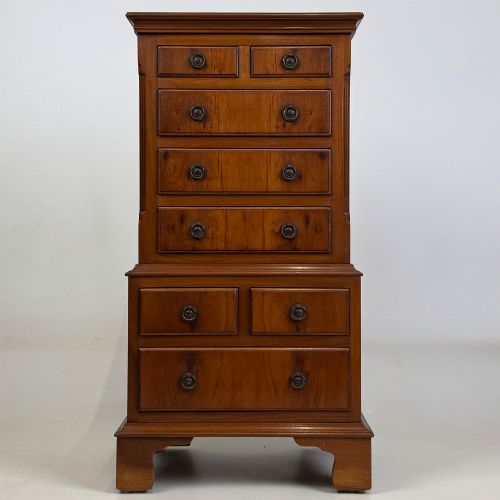
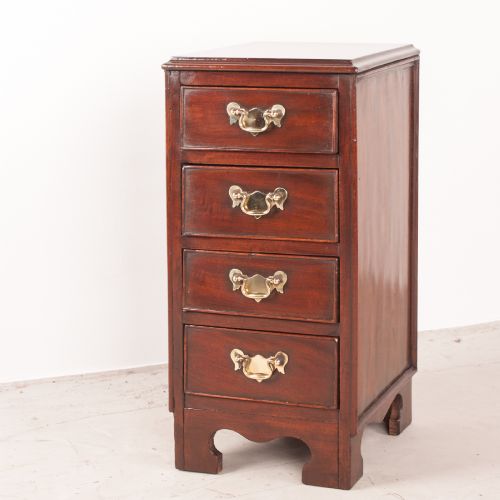
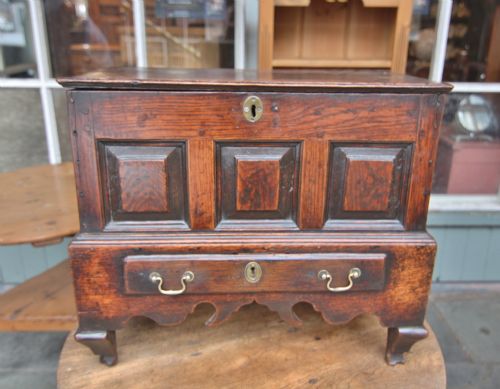
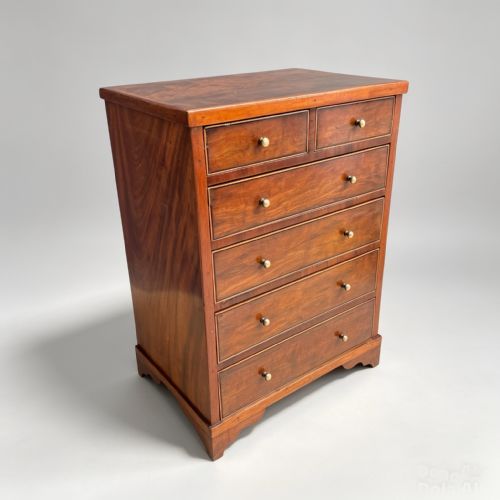
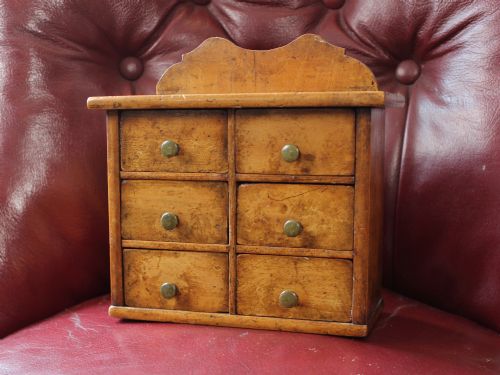
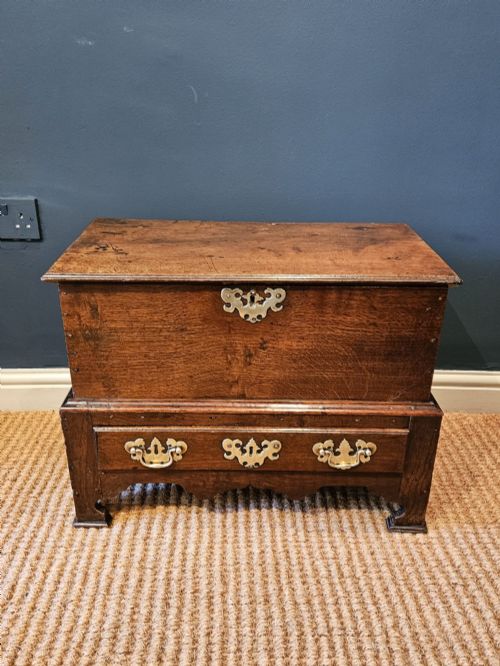
A georgian miniature chest typically takes the form of a scaled-down chest of drawers, coffer bach, or spice cabinet originating from the eighteenth and nineteenth centuries. These pieces reflect the cabinet-maker's skill, constructed as salesman samples, apprentice pieces, or personal commissions for domestic use.
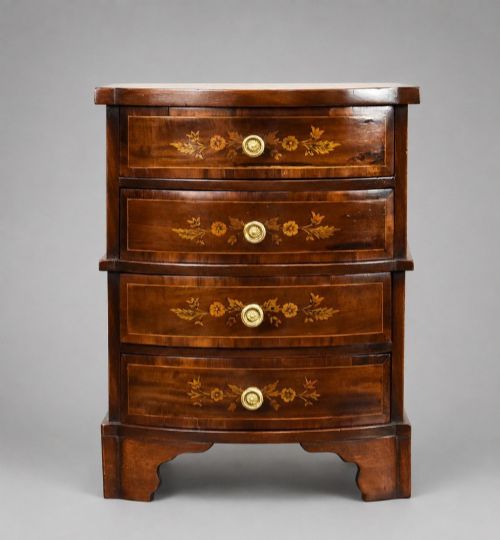
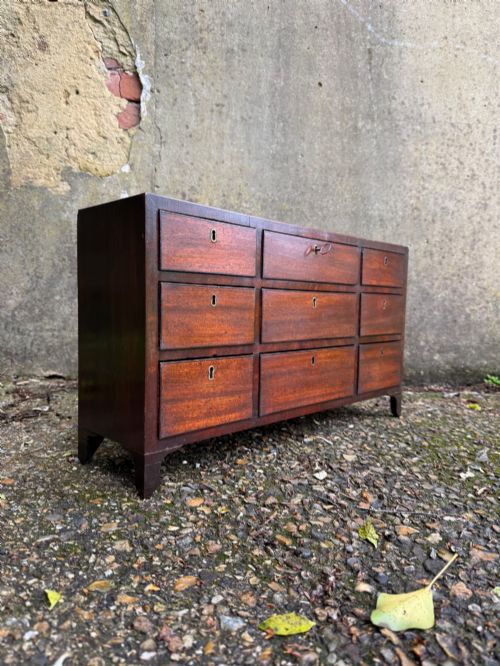
Mahogany and oak dominate the examples seen here, often shaped as bow-front chests, straight chests of drawers, or Welsh coffer bach items. Regional variations include elm, walnut, and fruitwood, demonstrating the local timbers accessible to provincial makers.
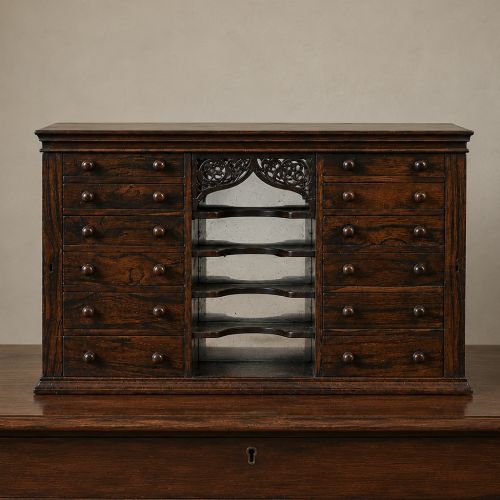
Collectors encounter small cabinets, kneehole desks, and Wellington chests alongside standard miniature drawer configurations. These formats served practical storage needs for jewellery, tea, spices, or trinkets on a diminutive scale.
How they were made
Makers utilised solid timbers such as oak, mahogany, and walnut, frequently pairing them with secondary woods like pine or deal for drawer linings and carcase backs. Fine dovetail joints secure the miniature drawer corners, reflecting the same rigorous joinery found in full-size domestic furniture.
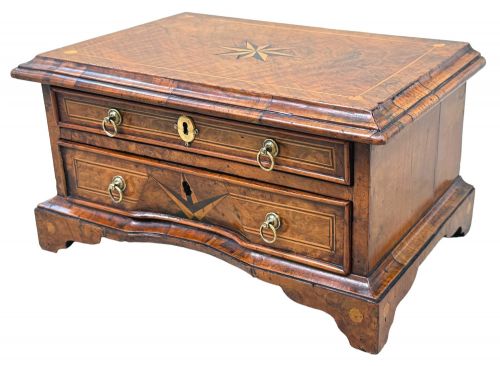
Surfaces feature decorative veneers, marquetry inlay, or polished grain, complemented by miniature brass drop handles, escutcheons, and turned feet. Cabinet-makers balanced structural integrity with delicate proportions, maintaining functional drawers within restricted dimensions.
Georgian Miniature Chest Retail Price Guide 2026
Typical asking prices for georgian miniature chest among the pieces listed under this phrase on Sellingantiques today, from the lower quarter to the upper quarter. They describe what is for sale here now, not the wider market.
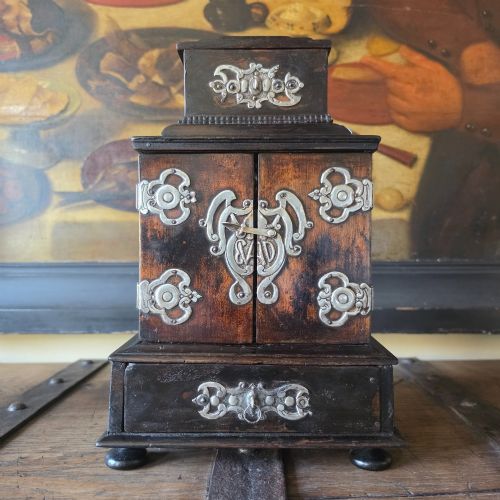
Miniature apothecary boxes retain tiny original glass bottles inside, preserving a complete medical kit scaled down for a pocket or travelling desk.
What varies in quality
Proportion and scale separate the finest examples from standard workshop items, requiring absolute precision when miniature dimensions magnify any deviation in drawer fit or carcase alignment. The choice of timber grain, from figured walnut to dense mahogany, dictates the visual impact of the polished surface.
Original hardware, including diminutive brass pulls and working locks, preserves the integrity of the piece. Refined hand-cut dovetails and untouched patination indicate superior craftsmanship and age.
The Georgian Miniature Chest Glossary
- Coffer bach
- A small Welsh oak chest featuring a hinged lid above a drawer, traditionally created as a marriage or engagement gift. These vernacular pieces sit on bracket or turned feet.
- Apprentice piece
- A small-scale item produced by a skilled craftsman to demonstrate proficiency to a guild or master. These objects display advanced joinery techniques in a compact format.
- Wellington chest
- A tall, narrow chest of drawers secured by a locking side flap that bars the drawers from opening. This form appears in miniature sizes during the Regency and later periods.
- Dovetail
- An interlocking joint formed by interlocking wedge-shaped fingers, used extensively in drawer construction. Fine, numerous pins indicate high-grade cabinet-making.
- Escutcheon
- A small protective plate surrounding a keyhole, usually fashioned from brass. In miniature furniture, these provide functional decoration.
Georgian Miniature Chest: Frequently Asked Questions
What were miniature chests used for?
These small pieces served practical purposes in the domestic interior, holding precious items like jewellery, tea, spices, or documents. Their portability allowed owners to store valuables securely in different rooms or during travel.
Cabinet-makers also produced them as display pieces or apprenticeship trials. This dual purpose combined utility with the demonstration of technical skill.
How do you date a miniature chest?
Dating relies on timber selection, construction methods, and hardware styles that align with documented historical periods. Mahogany became widespread during the eighteenth century, while earlier pieces frequently utilise oak or walnut.
Drawer construction methods, such as hand-cut dovetails and the choice of secondary woods, provide further clues to age. Examining the patination and wear patterns confirms authenticity against modern reproductions.
Are apprentice pieces real furniture?
Apprentice pieces are fully functional items constructed to exact scale by trainees proving their mastery to a trade guild. Every element, from drawer linings to working locks, mirrors full-size domestic furniture.
Their diminutive size reflects the restriction of materials and the challenge of executing complex joinery on a smaller canvas. Collectors value them for this concentrated display of craftsmanship.