



Georgian Military Painting
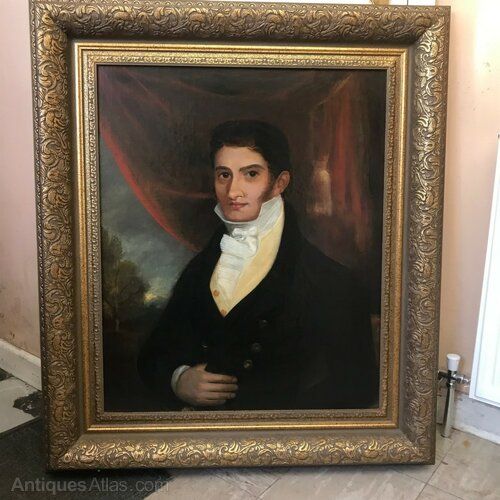
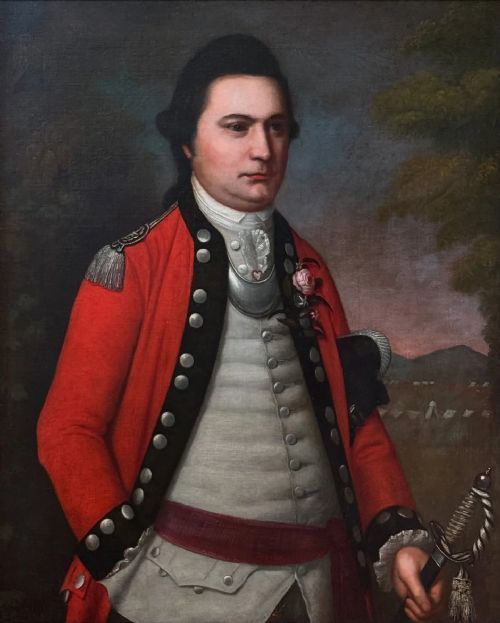
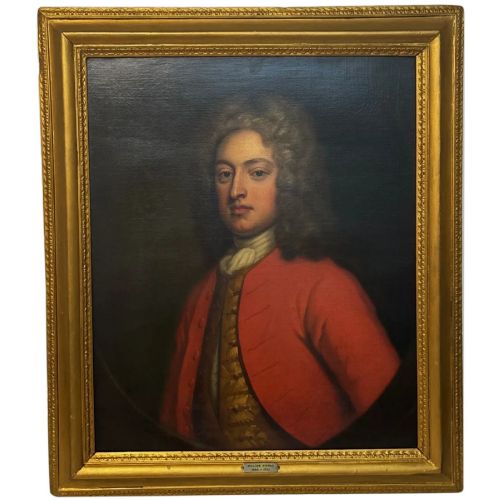
When you search for georgian military painting, you uncover portraits and scenes depicting officers, naval figures, and campaigns from the eighteenth and early nineteenth centuries.
Georgian Military Painting
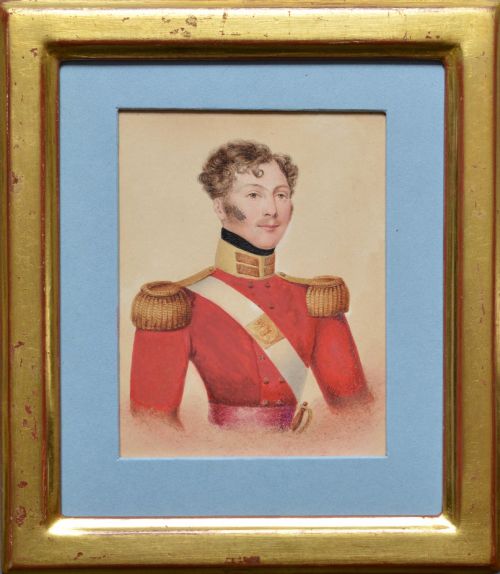
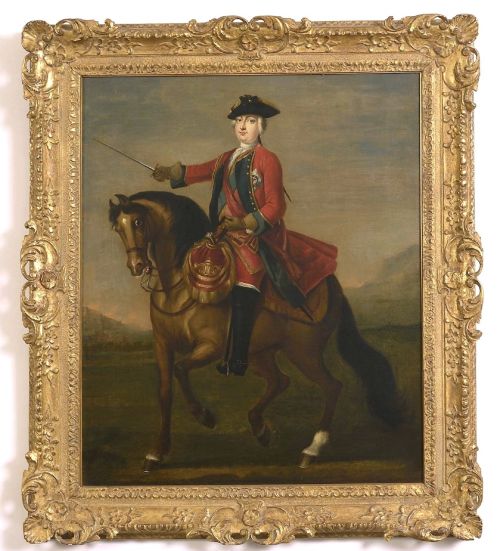
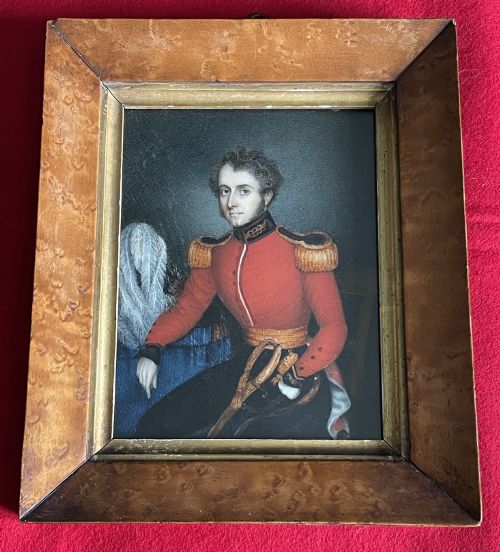
Collectors seeking georgian military painting encounter a diverse selection of artworks depicting officers, naval commanders, and historical engagements. The pieces span oil portraits, watercolours, and portrait miniatures, capturing figures from infantry, dragoons, and naval regiments.
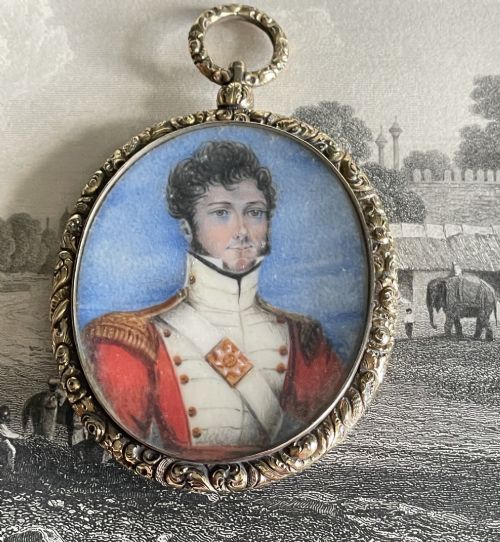
The material record includes canvases, paper, and agate panels, often housed in original giltwood frames. Works range from intimate portrait miniatures set in gold frames to large oil paintings recording notable military figures and sea battles.
Subjects frequently identify specific historical individuals, such as captains, admirals, and generals, alongside symbolic trade signs and reverse glass prints. These objects reflect the visual culture of military service during the Georgian and Regency eras.
Materials and techniques
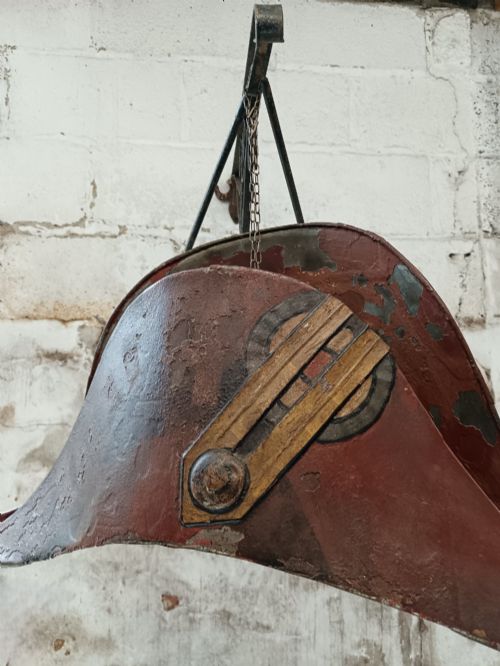
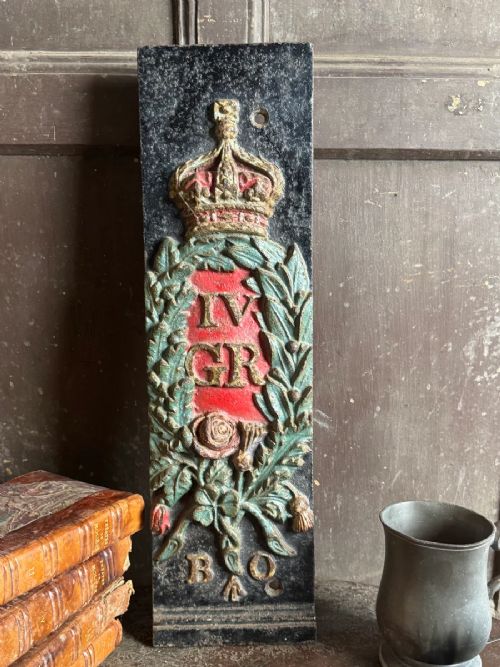
Framing and mounting involved carved giltwood, wood, and glass, as seen in reverse glass prints and framed miniatures set in gold. Specialised items incorporate painted cast iron and toleware to create durable trade signs and architectural plaques.
A pair of early 19th-century watercolours depicts a soldier and a sailor proudly displaying their wooden legs.
Distinctions in quality
The fidelity of the uniform details and the psychological depth of the sitter distinguish superior works from standard regional pieces. Hand-painted miniatures set in precious metals demand high technical skill in handling minute scales.
The preservation of the original canvas, pigment stability, and the presence of contemporary giltwood frames influence the historical integrity of the piece. Attribution to recorded artists adds considerable documentary weight to individual paintings.
Stickland Lowry·John Wootton·Thomas Hudson·John Simmons·Nicolas De Largilliere·Sir Thomas Lawrence·Edward Pugh·Frederick Tayler·Ramsay Richard Reinagle·Kershaw Schofield·Stephanus Chiantor·Henry Walton·Henry Hoppner Meyer·Sir William John Newton
The Georgian Military Painting Glossary
- Reverse glass print
- An image painted or transferred onto the reverse side of a glass sheet so that the final composition is viewed through the transparent front. This technique protects the paint layer from atmospheric dust and damage.
- Portrait miniature
- A small, highly detailed painting executed on vellum, card, ivory, or agate. These intimate items were frequently housed in lockets or precious metal frames.
- Toleware
- Enamelled and painted tinplate objects produced for domestic or commercial use. Examples include trade signs and decorative containers finished with durable dark pigments.
- Giltwood
- Timber carved and surfaced with a thin layer of gold leaf. Frames executed in this material define many period paintings.
Georgian Military Painting: Frequently Asked Questions
What subjects appear in georgian military painting?
Artworks depict identified military officers, naval captains, generals, and specific engagements from the period. Subjects range from large-scale oil portraits of aristocrats in uniform to delicate portrait miniatures.
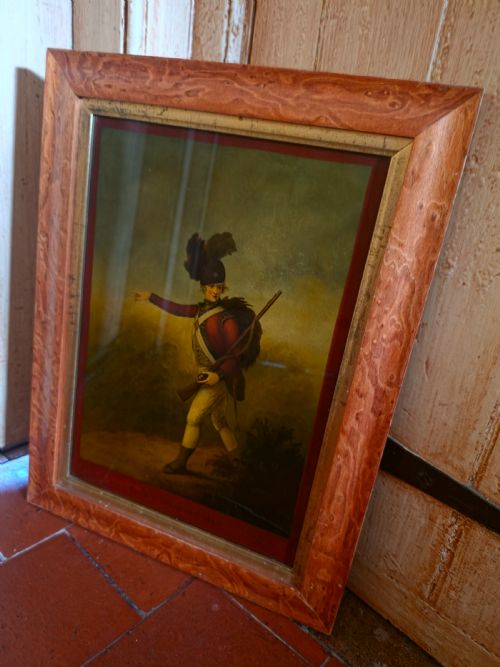
Additional formats include reverse glass prints of light infantrymen and architectural plaques commissioned by the Board of Ordnance.
How were portrait miniatures mounted?
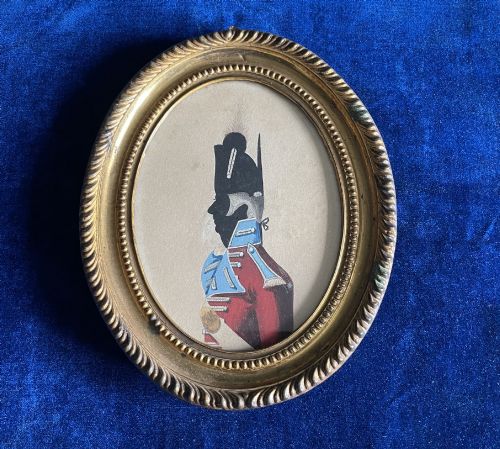
Makers frequently set miniatures into gold frames or agate panels, preserving small-scale watercolours and oils intended for personal wear or display. These objects often incorporate pearls or specialised mountings.
The secure housings protected the fragile painted surfaces from handling and environmental degradation over centuries.
Where were these paintings displayed originally?
Portraits of commanders and officers hung in regimental messes, naval vessels, and ancestral country homes to document military service and lineage. Trade signs and painted iron plaques served commercial or administrative functions outdoors.
Domestic spaces also accommodated smaller watercolours and portrait miniatures kept in private rooms or studies.
How do I identify the period of a painting?
Stylistic markers in the uniforms, such as bicorn hats, lace, and specific regimental dress, provide initial chronological indicators. Costume details align with contemporary military regulations of the Georgian and Regency eras.
Artists' signatures, inscriptions identifying the sitter, and framing materials further assist in dating the artwork accurately.