





19th Century Officer Portrait
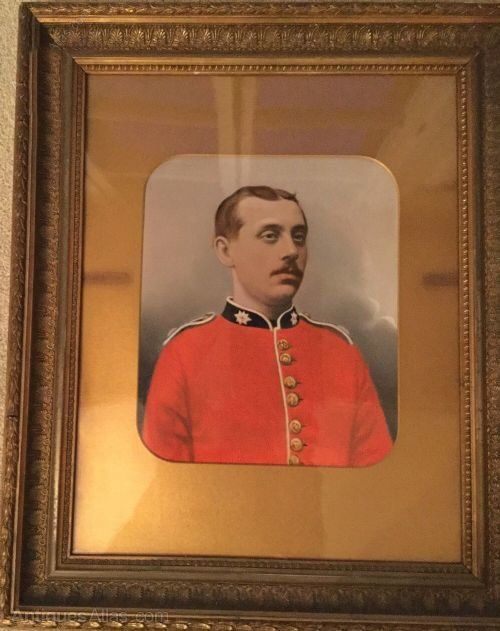
A 19th century officer portrait captures the likeness of military figures in oil or watercolour, offering direct visual record of historical service.
19th Century Officer Portrait
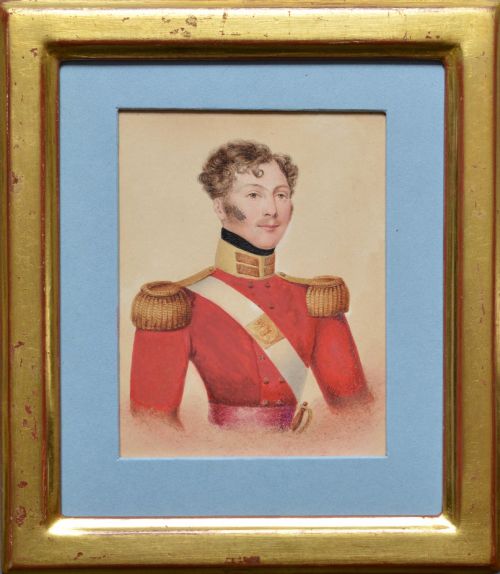
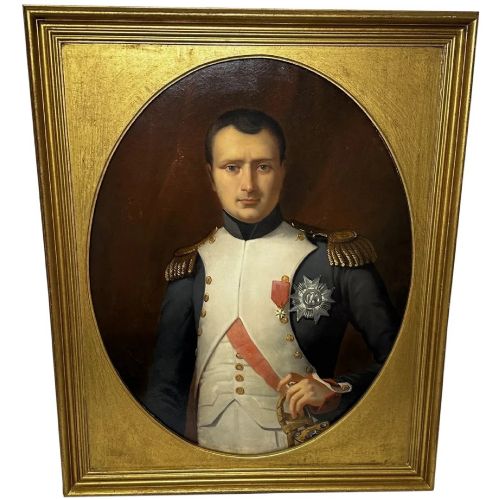
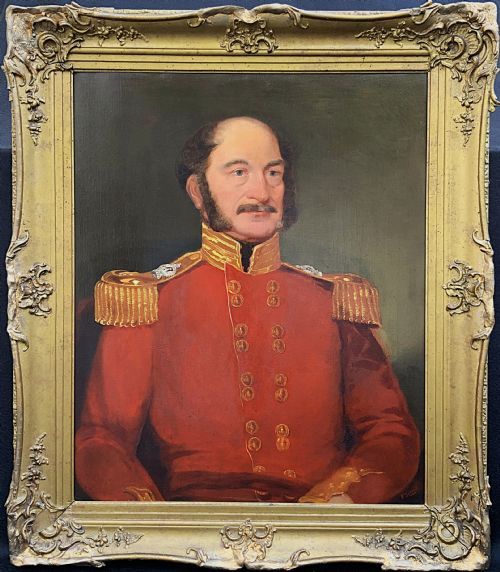
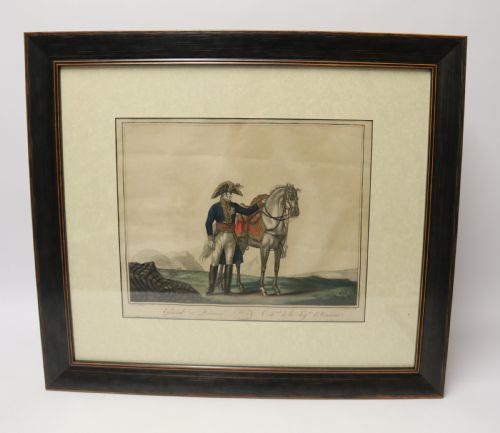
A 19th century officer portrait depicts military personnel, ranging from cavalrymen and hussars to admirals and generals, rendered during periods such as the Regency and Victorian eras. These works record specific regiments, service branches, and uniform details associated with British and French military history.
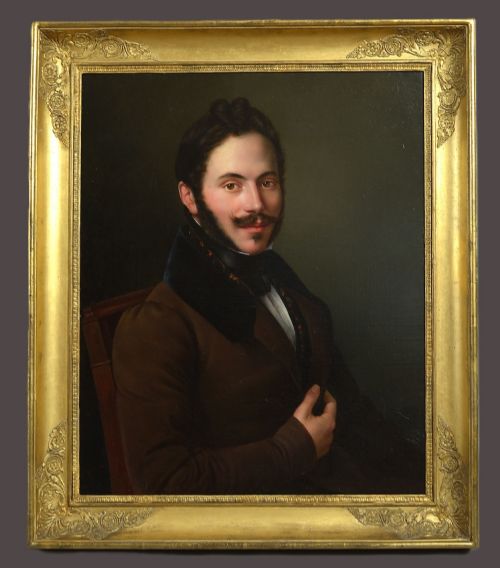
The materials span oil on canvas, oil on wood, watercolour, and hand-coloured prints, reflecting the varied mediums utilised by portraitists of the period. Forms include framed paintings, wall art, and sculptural busts representing naval and army personnel.
Subjects appear in ceremonial red tunics, naval jackets, or full uniform, frequently identified by name, rank, and regiment in the documentation. Pieces range from formal commissioned works by named artists to studies by provincial British and French schools.
Materials and technique
Artists painted primarily with oil paint on stretched canvas or wood panels, building up layers of pigment to capture the texture of military uniforms and gold braid. Watercolours on paper and card provided a lighter medium, often finished with gum arabic for depth.
Frames of gilt-wood complemented the canvases, serving to protect and display the work. Hand-coloured prints offered a more accessible method of producing multiple military likenesses during the Napoleonic period and later decades.
Listings feature works spanning the Regency, Victorian, and Napoleonic periods, utilising canvas, wood, paper, and glass.
Evaluating quality and execution
The skill of the hand defines the standard, distinguishing the confident brushwork of established portraitists from the stiffer output of provincial copyists. Capturing the precise anatomy of the sitter and the exact heraldry of regimental dress requires considerable draughtsmanship.
Condition of the medium remains central, with stable canvas surfaces, minimal craquelure, and preserved watercolour pigments representing superior preservation. The integration of period frames with the artwork also influences the overall integrity of the piece.
Edouard Pingret·George Frederic Watts·Sir Richard Westmacott·Henry Hoppner Meyer·Robert Ker Porter
The 19th Century Officer Portrait Glossary
- Regiment
- A permanent unit of an army commanded by a colonel. Regimental distinctions appear in the facings and lace of the officer's uniform.
- Hussar
- A member of a light cavalry unit originating in the 15th century. These subjects typically wear distinct braided jackets and pelisses.
- Craquelure
- A network of fine cracks in the paint surface of an oil painting. It occurs naturally as the paint film ages and hardens over decades.
- Gilt-wood
- Wood carved and covered with a thin layer of gold leaf or gold paint. Frames of this material frequently house oil paintings.
- Provenance
- The chronology of the ownership of a work of art. Documented lineage confirms the identity of the sitter and the attribution of the artist.
19th Century Officer Portrait: Frequently Asked Questions
How do I identify the regiment?
Study the uniform colours, collar facings, and any visible cap badges or shoulder belt plates recorded in the paint. Contemporary inscriptions on the canvas reverse or framing often provide the exact regiment and campaign details.
Cross-reference these visual clues with military army lists from the corresponding decade to confirm the officer's active service dates.
Are watercolours as authentic as oils?
Watercolours on paper represent genuine period works executed by military artists and portraitists working on the move or in smaller formats. They were frequently framed for domestic display alongside larger oils.
Both mediums were contemporary methods of recording likenesses, though oil paintings generally commanded higher commissions for formal portraits.
How should I hang these portraits?
Position paintings away from direct sunlight and steady temperature extremes to protect canvas fibres and watercolour pigments from fading. Ensure the weight of heavy gilt-wood frames is supported by secure wall fixings.
Grouping works by period or service branch creates a coherent display that reflects their historical context.
What does attribution mean?
Attribution indicates that an artwork is ascribed to a specific artist or school based on stylistic evidence and comparative analysis. Terms like follower or circle denote works produced in the manner of a master.
Signed pieces provide direct identification, while unsigned works rely on documentary records and stylistic traits.