


Red Coat Military Artwork
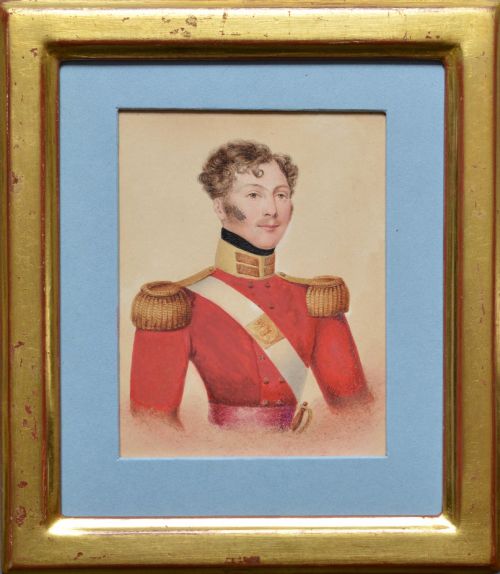
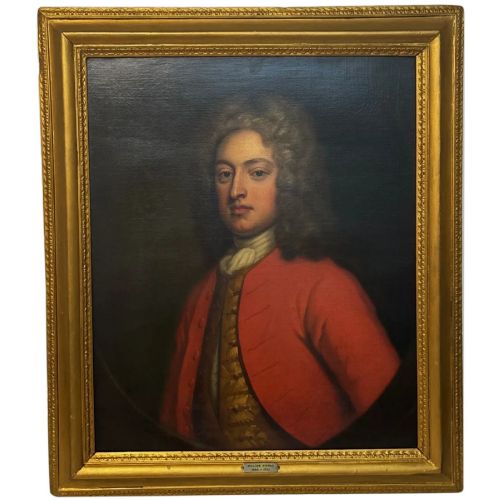
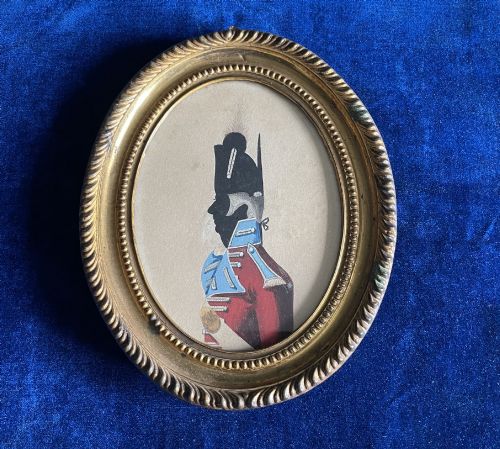
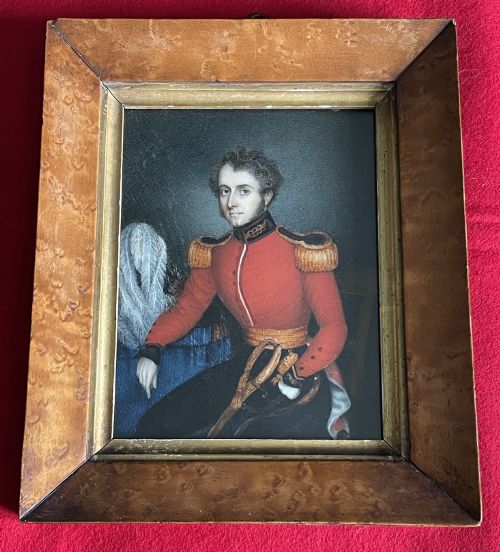
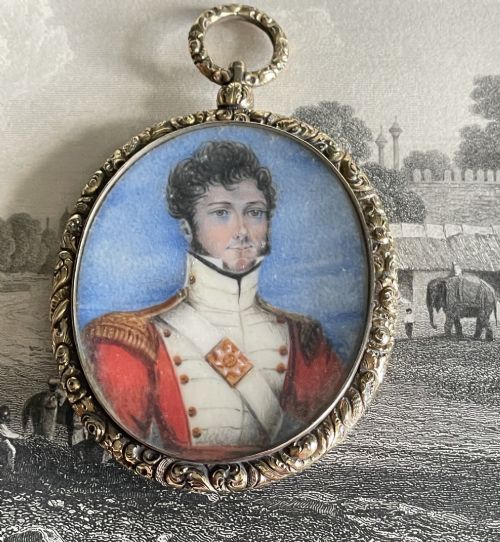
Red coat military artwork brings centuries of British martial history into a room through oil paintings, watercolours, and portrait miniatures.
Red Coat Military Artwork
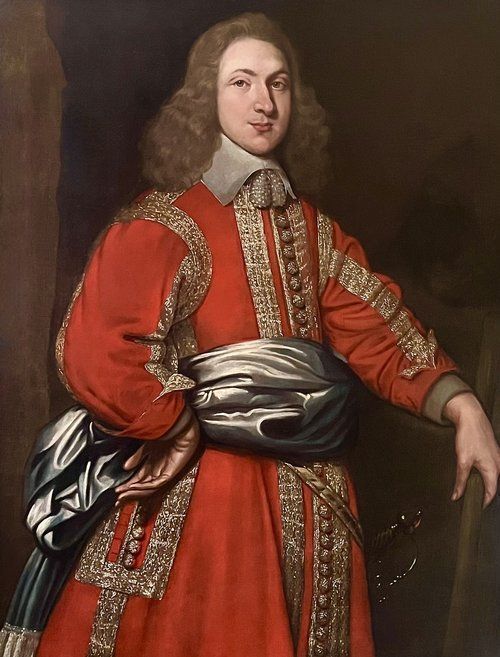
Red coat military artwork depicts officers and soldiers in uniform across the seventeenth, eighteenth, and nineteenth centuries. These pieces record the uniforms of regiments such as the Scots Greys, the Staffordshire 80th Regiment of Foot, and the Dragoons.
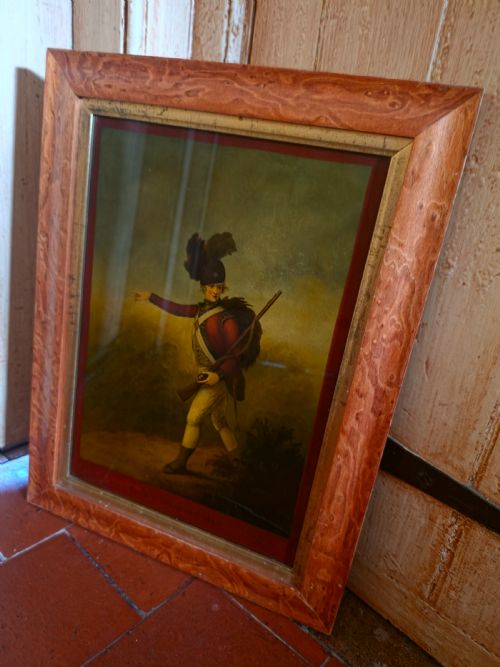
Buyers will encounter various formats on this page, ranging from grand oil paintings on canvas to intimate portrait miniatures and reverse glass pictures. Anglo-Dutch, Anglo-Indian, and British schools all contribute to the subjects available here.
Works span multiple periods, including the Georgian, Regency, and Victorian eras, alongside twentieth-century interpretations in older styles. Each piece captures the distinct character of military service through individual portraiture.
How they were made
Artists applied oil or watercolour paint to canvas, paper, or glass panels to create these portraits. Giltwood frames frequently house the finished works, adding structural support and ornamental weight.
Techniques range from traditional oil on canvas portraiture to delicate reverse glass painting and miniature watercolours. Materials like glass and giltwood require careful handling to preserve their historic integrity.
Listings feature oil, watercolour, and paint on canvas, paper, and glass, housed within giltwood frames.
What varies in quality
The precision of uniform detail and facial expression distinguishes superior portraiture from simpler folk art or primitive styles. Skilled brushwork defines the texture of red coats and the medals of individual officers.
The preservation of original materials, such as untouched oil paint and period giltwood frames, elevates the standing of a piece. The hand of a named artist adds distinction compared to anonymous school works.
Gilbert Scott Wright·Henry Walton·George Duncan Beechey·Sir Richard Westmacott·Gerrit Schipper
The Red Coat Military Artwork Glossary
- Reverse glass
- A painting technique where the image is applied directly to the back of a glass sheet and viewed from the front. This method creates a glossy, protected surface.
- Portrait miniature
- A small, highly detailed painting, often executed on paper or card for intimate display. These portable works demand exceptional brush control.
- Giltwood
- Timber carved and coated with a thin layer of gold leaf. It frames many traditional British paintings.
- Anglo-Dutch school
- Artists working in Britain and the Netherlands whose styles blended northern European portrait traditions. This influence appears in seventeenth-century military canvases.
- Dragoons
- Mounted soldiers who originally rode horses into battle and fought on foot. Portraits of dragoon officers often display specific regimental dress.
Red Coat Military Artwork: Frequently Asked Questions
What periods do these paintings cover?
The works span from the seventeenth century through the Victorian era, with occasional later interpretations in older styles. Georgian and Regency pieces appear frequently among the selections.
Specific dates on the pieces range from the seventeen-hundreds up to the late nineteenth century, reflecting shifts in military uniform and portraiture fashions.
How should I hang a portrait miniature?
Miniatures require protected wall spaces away from direct sunlight to prevent the fading of watercolours and paper. Their small scale suits grouped arrangements or narrow wall panels.
Keep these delicate pieces away from damp areas and fluctuating heat sources to protect the glass and original framing.
How do I identify a regiment from the uniform?
Painters recorded specific facings, lace, and headwear that denoted particular regiments like the Scots Greys or the 24th N.I. Researching regimental histories helps connect an officer's uniform to a specific campaign.
Inscriptions on the reverse or within the composition often name the sitter and their military unit directly.
What is a reverse glass picture?
A reverse glass picture involves painting the subject backwards on the rear side of a glass panel. When viewed from the front, the colours possess a distinct sheen and depth.
This technique protects the pigment from atmospheric dirt but requires careful handling to avoid chipping the glass support.
Are these works all by named artists?
Many pieces originate from British or Anglo-Dutch schools with anonymous hands, while others bear attributions to recorded painters. Both attributed works and school pieces offer historical insight into military portraiture.
Signatures or contemporary framing notes occasionally help establish the creator of an eighteenth or nineteenth-century canvas.