



British Army Officer Art
British army officer art captures figures from military history through painted oils, delicate watercolours and pastel sketches spanning multiple centuries.
British Army Officer Art
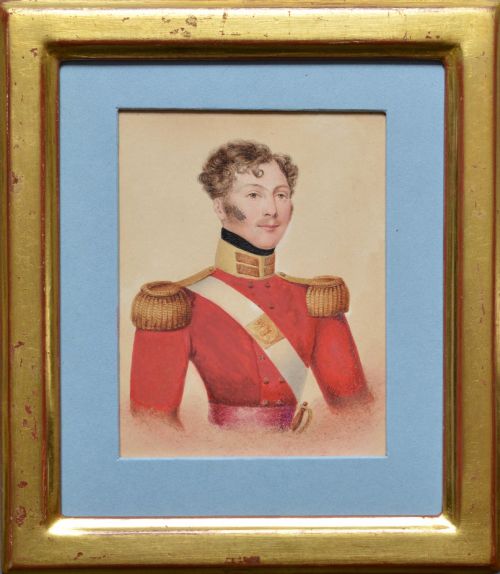
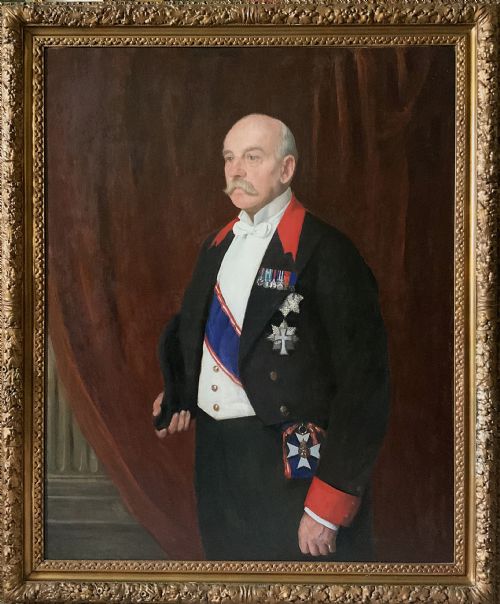
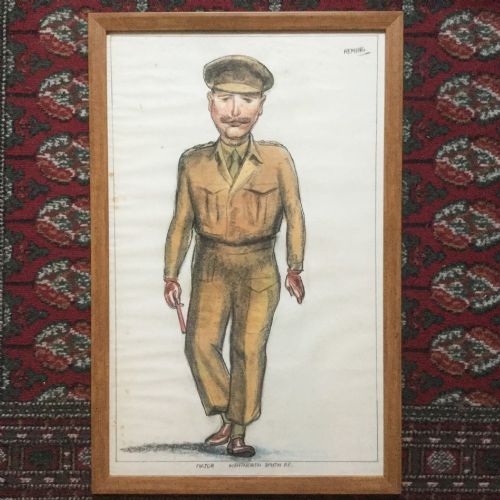
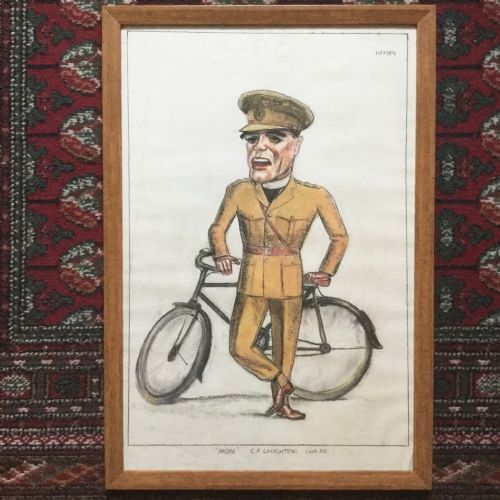
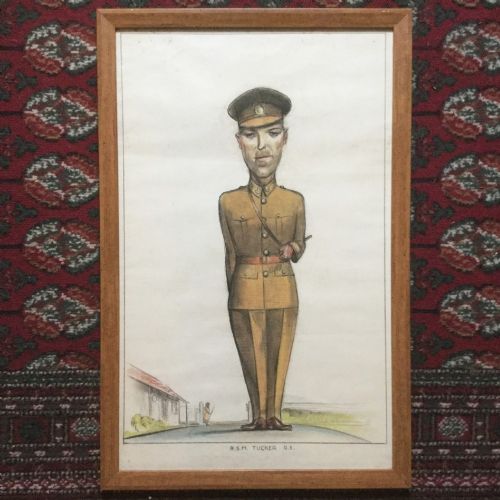
These works depict military personnel ranging from lieutenants to generals, capturing individuals from specific regiments and campaigns across the eighteenth, nineteenth and twentieth centuries.
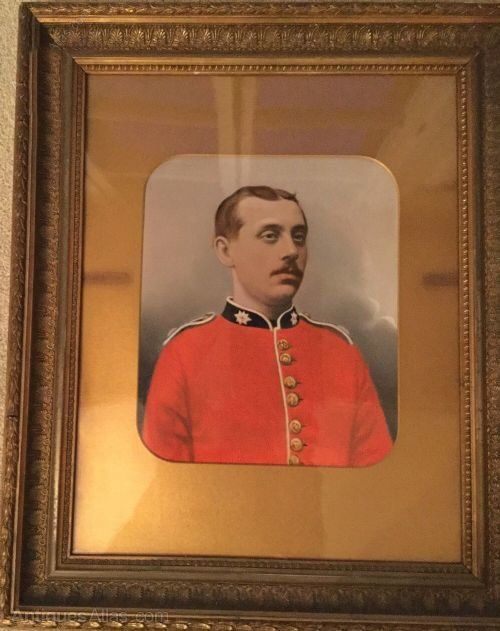
Buyers encounter oil portraits on canvas alongside framed watercolours, gouache sketches and pastel drawings, often identifying the sitter by name, rank and regiment.
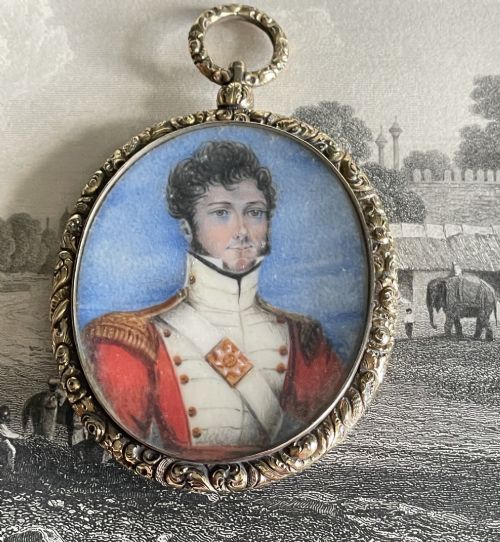
The selection includes intimate portrait miniatures and large-scale canvases, reflecting both formal military commissions and wartime illustrative records.
Materials and technique
Watercolour, gouache and pastel on paper served for portable sketches, allowing artists to capture detailed uniform insignia and immediate likenesses during active service or in studios.
Several wartime officers share their artistic space with a very stern-looking horse.
Standards of execution
Superior examples demonstrate precise anatomical drawing and accurate rendering of regimental facings, lace and insignia, whereas lesser works display stiffness in posture and generalized uniform details.
The skill of the hand dictates the psychological depth of the sitter's expression, lifting a standard military commission into a compelling historical document.
Henry Walton·Henry Hoppner Meyer·Ruth Cecil Latter·William Edward Millner·Leslie Moore·George Duncan Beechey·Sir Richard Westmacott
The British Army Officer Art Glossary
- Gouache
- An opaque water-based medium that dries to a matte finish, frequently utilised in wartime sketches for its solid colour application.
- Portrait miniature
- A small-scale painting executed with meticulous detail on ivory, vellum or paper, often housed in a protective case.
- Regiment
- A military unit whose specific uniform colours, facings and badges provide crucial dating and identification evidence within the artwork.
- Giltwood
- A carved wooden frame material covered in gold leaf, commonly paired with fine nineteenth-century oil paintings.
British Army Officer Art: Frequently Asked Questions
How do I identify the regiment?
Look closely at the uniform's facing colours, collar badges and cap insignia depicted in the artwork.
Matching these specific heraldic and military details against historical army lists usually reveals the exact regiment and sometimes the campaign.
Are these works original paintings?
The selection comprises original hand-painted oils, watercolours, pastels and gouache drawings produced by period artists.
Each piece represents a unique historical record rather than a modern reproduction.
How should I frame paper works?
Watercolours and pastel sketches on paper require conservation mounting behind UV-filtering glass to prevent fading from light exposure.
Keeping the paper away from direct contact with the glazing preserves the delicate medium over time.
What periods do these pieces cover?
The available artworks span from the eighteenth century through the Victorian era and into twentieth-century wartime illustrations.
This broad timeline records shifts in military dress, artistic styles and portraiture conventions.