



Historical British Military Artwork
Historical british military artwork records commanders and campaigns in oil and paper, offering a direct view into past conflicts.
Historical British Military Artwork
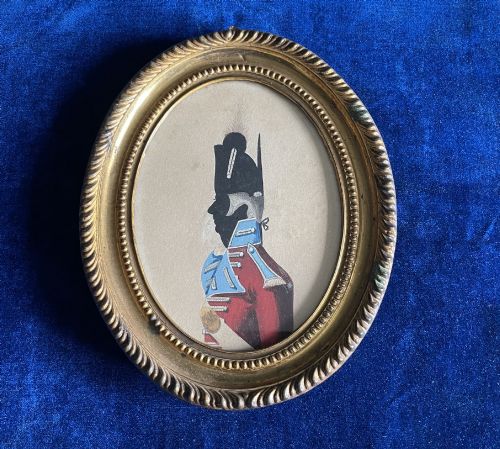
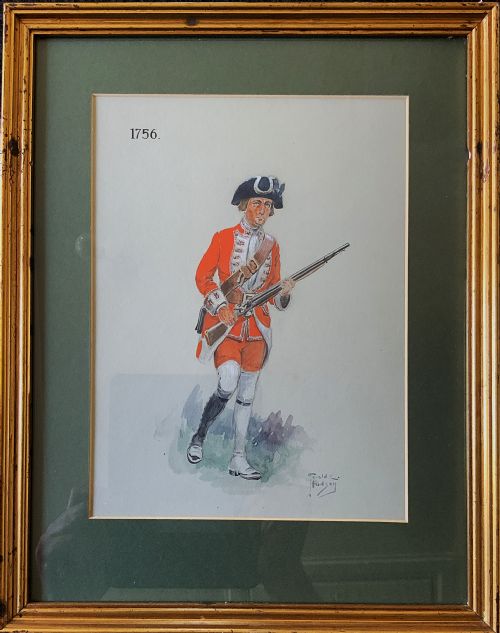
Historical british military artwork comprises oil paintings, watercolours, and prints depicting officers, soldiers, and naval engagements from the eighteenth century onwards. These pieces range from formal portraits of generals to battle scenes and royal reviews.
The version most commonly met on this page is the oil painting on canvas, often portraying named figures such as admirals and lieutenant-generals from the Victorian and Georgian periods. Alongside these, framed watercolours and etchings record specific regiments and historical actions.
Quality and execution
The distinction between works rests upon the skill of the brushwork and the accuracy of the uniform and facial rendering. Master painters captured likeness and atmosphere with precision, whereas lesser examples rely on formulaic repetition.
Provenance and documentation elevate a piece, particularly when the sitter and the artist are identified. The integrity of the canvas, frame, and surface medium also determines the standing of the work.
Listings span periods from the eighteenth century to the mid-twentieth century, featuring oil, watercolour, and paper mediums.
Ernest Crofts·Frank Dadd·Francis Russell Flint·John F.H. Dutton·David Wilkie·Henry Walton·George Duncan Beechey·William Salter·Henry Wyatt·Robert Ker Porter·Ambrosini Jerome
The Historical British Military Artwork Glossary
- Oil on canvas
- A painting medium using pigments bound with drying oil spread across a stretched fabric support. This technique allowed artists to build rich textures and deep tones suitable for formal military portraiture.
- Watercolour and wash
- A painting method utilising water-soluble pigments and transparent layers of diluted ink or paint on paper. It was frequently employed for rapid field sketches and detailed preparatory studies.
- Etchings
- Printmaking impressions created by drawing through an acid-resistant ground applied to a metal plate, which is then submerged in acid to bite the lines. This process produced sharp, linear illustrations of historical scenes.
- Gilt wood
- Timber frames finished with a thin layer of gold leaf or metallic powder. They provided ornate borders that enhanced the presentation of formal canvases.
Historical British Military Artwork: Frequently Asked Questions
What do these artworks depict?
These works depict British military and naval figures, including generals, admirals, and soldiers engaged in historical conflicts or formal reviews.
Subjects range from named officers in detailed uniform to scenes of sea battles and campaign encampments.
How were these paintings displayed?
Original owners hung these portraits and battle scenes in country houses, officers' messes, and domestic drawing rooms to commemorate service and lineage.
They were typically mounted in wooden or gilt frames suited to the interior decor of the Georgian and Victorian eras.
How do I identify the period?
Periods are identified through the artistic style, costume details of the uniforms, and the recorded dates of the sitters and artists.
Paintings from the eighteenth and nineteenth centuries reflect changing military dress and prevailing portraiture conventions.
Are these pieces original works?
The selection includes original oil paintings and watercolours executed by period artists, alongside contemporary prints and etchings.
Each listing specifies the medium, such as oil on canvas or paper, distinguishing unique painted works from printed editions.